Is It Better to Replace Wiper Blade or Rubber First
Replacing just the rubber insert saves money and reduces waste, while swapping the entire wiper blade gives you a fresh design and better performance. Most drivers can cut costs by 50% or more by choosing a rubber-only replacement. This guide breaks down every option so you know exactly what works best for your vehicle and budget.
Your windshield wipers work hard every time it rains, snows, or even just gets dusty. Over time, the rubber on your blades wears out and stops clearing your view effectively. When this happens, you face a simple question: should you swap out the entire wiper blade or just the rubber part?
The answer might surprise you. In many cases, replacing only the rubber insert is the smarter move. It costs less, creates less waste, and gets the job done just as well. But there are situations where a full blade replacement makes more sense. This article walks you through everything you need to know about wiper blade replacement so you can make the best decision for your car.
Whether you drive a Toyota, a Ford, or anything in between, understanding your options helps you save money and stay safe on the road. Let us dive into the details.
Key Takeaways
- Rubber-only replacement costs less: You can save up to 60% compared to buying a full new blade assembly.
- Full blade replacement offers better performance: New frames and connectors ensure a proper wipe every time.
- Rubber inserts fit many blade types: Most universal rubber inserts work with conventional, beam, and hybrid wiper designs.
- Check your wiper blade size before buying: Using the wrong size rubber insert leads to streaking and poor visibility.
- Replace rubber every 6-12 months: Regular rubber swaps keep your windshield clear and extend blade life.
- DIY replacement is easy: Both rubber-only and full blade swaps take under 5 minutes each.
📑 Table of Contents
- What Is a Wiper Blade and How Does It Work?
- Can You Replace Just the Rubber on a Wiper Blade?
- When Should You Replace the Entire Wiper Blade?
- How Much Does Each Option Cost?
- How to Know When Your Wiper Rubber Needs Replacing
- Are Premium Wiper Blades Worth the Investment?
- Common Mistakes to Avoid When Replacing Wiper Blades
- Can You Replace Wiper Blades Yourself?
- Environmental Impact of Wiper Blade Choices
- Conclusion
What Is a Wiper Blade and How Does It Work?
Before we compare replacement options, it helps to understand what a wiper blade assembly actually consists of. Most people think of the rubber strip that touches the windshield. But there is more to it than that.
A standard wiper blade assembly has three main parts:
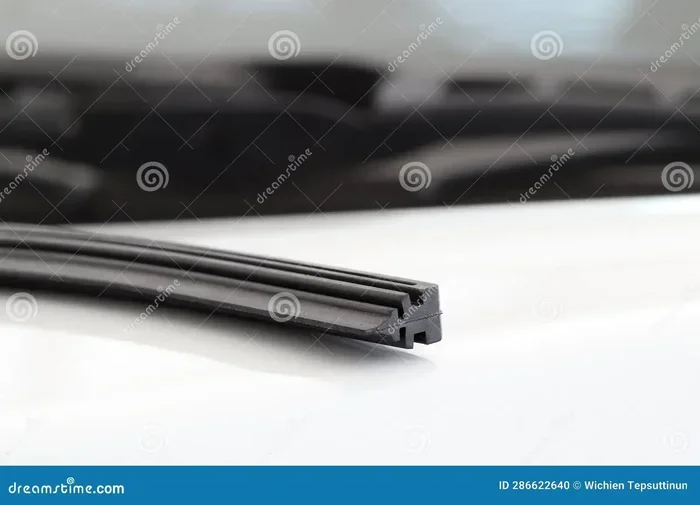
- The rubber squeegee: This is the flexible rubber strip that makes direct contact with the glass. It is the part that actually clears water and debris.
- The metal or plastic frame: This holds the rubber in place and applies even pressure across the windshield.
- The connector and adapter: This piece links the blade to the wiper arm on your car.
When you buy a full blade, you get all three parts. When you replace just the rubber, you keep the frame and connector and only swap out the worn-out squeegee. This distinction is the key to understanding which option works best for you.
Types of Wiper Blades
Not all wiper blades are the same. Different vehicles use different styles, and each has its own replacement quirks.
Conventional wiper blades use a metal frame with multiple pressure points. They are the most common type and the easiest to work with. Beam wiper blades have a sleek, frameless design that conforms better to curved windshields. Hybrid wiper blades combine elements of both, offering a covered frame and a sleek look.
If you are unsure which type you have, check your owner’s manual or measure the blade length. Most auto parts stores also carry reference guides for wiper blade size matching.
Can You Replace Just the Rubber on a Wiper Blade?
Yes, you absolutely can. In fact, replacing just the rubber wiper is one of the most common maintenance tasks for car owners. Many people do not realize that the metal frame can last for years, even after the rubber has worn thin.
Rubber-only replacements come in universal or vehicle-specific sizes. Universal rubber inserts slide into your existing frame with a simple clip or locking mechanism. Vehicle-specific inserts are cut to fit a particular blade model exactly.
How to Replace the Rubber Insert Only
Swapping out a rubber insert is quick and easy. Here is what to do:
- Lift the wiper arm away from the windshield.
- Locate the locking tab or clip that holds the rubber in the frame.
- Press or slide the tab to release the old rubber.
- Slide the new rubber insert into place until it clicks or locks.
- Lower the wiper arm back onto the windshield.
The entire process takes less than five minutes per blade. No tools are needed in most cases. If you want a step-by-step walkthrough with visuals, check out our guide on Can You Replace Just The Rubber Wiper for a detailed breakdown.
Benefits of Replacing Only the Rubber
There are several strong reasons to choose a rubber-only replacement:
- Cost savings: Rubber inserts typically cost between $5 and $15 per blade. A full new blade assembly can run $15 to $40 or more per side.
- Less waste: Reusing the frame means less material ends up in the landfill.
- Simplicity: No need to worry about adapter compatibility or blade type matching.
- Speed: The swap takes only a few minutes.
When Should You Replace the Entire Wiper Blade?
While rubber-only replacement works great in most cases, there are times when swapping the full blade makes more sense. Knowing these situations helps you avoid frustration and poor performance.
The Frame Is Bent or Damaged
If the metal frame on your blade is bent, corroded, or warped, a new rubber insert will not fix the problem. A bent frame applies uneven pressure to the glass, causing streaks and skipping. In this case, a full blade replacement is the way to go.
The Connector or Adapter Is Worn
The connector that hooks the blade to the wiper arm can also wear out over time. If you notice the blade wiggles or disconnects while driving, the adapter may be the culprit. Replacing the entire assembly solves this issue in one step.
You Want an Upgrade
Maybe you have been using basic conventional blades and want to try a beam or hybrid design. Upgrading to a better wiper blade type means replacing the full assembly. This is also a great opportunity to switch to winter wiper blades if you live in a cold climate.
If you are wondering whether premium blades are worth the extra money, our article on Do More Expensive Wiper Blades Make A Difference covers the cost-benefit in detail.
You Cannot Find a Rubber Insert for Your Blade
Some newer blade designs use proprietary connectors that do not accept universal rubber inserts. In these cases, the full blade is your only option. Beam blades from brands like Bosch and Rain-X often fall into this category.
How Much Does Each Option Cost?
Cost is one of the biggest factors in the rubber-versus-full-blade decision. Here is a simple breakdown of what you can expect to pay.
| Option | Average Cost Per Blade | Typical Lifespan |
|---|---|---|
| Rubber insert only | $5 – $15 | 6 – 12 months |
| Full conventional blade | $15 – $30 | 6 – 12 months |
| Full beam blade | $20 – $45 | 6 – 12 months |
| Full hybrid blade | $25 – $50 | 6 – 12 months |
As you can see, the rubber-only option saves you a significant amount of money. Over a year of regular maintenance, choosing inserts instead of full blades can cut your wiper costs in half or more.
If you prefer to have a shop handle the job, Does Autozone Change Wiper Blades For Free? In many cases, yes. AutoZone offers free installation on blades purchased from them, whether you choose a full blade or just a rubber insert. This makes the rubber-only route even more appealing if you want a no-hassle solution.
How to Know When Your Wiper Rubber Needs Replacing
Timing your replacement correctly keeps your windshield clear and your visibility high. Waiting too long can lead to streaks, squeaking, and even scratches on your glass.
Signs Your Wiper Rubber Is Worn Out
Watch for these common warning signs:
- Streaking: The blade leaves visible lines of water across the windshield.
- Skipping: The rubber bounces or skips across the glass instead of making full contact.
- Squeaking: A loud noise during operation signals hardened or cracked rubber.
- Splitting or cracking: Visible damage to the rubber edge means it is time for a replacement.
- Reduced visibility in rain: If your wipers are not clearing water effectively, the rubber has likely worn down.
A good rule of thumb is to replace your wiper blade rubber every six months, even if it still looks okay. UV exposure, heat, and cold all degrade rubber over time. Proactive replacement keeps you safe and your windshield crystal clear.
Quick Tips for Extending Wiper Blade Life
Want to get the most out of your wipers? Try these simple tips:
- Wipe the rubber edge with a damp cloth to remove dirt and debris.
- Lift the blades away from the windshield during winter to prevent freezing.
- Avoid using wipers on a dry windshield without first applying washer fluid.
- Clean your windshield regularly to reduce grime buildup on the rubber.
- Store your vehicle in a garage or shaded area when possible.
These small habits add up and can extend the life of both the rubber and the frame significantly.
Are Premium Wiper Blades Worth the Investment?
The wiper blade market offers a wide range of options, from budget picks to premium brands. But do you really need to spend more?
Budget wiper blades work fine for most drivers. They get the job done and last a reasonable amount of time. Premium blades often feature better rubber compounds, aerodynamic designs, and more durable frames. If you live in an area with harsh weather, a premium option might be worth the extra cost.
If you own a Toyota, you might wonder whether Toyota OEM wiper blades are worth the premium. Our article on Are Toyota Wiper Blades Good explores this question in depth and helps you decide if OEM blades are right for your vehicle.
For most people, a mid-range blade paired with regular rubber replacements strikes the best balance between cost and performance.
Common Mistakes to Avoid When Replacing Wiper Blades
Even a simple task like wiper replacement can go wrong if you are not careful. Here are the most common mistakes drivers make:
- Buying the wrong size: Always double-check your vehicle’s wiper blade size before purchasing. The driver and passenger sides are often different lengths.
- Forcing the connector: If the blade does not click into place easily, do not force it. You may be using the wrong adapter type.
- Ignoring the frame condition: A new rubber insert on a bent frame will still perform poorly. Inspect the frame before deciding on rubber-only replacement.
- Touching the rubber with bare hands: Oils from your skin can shorten the rubber’s lifespan. Handle the rubber edge as little as possible.
- Waiting too long to replace: Worn wipers do not just reduce visibility, they can actually damage your windshield over time.
Avoiding these mistakes ensures your replacement goes smoothly and your wipers perform at their best.
Can You Replace Wiper Blades Yourself?
Absolutely. DIY wiper blade replacement is one of the easiest car maintenance tasks you can do. No mechanic is needed, and no special tools are required.
Most blade replacements take under five minutes per side. You simply lift the old blade, press the release tab, slide in the new one, and lower it back down. The process is nearly identical whether you are replacing a full blade or just a rubber insert.
Many people feel intimidated by car maintenance, but this is one of the simplest jobs you will ever tackle. If you can plug in a phone charger, you can replace your wiper blades.
For a more detailed walkthrough on the rubber-only route, visit our guide on Can You Replace Just The Rubber Wiper.
Environmental Impact of Wiper Blade Choices
Not many people think about the environmental side of wiper maintenance, but it matters. Every full blade assembly that goes into a landfill represents metal, plastic, and rubber all at once.
Choosing to replace only the rubber insert reduces the amount of waste you generate. The metal and plastic frame gets another season of use instead of being discarded. Over years of car ownership, this adds up to a meaningful reduction in waste.
If you are also mindful about other car maintenance choices, consider using recyclable wiper blades when available. Some brands now offer take-back programs where old blades are properly recycled.
Conclusion
The answer to whether it is better to replace the wiper blade or just the rubber comes down to your situation. In most cases, replacing only the rubber insert is the smarter choice. It saves you money, reduces waste, and takes just minutes to complete.
However, if the frame is damaged, the connector is worn, or you want to upgrade to a better blade design, a full replacement is the right move. The key is inspecting your wipers regularly and acting before worn rubber compromises your safety on the road.
Stay on top of your windshield wiper maintenance and you will enjoy clear visibility in every weather condition. Your wallet and your windshield will both thank you.
Frequently Asked Questions
Can I replace just the rubber part of my wiper blade?
Yes, in most cases you can replace only the rubber insert. Universal rubber inserts fit most conventional and beam blade frames. Just lift the old rubber out and slide the new one in until it locks. This works as long as the frame and connector are still in good condition.
How often should I replace my wiper blade rubber?
Most experts recommend replacing the rubber every six to twelve months. Even if the rubber looks okay, UV exposure and weather gradually break it down. Regular replacement ensures consistent performance and protects your windshield from scratches.
Is it cheaper to replace just the rubber or the whole blade?
Replacing just the rubber is significantly cheaper. Rubber inserts cost between $5 and $15, while full blade assemblies range from $15 to $50 depending on the type. Over time, choosing rubber-only replacements can save you a considerable amount of money.
What size wiper blade do I need for my car?
Check your owner’s manual for the correct wiper blade size. Driver and passenger sides often require different lengths. You can also measure the existing blade or use the size guide at your local auto parts store.
Can I mix rubber-only and full blade replacements?
Yes, you can. For example, you might replace the rubber on your driver-side blade while swapping the full blade on the passenger side. Just make sure each replacement matches the correct blade type and size for that position.
Do Autozone and other stores sell rubber wiper inserts?
Yes, many auto parts stores carry universal rubber wiper inserts. AutoZone, O’Reilly, and Advance Auto Parts all stock them. Some stores also offer free installation if you purchase the insert from them.