Is 0W-16 Oil Synthetic Here Is What You Need to Know
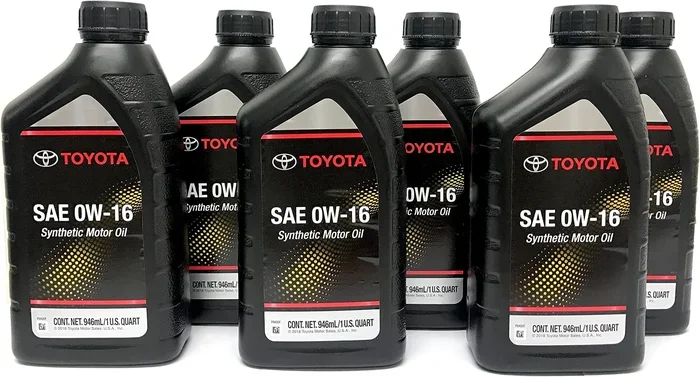
0W-16 oil is indeed a fully synthetic motor oil designed for modern engines that demand ultra-low viscosity and maximum fuel efficiency. This thin oil flows quickly in cold temperatures, protects critical engine parts, and helps your car run smoothly. Understanding what makes 0W-16 oil synthetic and how it compares to other grades can save you money and keep your engine healthy for years.
Is 0W-16 oil synthetic? If you have been staring at the oil aisle at your local auto parts store or browsing online options, you are not alone. This ultra-thin oil grade has been popping up on shelves and in manufacturer recommendations, and it leaves many car owners scratching their heads. The short answer is yes, 0W-16 oil is synthetic. But there is a lot more to understand about what this oil is, how it works, and whether it is the right choice for your vehicle.
In this guide, we will break down everything you need to know about 0W-16 oil in plain, simple language. You will learn what makes it synthetic, how it compares to other oil weights, and why automakers are starting to recommend it for newer engines. By the end, you will feel confident making the right decision for your car.
Key Takeaways
- 0W-16 oil is 100% synthetic: It is engineered in a lab using advanced base oils, not refined from crude petroleum alone.
- It offers superior cold-start protection: The low viscosity allows the oil to reach engine components almost instantly when you turn the key.
- Fuel economy improves with 0W-16: Thinner oil reduces engine drag, which means better miles per gallon over time.
- Not every car needs 0W-16: Always check your owner’s manual before switching to this ultra-thin grade.
- Oil change intervals still matter: Even with premium synthetic oil, you must follow recommended maintenance schedules.
- Myths about thin oil causing engine wear are outdated: Modern 0W-16 formulations include additives that provide strong film strength and protection.
📑 Table of Contents
- What Is 0W-16 Oil and Why Does It Matter?
- Is 0W-16 Oil Synthetic? The Science Behind It
- Benefits of Using 0W-16 Synthetic Oil
- Who Should Use 0W-16 Oil?
- Common Myths About 0W-16 Oil
- How to Choose the Right 0W-16 Oil for Your Car
- How 0W-16 Oil Compares to Other Synthetic Grades
- Final Thoughts on 0W-16 Synthetic Oil
What Is 0W-16 Oil and Why Does It Matter?
Let us start with the basics. The number “0W” stands for the oil’s cold-weather viscosity rating. The “W” means winter. A rating of 0 means the oil flows extremely well at very low temperatures. The “16” refers to the oil’s viscosity at normal engine operating temperature. Lower numbers mean thinner oil.
So 0W-16 oil is one of the thinnest motor oils available. It is designed to slip through tiny passages in modern engines with ease. This matters because newer engines are built with tighter tolerances. They need oil that can reach every corner quickly, especially during cold starts when the oil is cold and thick.
For years, thicker oils like 10W-30 or 5W-30 were the standard. But engine technology has changed. Today’s engines use less oil and rely on precision engineering. That is where 0W-16 comes in. It is part of a trend toward lighter oils that improve efficiency without sacrificing protection.
How Oil Weight Ratings Work
The Society of Automotive Engineers, or SAE, created the viscosity rating system you see on every oil bottle. The first number (the 0 in 0W-16) tells you how the oil behaves in cold weather. The second number (the 16) tells you how the oil performs at 100 degrees Celsius, which is normal operating temperature.
Here is a quick comparison of common oil weights:
- 0W-16: Ultra-thin. Best for cold starts and fuel economy.
- 0W-20: Very thin. Common in modern Toyota and Honda engines.
- 5W-30: Medium thin. A popular all-around choice for many years.
- 10W-30: Thicker. Often used in older engines or high-mileage vehicles.
The lower the first number, the faster the oil flows when your engine is cold. This is why 0W-16 is so popular in cold climates and fuel-efficient vehicles.
Is 0W-16 Oil Synthetic? The Science Behind It
Yes, 0W-16 oil is synthetic. But what does that actually mean? Synthetic oil is not just refined crude oil. It is chemically engineered in a laboratory to have perfect molecular structures. This gives it properties that conventional oil simply cannot match.
To understand why 0W-16 oil must be synthetic, think about what happens when you try to make a very thin oil from conventional base stocks. Conventional oil molecules are irregular in size and shape. When you try to make them very thin, they break down quickly and lose their ability to protect your engine. Synthetic oil molecules are uniform and consistent. They can be made extremely thin while still maintaining strong film strength.
This is why you almost never find a conventional or semi-synthetic 0W-16 oil. The viscosity is simply too low for non-synthetic base oils to handle. The synthetic formulation is what makes 0W-16 possible.
The Role of Additives in 0W-16 Oil
Synthetic base oils are only part of the story. 0W-16 oil also contains a carefully balanced blend of additives. These include detergent packages that clean engine internals, anti-wear agents that protect metal surfaces, and viscosity index improvers that help the oil maintain its thickness across a range of temperatures.
Because 0W-16 is so thin, the additive package is especially important. The oil must resist shearing, which is when the oil’s molecular structure breaks down under stress. High-quality synthetic 0W-16 oils use advanced additive chemistry to ensure the oil lasts as long as possible between changes.
When you choose the right oil for your car, the additive package matters just as much as the base oil type. Cheap oils with poor additives can cause long-term engine damage, even if the viscosity rating looks correct on paper.
Benefits of Using 0W-16 Synthetic Oil
So why would anyone choose 0W-16 over a thicker oil? There are several real-world benefits that make this ultra-thin grade worth considering.
Improved Fuel Economy
This is the biggest selling point of 0W-16 oil. Thinner oil creates less resistance inside the engine. That means your engine does not have to work as hard to spin its internal parts. Over time, this adds up to measurable fuel savings.
Automakers like Toyota and Honda have been switching to 0W-16 and 0W-20 oils in their latest models specifically to meet strict fuel economy standards. If your car came from the factory with 0W-16 oil, using it will help you get the best possible gas mileage.
Faster Oil Circulation on Cold Starts
Cold starts are the most damaging time for any engine. When you turn the key, the oil sits at the bottom of the oil pan. It takes a few seconds for the oil pump to push it through the engine’s galleries and reach the bearings, camshaft, and other critical components.
With 0W-16 oil, that circulation happens almost instantly. The oil is so thin that it flows to every corner of the engine within seconds of startup. This means less dry friction during the most vulnerable moments of engine operation.
Better Cold-Weather Performance
If you live in a northern state or anywhere that experiences harsh winters, 0W-16 oil is a game changer. The 0W rating means the oil remains fluid even at extremely low temperatures. It will not thicken into a sludge or cause hard starting when the thermometer drops below zero.
Compare this to a 10W-30 oil, which can become quite sluggish in freezing weather. The 0W-16 flows like water in cold conditions, protecting your engine from the moment you turn the key.
Reduced Engine Drag
Engine drag is the resistance that the oil creates as it moves through the engine. Thicker oil creates more drag. Less drag means the engine can spin more freely, which translates directly into better performance and efficiency.
0W-16 oil minimizes this drag effect. The result is a smoother-running engine that feels more responsive, especially at idle and during low-speed driving around town.
Who Should Use 0W-16 Oil?
Not every car needs 0W-16 oil. In fact, using the wrong oil grade can cause problems. Here is a breakdown of who should consider this ultra-thin synthetic oil.
Newer Vehicles with Manufacturer Recommendations
The most important rule of oil selection is this: follow your owner’s manual. Many modern vehicles, especially those from Japanese and Korean manufacturers, now recommend 0W-16 oil as the factory fill specification. If your manual says to use 0W-16, that is exactly what you should use.
Using a thicker oil in an engine designed for 0W-16 can actually reduce fuel economy and hurt performance. The engine’s internal clearances are designed for thin oil, and thicker oil cannot flow through them as efficiently.
High-Mileage Vehicles: Proceed With Caution
If your car has over 150,000 miles, you should think carefully before switching to 0W-16. Older engines often have more wear in their bearings and larger clearances. Thicker oils like 10W-30 or even 20W-50 can help fill those gaps and prevent oil consumption.
That said, some high-mileage engines can still benefit from 0W-16 if they were originally designed for it. The key is to monitor your oil consumption after switching. If you notice the oil level dropping faster than usual, you may need a slightly thicker grade.
Racing and Performance Applications
Some enthusiasts use 0W-16 in track-day or performance applications where rapid oil circulation and reduced drag are priorities. However, racing engines often operate at much higher temperatures and stresses than daily drivers. Always consult with a racing oil specialist before making the switch.
Common Myths About 0W-16 Oil
There is a lot of misinformation circulating about thin oils like 0W-16. Let us clear up some of the most common myths.
Myth 1: Thin Oil Does Not Provide Enough Protection
This is perhaps the most persistent myth about low-viscosity oils. People assume that thinner oil cannot form a strong enough film between moving metal parts. But modern synthetic 0W-16 oils are formulated with advanced anti-wear additives like molybdenum and zinc. These additives create a protective layer on metal surfaces that is far stronger than the oil film alone.
The truth is that 0W-16 oil undergoes the same rigorous testing as thicker oils. It must meet strict API and OEM specifications before it can be sold. If it were not protective enough, automakers would not recommend it.
Myth 2: Synthetic Oil Causes Leaks
Some people believe that synthetic oil is thinner and will seep past worn seals. This is not true. Synthetic oil has the same viscosity as conventional oil of the same grade. A 0W-16 synthetic oil is no thinner than a 0W-16 conventional oil would be if one existed.
If your car is leaking oil, the problem is worn seals or gaskets, not the type of oil you are using. Switching to synthetic will not cause new leaks, and in many cases, synthetic oil actually helps clean sludge that can worsen existing leaks.
Myth 3: You Do Not Need to Change 0W-16 Oil as Often
Even though 0W-16 synthetic oil is high quality, it still degrades over time. Heat, combustion byproducts, and moisture all break down the oil’s protective properties. You should still follow the oil change interval recommended by your vehicle manufacturer.
Many modern cars have oil life monitoring systems that track your driving conditions and tell you exactly when to change the oil. To understand how these systems work, you can read about what oil life percentage should trigger an oil change and stay on top of your maintenance schedule.
How to Choose the Right 0W-16 Oil for Your Car
Not all 0W-16 oils are created equal. Here is what to look for when shopping for the right product.
Check for API Certification
Always look for the API donut on the back of the bottle. This certification ensures the oil meets minimum performance standards. For 0W-16 oils, you want to see the API SP or SN PLUS rating. These are the latest standards and offer the best protection for modern engines.
Look for OEM Approvals
Many 0W-16 oils carry specific OEM approvals from manufacturers like GM, Ford, Toyota, or Honda. These approvals mean the oil has been tested in real engines and meets the manufacturer’s strict requirements. If your car manual lists a specific OEM approval, make sure the oil you buy carries it.
Consider the Brand Reputation
Stick with well-known brands that have a track record of quality. Brands like Mobil 1, Castrol, Valvoline, and Pennzoil all offer 0W-16 synthetic oils that have been thoroughly tested. Avoid no-name brands that may not have the same quality control standards.
And if you are comfortable doing your own maintenance, changing your oil and filter yourself is a great way to save money and ensure the job is done right. Just make sure you have the right tools and dispose of the old oil properly at a recycling center.
Understand Shelf Life and Storage
Synthetic 0W-16 oil has a long shelf life when stored properly. Keep the bottles in a cool, dry place away from direct sunlight. Unopened bottles can last for several years. However, once opened, you should use the oil within a few months for best results.
If you are wondering whether oil can go bad even in the bottle, the answer is yes. Over time, the additives in synthetic oil can break down, and moisture can contaminate the product. To learn more about oil shelf life, check out our article on whether car oil can expire and how to store it properly.
How 0W-16 Oil Compares to Other Synthetic Grades
Let us put 0W-16 into context by comparing it to other popular synthetic oil grades.
- 0W-16 vs. 0W-20: Both are excellent for cold starts. 0W-16 is slightly thinner and offers marginally better fuel economy. 0W-20 is more widely available and works in a broader range of engines.
- 0W-16 vs. 5W-30: 5W-30 is significantly thicker and better suited for older engines or high-temperature driving. 0W-16 is ideal for modern fuel-efficient engines.
- 0W-16 vs. 0W-30: 0W-30 is a much thicker oil used in some diesel and high-performance applications. 0W-16 is for lightweight passenger cars focused on efficiency.
The right choice depends entirely on your vehicle and driving conditions. Always defer to your owner’s manual first.
Final Thoughts on 0W-16 Synthetic Oil
So, is 0W-16 oil synthetic? Absolutely. It is a fully synthetic, ultra-low viscosity motor oil engineered for modern engines that demand efficiency, protection, and quick circulation. Whether you are looking to improve your fuel economy, make cold starts smoother, or follow your manufacturer’s recommendation, 0W-16 oil is a smart choice.
The key is to use it in engines designed for it. Do not switch to 0W-16 just because it sounds advanced or trendy. Check your owner’s manual, look for OEM approvals on the oil bottle, and stick with trusted brands. When you do, you will enjoy the benefits of this cutting-edge lubricant for many miles to come.
Remember, oil is the lifeblood of your engine. Choosing the right grade and type is one of the simplest things you can do to keep your car running strong. With 0W-16 synthetic oil, you are giving your engine the best possible protection in the thinnest, most efficient package available today.
Frequently Asked Questions
Is 0W-16 oil fully synthetic or can it be conventional?
0W-16 oil is almost always fully synthetic. The ultra-low viscosity cannot be achieved with conventional base oils alone. Synthetic formulation is required to maintain film strength and protection at such a thin consistency.
Can I switch from 5W-30 to 0W-16 oil in my older car?
You should not switch to 0W-16 in an older car unless the manufacturer recommends it. Older engines have wider clearances and may benefit from a slightly thicker oil. Consult your owner’s manual or a trusted mechanic before making the switch.
Does 0W-16 oil improve gas mileage?
Yes, 0W-16 oil can improve gas mileage because its thin consistency reduces engine drag. The engine does not have to work as hard to push the oil through its passages, which translates into better fuel efficiency over time.
How often should I change 0W-16 synthetic oil?
Follow your vehicle manufacturer’s recommended oil change interval. Many modern cars with 0W-16 oil have intervals of 7,500 to 10,000 miles. Some vehicles with oil life monitoring systems will tell you exactly when a change is needed based on your driving habits.
Is 0W-16 oil good for hot climates?
0W-16 oil works well in hot climates if your engine is designed for it. The synthetic base oils in 0W-16 are engineered to remain stable at high temperatures. However, always confirm that your vehicle’s manual specifies 0W-16 before using it in hot weather conditions.
What happens if I put the wrong oil in my engine?
Using the wrong oil grade can lead to poor lubrication, increased engine wear, reduced fuel economy, or even engine damage over time. If you accidentally put the wrong oil in, have it drained and refilled with the correct grade as soon as possible to minimize any potential harm.