How to Fix an Electronic Parking Brake Malfunction Guide
An electronic parking brake malfunction can leave you stranded or unsafe if ignored. This guide covers the most common causes, step-by-step troubleshooting, DIY fixes, and prevention tips to keep your brake system working properly. You will learn when to handle the repair yourself and when to call a professional mechanic.
Understanding how to fix an electronic parking brake malfunction can save you time, money, and a lot of frustration. Whether your brake warning light is flashing on the dashboard or your parking brake won’t release properly, this guide walks you through every step. You will learn the most common causes, simple troubleshooting techniques, and when it is time to call a professional.
An electronic parking brake is a convenient feature found in most modern vehicles. It replaces the traditional lever or pedal with a button or switch controlled by an electronic control module. But like any electronic system, it can develop problems over time. The good news is that many issues are easy to fix with basic tools and a little patience.
This article covers everything you need to know about diagnosing and repairing your parking brake system. We will look at warning signs, common causes, DIY fixes, and prevention tips. By the end, you will feel confident tackling this repair yourself or knowing exactly what to expect at the shop.
Quick Tip: Always park on a flat surface before working on your brake system. Safety comes first. Make sure your vehicle is in park and the ignition is off before you start any inspection.
Key Takeaways
- Common Causes Are Often Simple: Most electronic parking brake malfunctions stem from low brake fluid, faulty wiring, or a worn brake actuator motor that is easy to diagnose.
- DIY Fixes Save Money: Resetting the system, replacing a brake switch, or clearing error codes with an OBD scanner are repairs you can do at home with basic tools.
- Safety Comes First: Never ignore a parking brake warning light. A malfunctioning parking brake is a serious safety risk that can cause unintended vehicle movement.
- Regular Maintenance Prevents Problems: Checking brake fluid, inspecting rear brake pads, and keeping connectors clean can prevent most electronic parking brake issues.
- Know When to Call a Pro: If the warning light stays on after troubleshooting or you notice fluid leaks, a professional mechanic should handle the repair.
- Cold Weather Affects Your Brake System: Just like how long a car can sit in cold weather affects other components, low temperatures can stiffen parking brake cables and actuators.
- Driving Habits Matter: Releasing the parking brake fully before driving and using it regularly keeps the system functioning smoothly.
📑 Table of Contents
- Understanding Your Electronic Parking Brake System
- Common Causes of Electronic Parking Brake Malfunction
- Step-by-Step Troubleshooting Guide
- DIY Fixes You Can Try at Home
- When to See a Professional Mechanic
- Preventing Future Electronic Parking Brake Problems
- Final Thoughts on Fixing an Electronic Parking Brake Malfunction
Understanding Your Electronic Parking Brake System
Before you dive into repairs, it helps to understand how your electronic parking brake actually works. This knowledge makes diagnosing problems much easier and faster.
How Electronic Parking Brakes Work
An electronic parking brake uses an electric motor or actuator to engage the rear brake pads. When you press the button, a signal goes to the electronic control module, which then activates the brake motor. This motor applies pressure to the parking brake cable or directly to the brake caliper on each rear wheel.
Unlike a traditional handbrake that uses a mechanical cable pulled by your hand, the electronic version relies on electrical signals and motors. This means there are more components that can fail. Sensors, wiring, fuses, and the control module all play a role in the system working properly.
The brake actuator is the most important part of this system. It is the motorized unit that actually applies the brake. When the actuator fails, your parking brake may not engage or release when you want it to. Understanding this basic layout helps you narrow down the cause of any problem you encounter.
Common Signs of an Electronic Parking Brake Malfunction
Spotting the warning signs early can prevent a small problem from becoming a big repair bill. Here are the most common symptoms to watch for:
- Parking brake warning light stays on the dashboard even after you release the brake.
- The parking brake release does not work when you press the button.
- You hear a grinding or clicking noise when the system tries to engage.
- The brake pedal feels stiff or unresponsive when you try to release the parking brake.
- Your vehicle pulls to one side when the parking brake is engaged.
- The dashboard warning light flashes intermittently while driving.
- The parking brake engages on its own without you pressing the button.
If you notice any of these signs, do not ignore them. A malfunctioning parking brake is a safety issue. It can also cause uneven wear on your rear brake pads and brake rotors if the brake does not release fully.
Expert Insight: Many drivers mistake the parking brake warning light for a low brake fluid indicator. Always check what each light on your dashboard means by consulting your vehicle owner’s manual. The symbols are different for each system.
Common Causes of Electronic Parking Brake Malfunction
Several things can cause your electronic parking brake to stop working correctly. Let us look at each one in detail so you can narrow down the problem.
Faulty Brake Actuator Motor
The brake actuator motor is the workhorse of your electronic parking brake system. Over time, this motor can wear out, especially if you use the parking brake frequently. A failing actuator may make a whining or grinding noise when you try to engage or release the brake.
Common reasons the actuator motor fails include:
- Wear and tear from regular daily use over many years.
- Corrosion from road salt, moisture, or debris entering the motor housing.
- Electrical short circuits inside the motor windings.
- A stuck gear mechanism inside the actuator assembly.
If the motor is completely dead, you will usually need to replace the entire actuator unit. This is one of the more expensive repairs, but it is also one of the most common reasons for a full electronic parking brake malfunction.
Wiring and Electrical Connection Problems
Your electronic parking brake relies on a network of wires and connectors to send signals between the button, the control module, and the actuator. Any break or corrosion in this wiring can cause the system to fail.
Electrical issues often develop in these areas:
- Corroded connectors at the rear of the vehicle where moisture collects.
- Frayed or damaged wires near the rear brakes from heat exposure.
- A blown fuse in the brake circuit that interrupts the electrical flow.
- A loose ground wire that causes intermittent signal loss.
Electrical gremlins in your brake system can sometimes mirror issues you see when your car is not starting but battery is fine. The root cause is often similar: a connection problem that prevents the electrical signal from reaching its destination.
Checking your wiring does not require advanced mechanical skills. A visual inspection of the connectors and wires near the rear brakes can often reveal the problem. Look for green or white corrosion, frayed insulation, or disconnected plugs.
Low Brake Fluid Levels
Your electronic parking brake is connected to the overall brake system. When your brake fluid level drops too low, the system may trigger a warning light or refuse to operate properly. Low fluid can also indicate a leak somewhere in the brake lines or calipers.
Check your brake fluid reservoir regularly. The reservoir is usually located near the back of the engine bay on the driver’s side. If the fluid level is below the minimum line, top it off with the correct type of fluid specified in your owner’s manual.
Keep in mind that low brake fluid is often a sign of worn brake pads. As the pads wear down, more fluid fills the caliper bore, causing the level to drop. If you find yourself adding fluid frequently, have your brake pads inspected.
Quick Tip: Never mix different types of brake fluid. Using the wrong fluid can damage seals and cause your brake system to fail. Always check your owner’s manual for the correct specification.
Worn Brake Components and Sensors
The brake sensor that monitors your parking brake position can wear out or become misaligned over time. When the sensor fails, the control module does not know whether the brake is engaged or released. This causes the warning light to stay on or the system to behave erratically.
Other worn components that can contribute to parking brake problems include:
- Worn rear brake pads that prevent the caliper from gripping properly.
- A stretched or frayed parking brake cable that does not move freely.
- Corroded or stuck brake caliper slides that restrict movement.
- A damaged brake switch that fails to send the correct signal to the control module.
Regular brake maintenance helps prevent many of these issues. Replacing worn pads and inspecting the caliper slides during routine service can keep your electronic parking brake working smoothly for years.
Step-by-Step Troubleshooting Guide
Now that you understand the common causes, let us walk through a systematic troubleshooting process. Following these steps in order will help you identify the problem quickly and safely.
Check the Dashboard Warning Lights
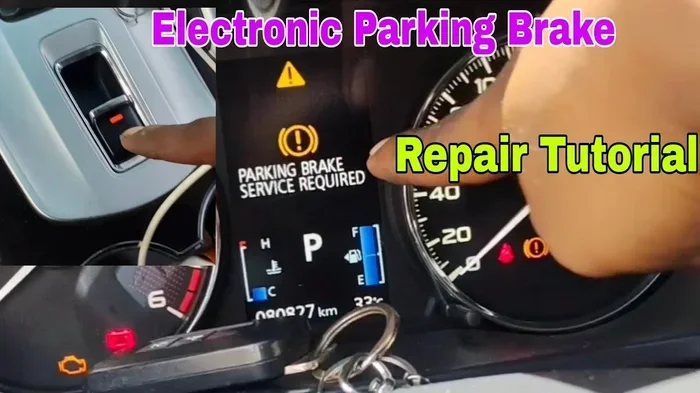
Start by turning the ignition on without starting the engine. Watch the dashboard for any warning lights related to the brake system. The parking brake light usually looks like a “P” inside a circle or an exclamation mark inside a circle.
If the light stays on after you release the parking brake, the system has detected a problem. If the light comes and goes intermittently, the issue may be intermittent wiring or a sensor that is borderline failing.
Important: If you notice other warning lights alongside your brake alert, such as an ABS light or a general brake system light, you should be extra cautious. Check our guide on can I still drive my car if it says engine malfunction to understand what it means when multiple warning lights are on.
Inspect the Brake Fluid Level
Open the hood and locate the brake fluid reservoir. Check the fluid level against the minimum and maximum markings on the side of the reservoir.
- Wipe the top of the reservoir clean before removing the cap to prevent debris from entering.
- Check the fluid color. Fresh brake fluid is clear or light yellow. Dark brown or black fluid needs to be replaced.
- If the level is low, top it off with the correct fluid type.
- Watch for any leaks around the reservoir, lines, or calipers.
If the fluid level is low and you keep needing to add fluid, there is likely a leak somewhere in the system. This requires professional attention immediately.
Test the Brake Actuator
With the engine running and the vehicle in park, press the parking brake button to engage and release the system. Listen carefully for any sounds.
What to listen for:
- A humming or clicking sound means the actuator motor is receiving power and trying to work.
- Silence when you press the button may indicate a dead motor or a broken electrical connection.
- A grinding noise suggests the motor is working but something is mechanically stuck.
If you hear the motor running but the brake does not engage or release, the problem is likely mechanical rather than electrical. This could mean a seized caliper or a broken parking brake cable.
Examine Wiring and Connectors
Locate the wiring harness that runs to the rear of the vehicle where the parking brake actuators are installed. Look for any obvious damage, loose connections, or signs of corrosion.
Use a multimeter to check for continuity in the wiring if you have one. A break in the wire will show up as no continuity, which confirms an electrical fault. Replacing a damaged wire or connector is usually a straightforward and inexpensive fix.
If the wiring looks good and the connectors are clean, the next step is to check the electronic control module itself. However, module failure is relatively rare compared to wiring and actuator issues. Always rule out the simpler causes first.
DIY Fixes You Can Try at Home
Some electronic parking brake problems can be fixed at home with basic tools and a little know-how. Here are three common fixes you can try before visiting a mechanic.
Resetting the Electronic Parking Brake
Sometimes the system simply needs a reset. This is especially true if you have had a battery disconnect or a power interruption that confused the control module.
Here is how to reset your electronic parking brake:
- Turn the ignition to the on position without starting the engine.
- Press and hold the parking brake button for about 10 seconds.
- Release the button and wait 5 seconds.
- Press the button again to engage the parking brake fully.
- Release the button and start the engine.
- Check if the warning light has turned off.
This simple reset clears many minor electrical glitches. If the light comes back on after the reset, the problem is likely more serious and requires further diagnosis.
Replacing the Brake Switch
The brake switch is a small component that tells the control module whether the parking brake is engaged or released. When this switch fails, the system cannot properly determine the brake position.
Replacing a brake switch is one of the easier DIY repairs. The switch is usually located near the parking brake pedal or button. You will need to:
- Disconnect the vehicle battery to prevent electrical shorts.
- Locate the switch and unplug the electrical connector.
- Remove the old switch and install the new one in the same position.
- Reconnect the battery and test the system.
Brake switches are inexpensive parts, usually costing between $15 and $40. Always make sure to get the correct switch for your specific vehicle model.
Clearing Error Codes with an OBD Scanner
An OBD-II scanner is a valuable tool for any car owner. When your electronic parking brake malfunctions, the control module stores an error code that can help you pinpoint the problem.
To use an OBD scanner:
- Plug the scanner into the OBD port, which is usually located under the steering column.
- Turn the ignition to the on position.
- Follow the scanner prompts to read the stored codes.
- Look up the code in the scanner manual or online to understand what it means.
- Clear the code and test drive the vehicle to see if it returns.
If the code returns after clearing, the underlying problem has not been fixed. You will need to address the root cause before the warning light will stay off permanently.
Expert Insight: Many auto parts stores will read OBD codes for free. This is a great first step if you do not own a scanner. The code will tell you whether the problem is with the actuator, sensor, wiring, or control module.
When to See a Professional Mechanic
While many electronic parking brake issues can be resolved at home, some problems require professional tools and expertise. Knowing when to seek help saves you from making costly mistakes.
Signs You Need Expert Help
You should consult a professional mechanic if you experience any of the following:
- The parking brake warning light stays on after you have tried resetting the system.
- The brake actuator makes a loud noise but does not engage or release the brake.
- You smell burning or notice fluid leaking from the brake area.
- The vehicle rolls when the parking brake is engaged, indicating a complete system failure.
- Multiple brake warning lights are on at the same time.
- You have checked the fluid, wiring, and actuator but cannot identify the problem.
Brake system issues are safety-critical. If you are ever unsure whether a repair is safe or complete, it is always better to have a professional take a look. A properly functioning parking brake is essential for keeping your vehicle secure and preventing unintended movement.
What to Expect at the Repair Shop
When you take your vehicle to a mechanic for an electronic parking brake repair, here is what typically happens:
- The technician connects a diagnostic scanner to read the stored error codes.
- They perform a visual inspection of the brake components, wiring, and connectors.
- They test the actuator motor for proper operation and power delivery.
- They inspect the rear brake calipers, pads, and cables for wear or damage.
- They provide a repair estimate based on their findings.
Repair costs vary widely depending on the cause. A simple wiring repair might cost $50 to $150, while replacing an actuator motor could run $200 to $500 or more, depending on your vehicle make and model. Always ask for a detailed breakdown of charges before approving any work.
Quick Tip: Before visiting the shop, write down when the problem started and any specific symptoms you noticed. This information helps the technician diagnose the issue faster and more accurately.
Preventing Future Electronic Parking Brake Problems
The best way to deal with an electronic parking brake malfunction is to prevent one from happening in the first place. A few simple habits can keep your brake system in excellent shape for years to come.
Regular Maintenance Tips
Follow these maintenance practices to keep your parking brake system working reliably:
- Check brake fluid regularly. Inspect the reservoir monthly and top off as needed. Clean the area around the cap before opening to prevent contamination.
- Use the parking brake often. Regular use keeps the cable and actuator mechanism lubricated and prevents seizing. Even if your vehicle has an automatic electronic brake, manually engaging it periodically is a good habit.
- Inspect rear brake pads. Worn pads put extra strain on the parking brake system. Have your rear brakes checked at every tire rotation.
- Keep the connectors clean. Periodically check the electrical connectors at the rear brakes for corrosion. A quick spray of electrical contact cleaner can prevent buildup.
- Follow the service schedule. Your vehicle owner’s manual includes recommended service intervals for brake system inspection. Stick to these schedules to catch problems early.
Driving Habits That Protect Your Brake System
How you drive affects the longevity of your brake components, including the electronic parking brake. Consider these habits:
- Avoid resting your foot on the brake pedal while driving. This creates constant pressure that wears pads unevenly.
- Come to a complete stop before engaging the parking brake. Engaging the brake while the vehicle is still moving can damage the actuator mechanism.
- Release the parking brake fully before driving. Driving with the parking brake even partially engaged causes rapid wear on the rear brake pads and brake rotors.
- Be gentle when using the parking brake in cold weather. Just like how long a car can sit in cold weather affects your vehicle’s systems, cold temperatures can make the parking brake cable and components stiffer and more prone to sticking.
These small changes in your driving routine can significantly extend the life of your electronic parking brake system. Prevention is always cheaper and easier than repair.
Key Takeaway: Your electronic parking brake is a complex system that depends on electrical signals, motors, sensors, and mechanical components all working together. Regular maintenance and attentive driving habits go a long way toward preventing malfunctions.
Final Thoughts on Fixing an Electronic Parking Brake Malfunction
Dealing with an electronic parking brake malfunction can feel overwhelming, but the truth is that most problems have straightforward solutions. Start with the basics, check the fluid and wiring, and work your way up to more complex diagnostics. Many issues can be resolved at home with simple tools and a little patience.
Remember that your parking brake is a critical safety feature. Never ignore a warning light or unusual behavior from the system. If you are unsure about any step in the troubleshooting process, reach out to a qualified mechanic. It is always better to be safe than sorry when it comes to your brake system.
With the knowledge from this guide, you now have the tools to understand, diagnose, and in many cases fix your electronic parking brake problems. Keep this information handy, share it with fellow car owners, and always prioritize safety on the road.
Frequently Asked Questions
Can I still drive my car if the electronic parking brake malfunction light is on?
It depends on whether the parking brake is actually engaged or stuck. If the light is on but the brake releases and functions normally, you can usually drive carefully to a repair shop. However, if the brake is stuck engaged or will not release, you should not drive the vehicle as it can damage the rear brakes and create a safety hazard.
How much does it cost to repair an electronic parking brake malfunction?
Costs vary widely depending on the cause. A simple wiring repair or fuse replacement may cost $50 to $150, while replacing a brake actuator motor can range from $200 to $500 or more. Labor costs also vary by location and vehicle model. Always ask for a detailed estimate before approving any repair work.
What causes the parking brake warning light to come on?
The warning light can come on for several reasons, including low brake fluid, a faulty brake sensor, corroded wiring, a failing actuator motor, or a problem with the electronic control module. Sometimes it is also triggered by a temporary electrical glitch that a simple reset can fix.
Can a dead or weak battery cause the electronic parking brake to malfunction?
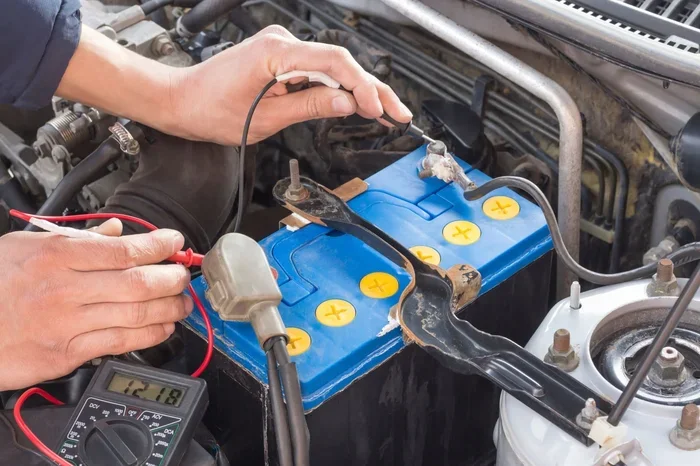
Yes, a weak or dead battery can cause the electronic parking brake to behave erratically. The electronic control module needs a stable power supply to operate correctly. If your battery is low, you may experience intermittent parking brake warnings or a system that will not engage or release properly.
How often should I service my electronic parking brake system?
Your vehicle owner’s manual will specify service intervals, but as a general rule, have the parking brake system inspected every 12,000 to 15,000 miles or during each tire rotation. Regular inspections help catch worn components, low fluid, and electrical issues before they become major problems.
Is it safe to reset the electronic parking brake myself?
Yes, resetting the electronic parking brake is safe and straightforward. The process typically involves turning the ignition on, pressing and holding the parking brake button for several seconds, and then restarting the engine. Always make sure your vehicle is parked on a flat surface and the ignition is off before beginning any work under the hood.