Why Isnt My Dashboard Light Showing And How To Fix
Your dashboard light not working can stem from a blown fuse, burnt-out bulb, faulty dimmer switch, or wiring problem. Understanding the root cause helps you fix the issue quickly and avoid costly trips to the mechanic. This guide walks you through every common reason and the exact steps to restore your dashboard light functionality.
You turn the key, the engine roars to life, but something feels off. You glance at the instrument cluster and… nothing. Your dashboard light is completely dark. It is a strange and slightly unsettling feeling. You cannot see your speed, your fuel level, or any warning indicators.
This problem happens more often than most people realize. Whether you drive a newer car with a digital display or an older model with classic analog gauges, a dark dashboard can be confusing. The good news is that the cause is usually simple. And the fix is often something you can handle yourself at home.
In this article, we will explore every reason your dashboard light might not be working. We will walk you through easy checks you can do right now. We will also cover more complex issues that need a professional touch. By the end, you will know exactly what to do and how to get those lights back on.
Key Takeaways
- Blown Fuse: A blown dashboard light fuse is the most common and easiest fix for a dark instrument cluster.
- Burnt Bulb: Older vehicles rely on replaceable bulbs that wear out over time and cause dim or missing dashboard lights.
- Dimmer Switch Issues: A faulty or accidentally turned-down dimmer switch can make your entire dashboard go dark.
- Wiring and Connection Problems: Corroded or loose wiring behind the dashboard can interrupt power to your instrument cluster.
- Professional Help: Some dashboard light problems require a mechanic, especially when the issue involves the vehicle electrical system or control module.
- Preventive Care: Regular checks of your fuse box and bulbs can prevent dashboard light failures before they happen.
- Safety First: Always disconnect your battery before working on any electrical component inside your car.
📑 Table of Contents
- Common Reasons Your Dashboard Light Is Not Showing
- How To Check Your Dashboard Fuse Step by Step
- Bulb and Wiring Issues You Should Know About
- Step-by-Step Dashboard Light Repair Guide
- When To See a Professional Mechanic
- Preventing Dashboard Light Problems in the Future
- Understanding Your Dashboard Warning Lights
- Common Mistakes People Make When Diagnosing Dashboard Light Problems
- Expert Insights on Dashboard Light Troubleshooting
- Key Takeaways
- Frequently Asked Questions
- Conclusion
Common Reasons Your Dashboard Light Is Not Showing
Before you start tearing apart your car, it helps to understand what could be causing the problem. Several things can make your dashboard light go dark. Let us look at the most common ones.
1. Blown Fuse
A blown fuse is the number one reason for a dead dashboard light. Your car has a fuse box that protects electrical circuits from power surges. When too much current flows through, the fuse blows and breaks the circuit. This cuts power to your instrument cluster entirely.
Check your owner manual for the fuse box location. Most cars have the fuse box under the steering column or under the hood. Look for the fuse labeled “instrument cluster” or “dashboard lights.” Pull it out and inspect it. If the metal strip inside is broken, you have found your problem.
Replacing a fuse is cheap and easy. You can buy replacement fuses at any auto parts store for just a few dollars. Make sure to use a fuse with the same amperage rating. Using the wrong fuse can cause bigger electrical issues.
2. Burnt-Out Dashboard Bulb
Older vehicles use small bulbs behind the instrument cluster to illuminate the gauges. Over time, these bulbs burn out. When one bulb goes, you might lose the entire dashboard light or just certain sections of it.
Replacing a dashboard bulb usually involves removing the trim panel around the instrument cluster. Once you access the back of the cluster, you can swap out the old bulb for a new one. LED bulbs are a great upgrade if your car supports them. They last much longer and shine brighter than traditional incandescent bulbs.
3. Dimmer Switch Problems
Many cars have a dimmer switch on the steering column or the dashboard itself. This switch controls how bright your dashboard light appears. If someone accidentally turns it all the way down, the lights can go completely dark.
Check your dimmer switch first before assuming something is broken. Simply turn it up and see if the lights come back. If the switch feels loose or does not respond, it might be faulty. A broken dimmer switch needs replacement, which is usually a quick and affordable fix.
4. Faulty Wiring or Loose Connections
Behind your dashboard, there is a complex network of wires connecting the instrument cluster to the car electrical system. Over time, these wires can corrode, loosen, or get damaged. A loose connection can interrupt the power supply to your dashboard light.
This is more common in older vehicles or cars that have been through rough conditions. Moisture can get inside the dashboard and cause corrosion. Rodents can also chew through wiring insulation. If you suspect a wiring issue, it is best to have a mechanic inspect the harness thoroughly.
5. Instrument Cluster Failure
In rare cases, the instrument cluster itself can fail. This happens more often in vehicles with digital or semi-digital displays. A glitch in the cluster’s circuit board can cause the entire display to go blank.
Sometimes a simple reset fixes the problem. Disconnect your car battery for about 15 minutes, then reconnect it. This can reset the electrical system and restore power to the cluster. If that does not work, the cluster may need professional repair or replacement.
6. Ground Wire Issues
Every electrical component in your car needs a proper ground connection to work. The ground wire provides a path for electricity to flow back to the battery. If the ground wire for your instrument cluster is corroded or disconnected, the dashboard light will not turn on.
Ground wire problems are tricky to diagnose. You may need to trace the wire from the cluster back to the grounding point on the chassis. Cleaning the connection or replacing the wire usually solves the issue. This is a moderately difficult repair that some car owners handle themselves.
How To Check Your Dashboard Fuse Step by Step
Checking the fuse is the first thing you should do when your dashboard light stops working. It takes just a few minutes and requires no special tools. Here is exactly how to do it.
- Turn off your engine and remove the key from the ignition.
- Locate your fuse box. Check your owner manual if you are not sure where it is. Most cars have more than one fuse box.
- Open the fuse box cover. The cover usually has a diagram showing which fuse controls which circuit.
- Find the fuse for the instrument cluster. Look for labels like “cluster,” “gauges,” or “dashboard lights.”
- Use a fuse puller or needle-nose pliers to gently remove the fuse.
- Inspect the fuse visually. Look through the transparent plastic body. If the metal wire inside is broken, the fuse is blown.
- Replace the fuse with one that has the exact same amperage rating.
- Turn on your ignition and check if the dashboard light comes back on.
If the new fuse blows again right away, you have a deeper electrical problem. Do not keep replacing the fuse. This can damage other components. Take your car to a mechanic for a thorough inspection.
Bulb and Wiring Issues You Should Know About
If your fuse is fine, the next most likely culprit is the bulb or the wiring. Let us dig deeper into these issues.
Identifying Burnt-Out Bulbs
Not all cars use the same type of bulb for the instrument cluster. Some use wedge-style bulbs, while others use wedge-based LED bulbs. Check your owner manual for the correct bulb type and part number.
To test if a bulb is burnt out, you can use a simple multimeter. Set it to continuity mode and touch the probes to the bulb’s contacts. If there is no continuity, the bulb is dead. Replacing it is straightforward and usually takes less than 10 minutes.
Dealing With Corroded Wiring
Corrosion is a silent killer of car electronics. Moisture can seep into the connector behind the instrument cluster and cause green or white buildup on the pins. This prevents electricity from flowing properly.
You can clean corroded connectors with a small amount of electrical contact cleaner and a soft brush. Spray the cleaner on the connector pins and gently scrub away the corrosion. Let it dry completely before reconnecting everything.
For more serious wiring damage, you may need to replace sections of the harness. This is a more involved repair that benefits from professional help. A mechanic can trace the damaged wire and install a new section safely.
Quick Tips for Dashboard Light Maintenance
- Check your dashboard lights once a month by turning the ignition on without starting the engine.
- Keep a spare fuse in your glove box at all times.
- Use dielectric grease on bulb sockets to prevent corrosion.
- Avoid using aftermarket bulbs with higher wattage than recommended.
- Clean the back of the instrument cluster periodically to prevent dust buildup.
Step-by-Step Dashboard Light Repair Guide
Now that you know the common causes, let us walk through the actual repair process. Follow these steps carefully and you can save money on a mechanic visit.
Step 1: Gather Your Tools
Before you start, make sure you have the right tools on hand. You will need a screwdriver set, a fuse puller or needle-nose pliers, a replacement fuse, a multimeter, and the correct replacement bulb. Having everything ready makes the process much smoother.
Step 2: Inspect the Fuse Box
Start with the fuse check we described earlier. This is the easiest and most common fix. A blown fuse costs pennies to replace and takes less than a minute to swap out.
Step 3: Test the Dimmer Switch
Locate the dimmer switch and test it by adjusting it through its full range. If the dashboard light flickers or comes on at certain positions, the switch is working but may need cleaning. A small amount of contact cleaner sprayed into the switch can often fix this.
Step 4: Access the Instrument Cluster
If the fuse and dimmer switch are fine, you need to get behind the instrument cluster. Remove the steering column covers and any trim panels blocking access. Take photos as you go so you remember where everything goes back.
Step 5: Check the Bulbs and Connectors
Once you can see the back of the cluster, inspect the bulbs and wiring connectors. Look for burnt bulbs, corroded pins, or loose connections. Replace any damaged bulbs and clean any corroded connectors.
Step 6: Reassemble and Test
Put everything back together in reverse order. Reconnect the battery and turn the ignition on. Check if all the dashboard light indicators are working properly. Test every gauge and warning light to make sure nothing is missed.
When To See a Professional Mechanic
Not every dashboard light problem is a DIY fix. Some issues are beyond the scope of a weekend garage project. Knowing when to call a professional can save you time and prevent further damage.
If you have checked the fuse, the bulbs, and the dimmer switch, and the dashboard light still does not work, it is time to see a mechanic. The problem might involve the vehicle electrical system or a control module that requires specialized diagnostic equipment.
Also, if you notice other electrical problems in your car, such as flickering headlights or power windows that stop working, these could be signs of a larger electrical issue. A mechanic can run a full diagnostic on your car electrical system and identify the root cause.
Warning signs that you need professional help include:
- Fuses that keep blowing repeatedly
- Burning smell coming from the dashboard area
- Multiple electrical systems failing at once
- Dashboard lights that work intermittently
- Visible damage to the wiring harness
A qualified mechanic has the tools and experience to diagnose these complex problems safely. Do not hesitate to seek professional help when the issue goes beyond simple fixes.
Preventing Dashboard Light Problems in the Future
The best way to deal with a dark dashboard light is to prevent the problem from happening in the first place. Regular maintenance and simple habits can keep your instrument cluster working perfectly for years.
Start by making fuse checks part of your routine car maintenance. A quick visual inspection every few months can catch a weak fuse before it completely fails. Keep spare fuses of all common amperages in your glove box.
Protect your car from moisture. Check the seals around your doors and windows regularly. Moisture intrusion is one of the leading causes of electrical corrosion in vehicles. If you notice water inside your car, address it immediately before it damages the wiring.
Use quality replacement parts. When a bulb or fuse goes out, choose OEM or high-quality aftermarket parts. Cheap replacements may save a few dollars now but can fail much sooner, causing the same problem to return.
Finally, pay attention to your instrument cluster while driving. If you notice any lights flickering or dimming, investigate the issue right away. Catching small problems early prevents them from turning into expensive repairs later.
Understanding Your Dashboard Warning Lights
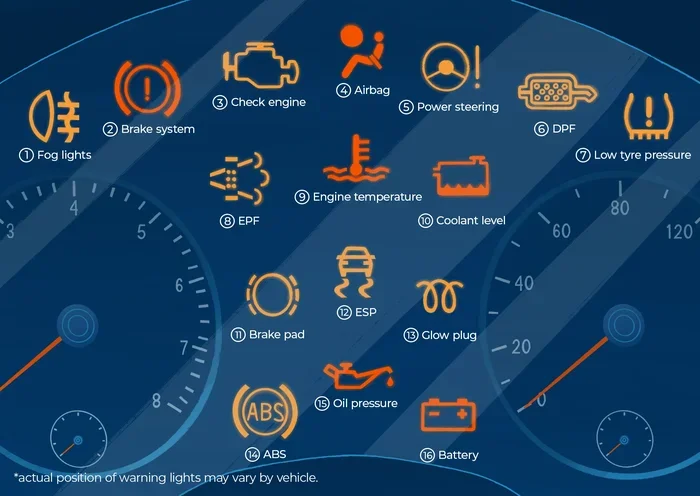
Your dashboard light system does more than just illuminate the gauges. It also displays warning lights that alert you to potential problems with your vehicle. Understanding these lights is essential for safe driving.
Red warning lights usually indicate serious issues that need immediate attention. These include the oil pressure warning, battery warning, and brake system warning. If any red light comes on, pull over safely and address the issue right away.
Yellow or amber warning lights indicate less urgent problems. The check engine light, tire pressure warning, and ABS warning all fall into this category. These lights mean you should get your car inspected soon but do not require immediate action.
Green and blue lights are simply informational. They show you when features like high beams, cruise control, or eco mode are active. These lights are normal and nothing to worry about.
Knowing what each light means helps you respond appropriately. A dark dashboard light makes it impossible to see these warnings, which is another reason fixing the issue quickly is so important.
Common Mistakes People Make When Diagnosing Dashboard Light Problems
There are several mistakes car owners commonly make when their dashboard light stops working. Avoiding these errors can save you time and frustration.
The first mistake is assuming the problem is complicated. Most of the time, it is something simple like a blown fuse or a burnt-out bulb. Always start with the easiest checks before moving on to complex repairs.
The second mistake is using the wrong replacement fuse. Every fuse has a specific amperage rating designed for a particular circuit. Using a higher-rated fuse can allow too much current through and damage the wiring or the instrument cluster.
The third mistake is ignoring moisture damage. If your car has been exposed to water or high humidity, the wiring behind the dashboard may be corroded. Addressing moisture issues early prevents long-term electrical damage.
The fourth mistake is trying to fix everything without disconnecting the battery. Working on electrical components with the battery connected can cause shorts and potentially damage other systems. Always disconnect the negative battery terminal first.
Avoiding these common mistakes will make your repair process smoother and safer. It also helps you get the right fix the first time.
Expert Insights on Dashboard Light Troubleshooting
Experienced mechanics agree that the majority of dashboard light failures come down to three things: fuses, bulbs, and switches. These simple components are the foundation of your instrument cluster’s electrical system.
Many shops report that customers bring their cars in for expensive diagnostics when the real issue is a single blown fuse. This is why learning basic troubleshooting skills is so valuable. You can often solve the problem in minutes without spending a dime on a shop visit.
Modern vehicles with advanced digital dashboards can present more complex challenges. Software glitches, sensor failures, and module communication errors can all cause the dashboard light to go dark. These issues require specialized diagnostic tools that only professional shops have.
Regardless of your vehicle’s age or technology level, the troubleshooting process starts the same way. Check the simple things first. Work your way up to the complex issues. This systematic approach saves time and money every single time.
Key Takeaways
- Blown Fuse: A blown dashboard light fuse is the most common and easiest fix for a dark instrument cluster.
- Burnt Bulb: Older vehicles rely on replaceable bulbs that wear out over time and cause dim or missing dashboard lights.
- Dimmer Switch Issues: A faulty or accidentally turned-down dimmer switch can make your entire dashboard go dark.
- Wiring and Connection Problems: Corroded or loose wiring behind the dashboard can interrupt power to your instrument cluster.
- Professional Help: Some dashboard light problems require a mechanic, especially when the issue involves the vehicle electrical system or control module.
- Preventive Care: Regular checks of your fuse box and bulbs can prevent dashboard light failures before they happen.
- Safety First: Always disconnect your battery before working on any electrical component inside your car.
Frequently Asked Questions
Why did my dashboard light suddenly stop working?
The most common reason is a blown fuse. Other causes include a burnt-out bulb, a faulty dimmer switch, or a loose wiring connection. Start by checking the fuse box because it is the quickest and easiest fix.
Can a dead battery cause dashboard lights not to work?
Yes, a weak or dead battery can cause your dashboard light to dim or go out completely. If the battery cannot supply enough power, the instrument cluster may not receive the voltage it needs to illuminate properly.
Is it safe to drive with no dashboard lights?
It is not recommended. Without functioning dashboard lights, you cannot see your speed, fuel level, or warning indicators. This makes driving unsafe, especially at night or in low-light conditions. Fix the issue before driving the car.
How much does it cost to fix a dashboard light?
The cost depends on the cause. Replacing a fuse costs just a few dollars. A bulb replacement might run $5 to $20. If the issue involves wiring or the instrument cluster itself, costs can range from $100 to $500 or more, depending on the vehicle and the repair needed.
How do I know if my dimmer switch is bad?
If adjusting the dimmer switch has no effect on the dashboard light brightness, the switch may be faulty. You can test it with a multimeter to check for continuity. If there is no continuity when the switch is adjusted, it needs replacement.
Should I replace all dashboard bulbs at once?
Yes, this is a good practice. If one bulb has burned out, the others are likely close to failing too. Replacing all bulbs at once prevents another one from going out a few weeks later and saves you the trouble of doing the job twice.
Conclusion
A dark dashboard light is a common problem with straightforward solutions. Most of the time, the fix is as simple as replacing a fuse or a bulb. By following the steps in this guide, you can diagnose and repair the issue yourself in most cases.
Start with the basics. Check the fuse, test the dimmer switch, and inspect the bulbs. These simple checks solve the majority of dashboard light problems. If the issue is more complex, do not hesitate to visit a trusted mechanic who can diagnose the problem with professional tools.
Taking care of your vehicle electrical system pays off in the long run. Regular maintenance and prompt attention to warning signs keep your car running safely and reliably. Now that you know how to troubleshoot a dark dashboard, you are better equipped to handle the problem whenever it comes up. Get under the hood, follow these steps, and get those lights back on today.