How Much Should You Pay Someone for an Oil Change
Most drivers should expect to pay between $35 and $75 for a standard oil change, but the final oil change cost depends on several key factors like oil type, vehicle model, and where you go. Understanding what drives the oil change price helps you avoid overpaying and makes sure your car gets the right maintenance service every time.
So you just got back from the auto shop and the bill for an oil change made you do a double take. Or maybe you’ve been putting it off because you have no idea what a fair price even looks like. Either way, you are not alone. How much should you pay someone for an oil change is one of the most common questions car owners ask, and for good reason.
The truth is, there is no single magic number. The oil change cost varies based on your vehicle, the type of oil you use, where you go, and a few other factors. In this guide, we break it all down so you know exactly what to expect and how to avoid overpaying. Whether you are heading to a quick lube shop or scheduling a maintenance schedule appointment at a dealership, this article has you covered.
Key Takeaways
- Average Cost Range: A basic oil change typically costs between $35 and $75, while synthetic oil changes can run $65 to $125 depending on your vehicle.
- Oil Type Matters: Conventional, synthetic blend, and full synthetic oil all come with different price points that affect your total bill.
- Location Affects Price: Dealerships, quick lube shops, and independent mechanics all charge different rates for the same basic service.
- You Can Save Money: Using coupons, doing it yourself, or negotiating can significantly lower what you pay.
- Don’t Skip It: Regular oil changes protect your engine and prevent costly repairs down the road.
📑 Table of Contents
- What Determines the Oil Change Price
- Average Oil Change Cost Breakdown
- How Often Should You Change Your Oil
- Does the Brand of Oil Really Matter
- Common Mistakes People Make with Oil Changes
- Can You Negotiate the Oil Change Price
- When to Choose a Dealership vs. an Independent Shop
- Key Takeaways
- Conclusion
What Determines the Oil Change Price
Before we get into specific numbers, it helps to understand what actually goes into an oil change. The price you see on the final bill is not just about the oil itself. Several factors come together to set the oil change price you end up paying.
Type of Oil You Use
The biggest factor in oil change pricing is the type of oil your car needs. There are three main options on the market:
- Conventional Oil: This is the most basic and affordable option. It works well for older vehicles or those with simpler engines. You can expect to pay around $35 to $50 for a conventional oil change.
- Synthetic Blend: A mix of conventional and synthetic oils that offers better protection than conventional alone. The synthetic oil change price usually falls between $50 and $80.
- Full Synthetic Oil: The top-tier option that provides the best engine protection and performance. It costs more upfront but lasts longer between changes. Expect to pay $65 to $125 depending on your vehicle.
Choosing the right oil type for car depends on your manufacturer’s recommendations, your driving habits, and your climate. If you are unsure, check your owner’s manual or ask the service advisor at your local shop.
Your Vehicle Model and Engine
Not all oil changes are created equal. A compact sedan needs less oil than a full-size truck or SUV. Larger engines require more oil, which directly increases the oil change cost. Some vehicles also have special filter requirements or need additional fluids topped off during the service.
For example, a Toyota Camry might need a standard oil change that costs around $45 to $65. A larger vehicle like a Toyota Tundra or a truck with a bigger engine could cost $70 to $100 or more. Luxury brands and European vehicles often fall on the higher end because they require specific oil formulations.
Where You Get the Oil Change
The location you choose plays a big role in what you pay. Here is a quick look at the main options:
- Dealerships: These tend to charge the most, often $70 to $125. However, they use factory-approved parts and oils, and the service is logged in your warranty record.
- Quick Lube Shops: Places like Jiffy Lube or similar chains offer competitive pricing, usually $40 to $70. They are fast and convenient.
- Independent Mechanics: Often the best value, with prices ranging from $35 to $65. You get personalized service and usually lower overhead costs.
- DIY: If you are handy, doing it yourself can bring the cost down to $20 to $40 for supplies. Want to learn more about handling this yourself? Check out our guide on Can You Do An Oil And Filter Change Yourself.
Average Oil Change Cost Breakdown
Let us get into the numbers. Understanding what makes up the total bill helps you feel confident when you pay. Here is a detailed look at the average costs you can expect.
Basic Oil Change with Conventional Oil
A standard oil change with conventional oil and a standard filter typically costs between $35 and $55. This covers the oil, the filter, and basic labor. Most economy vehicles fall into this range. It is the most affordable option and works perfectly for vehicles with simpler engines or older models.
Synthetic Oil Change
If your car requires full synthetic oil, you will pay more. The synthetic oil change price usually ranges from $65 to $125. The higher cost comes from the premium oil itself, which is engineered for better performance and longer intervals between changes. Many newer vehicles and high-performance engines require synthetic oil.
High Mileage Oil Change
Vehicles with over 75,000 miles often benefit from high mileage oil. This specialized formula includes additives that help seal leaks and reduce wear in older engines. The cost is similar to synthetic oil changes, typically $60 to $100.
| Oil Type | Average Cost Range | Best For |
|---|---|---|
| Conventional | $35 – $55 | Older vehicles, low-mileage drivers |
| Synthetic Blend | $50 – $80 | Moderate climate driving |
| Full Synthetic | $65 – $125 | Newer vehicles, high-performance engines |
| High Mileage | $60 – $100 | Vehicles with 75,000+ miles |
How Often Should You Change Your Oil
Knowing the oil change frequency is just as important as knowing the cost. Changing your oil too often wastes money, and changing it too rarely can damage your engine. Here is what you need to know.
Traditional Rule vs. Modern Recommendations
For years, the standard advice was to change your oil every 3,000 miles or three months, whichever came first. Modern engines and improved oils have changed that. Many newer vehicles can go 5,000 to 7,500 miles between changes when using synthetic oil. Some manufacturers even recommend intervals of 10,000 miles for full synthetic.
Want to know when your specific vehicle is due? Check your dashboard’s oil life monitoring system. If you are curious about how that system works and when to act on it, our article on At What Percent Oil Life Should You Change Oil covers this in detail.
Factors That Shorten Oil Change Intervals
Certain driving conditions mean you need to change your oil more often. These include:
- Frequent short trips under five miles
- Driving in extreme heat or cold
- Towing heavy loads or trailer use
- Stop-and-go city driving
- Dusty or off-road conditions
If any of these apply to your driving habits, stick closer to the shorter end of the recommended interval. Your engine will thank you.
Does the Brand of Oil Really Matter
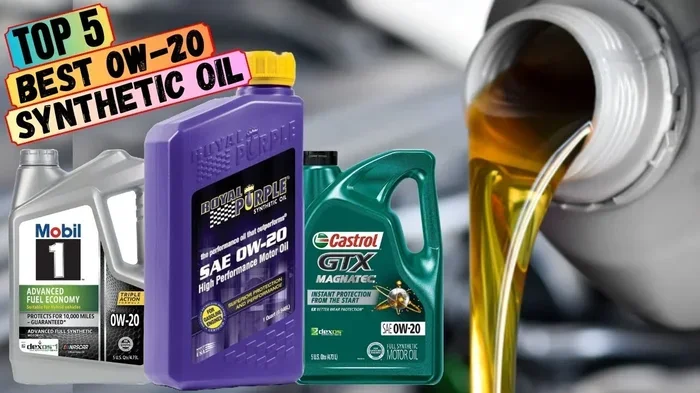
Walk into any auto parts store and you will see shelves lined with different brands of motor oil. Castrol, Mobil 1, Valvoline, Pennzoil, and dozens of others all compete for your attention. So does the brand actually matter when it comes to oil change cost and engine protection?
The short answer is yes and no. What matters most is meeting your vehicle’s specifications for viscosity (like 5W-30 or 0W-20) and certification (like API SN or SP). As long as the oil meets those standards, the brand you choose will not make a huge difference in engine performance.
However, premium brands often come with better additive packages that can extend oil life and provide extra protection. If you are debating whether it is worth spending more on a name-brand oil, check out our article on Does It Really Matter What Oil I Put In My Car for a deeper dive into this topic.
Quick Tips to Save on Oil Changes
Saving money on your next oil change is easier than you think. Here are some practical tips:
- Look for coupons: Most chain shops and dealerships offer monthly coupons, especially for new customers.
- Ask about loyalty programs: Many quick lube shops have rewards programs that give you discounts on repeat visits.
- Check for oil change coupons: Websites like RetailMeNot and the shop’s own site often have printable or digital discounts.
- Stick to the recommended interval: Do not let the shop upsell you on shorter intervals than your vehicle actually needs.
- Bring your own oil: Some independent shops will install oil you purchase yourself, saving you the markup.
Expert Insight
Many drivers overpay for oil changes because they do not ask questions. Always ask for an itemized breakdown of the bill. You should see the cost of oil, the filter, labor, and any applicable tax. If something does not look right, speak up. A reputable shop will be happy to explain every charge.
Common Mistakes People Make with Oil Changes
Even well-meaning car owners make mistakes when it comes to oil changes. Avoiding these common errors can save you money and keep your engine running strong.
Waiting Too Long Between Changes
It is tempting to push the next oil change a few hundred miles further, especially when life gets busy. But old oil breaks down and loses its ability to lubricate and protect your engine. Over time, this leads to increased wear and potentially expensive repairs. Stay on top of your maintenance schedule and do not skip oil changes.
Using the Wrong Oil
Putting the wrong weight or type of oil in your engine can cause serious problems. Always match the oil to your manufacturer’s specifications. If you are unsure, your owner’s manual has all the details you need.
Ignoring the Oil Filter
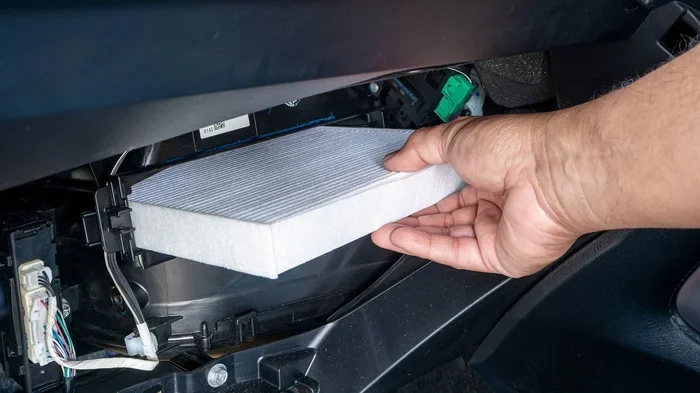
Some shops will try to skip the oil filter replacement or use a cheap aftermarket filter. The oil filter traps contaminants and keeps your oil clean. Always make sure a new filter is installed with every oil change. If you want to handle this yourself, check out our guide on Can You Do An Oil And Filter Change Yourself.
Not Checking for Leaks After the Service
After an oil change, always look under your car for any fresh oil spots. A loose drain plug or a poorly seated filter can cause leaks. Catching this early prevents engine damage and costly repairs.
Can You Negotiate the Oil Change Price
The short answer is yes, you can often negotiate the price of an oil change, especially at independent shops and dealerships. But there is a right way to do it.
Start by checking what competitors in your area charge. If you find a lower price elsewhere, mention it to the shop you plan to visit. Many will match or beat the competitor’s price, especially if you are a returning customer.
For more tips on this topic, our article on Can You Negotiate Oil Change Price goes deeper into the negotiation strategies that actually work.
Also, keep in mind that some shops include extra services in their quoted price, like a multi-point inspection, tire rotation, or fluid top-offs. These add-ons can make the deal feel more valuable, even if the base oil change price is slightly higher.
When to Choose a Dealership vs. an Independent Shop
This is a decision many car owners face, and the right answer depends on your situation.
Choose a Dealership If
- Your vehicle is still under warranty
- You drive a luxury or specialty brand
- You want factory-approved parts and oils
- You want the service recorded in your maintenance history
Choose an Independent Shop If
- Your warranty has expired
- You want to save money
- You prefer personalized service
- You have a relationship with a trusted local mechanic
For newer vehicles, it is especially important to check your warranty terms. Some manufacturers require oil changes to be done at authorized dealers to keep the warranty valid. If you own a Toyota and are wondering about this, check out our article on Can I Take My Toyota To Any Dealership For Warranty Work.
Key Takeaways
- Average Cost Range: A basic oil change typically costs between $35 and $75, while synthetic oil changes can run $65 to $125 depending on your vehicle.
- Oil Type Matters: Conventional, synthetic blend, and full synthetic oil all come with different price points that affect your total bill.
- Location Affects Price: Dealerships, quick lube shops, and independent mechanics all charge different rates for the same basic service.
- You Can Save Money: Using coupons, doing it yourself, or negotiating can significantly lower what you pay.
- Don’t Skip It: Regular oil changes protect your engine and prevent costly repairs down the road.
- Know Your Vehicle: Always use the oil type and weight recommended by your manufacturer to avoid engine damage.
- Ask Questions: An itemized bill and clear communication with your service provider ensure you are not overpaying.
Conclusion
The oil change cost is one of the most routine expenses of car ownership, but it does not have to be a mystery. Now you know that a fair price for a standard oil change falls between $35 and $75, with synthetic options running higher. The key is understanding what drives the oil change price so you can make informed decisions and avoid paying more than you should.
Whether you choose a dealership, a quick lube shop, or an independent mechanic, the most important thing is that you keep up with your oil change frequency and use the right oil type for car. Skipping or delaying oil changes is a false economy that can lead to engine damage and expensive repairs.
Use the tips in this article to find the best value, ask the right questions, and keep your car running smoothly for years to come. Your engine is the heart of your vehicle, and a regular oil change service is the simplest way to protect it.
Frequently Asked Questions
Is $50 a good price for an oil change?
Yes, $50 is a very reasonable price for a standard conventional oil change at most quick lube shops or independent mechanics. It covers the oil, filter, and labor. If a shop charges significantly more than $50 for a basic conventional oil change, it is worth asking for an itemized breakdown or checking a competitor’s pricing.
How much does a synthetic oil change cost on average?
A full synthetic oil change typically costs between $65 and $125, depending on your vehicle and location. Luxury vehicles and trucks with larger engines tend to fall on the higher end of that range. The extra cost is worth it for the improved engine protection and longer intervals between changes.
Can I just add oil instead of getting a full oil change?
Adding oil is a temporary fix, not a replacement for a full oil change. Over time, contaminants build up in the old oil, and the additives break down. A full oil change replaces the old oil and filter, giving your engine fresh, clean lubrication. For the best engine health, stick with regular oil changes at the recommended intervals.
Does insurance cover the cost of an oil change?
No, car insurance does not cover oil changes. Oil changes are considered routine maintenance, not a covered repair or incident. However, some manufacturers or dealerships offer prepaid maintenance plans or loyalty programs that can reduce the cost over time.
How long does an oil change take?
A standard oil change at a quick lube shop typically takes 15 to 30 minutes. Dealerships may take longer, around 30 to 60 minutes, because they often include additional inspections and checks. If you are doing it yourself at home, plan for about 30 to 45 minutes the first time.
What happens if I skip an oil change?
Skipping an oil change allows old, dirty oil to circulate through your engine. This reduces lubrication, increases friction, and can lead to overheating and engine wear. Over time, neglected oil changes can result in costly engine repairs or even engine failure. Staying on top of your oil change interval is one of the easiest ways to protect your vehicle.