How Much Should Four Used Tires Cost You Right Now
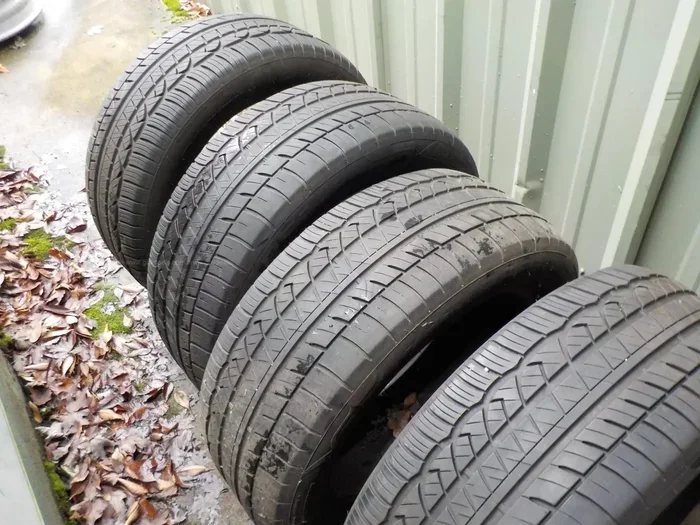
Four used tires should cost between $100 and $400, depending on brand, size, and condition. Buying secondhand tires is one of the smartest ways to save money on car maintenance without sacrificing safety. This guide breaks down exactly what you should pay, what to look for, and how to avoid bad deals.
Letting go of the idea that you need to spend a fortune on tires is a game changer. If you have been searching for affordable rubber tires, you are not alone. Many drivers wonder whether buying used tires is a smart move or just a risky gamble. The truth is, four used tires can cost you a fraction of what new ones demand, and they can still keep you safe on the road.
In this guide, we will walk through everything you need to know about used tire prices. You will learn how much you should spend, where to find the best deals, and how to spot a tire that is worth your money. Whether you are on a tight budget or just want to get the most value for your dollar, this article has you covered. Let us dive right in.
Key Takeaways
- Average Price Range: Expect to pay $100 to $400 for a full set of four used tires, with most drivers spending around $200 to $300.
- Tread Depth Matters Most: Always check tread depth with a gauge. Safe tires should have at least 4/32 of an inch remaining.
- Age Is Critical: Tires older than six years can be dangerous, even if they look fine on the outside.
- Buy from Reputable Sources: Tire shops, online marketplaces, and certified resellers offer the best value and warranties.
- Inspect Before You Buy: Look for cracks, bulges, uneven wear, and proper inflation before purchasing any used set.
- Compare New vs Used: Used tires can save you 50% or more compared to brand-new options, making them a smart budget choice.
📑 Table of Contents
- How Much Should Four Used Tires Actually Cost?
- Where to Buy Four Used Tires
- How to Inspect Used Tires Before Buying
- Used vs New Tires: Which Is the Better Deal?
- Common Mistakes to Avoid When Buying Used Tires
- How to Get the Most Value Out of Your Used Tires
- Are Used Tires Safe?
- Final Thoughts on Used Tire Pricing
How Much Should Four Used Tires Actually Cost?
The short answer is that most sets of four used tires fall between $100 and $400. But the real answer depends on several factors. Tire size, brand, tread depth, and where you buy all play a role in the final price tag. A set of used all-season tires from a well-known brand like Michelin or Goodyear will cost more than a no-name set from a garage sale. And that is okay.
Here is a quick breakdown of what you might expect to pay:
- Budget Used Tires: $80 to $150 for a full set of four. These are usually older tires with moderate wear.
- Mid-Range Used Tires: $150 to $300 for a full set. These tires have decent tread life left and come from trusted brands.
- Premium Used Tires: $300 to $400 or more. These are nearly new tires from premium brands with plenty of tread remaining.
When you compare these prices to new tires, the savings are significant. A set of four brand-new tires can easily run $400 to $800 or more. That is why so many drivers turn to the used tire market every year. Just like when you are researching the cost of windshield replacement of a car, understanding what you should pay helps you make a confident decision.
What Drives the Price of Used Tires?
Several factors influence how much used tires go for. Understanding these will help you negotiate better deals and avoid overpaying.
Tire Size: Larger tires, like those found on trucks and SUVs, cost more than smaller tires for sedans and compact cars. A set of 18-inch or 20-inch used tires will always cost more than 15-inch tires.
Brand Reputation: Well-known brands hold their value even in the used market. Tires from Continental, Bridgestone, and Pirelli tend to cost more because buyers trust their performance and durability.
Tread Depth: The more tread a tire has left, the higher the price. New tires typically start with about 10/32 of an inch of tread. A used tire with 6/32 or more still has plenty of life left, and buyers will pay closer to the higher end of the price range.
Season Type: All-season tires are the most common in the used market. Winter tires and summer performance tires may cost more or less depending on demand in your area.
Where to Buy Four Used Tires
Not all places to buy used tires are created equal. Some offer great deals with warranties, while others might leave you with unsafe rubber. Here are the best places to look for affordable tires.
Local Tire Shops
Many tire shops sell used tires alongside new ones. These shops often inspect the tires before putting them on the rack. You get the benefit of expert advice and a safer purchase. Some shops even offer a short warranty on used tires, which gives you peace of mind.
Online Marketplaces
Websites like Facebook Marketplace, Craigslist, and OfferUp are popular spots for used tire deals. You can often find private sellers looking to get rid of tires cheaply. The downside is that you take on more risk. You cannot always see the tires in person before buying, and there is no warranty. Always ask for clear photos and details about age and tread depth before committing.
Salvage Yards and Tire Retailers
Salvage yards sometimes have tires that came off vehicles that were totaled. These tires can be a steal if they are in good condition. Dedicated tire retailers that specialize in used and refurbished tires are also worth checking out. They often clean, inspect, and certify the tires before selling them.
Auto Parts Stores
Some auto parts stores carry used tires, especially in areas with high demand. Stores like Discount Tire and Tire Rack sometimes have used tire sections. These tend to be more reliable than random online sellers because the store stands behind its products.
How to Inspect Used Tires Before Buying
Never buy used tires without inspecting them first. A quick check can tell you whether a tire is safe or a ticking time bomb. Here is what to look for.
Check the Tread Depth
Use a tread gauge to measure the remaining tread. Tires are legally worn out at 2/32 of an inch, but experts recommend replacing them at 4/32 for safer stopping distances. If a tire has less than 4/32 of tread, it is getting close to the end of its life. You can also use the penny test: insert a penny into the tread with Lincoln’s head facing down. If you can see the top of his head, the tire needs replacing.
Look for Cracks and Dry Rot
Run your fingers along the sidewall of each tire. Cracks, dry rot, or brittle rubber mean the tire has been sitting too long or exposed to too much sun. These tires can fail suddenly, even if the tread looks fine. This is one of the most important safety checks you can do.
Check for Bulges and Blisters
Bulges on the sidewall mean the inner liner has been damaged. Air is leaking into the outer layers of the tire, creating a weak spot. A tire with a bulge can blow out at any speed. Walk away from any tire with this kind of damage.
Check the Tire Age
Every tire has a DOT code on the sidewall. The last four digits tell you the week and year the tire was manufactured. For example, a code ending in 2521 means the tire was made in the 25th week of 2021. Tires older than six years should be avoided, even if they look great. Rubber degrades over time, and older tires are more prone to failure.
Look for Uneven Wear
Uneven wear patterns can signal alignment or suspension problems in the vehicle the tires came from. If the inside or outside of the tread is worn more than the rest, that tire may not perform well on your car. It could also mean the previous owner did not rotate the tires regularly.
Used vs New Tires: Which Is the Better Deal?
This is a question many drivers ask, and the answer depends on your situation. Let us compare the two options side by side.
| Factor | Used Tires | New Tires |
|---|---|---|
| Price for Set of Four | $100 to $400 | $400 to $800+ |
| Tread Life Remaining | Varies, usually 30% to 70% | 100% |
| Warranty | Limited or none | Full manufacturer warranty |
| Safety Risk | Higher if not inspected | Lowest |
| Availability | Depends on local market | Always available |
| Best For | Budget-conscious drivers | Long-term ownership |
Used tires are the clear winner for drivers who need to save money right now. They can still provide safe and reliable performance if you choose wisely. New tires are better if you plan to keep the car for a long time or need maximum safety and performance.
Think of it this way. If you already have an older vehicle and your priority is keeping costs low, used tires make perfect sense. But if you just bought a new car and want the best performance possible, investing in new tires is the way to go. This is similar to deciding whether to buy a used car versus a new one. Both have their place.
Common Mistakes to Avoid When Buying Used Tires
Buying used tires can save you a lot of money, but mistakes can cost you even more. Here are the most common pitfalls to watch out for.
- Skipping the Age Check: Never buy a tire without checking the DOT code. An old tire with plenty of tread is still a dangerous tire. Rubber breaks down over time, and age-related failures can happen without warning.
- Ignoring the DOT Code: Some sellers will try to hide the DOT code or position the tire so you cannot see it. Always ask to see the full sidewall before purchasing.
- Buying Based on Looks Alone: A tire that looks clean on the outside can have internal damage. Always do a full inspection, including checking for air leaks and sidewall damage.
- Not Matching Tires: All four tires should be the same brand, size, and model. Mixing different tires can cause handling problems, poor traction, and uneven wear. If you are replacing only two tires, put the new ones on the rear axle for better stability.
- Skipping the Test Drive: If possible, test the tires on the vehicle before finalizing the purchase. Listen for unusual noises and feel for vibrations. These can be signs of tire problems.
How to Get the Most Value Out of Your Used Tires
Once you have bought your set of four used tires, you want to make them last as long as possible. Here are some tips to stretch your investment.
Rotate Your Tires Regularly: Rotating your tires every 5,000 to 7,500 miles helps them wear evenly. Even wear means longer life and better performance. This is one of the simplest things you can do to protect your investment.
Keep Them Properly Inflated: Check your tire pressure at least once a month. Underinflated tires wear out faster and reduce fuel efficiency. Overinflated tires give a harsh ride and wear unevenly. Keep your pressure at the level recommended by your car’s manufacturer.
Get a Wheel Alignment: If you notice your car pulling to one side or the steering wheel shaking, get a wheel alignment. Poor alignment can wear out tires in just a few thousand miles. A proper alignment can add months or even years to the life of your used tires.
Store Tires Properly: If you are switching between seasonal tires, store them in a cool, dry place away from direct sunlight. UV rays and heat break down rubber faster. A tire cover or opaque storage bag helps protect them.
Inspect Before Every Road Trip: Before any long drive, give your tires a quick visual inspection. Look for nails, screws, cuts, or anything that seems out of place. Catching a small problem early can save you from a roadside emergency. This is just as important as staying on top of your oil life percentage, which you can learn more about at our guide on when to change your oil.
Are Used Tires Safe?
This is the question that stops many drivers from buying used tires, and it is a valid concern. The truth is, used tires can be perfectly safe if you buy the right ones and take the time to inspect them. The key is knowing what to look for and where to buy.
Tires that are less than three years old with at least 5/32 of tread remaining are generally safe for daily driving. Tires that have been properly stored and maintained can last for many more years. The danger comes from old, neglected tires that have been exposed to the elements or driven well past their safe limits.
Think of it this way. When you check whether you can drive your car with too much oil in it, you are taking a safety precaution. The same mindset applies to used tires. A little extra care goes a long way toward keeping you and your passengers safe.
If you are ever unsure about a tire’s condition, have a trusted mechanic inspect it before you install it on your car. A quick inspection can save you from a costly mistake or, worse, a dangerous situation on the road.
Final Thoughts on Used Tire Pricing
So, how much should four used tires cost you? The answer is somewhere between $100 and $400, but the real value comes from knowing what you are getting. Used tires are an excellent way to save money on car maintenance without putting your safety at risk. Just make sure you do your homework, inspect every tire carefully, and buy from a reputable source.
The next time you need a new set of tires, skip the sticker shock of brand-new prices and explore the used tire market. With the right approach, you can get safe, reliable rubber for a fraction of the cost. Your wallet will thank you, and your car will roll smoothly for miles to come.
Remember, buying used tires is all about balance. You want to save money, but you also want peace of mind. Take your time, ask questions, and never compromise on safety. A smart tire purchase today can keep you rolling safely for thousands of miles down the road.
Frequently Asked Questions
How much should I expect to pay for four used tires?
Most drivers pay between $100 and $400 for a full set of four used tires. The exact price depends on the brand, size, and condition of the tires. Budget sets may cost as little as $80, while premium used tires from well-known brands can reach $400 or more.
Are used tires worth buying compared to new ones?
Yes, used tires are worth buying if you are on a budget and take the time to inspect them properly. You can save 50% or more compared to new tires. The key is to check tread depth, age, and overall condition before making a purchase. A well-chosen used tire can last for years and perform just as safely as a new one.
How can I tell how old a used tire is?
Look for the DOT code on the sidewall of the tire. The last four digits tell you the week and year of manufacture. For example, a code ending in 1822 means the tire was made in the 18th week of 2022. Avoid tires older than six years, as rubber degrades over time regardless of tread depth.
What tread depth is safe for used tires?
A safe used tire should have at least 4/32 of an inch of tread remaining. The legal minimum is 2/32, but experts recommend replacing tires before they reach that point. Use a tread gauge or the penny test to check. More tread means more life left and better performance in wet conditions.
Can I mix used and new tires on my car?
It is best to have all four tires match in brand, size, and model. If you must mix, put the newer or better tires on the rear axle for stability. Mismatched tires can cause handling issues, poor traction, and uneven wear. Try to replace all four at the same time whenever possible.
Where is the best place to buy used tires near me?
Local tire shops, salvage yards, and certified tire retailers are the best places to buy used tires. They often inspect and certify the tires before selling them. Online marketplaces can offer good deals, but always ask for detailed photos and the DOT code before buying. Avoid purchasing from sellers who cannot provide clear information about the tire’s history and condition.