How Many Quarts of Oil Do I Need for My Car Engine
Knowing how many quarts of oil your engine needs keeps it running smoothly and prevents costly damage. Most cars need between 4 and 8 quarts, but the exact amount depends on your engine size, type, and model. We will show you how to find the right number for your vehicle and walk you through the entire process.
Changing your engine oil is one of the simplest and most important things you can do for your car. But before you grab a jug of oil, you need to know one key detail: how many quarts of oil do I need?
The answer is not the same for every vehicle. Some engines sip oil, while others need a lot more. Getting the right amount matters because too little oil can cause engine damage, and too much oil can create its own set of problems. This guide walks you through everything you need to know about oil capacity, from finding the right number to adding oil the correct way.
We will cover how to look up your engine’s oil capacity, what factors change the amount you need, and simple steps to follow when you are under the hood. Whether you are a first-time DIYer or just refreshing your knowledge, this guide has you covered.
Key Takeaways
- Check your owner’s manual first: It lists the exact oil capacity for your specific engine.
- Most engines need 4 to 8 quarts: Smaller engines use less, while larger V6 and V8 engines need more.
- Always check the dipstick after adding oil: This ensures you do not overfill or underfill the engine.
- Use the right oil type: Synthetic and conventional oils behave differently, and the wrong type can affect engine health.
- Change your oil filter too: A fresh filter works best with new oil and extends engine life.
- Watch for warning signs: Low oil pressure, dashboard lights, and engine noise mean you need to check your oil level.
📑 Table of Contents
Understanding Your Engine’s Oil Capacity
Every engine has a specific oil capacity. This is the total volume of oil the engine can hold when the oil pan and all passages are full. The capacity is measured in quarts or liters, and it varies widely depending on the engine design.
Small four-cylinder engines typically need around 4 to 5 quarts. Larger V6 engines often require 5 to 6 quarts. Big V8 engines can need 6 to 8 quarts or more. The number is not random. It is based on the size of the oil pan, the length of the oil galleries, and the overall design of the engine block.
Why Oil Capacity Matters
Engine oil does more than just lubricate moving parts. It also cools the engine, cleans away debris, and prevents corrosion. If you do not have enough oil, these functions suffer. The engine runs hotter, metal parts grind against each other, and wear increases fast.
On the flip side, adding too much oil can be just as bad. Excess oil gets whipped up by the crankshaft, creating foam. Foamy oil loses its lubricating power. It can also cause oil leaks, damage the catalytic converter, and even stall the engine in severe cases.
This is why knowing the exact oil capacity for your specific engine is so important. A few extra minutes of research can save you hundreds of dollars in repairs.
How To Find the Right Oil Quarts for Your Vehicle
Finding the correct oil capacity for your car is easier than you might think. There are several reliable sources you can check, and each one gives you a clear answer.
Check Your Owner’s Manual
Your owner’s manual is the best place to start. Look for a section called “Capacities and Specifications” or something similar. You will find the oil capacity listed there, usually in quarts. The manual also tells you the recommended oil weight and type, such as 5W-30 or 10W-40.
If you no longer have the paper manual, you can often find a digital copy on the manufacturer’s website. Just search for your car’s year, make, and model, and look for the owner’s manual PDF.
Look at the Oil Fill Cap
Pop your hood and find the oil fill cap. It usually sits on top of the engine and has a picture of an oil can on it. Remove the cap and look for markings or text that state the oil capacity. Some caps list the oil type and capacity right on the top, which is incredibly helpful.
Use Online Resources
Many automotive websites and forums list oil capacities by vehicle. You can search for your car’s year, make, model, and engine size to find the number. Just make sure you use a trusted source. Does It Really Matter What Oil I Put In My Car is a great resource if you are also trying to figure out the right oil type for your engine.
Ask a Mechanic or Dealership
When in doubt, call your local dealership or a trusted mechanic. They can look up the oil capacity using your vehicle identification number, or VIN. This method guarantees accuracy because it matches the exact engine configuration your car was built with.
Common Oil Capacity by Engine Type
While every engine is different, there are some general patterns that can help you estimate the oil capacity before you look up the exact number. Here is a rough breakdown by engine type.
| Engine Type | Typical Oil Capacity (Quarts) | Common Vehicles |
|---|---|---|
| Small 4-Cylinder | 4 to 5 quarts | Honda Civic, Toyota Corolla, Ford Focus |
| Medium 4-Cylinder | 5 to 6 quarts | Honda Accord, Toyota Camry, Mazda 3 |
| V6 Engine | 5 to 7 quarts | Ford V6, Chevy V6, Nissan V6 |
| V8 Engine | 6 to 8+ quarts | Ford Mustang GT, Chevy Silverado, Dodge Charger |
| Diesel Engine | 7 to 12+ quarts | Ford Power Stroke, Cummins, Duramax |
| Turbocharged Engine | 5 to 8 quarts | VW Golf GTI, BMW turbo, Mercedes turbo |
These numbers are estimates. Always double-check with your owner’s manual or a trusted source before purchasing oil. The difference between a 4-cylinder and a V6 can be one or two quarts, and that gap matters.
Factors That Change Oil Capacity
Several factors can shift the oil capacity up or down for a given engine. Engine modifications, such as a larger oil pan or aftermarket oil cooler, can increase the total capacity. Cold weather can also affect how oil behaves, though it does not change the capacity itself.
If you have installed any engine upgrades or accessories that change the oil system, you may need more oil than the factory spec. Always recheck the capacity when you make changes to your engine.
Step-by-Step Guide to Adding Oil
Now that you know how much oil your engine needs, let us walk through the process of adding it. You can do this at home with basic tools and a few minutes of your time. If you prefer to handle this yourself, you might also want to read about Can You Do An Oil And Filter Change Yourself for a full walkthrough of the oil change process.
Step 1: Gather Your Supplies
Before you start, make sure you have everything you need:
- The correct type and amount of motor oil
- A new oil filter (if you are doing a full oil change)
- An oil filter wrench
- A socket wrench and drain pan
- A funnel
- A clean rag or paper towel
- Your owner’s manual for reference
Step 2: Warm Up the Engine
Start your car and let it idle for about 3 to 5 minutes. Warm oil flows more easily and drains better. Just do not let the engine get too hot, or you risk burning yourself on hot oil and engine parts.
Step 3: Drain the Old Oil
Lift your car safely using jack stands or a ramp. Place the drain pan under the oil drain plug. Use the socket wrench to loosen the plug and let the old oil flow out completely. Wait a few minutes to make sure all the oil has drained.
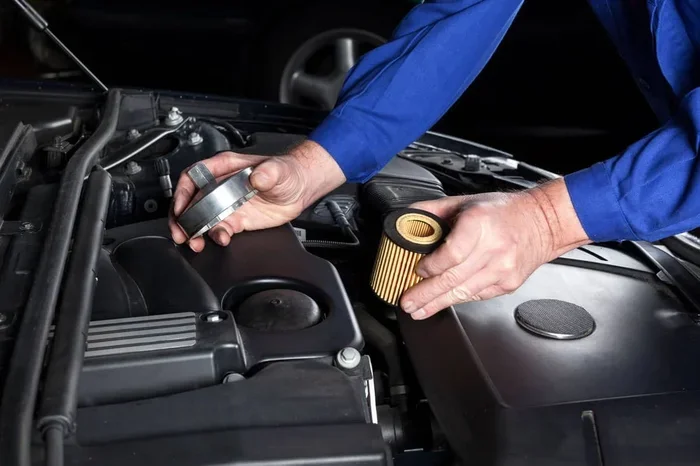
Step 4: Replace the Oil Filter
Use the oil filter wrench to remove the old oil filter. Before installing the new one, rub a thin layer of fresh oil around the rubber gasket. This creates a better seal and makes future oil changes easier.
Step 5: Add New Oil
Replace the drain plug and tighten it securely. Then, open the oil fill cap on top of the engine. Place a funnel in the opening and pour in the new oil slowly. Add about three-quarters of the total capacity first. Wait a minute for the oil to settle, then check the dipstick.
Keep adding oil a little at a time until the dipstick shows the oil level between the minimum and maximum marks. Do not overfill. Can I Drive My Car With Too Much Oil In It explains the risks of overfilling in more detail.
Step 6: Check for Leaks
Start the engine and let it run for a minute. Look under the car for any drips or leaks around the drain plug and oil filter. Turn off the engine, wait a couple of minutes, and check the dipstick one more time to confirm the level is correct.
Oil Change Tips and Best Practices
Adding oil is just part of the equation. Following a few best practices will keep your engine healthy and extend the life of your oil change intervals.
Stick to the Recommended Oil Weight
Every engine is designed to run with a specific oil weight. Using the wrong weight can affect performance and fuel economy. If you are unsure about switching weights, check whether Can I Use 5W 30 Instead Of 5W 20 In My Toyota Camry or a similar guide for your specific model. The viscosity number on the oil bottle matters more than most people realize.
Change Oil at the Right Intervals
Most modern cars can go between 5,000 and 10,000 miles between oil changes, depending on the oil type and driving conditions. Check your owner’s manual for the manufacturer’s recommendation. Driving in extreme heat, cold, or stop-and-go traffic may require more frequent changes.
Keep a Maintenance Log
Write down every oil change date, mileage, and oil type used. This simple habit helps you track your car’s maintenance history and makes it easier to spot patterns or potential problems early.
Do Not Ignore the Oil Warning Light
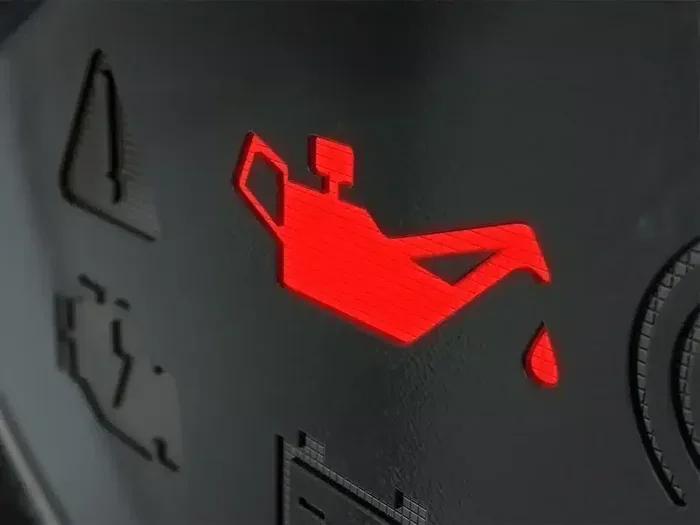
If your dashboard shows an oil pressure warning or a maintenance required light, do not ignore it. These signals mean your oil level or pressure is outside the safe range. Check the dipstick immediately and add oil if needed. Continuing to drive with low oil can cause catastrophic engine failure.
Recycle Used Oil Properly
Never dump used motor oil down a drain or in the trash. Take it to a recycling center, auto parts store, or dealership. Most of these locations accept used oil for free. Recycling protects the environment and is the responsible thing to do.
Common Mistakes to Avoid When Adding Oil
Even experienced car owners make mistakes when adding oil. Here are a few to watch out for.
Overfilling the engine: It is tempting to add one extra quart just to be safe. But overfilling causes oil to foam, which reduces its ability to lubricate the engine properly. Stick to the exact capacity listed in your manual.
Using the wrong oil type: Not all oils are created equal. Synthetic oil offers better protection and lasts longer, but it costs more. Conventional oil is cheaper but needs to be changed more often. Mixing oil types is not ideal, though it will not ruin your engine in a pinch.
Forgetting to check the dipstick: Always check the oil level with the engine off and the car on level ground. Checking it right after driving gives a false reading because oil has not settled back into the pan yet.
Skipping the oil filter: If you are doing a full oil change, always replace the oil filter too. A clogged filter restricts oil flow and can cause engine damage over time.
Adding oil without checking for leaks: If you notice your oil level dropping frequently, there may be a leak or excessive oil consumption. Address the root cause rather than just topping off the oil repeatedly.
Expert Insights on Engine Oil and Capacity
Professional mechanics agree that understanding your engine’s oil needs is one of the easiest ways to prevent major repairs. Here are a few insights from the experts.
First, always buy a little extra oil when you go to the store. It is better to have a quart left over than to run short mid-change. A standard oil jug is 5 quarts, which covers most passenger cars with a little room to spare.
Second, pay attention to the oil’s condition, not just the level. Fresh oil is amber and translucent. Dark, gritty oil means it is time for a change regardless of the mileage. Can I Drive My Car With Too Much Oil In It is another important topic to understand because overfilling can mask other underlying issues that a mechanic should check.
Finally, if you are ever unsure about your engine’s oil capacity or the right oil type, do not guess. Consult your owner’s manual or speak with a professional. Taking a few extra minutes to get it right protects your engine and saves money in the long run.
Conclusion
Knowing how many quarts of oil do I need is a fundamental part of car ownership. Most engines need between 4 and 8 quarts, but the exact number depends on your engine size, type, and design. Always check your owner’s manual, use the right oil type, and follow the steps carefully when adding or changing oil.
Taking care of your engine oil is one of the simplest and most cost-effective things you can do. It keeps your car running smoothly, improves fuel economy, and prevents expensive repairs down the road. Next time you check your oil, you will know exactly what to look for and how much to add. Your engine will thank you for it.
Frequently Asked Questions
How do I know if my engine has enough oil?
The easiest way is to pull out the dipstick, wipe it clean, reinsert it fully, and then pull it out again. The oil level should fall between the minimum and maximum marks on the dipstick. If it is below the minimum mark, add oil slowly and recheck until it reaches the right level.
Can I mix different brands of motor oil?
Yes, in an emergency you can mix different brands as long as they have the same viscosity and specifications. However, it is best to stick with one brand and type for consistent performance. Mixing oils regularly is not recommended because different formulations may not blend perfectly.
How often should I check my oil level?
You should check your oil level at least once a month and before any long road trips. Modern cars also have oil level sensors that warn you when the oil is low, but do not rely solely on electronics. A manual dipstick check takes only a minute and gives you peace of mind.
What happens if I put too much oil in my engine?
Too much oil causes the crankshaft to whip the excess oil into a foam. Foamy oil loses its lubricating properties, which can lead to increased engine wear. In severe cases, excess oil can damage the catalytic converter or cause oil leaks. If you overfill, drain the excess oil to the correct level as soon as possible.
Do I need to change the oil filter every time I change the oil?
Yes, you should always replace the oil filter when you change the oil. The old filter contains contaminants and debris from the old oil. A new filter ensures clean oil flows freely through the engine, which protects engine parts and extends the life of the new oil.
Is synthetic oil better than conventional oil?
Synthetic oil offers superior protection, better performance in extreme temperatures, and longer intervals between changes. It costs more than conventional oil, but many car owners find the extra protection worth the price. Check your owner’s manual to see if your engine requires or recommends synthetic oil.