How Long Does a TPMS Sensor Take to Reset Properly
A TPMS sensor reset typically takes between 10 minutes and one hour, depending on your vehicle type and method. Most drivers can complete a basic TPMS reset at home with minimal tools and no professional help. Understanding the TPMS reset time saves you money and gets your tire pressure light off the dashboard fast.
You are driving down the road, minding your own business, when suddenly a little yellow light shaped like a horseshoe with an exclamation point pops up on your dashboard. Your heart sinks a little. What does it mean? How serious is it? And most importantly, how long does a TPMS sensor take to reset?
If you have ever stared at that annoying tire pressure monitoring system light and wondered what to do, you are not alone. This light confuses millions of drivers every year. The good news is that resetting your TPMS sensor is usually a quick and straightforward process. Most people can handle it themselves at home in under an hour.
In this guide, we will walk you through everything you need to know about the TPMS sensor reset process. We will cover how long it takes, the different methods you can use, common mistakes to avoid, and tips to keep your tire pressure system working smoothly. Let us get into it.
Key Takeaways
- Quick Reset Time: Most TPMS sensor resets take 10 to 30 minutes using the manual method.
- Driving Method Works Too: Resetting by driving at 50 mph for 10 to 15 minutes is a popular alternative.
- Battery Matters: A dead TPMS sensor battery can cause the reset to fail or the light to return quickly.
- Cold Weather Affects TPMS: Temperature drops can trigger the tire pressure light even after a successful reset. If you live in a cold climate, check out how long a car can sit in cold weather before TPMS issues worsen.
- Reset After Air Fill: Always reset your TPMS after filling air to clear the warning light properly.
- Know Your Vehicle: Different cars use different reset methods, so consult your owner’s manual first.
📑 Table of Contents
What Is a TPMS Sensor and Why Does It Reset?
Before we talk about reset times, let us quickly cover what a TPMS sensor actually does. Your tire pressure monitoring system is a safety feature built into your vehicle. It uses sensors inside each tire (or sometimes on the valve stems) to monitor the air pressure in real time.
When the pressure drops below the recommended level, the system sends a signal to your car’s computer. This triggers the warning light on your dashboard. The light looks different depending on your vehicle, but it almost always involves a tire icon with an exclamation point.
How TPMS Sensors Work
There are two main types of TPMS systems. Direct TPMS uses a small sensor inside each tire. These sensors measure the actual air pressure and send wireless signals to your car’s computer. Indirect TPMS does not use physical pressure sensors. Instead, it relies on your vehicle’s wheel speed sensors to detect when a tire is spinning faster than the others, which happens when pressure drops.
Direct TPMS is more common in newer vehicles. It gives you a precise pressure reading. Indirect TPMS is simpler and cheaper but less accurate. Both systems need a reset after you fix the tire pressure issue or replace a sensor.
Why the Light Stays On After Fixing Pressure
Here is something that trips up a lot of drivers. You check your tire pressure, add air, and the pressure looks perfect. But the light stays on. Why? Because the TPMS system needs a manual reset to tell it that the problem has been fixed. The sensor stores the low-pressure event in its memory. Until you reset it, the light will keep glowing.
This is where knowing the TPMS reset time becomes important. You do not want to sit in your driveway wondering when the light will finally go away.
How Long Does a TPMS Sensor Take to Reset?
The short answer is that a TPMS sensor reset usually takes between 10 minutes and one hour. But the exact TPMS reset time depends on several factors. Let us break them down.
Method 1: The Dashboard Button Reset (Fastest)
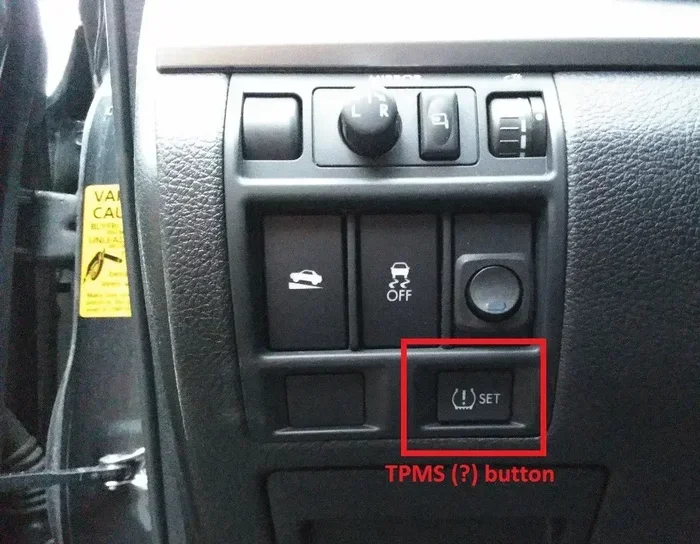
Many vehicles have a dedicated TPMS reset button. This is the quickest way to reset the system. You can usually find this button under the steering column, on the center console, or near the gear shift. Check your owner’s manual to locate it.
Here is the typical process:
- Turn the ignition to the “on” position (do not start the engine).
- Press and hold the TPMS reset button until the warning light blinks three times.
- Release the button and start the engine.
- Drive the car for about 20 minutes at a steady speed.
This entire process takes about 10 to 15 minutes. The light should turn off within a few miles of driving. This method works on most Toyota, Honda, Ford, and Chevrolet models.
Method 2: The Driving Reset (No Tools Needed)
Some vehicles do not have a reset button. In these cases, you can reset the TPMS by driving. This method is simple but takes a bit longer.
Here is what to do:
- Make sure all tires are at the correct pressure.
- Drive at a steady speed of around 50 mph for 10 to 15 minutes.
- The system should automatically recalibrate and turn off the warning light.
This driving method is convenient because you do not need any special tools. However, it requires you to be on the road for a short while. The total TPMS reset time for this method is roughly 15 to 20 minutes.
Method 3: Using a TPMS Reset Tool (Most Reliable)
If your vehicle has a more advanced TPMS system, you may need a dedicated reset tool. These tools connect to the OBD-II port under your dashboard and communicate directly with the TPMS module.
You can buy a basic TPMS reset tool for $20 to $50 at most auto parts stores. The process is straightforward:
- Plug the tool into the OBD-II port.
- Turn the ignition on.
- Follow the tool’s on-screen instructions.
- The tool will activate the TPMS relearn procedure.
A tool-based reset typically takes 5 to 10 minutes. It is the most reliable method, especially for vehicles with direct TPMS systems. If you want a deeper look at maintaining your tire pressure system, you might also want to check out whether you need to reset TPMS after filling air, which covers a closely related scenario.
Method 4: Professional Reset at a Dealership or Shop
If you do not want to DIY, you can take your car to a dealership or tire shop. They have professional-grade diagnostic tools that can reset the TPMS in just a few minutes. The wait time at the shop might add 15 to 30 minutes to the total process. Most shops will do it for free or for a small fee of $10 to $25.
Keep in mind that if you recently had tires installed or rotated, many shops will reset the TPMS as part of their service. Always ask before paying extra.
Factors That Affect TPMS Reset Time
Not all TPMS resets are created equal. Several factors can influence how long the process takes and whether it works the first time. Let us look at the most common ones.
Vehicle Make and Model
Different vehicles have different TPMS systems. Some cars make the reset process incredibly simple with a single button press. Others require a more involved procedure using a diagnostic tool. Luxury brands like BMW and Mercedes sometimes have more complex systems that take longer to reset.
Before you start, spend five minutes reading your owner’s manual. It will tell you exactly which method your car uses. This saves you time and frustration.
TPMS Sensor Battery Life
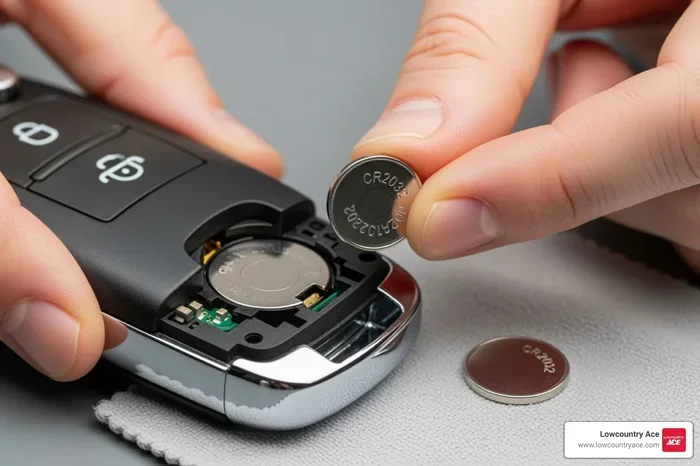
TPMS sensors run on small batteries that typically last between 5 and 10 years. When the battery starts to die, the sensor may not communicate properly with your car’s computer. This can cause the reset to fail or the light to come back on shortly after you reset it.
If you have an older vehicle or have never replaced your TPMS sensors, the battery could be the culprit. A dead battery means you will need to replace the sensor entirely. Sensor replacement costs between $50 and $100 per sensor, plus labor.
Temperature and Weather Conditions
Temperature changes have a huge impact on tire pressure. When the weather gets colder, the air inside your tires contracts, causing the pressure to drop. This can trigger the TPMS light even when your tires are fine.
On the flip side, hot weather can cause the air inside tires to expand. If your car sits in direct sunlight on a scorching day, the interior temperature can soar. This can also affect TPMS readings. Understanding how temperature affects your car helps you troubleshoot TPMS issues more effectively.
Cold weather is especially notorious for causing false TPMS alerts. If you live in a region with harsh winters, you may notice the light coming on more frequently during the colder months. The reset process works the same way, but you may need to reset more often.
Recent Tire Work or Sensor Replacement
If you have recently rotated your tires, replaced a tire, or swapped out a TPMS sensor, the system needs time to relearn the new sensor IDs. This relearn process can add a few extra minutes to the reset time. Some vehicles require you to drive a specific distance or at a specific speed for the system to fully recognize the new sensors.
Common TPMS Reset Mistakes to Avoid
Even though resetting a TPMS sensor is generally simple, people make mistakes that cause problems. Here are the most common ones to watch out for.
Not Checking Tire Pressure First
This is the number one mistake. Never reset the TPMS without first checking and correcting your tire pressure. If you reset the system while a tire is still low, the light will just come back on within a few miles. Always use a reliable tire pressure gauge and compare the readings to your vehicle’s recommended PSI, which you can find on the sticker inside the driver’s door frame.
Ignoring the TPMS Light After Reset
If the light comes back on shortly after you reset it, do not ignore it. This usually means there is still a pressure problem, a failing sensor, or a battery issue. A light that keeps returning is your car telling you something needs attention. Get it checked out before it becomes a bigger problem.
Using the Wrong Reset Method
Not all cars use the same reset procedure. Using the wrong method can confuse the system and waste your time. Always refer to your owner’s manual or look up your specific vehicle model online before attempting a reset.
Skipping the Driving Period
After a reset, most vehicles require you to drive for a certain distance or time for the system to fully recalibrate. If you turn off the car too soon, the reset may not complete. Plan for at least 10 to 15 minutes of steady driving after resetting the system.
How to Tell if Your TPMS Sensor Needs Replacement
Sometimes the TPMS light stays on because the sensor itself is failing. Here are the signs that your TPMS sensor may need to be replaced rather than just reset.
- The light flashes for 60 to 90 seconds and then stays on. This usually indicates a sensor malfunction, not just low pressure.
- The light comes back immediately after a reset. If you just reset the system and the light returns within a few minutes, the sensor battery is likely dead.
- You see a “Service TPMS” message on the dashboard. This is a more serious warning that points directly to a sensor or system issue.
- Your tire pressure readings are inconsistent. If one tire shows a much different pressure than the others despite being at the same PSI, the sensor in that tire may be faulty.
Replacing a TPMS sensor is a relatively simple job for a mechanic or a handy DIYer. The sensor itself costs between $15 and $50, and labor typically takes about 30 minutes per sensor. After replacement, you will need to perform a TPMS relearn procedure so the system recognizes the new sensor.
How to Prevent TPMS Issues in the Future
The best way to avoid frequent TPMS resets is to stay on top of your tire maintenance. Here are some simple tips that keep the system running smoothly.
- Check your tire pressure monthly. A quick check with a portable gauge takes just a few minutes and catches problems early.
- Keep a tire pressure gauge in your glove box. Do not rely solely on gas station air pumps. Their gauges are often inaccurate.
- Replace TPMS sensor batteries proactively. If your sensors are more than 7 years old, consider replacing the batteries before they die completely.
- Reset after every tire change. Whether you rotate your tires, replace a flat, or just add air, do a quick reset to keep the system calibrated.
- Avoid extreme temperature swings when possible. If you can, park your car in a garage or shaded area to reduce temperature-related pressure fluctuations.
Taking these simple steps can extend the life of your TPMS sensors and reduce the number of times you need to perform a reset. It also keeps you safer on the road by ensuring your tires are always properly inflated.
Quick Tips for a Smooth TPMS Reset
Here are some quick tips to make your next TPMS reset go as smoothly as possible:
- Check the pressure when the tires are cold. Driving heats up the tires and increases the pressure, giving you inaccurate readings.
- Keep your owner’s manual handy. The reset procedure varies by vehicle, and the manual has the exact steps for your model.
- Reset after every air fill. If you have ever added air to a tire and the light stayed on, a quick reset should clear it. For a detailed walkthrough of this specific scenario, check out this guide on resetting TPMS after filling air.
- Drive steadily after resetting. Avoid sudden stops and sharp turns during the recalibration period.
- Replace all sensors at the same time if needed. If one sensor battery has died, the others are likely close behind. Replacing them together saves time and money in the long run.
Conclusion
So, how long does a TPMS sensor take to reset? In most cases, you are looking at 10 to 30 minutes for a complete TPMS sensor reset. The exact time depends on your vehicle, the reset method you use, and whether any underlying issues need to be addressed first.
The process is simpler than most drivers think. Whether you use a dashboard button, a driving method, a reset tool, or visit a professional, you can get that annoying tire pressure light off your dashboard quickly and easily. The key is to check your tire pressure first, use the correct method for your vehicle, and drive for a few minutes after resetting to let the system recalibrate.
Remember, the TPMS light exists to keep you safe. Properly inflated tires improve fuel economy, handling, and braking distance. Taking a few minutes to reset your TPMS and check your tire pressure is one of the easiest ways to maintain your vehicle and stay safe on the road. Next time that little yellow light comes on, you will know exactly what to do and how long it will take.
Stay on top of your tire maintenance, keep your sensors in good shape, and you will rarely have to worry about the TPMS light again. Happy driving!
Frequently Asked Questions
Can I drive with the TPMS light on after a reset?
You can drive with the TPMS light on, but it is not recommended. The light means your tire pressure is either too low or too high, which affects safety and fuel economy. Always check and correct your tire pressure before attempting a reset.
How often do TPMS sensors need to be replaced?
TPMS sensors typically last between 5 and 10 years, depending on usage and battery life. If your sensors are older than 7 years, consider having them inspected or replaced proactively to avoid unexpected failures.
Why does my TPMS light come back on after I reset it?
The light usually returns because there is still a pressure issue in one or more tires. Check all tire pressures with a gauge and inflate to the recommended PSI. If the pressure is correct and the light keeps returning, a sensor or its battery may need replacement.
Do I need a special tool to reset my TPMS sensor?
Some vehicles have a simple reset button on the dashboard. Others require a TPMS reset tool or OBD-II diagnostic device. Check your owner’s manual to find out which method your specific vehicle uses. A basic reset tool costs between $20 and $50.
Can cold weather cause the TPMS light to come on?
Yes, cold weather can cause the TPMS light to illuminate. When temperatures drop, the air inside your tires contracts, reducing pressure. This can trigger a low-pressure warning even if your tires are properly inflated. You may need to reset the system after adjusting the pressure.
How long does a TPMS sensor battery last?
A TPMS sensor battery typically lasts between 5 and 10 years. Since the battery is built into the sensor, replacing it usually means replacing the entire sensor unit. Signs of a failing battery include intermittent light warnings and difficulty resetting the system.