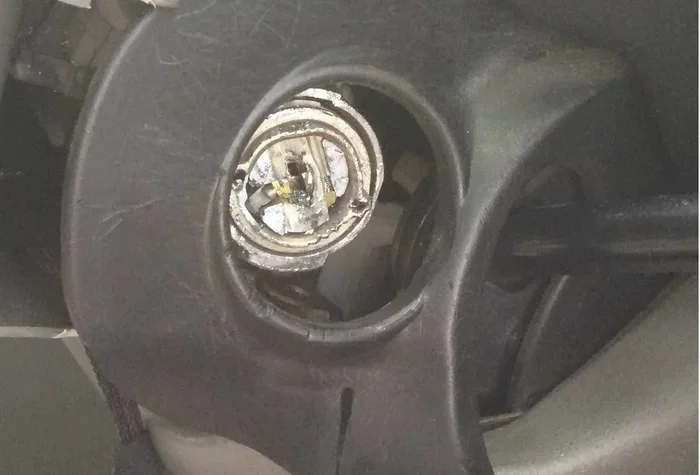
How Do You Get a Key Out of the Ignition If It Breaks
A broken key in the ignition is a frustrating but common problem that every driver can face. You can often extract a broken key yourself using simple tools like tweezers, needle-nose pliers, or a broken key extractor tool. If the key is deeply stuck or the ignition cylinder is damaged, a professional locksmith is your best bet. Acting quickly and carefully prevents further damage to your ignition switch and lock cylinder. This guide walks you through every method, from DIY fixes to professional solutions, so you can get back on the road fast.
This is a comprehensive guide about How Do You Get a Key Out of the Ignition If It Breaks?.
Key Takeaways
- Stay calm and don’t force the key: Forcing a broken key can push it deeper or damage the ignition cylinder.
- Try gentle extraction first: Tweezers or needle-nose pliers work for partially exposed key fragments.
- Use a broken key extractor tool: These inexpensive tools are designed specifically for this job.
- Know when to call a pro: If the key is fully stuck or the ignition is damaged, a locksmith saves time and money.
- Prevent future breaks: Regular key maintenance and avoiding heavy keychains reduce the risk of key breakage.
- Replace the ignition cylinder if needed: A damaged lock cylinder may need full replacement by a professional.
- Keep spare keys safe: Always have a backup key to avoid being stranded.
[FEATURED_IMAGE_PLACEHOLDER]
A broken key stuck in the ignition is one of those problems that can turn a perfectly good morning into a complete headache. You’re standing by your car, running late, and the key just snaps off inside the lock. It happens more often than you might think, and it can happen to any car owner regardless of the vehicle model or age. The good news is that you have several options to get that broken piece out and back on the road.
Whether the key broke because it was old and worn, because you turned it too hard, or because something was blocking the lock cylinder, the solution is almost always within reach. You do not need to be a mechanic to handle most of these situations at home. With the right tools and a little patience, you can extract the broken key yourself and avoid costly repair bills. This guide covers every method you can try, from the simplest DIY tricks to knowing exactly when to call in a professional.
We will walk you through why keys break in the first place, what tools you need, step-by-step extraction methods, and how to prevent this problem from happening again. We will also cover what to do if the ignition cylinder itself is damaged and how to handle the situation if you cannot get the key out on your own. By the end of this article, you will feel confident and prepared to tackle a broken key in the ignition like a pro.
Before we dive into the solutions, it is important to understand what you are dealing with. A broken key in the ignition can leave the key partially visible, fully stuck, or completely broken off inside the lock cylinder. The approach you take depends entirely on how much of the key is still accessible. Let us explore the reasons keys break and then move into the extraction methods.
Why Keys Break or Get Stuck in the Ignition
Understanding why a key breaks in the ignition helps you avoid the same problem in the future. Several common causes lead to key failure, and most of them are preventable with proper care.
Worn or Old Keys
Over time, the teeth on your key wear down from repeated use. When the key is too worn, it does not align properly with the lock tumblers. This causes increased friction and pressure when you turn the key, which can lead to breakage. Old keys made from softer metals are especially vulnerable. If your key is more than five years old and shows visible wear, consider getting a replacement cut before it fails.
Forcing the Key During Turning
Many drivers apply too much force when turning the ignition, especially if the steering wheel is locked. The steering column lock engages automatically when you turn off the car and remove the key. If you try to force the key out while the lock is engaged, you put unnecessary stress on the key blade. This is one of the most common reasons keys snap inside the ignition.
Heavy Keychains
Carrying a heavy keychain with multiple keys, bottle openers, and trinkets puts extra strain on the key when it is inserted in the ignition. The added weight pulls on the key blade as you turn it, which weakens the metal over time. A heavy keychain can cause a key to bend or break, especially if the key is already worn. Keeping your ignition key on a lightweight keychain significantly reduces this risk.
Temperature Extremes
Extreme heat and cold can affect the metal properties of your key. In very cold weather, metal becomes brittle and more prone to snapping. In extreme heat, keys can expand slightly and bind inside the lock cylinder. If you live in an area with harsh temperature swings, your keys experience more stress than you might realize.
Ignition Cylinder Damage
Sometimes the problem is not the key but the ignition cylinder itself. A worn or damaged lock cylinder creates uneven pressure on the key as it turns. This can cause even a brand-new key to break. If you notice increasing resistance when turning your key, the ignition cylinder may need inspection or replacement.
Tools You Need to Remove a Broken Key
Having the right tools makes the extraction process much easier and safer. You do not need a professional toolbox, but a few specific items will help you handle most broken key situations effectively.
Essential Tools for Key Extraction
- Needle-nose pliers: These are your best friend for gripping and pulling out partially exposed key fragments. The narrow tips reach into tight spaces easily.
- Tweezers: A good pair of fine-tip tweezers works well for small key pieces that are slightly above the surface of the ignition lock.
- Broken key extractor tool: These inexpensive tools are specifically designed to grip and pull broken key pieces out of locks. You can find them at most hardware stores for just a few dollars.
- Flashlight: A bright flashlight helps you see inside the ignition cylinder and assess how much of the key is accessible.
- Super glue (optional): In some cases, a small amount of super glue applied to a thin wire or toothpick can help you bond to the broken key piece and pull it out.
- Compressed air or dental floss: These can help clear debris from the ignition lock before you attempt extraction.
Tools to Avoid
Some tools can make the situation worse. Avoid using thick objects that do not fit inside the ignition cylinder, as they can push the broken key deeper. Do not use excessive force with any tool, and never try to extract a broken key with your bare fingers if the fragment is below the surface. Improper tools can damage the lock cylinder and turn a simple extraction into a costly repair.
Step-by-Step Guide to Extracting a Broken Key from the Ignition
Now that you have your tools ready, let us walk through the extraction process step by step. Follow these instructions carefully, and you will have the best chance of removing the broken key without causing additional damage.
Step 1: Assess the Situation
First, look closely at the ignition cylinder. How much of the broken key is visible? Is the key fragment sticking out enough for you to grip it? Shine your flashlight into the lock cylinder to get a clear view. If you can see a significant portion of the key above the surface, you can likely extract it with pliers or tweezers. If the key is completely flush or below the surface, you will need a different approach.
Step 2: Try Gentle Extraction with Pliers or Tweezers
If the key fragment is partially exposed, gently grip it with needle-nose pliers or tweezers. Do not pull hard. Apply steady, even pressure while wiggling the key piece slightly back and forth. This rocking motion helps loosen the fragment from the lock tumblers. Pull slowly and straight out. If the key piece moves even slightly, continue pulling gently until it comes free.
Step 3: Use a Broken Key Extractor Tool
If the key is not accessible enough for pliers, a broken key extractor tool is your next best option. These tools have a thin, flexible design that slides into the lock cylinder alongside the broken key. You insert the extractor, maneuver it to grip the key fragment, and then pull it out slowly. These tools work on most standard ignition locks and are well worth the low cost. You can find detailed instructions that come with the extractor tool, but the basic process is to insert, grip, and pull.
Step 4: Try the Super Glue Method (For Advanced Users)
This method works when the broken key piece is slightly below the surface but still accessible. Apply a tiny drop of super glue to the tip of a thin wire, a toothpick, or a small piece of cardboard. Insert the glued tip into the lock cylinder and press it against the broken key fragment. Hold it steady for 30 to 60 seconds until the glue sets. Then gently pull the wire or toothpick out, bringing the key fragment with it. Be very careful with this method, as excess glue can make the situation worse by bonding the key even more firmly.
Step 5: Use Compressed Air to Clear the Path
Sometimes debris or old lock lubricant prevents the broken key from moving. A short burst of compressed air into the ignition cylinder can clear out any obstructions. This can free up enough space for your extraction tool to reach the key fragment. Use short, controlled bursts and hold the can upright to avoid releasing liquid propellant into the lock.
Step 6: Know When to Stop and Call a Professional
If you have tried the methods above and the key is still stuck, it is time to stop. Continuing to force tools into the ignition cylinder can cause serious damage to the lock mechanism. A professional locksmith has specialized tools and experience to handle even the most stubborn broken key situations. They can also assess whether the ignition cylinder needs replacement.
When to Call a Professional Locksmith
Not every broken key situation is suitable for a DIY fix. Knowing when to call a professional saves you time, money, and the risk of making the problem worse. Here are the situations where professional help is the best choice.
If the key is completely broken off inside the lock cylinder and you cannot see or reach any part of it, a locksmith has the tools to extract it safely. They use specialized extraction kits that are not available at most hardware stores. These kits include precision hooks, magnets, and scope viewers that allow them to see deep inside the lock cylinder and retrieve the broken piece without damaging the surrounding components.
If you notice that the ignition switch is not working properly after the key breaks, the cylinder may be damaged. Signs of a damaged ignition include the key turning but not starting the car, the ignition feeling loose or wobbly, or the steering wheel lock not releasing properly. In these cases, the entire ignition cylinder may need to be replaced by a qualified technician. Attempting to replace an ignition cylinder without proper experience can lead to electrical issues, especially in modern vehicles with anti-theft systems.
Another situation that warrants a professional is when the key broke because of a mechanical issue with the ignition itself. If the lock cylinder was already worn or damaged before the key broke, simply removing the broken key will not solve the underlying problem. A locksmith or dealership technician can inspect the ignition, diagnose the root cause, and recommend the appropriate repair. You can also check with your dealership to see if the dealership can change your key fob battery or assist with other key-related services.
Many people also wonder whether their insurance or roadside assistance covers locksmith services. Some auto insurance policies include locksmith coverage, and many roadside assistance plans offer lockout and key extraction services. It is worth checking your coverage before paying out of pocket for professional help. The cost of a locksmith for key extraction typically ranges from $50 to $150, depending on your location and the complexity of the job.
How to Prevent Keys From Breaking in the Ignition
Prevention is always better than cure, and taking a few simple steps can dramatically reduce the chance of a broken key in your ignition. These tips are easy to follow and can save you from a lot of frustration down the road.
1. Keep Your Keys in Good Condition
Inspect your keys regularly for signs of wear. If you notice bent teeth, thinning key blades, or visible cracks, get a replacement key cut. A new key is much less likely to break than an old, worn one. Most locksmiths and hardware stores can cut a replacement key for you quickly and affordably.
2. Use a Lightweight Keychain
Remove unnecessary items from your keychain. Keep only the essential keys on your ignition key and use a separate keychain for other keys. A lightweight keychain reduces the stress on the key when you insert and turn it in the ignition. This simple change can extend the life of your key significantly.
3. Never Force the Key
If the key feels stiff or difficult to turn, do not force it. Stop and investigate the cause. The steering column lock may be engaged, or there may be debris in the lock cylinder. Gently wiggle the steering wheel back and forth while turning the key to release the lock. If the key still does not turn easily, consider having the ignition cylinder inspected.
4. Lubricate the Ignition Lock
Applying a small amount of graphite lubricant to the ignition lock cylinder keeps the mechanism working smoothly. Graphite is the best lubricant for locks because it does not attract dust or gum up over time. Avoid using oil-based lubricants, as they can collect dirt and create a sticky residue inside the lock. A few sprays of compressed air followed by a light application of graphite keeps the lock in good condition.
5. Keep a Spare Key
Always have a spare key available. If your primary key breaks, a spare lets you keep driving while you get the broken key extracted or replaced. Store your spare key in a safe place at home or give one to a trusted family member or friend. Some people also keep a spare key in their glove box, though this is less secure.
What to Do After You Successfully Remove the Broken Key
Congratulations, you got the broken key out. Now what? The next steps are important to make sure your ignition is fully functional and your car is safe to drive.
First, inspect the broken key pieces carefully. If you were able to extract the full key, you can take it to a locksmith or hardware store to get a new key cut. If the key broke in half and you only retrieved one piece, you will need a complete replacement key. Modern car keys often contain transponder chips that must be programmed to your vehicle. A locksmith or dealership can handle this for you. You should also check if you can drive your Toyota Highlander without a key fob if your vehicle uses push-button start technology.
Next, test the ignition with the new or spare key. Make sure the key turns smoothly and starts the car without resistance. If the ignition still feels stiff or the key does not turn properly, the lock cylinder may need cleaning or replacement. In some cases, a simple lubrication job is all that is needed to restore smooth operation.
Finally, take steps to prevent the problem from happening again. Follow the prevention tips we covered above, and consider keeping a spare key in a secure location. If the key broke due to a mechanical issue with the ignition, have a professional inspect the lock cylinder to ensure it is functioning correctly. Regular maintenance of your ignition system is one of the best ways to avoid future key breakage incidents.
Common Mistakes to Avoid When Dealing With a Broken Key
When you are frustrated and standing by a car with a broken key, it is easy to make mistakes. Here are the most common errors drivers make and how to avoid them.
- Forcing the key out with pliers: Yanking on a broken key with too much force can break the key piece further or damage the lock tumblers inside the cylinder. Always apply gentle, steady pressure.
- Using the wrong tools: Improvised tools like forks, screwdrivers, or sharp objects can scratch or damage the ignition cylinder. Stick to proper key extraction tools or needle-nose pliers.
- Pouring lubricant into the lock: Oil-based lubricants attract dirt and can gum up the lock cylinder over time. Use graphite lubricant specifically designed for locks.
- Ignoring the problem: Some drivers try to leave the broken key alone and hope it does not cause issues. A broken key left inside the ignition can prevent the lock from functioning properly and may cause the steering wheel to lock while driving, which is extremely dangerous.
- Attempting to drill out the lock: Drilling should always be a last resort performed by a professional. Drilling can damage the steering column and electrical components, leading to expensive repairs.
Key Extraction Methods Compared
Not all extraction methods work for every situation. Here is a quick comparison of the most common approaches to help you decide which method is right for your situation.
| Method | Best For | Difficulty | Cost |
|---|---|---|---|
| Needle-nose pliers | Partially exposed key fragments | Easy | Free (if you own pliers) |
| Broken key extractor tool | Keys slightly below the surface | Moderate | $5 to $15 |
| Super glue method | Keys flush with or slightly below surface | Advanced | $3 to $5 (for glue) |
| Professional locksmith | Keys fully stuck or deep inside cylinder | Professional | $50 to $150 |
| Ignition cylinder replacement | Damaged lock cylinder or repeated breakage | Professional | $150 to $400 |
Each method has its place depending on how the key broke and how much of it is accessible. Start with the simplest method and work your way up to professional help if needed. Most broken key situations can be resolved without replacing the entire ignition cylinder, which is great news for your wallet.
Conclusion
A broken key in the ignition is a stressful situation, but it is almost always solvable with the right approach. Whether you use pliers, an extractor tool, or call a locksmith, the key takeaway is to stay patient and avoid forcing the key out. Gentle, steady pressure and the right tools will get the job done in most cases. Prevention is your best long-term strategy, so keep your keys in good condition, use lightweight keychains, and lubricate your ignition lock regularly.
If you ever find yourself unable to extract the broken key or if the ignition cylinder is damaged, do not hesitate to seek professional help. A skilled locksmith can handle even the most challenging extraction jobs and can advise you on whether the ignition needs repair or replacement. Keeping a spare key in a safe place is one of the simplest and most effective ways to prepare for this situation. With the knowledge you have gained from this guide, you are now equipped to handle a broken key in the ignition with confidence and get back on the road as quickly as possible.
Frequently Asked Questions
Can you pull a broken key out of the ignition yourself?
Yes, in most cases you can pull a broken key out of the ignition yourself using needle-nose pliers, tweezers, or a broken key extractor tool. If the key fragment is partially exposed, gentle pliers work well. If the key is below the surface, a dedicated extractor tool is the best DIY option. Stop and call a professional if the key is completely stuck or if you feel any resistance that suggests the lock cylinder is damaged.
How much does it cost to extract a broken key from the ignition?
A locksmith typically charges between $50 and $150 for a broken key extraction from an ignition lock cylinder. The cost varies based on your location, the time of day, and the complexity of the extraction. If the ignition cylinder needs to be replaced, the cost increases to between $150 and $400, including parts and labor. Checking your auto insurance or roadside assistance coverage can sometimes offset these costs.
Can a broken key damage the ignition cylinder?
Yes, a broken key can potentially damage the ignition cylinder, especially if you attempt to force it out using improper tools or excessive pressure. The key fragment can obstruct the lock tumblers and prevent the ignition from turning. If the cylinder is already worn, a broken key can make the problem worse. A professional locksmith can assess any damage and recommend the appropriate repair or replacement.
What should you do if the key breaks while driving?
If the key breaks while driving, remain calm and steer the car to a safe location. Turn off the engine if you still have partial control of the key. Do not attempt to remove the broken key while driving. Once you are safely parked, follow the extraction methods described in this guide or call a roadside assistance service for help. Always keep a spare key accessible to avoid being stranded.
Does insurance cover broken key extraction or replacement?
Some auto insurance policies include locksmith coverage that pays for broken key extraction and key replacement. Roadside assistance plans often cover lockout services, which may include key extraction. Check with your insurance provider to understand your specific coverage. If you have comprehensive coverage, key extraction and replacement costs may be included, though you may need to pay a deductible.
Can you use a spare key if the original key breaks in the ignition?
Yes, a spare key is the best backup option if your original key breaks in the ignition. Use the spare key to drive your car to a locksmith or dealership for repair. If your vehicle uses a transponder key or push-button start, make sure the spare key is properly programmed to your vehicle. You can also check if you need to do anything after replacing a key fob battery if your spare is a key fob model.