How to Identify the Air Filter Box Location Under the Hood
Finding your air filter box location under the hood is easier than most drivers think. The engine air filter box sits near the top or front of the engine bay, connected to the air intake system. In this guide, you will learn how to spot it in any vehicle, what it looks like, and simple tips for accessing it safely.
Pop the hood on almost any car, and you will find a black plastic box sitting quietly near the engine. This is the air filter box, and it plays one of the most important roles in keeping your engine healthy. It catches dust, dirt, pollen, and debris before they can enter the combustion chamber and cause damage. Yet, many drivers never think about where it is or how to find it.
Whether you are a complete beginner or a seasoned DIYer, knowing the air filter box location under the hood is a basic skill everyone should have. It saves you money, builds confidence, and helps you stay on top of routine engine maintenance. In this article, we will walk you through everything you need to know, step by step.
Key Takeaways
- Easy to Find: The air filter box is usually near the top or front of the engine bay, making it one of the most accessible parts under the hood.
- Looks Like a Black Plastic Box: It typically has a large circular or rectangular opening with clips or screws holding the lid in place.
- Connected to the Air Intake: The air filter box links directly to the throttle body and air intake manifold through a rubber or plastic tube.
- Location Varies by Vehicle: Some cars place the filter box on the side of the engine, while others hide it behind the battery or near the firewall.
- Regular Maintenance Matters: A clean air filter keeps your engine running smoothly and improves fuel efficiency.
- DIY-Friendly: Most drivers can locate and replace the air filter in under 15 minutes without any special tools.
📑 Table of Contents
- What Is the Air Filter Box and Why Does It Matter?
- Common Locations of the Air Filter Box Under the Hood
- Step-by-Step Guide to Finding Your Air Filter Box
- What Does the Air Filter Box Look Like?
- Tips for Accessing and Replacing Your Air Filter
- When to Replace Your Air Filter
- Common Mistakes People Make When Finding the Air Filter Box
- Expert Insights on Air Filter Box Maintenance
- How Often Should You Inspect the Air Filter Box Area?
- Conclusion
What Is the Air Filter Box and Why Does It Matter?
The air filter box is a sealed housing that holds the engine air filter. Its job is simple but critical. Every time your engine runs, it pulls in air to mix with fuel. That air has to be clean. If dirt and dust get inside, they can scratch cylinder walls, clog sensors, and reduce engine performance over time.
The air filter box does the heavy lifting. It traps contaminants while allowing clean air to flow freely into the air intake system. From there, the air travels through the intake manifold and into the combustion chambers. A clogged or dirty filter restricts airflow, which can hurt fuel economy and acceleration.
How the Air Filter Box Works
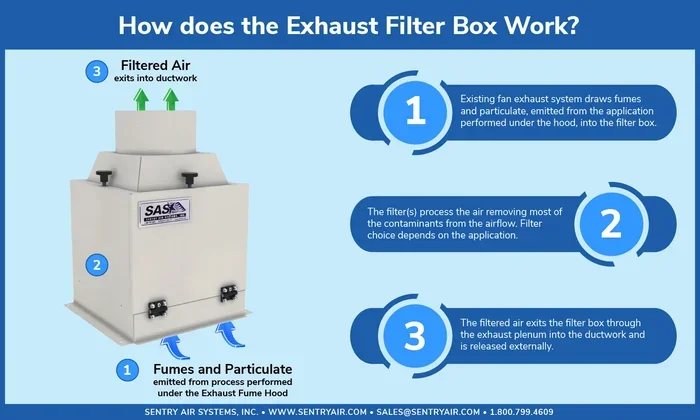
Air enters the box through a large opening at the top or front. The air filter element sits inside, usually made of paper or fabric. The filter material catches particles as small as a few microns. Clean air then passes through a tube connected to the throttle body. The whole system relies on a tight seal, which is why the box lid clips or screws into place securely.
Some modern vehicles use a cold air intake system instead of a traditional box. These setups move the filter closer to the front bumper to draw in cooler air. Even so, the basic principle remains the same. A filter keeps debris out, and clean air flows to the engine.
Common Locations of the Air Filter Box Under the Hood
Where exactly is the air filter box location under the hood? The answer depends on your vehicle make, model, and engine size. However, most cars follow a similar layout. Let us break down the most common spots you will find it.
Top of the Engine Bay
In many sedans and SUVs, the air filter box sits right on top of the engine bay. You can often see it just by looking straight down after opening the hood. It is usually the largest plastic component in the center or front section. The lid faces upward, making it easy to pop open.
Front of the Engine Bay
Some vehicles, especially trucks and larger SUVs, place the filter box at the front of the engine bay near the radiator. This position helps the engine draw in cooler air from outside. On these models, you may need to look past the battery and coolant reservoir to spot it.
Side of the Engine
In certain compact cars, the air filter box sits on the side of the engine block. It might be tucked behind a plastic cover or near the serpentine belt. You will need to look carefully, but it is still very accessible once you know where to look.
Behind the Battery
Several popular models hide the air filter box behind the battery. This is common in front-wheel-drive vehicles where space is tight. If you do not see it on top or in front, check behind the battery. You may need to remove or shift the battery terminal to get a clear view.
Step-by-Step Guide to Finding Your Air Filter Box
Finding the air filter box location under the hood does not require any special tools or mechanical knowledge. Follow these simple steps, and you will have it spotted in minutes.
Step 1: Park on a Flat Surface and Turn Off the Engine
Always start with a cool engine. Park on a flat surface, engage the parking brake, and turn the ignition off. Wait at least 10 minutes if you have been driving. This prevents burns and gives you a clear view of the engine bay.
Step 2: Open the Hood
Locate the hood release lever inside the cabin, usually near the driver side footwell. Pull it, then go to the front of the vehicle to release the safety latch. Lift the hood and secure it with the prop rod.
Step 3: Look for a Large Plastic Box
Stand in front of the engine bay and look up. The air filter housing is typically a large, black plastic box. It is bigger than most other components in the bay. You will notice a wide opening on one side, often connected to a rubber or plastic tube.
Step 4: Follow the Air Intake Tube
If you are having trouble spotting the box, follow the air intake tube. This is the rubber or plastic hose that connects the engine to the filter housing. One end attaches to the throttle body, and the other end connects to the top or side of the air filter box. Following this tube is the fastest way to find the box.
Step 5: Check for Clips or Screws
The lid of the air filter box is held on by clips, screws, or wing nuts. If you see a component with a removable lid held by fasteners, that is almost certainly your filter box. Give the lid a gentle tug to confirm it opens.
Quick Tip: If you still cannot find it, consult your vehicle owner manual. Most manuals include a simple diagram showing the air filter box location under the hood. You can also search online for your specific make and model to see photos.
What Does the Air Filter Box Look Like?
Once you know what to look for, the air filter box is hard to miss. Here is a detailed description of its appearance and key features.
- Shape: Usually rectangular or square, though some models are round or oval.
- Color: Most are black or dark gray plastic. Some high-performance vehicles use chrome or silver housings.
- Size: Roughly the size of a large shoebox or bigger, depending on the engine.
- Lid: The lid is removable and often has a large handle or tab for easy access.
- Clips: Spring-loaded clips or screw-down fasteners secure the lid to the base.
- Connecting Tube: A rubber or plastic intake tube connects the box to the throttle body or intake manifold.
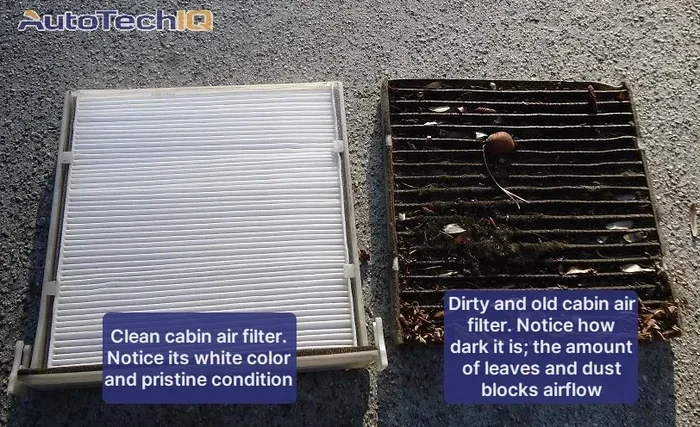
Inside the box, you will find the air filter element. This is the actual filter, usually made of pleated paper or cotton fabric. It sits in a plastic tray or frame inside the housing. When you open the box, the filter should look relatively clean and light colored. If it appears dark gray or clogged with debris, it is time for a replacement.
If you want to learn more about maintaining your air filter, check out our guide on cleaning your engine air filter instead of replacing it. For those who prefer a DIY approach, you can also read our article on changing your car air filter yourself for a full walkthrough.
Tips for Accessing and Replacing Your Air Filter
Once you have located the air filter box, accessing it is straightforward. Here are some practical tips to make the process smooth and safe.
Gather Your Tools
Most air filter replacements require no tools at all. However, it helps to have a flathead screwdriver or a 10mm socket wrench on hand. Some filter boxes use screw-down fasteners that need a wrench or ratchet. A clean workspace and a microfiber cloth are also useful for wiping down the area before opening the box.
Take a Photo Before You Start
Before removing anything, snap a photo of how everything is connected. This makes reassembly much easier, especially if the airflow tube has a specific routing path. It also helps you remember which direction the filter faces.
Note the Filter Orientation
Air filters have a specific airflow direction. One side of the filter faces the incoming air, and the other side faces the engine. Look for an arrow printed on the filter frame. This arrow should point toward the engine. Installing the filter backwards restricts airflow and reduces engine performance.
Clean Out Debris Before Installing the New Filter
Use a dry cloth or a soft brush to remove any loose dirt or debris from inside the filter box. Do not use water or cleaning solvents, as moisture can damage the new filter. A simple wipe-down is all you need.
Secure the Lid Properly
After inserting the new filter, make sure the lid clicks or screws back on tightly. A loose lid allows unfiltered air to bypass the filter and enter the engine. This defeats the entire purpose of having a filter in the first place.
If you are concerned about cabin air quality as well, consider checking whether your vehicle has a cabin air filter. You can read our article on whether Jiffy Lube replaces the cabin air filter for more details. A dirty cabin filter can also affect airflow inside the vehicle, so it is worth checking alongside the engine air filter.
When to Replace Your Air Filter
Knowing where the filter box is also helps you stay on top of replacement intervals. A clogged filter starves the engine of clean air and causes a range of problems. Here are the signs that it is time for a new one.
- Reduced Fuel Economy: A dirty filter restricts airflow, causing the engine to work harder and burn more fuel.
- Sluggish Acceleration: If your car feels slow to respond when you press the gas, a clogged filter may be the culprit.
- Unusual Engine Sounds: A whistling or wheezing noise from the engine bay can indicate restricted airflow through a dirty filter.
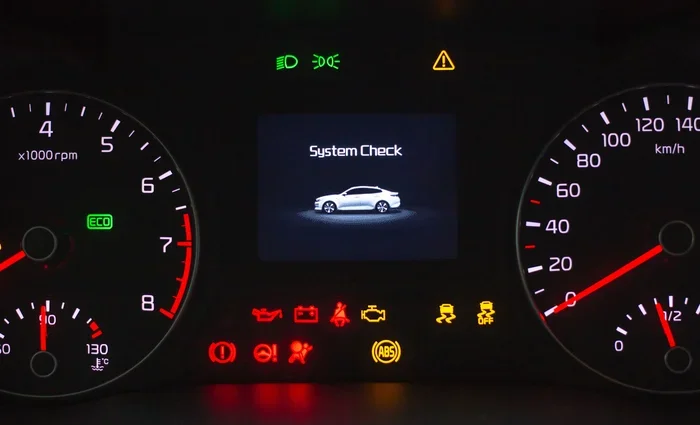
- Check Engine Light: In some cases, a severely restricted filter triggers the check engine light due to incorrect air-to-fuel ratios.
- Visible Dirt on the Filter: If you open the box and the filter looks dark gray or black, it is definitely time for a change.
- Recommended Mileage Interval: Most manufacturers recommend replacing the engine air filter every 12,000 to 15,000 miles, or once a year.
If you notice any of these signs, open up the air filter box and inspect the filter. Replacing it is one of the simplest and most cost-effective maintenance tasks you can do. A new filter typically costs between 15 and 30 dollars, and the job takes less than 15 minutes.
For more information on air filter health and its impact on your vehicle, you might also want to read about whether a dirty cabin filter can stop your AC. While this focuses on the cabin filter, it highlights how important clean filters are for overall vehicle performance.
Common Mistakes People Make When Finding the Air Filter Box
Even though locating the air filter box is relatively simple, people still make mistakes. Here are a few to avoid.
- Confusing the Cabin Filter with the Engine Air Filter: The cabin filter is usually located under the dashboard or behind the glove box. It is not under the hood. Do not confuse the two.
- Ignoring the Owner Manual: Every vehicle is different. The owner manual provides the most accurate location guide for your specific model.
- Forcing the Lid Open: If the lid does not come off easily, check for hidden clips or screws. Forcing it can break the housing.
- Touching the Airflow Sensor: Some filter boxes have an air flow sensor mounted on or near the intake tube. Be gentle around this component to avoid damaging it.
- Running the Engine While Working: Never reach into the engine bay while the engine is running. The fan and belts can cause serious injury.
Expert Insights on Air Filter Box Maintenance
Experienced mechanics agree that the air filter is one of the most overlooked maintenance items. Yet, it has an outsized impact on engine health and performance. Here is what the pros want you to know.
Check It More Often in Dusty Conditions. If you drive on dirt roads, construction sites, or in areas with heavy pollution, inspect the filter every 5,000 miles instead of the standard interval. Dusty environments clog filters faster than most drivers realize.
Do Not Wash Paper Filters. Some people try to wash paper air filters with water or soap. This damages the filter media and ruins its ability to trap particles. Paper filters are designed for single use. Always replace them with a new one.
Consider a High-Flow Filter for Performance. If you want a bit more power and better airflow, consider upgrading to a high-flow cotton filter. These are reusable and offer improved airflow compared to standard paper filters. Just make sure they fit your specific air filter box model.
Keep Spare Filters in Your Trunk. It never hurts to carry a replacement filter in your vehicle. If you get caught in a dusty road trip or notice a problem far from a shop, having a spare on hand can save you a lot of hassle.
How Often Should You Inspect the Air Filter Box Area?
Make it a habit to open the air filter box and visually inspect the filter at least once every oil change. This takes just a few minutes and gives you a clear picture of the filter condition. During the inspection, also look for any cracks in the housing, loose clips, or damaged intake tubes. Catching these issues early prevents bigger problems down the road.
Regular inspections also help you understand your vehicle better. Over time, you will become familiar with every component in the engine bay. This knowledge builds confidence and makes future maintenance tasks much easier. You will also be better equipped to spot potential issues before they turn into costly repairs.
For drivers who want to go deeper into engine care, understanding the air filter box location under the hood is the perfect starting point. It connects you to the broader world of engine maintenance and gives you practical skills that pay off every time you work on your car.
Conclusion
Finding the air filter box location under the hood is one of the simplest yet most valuable skills any car owner can learn. Whether your filter box sits on top of the engine, behind the battery, or on the side of the engine bay, the process for locating it is the same: look for a large black plastic box with a removable lid connected to an intake tube. Once you find it, inspecting and replacing the filter takes just minutes and costs very little.
Regular maintenance of your engine air filter improves fuel economy, protects your engine, and keeps your vehicle running smoothly. It is a small task with big rewards. So the next time you are under the hood, take a moment to locate that filter box. Your engine will thank you for it.
Remember, if you ever feel unsure about what you are looking at, your vehicle owner manual is your best friend. It provides detailed diagrams and specific guidance for your exact make and model. And for more helpful maintenance tips, keep exploring our guides to stay ahead of your car care routine.
Frequently Asked Questions
Where is the air filter box usually located?
The air filter box is typically found near the top or front of the engine bay. It is a large black plastic box connected to an intake tube. However, the exact position varies by vehicle, so always check your owner manual for the precise location.
Can I find the air filter box without opening the hood?
Not really. The air filter box is located under the hood, so you need to open it to access the box. Some vehicles have a visible air intake tube on the front of the engine that can give you a clue, but you will still need to open the hood for a full inspection.
How do I know if my air filter needs replacing?
Look for signs like reduced fuel economy, sluggish acceleration, or a dirty-looking filter when you open the box. Most manufacturers recommend replacing the filter every 12,000 to 15,000 miles or once a year, whichever comes first.
Is the engine air filter the same as the cabin air filter?
No. The engine air filter is located under the hood in the air filter box. The cabin air filter is usually found under the dashboard or behind the glove box. They serve different purposes, so do not confuse the two.
Do I need any tools to replace the air filter?
Most vehicles do not require any tools. The filter box lid is usually held on by clips that you can open by hand. However, some models use screws or wing nuts that may need a screwdriver or wrench.
Can a dirty air filter box cause engine problems?
Yes. A clogged filter restricts airflow to the engine, which can reduce performance, lower fuel economy, and in severe cases trigger the check engine light. Keeping the filter clean is an easy way to avoid these issues.
=== FAQS END ===