How Much Does It Cost to Add a Car Navigation System
Adding a car navigation system costs anywhere from $100 for a basic portable GPS to over $1,500 for a premium built-in factory setup. The final price depends on the type of system, your vehicle model, and whether you choose DIY installation or professional help. This guide covers every cost factor so you can plan your upgrade with confidence.
This is a comprehensive guide about How Much Does It Cost to Add a Navigation System?.
Key Takeaways
- Portable GPS units are the most affordable option, starting around $100 to $200.
- Aftermarket head units with built-in navigation typically cost between $300 and $800.
- Factory-installed navigation systems can range from $1,000 to $2,500 or more.
- Professional installation adds $100 to $300 on top of the unit cost.
- DIY installation can save you significant money if you have basic car tech skills.
- Smartphone apps offer a free or low-cost alternative to traditional navigation systems.
- Ongoing costs like map updates and subscriptions can add $50 to $150 per year.
[FEATURED_IMAGE_PLACEHOLDER]
Why You Need a Navigation System in Your Car
Getting lost is frustrating. You know the feeling. You are driving down a road you do not recognize, and your stomach drops because you missed a turn three blocks ago. A car navigation system takes that stress away completely.
Modern GPS navigation for cars does more than just tell you where to go. It helps you avoid traffic, find gas stations, locate restaurants, and even alert you to speed traps. Whether you drive daily or only take occasional road trips, having reliable directions in your vehicle is a game changer.
Older cars often lack any built-in guidance. Even some newer models come with basic infotainment but no real navigation features. That gap leaves drivers relying on their phones, which can be dangerous and distracting. A proper car GPS upgrade solves this problem safely and effectively.
Beyond convenience, a navigation system can actually save you money. It helps you find the shortest route, avoid tolls, and locate the cheapest fuel along your path. Over time, those savings add up. Plus, a navigation screen upgrade can increase your car’s resale value. Buyers love vehicles that come with built-in guidance already installed.
The real question is not whether you need one. It is how much does it cost to add a car navigation system that fits your needs and budget. Let us break down every option so you can make a smart choice.
Types of Car Navigation Systems Available
Not all navigation systems are the same. Before you look at prices, you need to understand what options exist. Each type comes with different features, costs, and installation requirements.
Portable GPS Devices
Portable dash-mounted GPS devices are the simplest and most affordable option. You mount them on your windshield or dashboard using a suction cup or adhesive base. Brands like Garmin and TomTom dominate this category.
These units plug into your car’s power outlet and work independently of your vehicle’s electronics. They come preloaded with maps and offer turn-by-turn voice guidance. Most portable GPS devices cost between $100 and $300.
The biggest advantage is portability. You can move the device between cars or even use it outside your vehicle. The downside is that they are less integrated than built-in systems. The screen is smaller, and they can be distracting to mount and adjust while driving.
Aftermarket Head Units
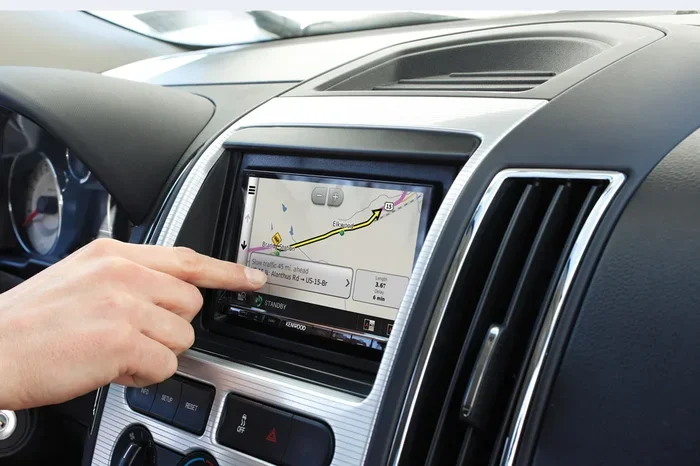
An aftermarket head unit replaces your car’s factory stereo. These infotainment systems include built-in GPS navigation, Bluetooth connectivity, and touchscreen controls. Popular brands include Pioneer, Kenwood, and Alpine.
Most aftermarket head units range from $300 to $800 for the unit alone. Installation costs vary depending on your vehicle’s wiring and dash compatibility. These systems offer the best balance of features and affordability for most car owners.
Many modern aftermarket units support Apple CarPlay and Android Auto. This means you can mirror your phone’s navigation app directly onto the car’s screen. It is like having a built-in system with the flexibility of your favorite phone app.
Factory-Installed Navigation Systems
OEM navigation systems come installed in the vehicle from the manufacturer. These are the most seamless and integrated options. Brands like BMW, Mercedes-Benz, and Audi offer high-end factory navigation with large touchscreens and real-time traffic data.
Factory systems are expensive. Adding navigation to a car that did not come with it can cost anywhere from $1,000 to $2,500 or more. The price includes the unit, professional installation, and sometimes a subscription for live traffic updates.
The benefit is that everything looks and works like it belongs in your car. The screens are large, the interfaces are polished, and the systems integrate with your car’s other features like climate control and audio settings.
Smartphone-Based Navigation
Do not overlook your phone. Apps like Google Maps, Waze, and Apple Maps offer powerful navigation for free. You simply mount your phone on the dashboard or windshield and follow the directions.
This is the cheapest option by far. You may spend $10 to $30 on a phone mount, but the navigation app itself costs nothing. The downside is that phone screens are small, and constant use drains your battery. You also need a reliable data connection for real-time traffic updates.
How Much Does It Cost to Add a Car Navigation System
The cost to add navigation to a car varies widely. Your total bill depends on the type of system you choose, your vehicle, and whether you install it yourself or hire a professional. Here is a detailed breakdown of every cost category.
Portable GPS Units
Portable car GPS devices are the budget-friendly choice. Basic models from Garmin start around $100 and include preloaded maps for the United States and Canada. More advanced models with lifetime map updates and traffic alerts run $200 to $300.
You also need a mounting bracket, which costs $10 to $20. Some models include a suction cup mount in the box, so check before you buy. There are no additional installation costs since you just place the device on your dash or windshield.
| Portable GPS Type | Price Range | Features |
|---|---|---|
| Basic Model | $100 – $150 | Turn-by-turn directions, preloaded maps |
| Mid-Range | $150 – $250 | Traffic alerts, lifetime map updates |
| Premium | $250 – $350 | Lane assist, voice recognition, Wi-Fi |
Aftermarket Navigation Head Units
The unit itself for an aftermarket navigation head unit costs between $300 and $800. Mid-range models from Pioneer and Kenwood offer excellent touchscreen displays, Bluetooth, and backup camera inputs.
Installation adds another $100 to $300 if you hire a professional. The labor cost depends on your vehicle. Simple dash replacements take about one to two hours. More complex installations involving wiring adapters and steering wheel controls can take longer.
Here is a realistic total cost breakdown:
- Mid-range aftermarket unit: $400 to $600
- Professional installation: $100 to $250
- Wiring harness and adapters: $20 to $50
- Total estimated cost: $520 to $900
Factory Navigation System Upgrade
Upgrading to a factory navigation system is the most expensive route. Dealerships charge anywhere from $1,000 to $2,500 for the unit and installation. Some luxury brands charge even more for their proprietary systems.
The cost includes the navigation module, the display screen, the mapping software, and professional installation at the dealership. You may also need to pay for a software activation fee, which can add $100 to $300.
Keep in mind that factory systems often require ongoing subscriptions for live traffic data and real-time weather updates. These subscriptions can cost $50 to $150 per year. Over five years, that adds $250 to $750 to your total ownership cost.
Smartphone Mount and App Setup
This is by far the most affordable option. A quality phone mount costs $10 to $30. Popular brands like iOttie and Scosche make sturdy mounts that hold your phone securely.
Navigation apps like Google Maps and Waze are free to download and use. You only need a data plan on your phone, which you likely already have. Total cost: $10 to $30. It is not as polished as a dedicated system, but it works remarkably well for most drivers.
Factors That Affect Navigation System Installation Cost
Several factors influence the final price of adding navigation to your car. Understanding these helps you budget accurately and avoid surprises.
Your Vehicle Model and Year
Newer vehicles with complex dash designs are harder to work on. Removing panels and accessing wiring takes more time, which increases labor costs. Older cars with simpler dashboards are easier and cheaper to modify.
Luxury vehicles often have proprietary wiring and digital interfaces. Installing an aftermarket system in a BMW or Mercedes costs more than in a Honda or Toyota. Always get a quote specific to your vehicle before committing.
System Features and Capabilities
More features mean a higher price. A basic unit with simple turn-by-turn directions costs less than a system with real-time traffic, voice control, and rear camera integration. Decide which features matter most to you before shopping.
Here are common features and their impact on cost:
- Live traffic updates: Adds $50 to $150 to the unit price
- Voice recognition: Adds $30 to $80
- Backup camera input: Adds $50 to $150 (camera not included)
- Bluetooth connectivity: Usually included in modern units
- Apple CarPlay / Android Auto: Adds $50 to $100
- Wi-Fi hotspot capability: Adds $30 to $60
DIY vs Professional Installation
Installing a navigation system yourself saves on labor costs. If you are comfortable with basic car electronics, a DIY install can cut $100 to $300 off your total bill. You need basic tools like screwdrivers, wire strippers, and a multimeter.
However, professional installation ensures everything works correctly. A pro handles wiring, programming, and integration with your car’s existing systems. For complex setups or luxury vehicles, professional installation is worth the extra cost.
Map Updates and Subscriptions
Many people forget about ongoing costs. Navigation maps need regular updates to stay accurate. Some systems include free lifetime updates, while others charge annually.
Subscription-based services for real-time traffic, weather, and search directories can add $50 to $150 per year. Before buying, check whether the system offers free map updates or requires a paid subscription.
DIY vs Professional Installation: Which Is Right for You?
Choosing between DIY and professional installation is one of the biggest decisions you will make. Both options have clear advantages and drawbacks.
When DIY Makes Sense
DIY installation works best for portable GPS units and simple aftermarket head units. If you have replaced a car stereo before, you can likely handle a navigation system swap. The process involves removing the old head unit, connecting a wiring harness adapter, and mounting the new display.
Many aftermarket units come with detailed installation guides and video tutorials online. Communities on forums and YouTube offer step-by-step walkthroughs for almost every vehicle model. You save money and gain a sense of accomplishment.
Here are signs that DIY is right for you:
- You have basic hand tools and a wiring harness kit
- Your vehicle has a standard dash design
- You feel comfortable working with car electronics
- You want to save $100 to $300 on labor
- You have a weekend afternoon to dedicate to the project
When to Hire a Professional
Professional installation is the better choice for factory navigation upgrades and complex aftermarket systems. If your vehicle has advanced digital wiring, steering wheel controls, or a factory backup camera, a pro will handle the integration smoothly.
Dealerships and specialty car audio shops have the tools and expertise to program navigation systems correctly. They can also integrate the system with your car’s existing features like climate controls and audio settings. This ensures a seamless, factory-quality experience.
You should also consider professional help if the installation involves cutting dashboard panels or running new wiring. Mistakes during installation can damage your vehicle’s electronics or void your warranty. When in doubt, hire a pro.
Tips to Save Money on Navigation System Upgrades
Adding a navigation system does not have to break the bank. With a little planning, you can get great features at a lower cost.
Buy During Sales Events
Retailers often discount car electronics during holiday sales and seasonal promotions. Black Friday, Cyber Monday, and Memorial Day sales offer significant savings on both units and installation services. Plan your purchase around these events to maximize your budget.
Consider Refurbished Units
Refurbished navigation head units can save you 30 to 50 percent off retail prices. Authorized resellers and manufacturer outlets sell certified refurbished units with warranties. These units are tested and verified to work like new.
Use Smartphone Apps as a Temporary Solution
If you are not ready to commit to a permanent system, start with a phone app. This lets you test whether navigation features are right for you before spending hundreds of dollars. Many drivers find that smartphone apps meet their needs entirely.
Compare Installation Quotes
Always get quotes from at least three installers before committing. Prices vary significantly between shops. Ask for a detailed breakdown that includes the unit cost, labor, wiring harness, and any additional fees. This ensures there are no hidden charges.
Check for Bundle Deals
Many retailers offer bundle deals that include the navigation unit, installation, and a backup camera at a discounted price. Bundling saves money compared to purchasing each item separately. Always ask your installer about available packages.
Common Mistakes to Avoid When Adding Navigation
Avoiding common pitfalls saves you time, money, and frustration. Here are mistakes many car owners make when adding a navigation system.
- Skipping the wiring harness adapter: This small part ensures a clean, safe connection. Skipping it can damage your car’s electrical system.
- Choosing a unit without map updates: Outdated maps lead to wrong directions. Always choose a system with free or affordable map updates.
- Ignoring compatibility: Not every head unit fits every vehicle. Check dimensions and compatibility before purchasing.
- Forgetting about data needs: Some navigation systems require a data plan or Wi-Fi connection for real-time features. Factor this into your ongoing costs.
- Underestimating installation time: A rushed installation leads to loose connections and poor performance. Allow enough time or hire a professional.
Expert Insights on Car Navigation Costs
We spoke with several automotive electronics specialists to get their take on the current navigation system pricing landscape. Their insights confirm that the market has become more affordable over the past few years.
“The biggest shift we have seen is the rise of Apple CarPlay and Android Auto,” says Mark Torres, a car audio specialist with over 15 years of experience. “Many drivers no longer need a dedicated navigation unit because their phone does the job. A basic head unit with CarPlay support costs around $300 and covers most navigation needs.”
Torres also notes that GPS upgrade costs have dropped significantly. “Ten years ago, a decent navigation head unit cost $700 or more. Today, you can get a solid unit with touchscreen and Bluetooth for under $400. The technology has become much more accessible.”
Another expert, Sarah Chen, an automotive tech reviewer, emphasizes the importance of future-proofing. “Choose a system that receives regular software updates. A cheap unit today may become obsolete in two years if the manufacturer stops supporting it.”
Key Takeaways
- Portable GPS units are the most affordable option, starting around $100 to $200.
- Aftermarket head units with built-in navigation typically cost between $300 and $800.
- Factory-installed navigation systems can range from $1,000 to $2,500 or more.
- Professional installation adds $100 to $300 on top of the unit cost.
- DIY installation can save you significant money if you have basic car tech skills.
- Smartphone apps offer a free or low-cost alternative to traditional navigation systems.
- Ongoing costs like map updates and subscriptions can add $50 to $150 per year.
Frequently Asked Questions
Is it cheaper to use a phone app instead of a built-in navigation system?
Yes, using a phone app like Google Maps or Waze is significantly cheaper. The app is free, and you only need a phone mount that costs $10 to $30. However, a built-in system offers a larger screen, better integration, and does not drain your phone battery while driving.
Can I install a navigation system myself?
Yes, many aftermarket navigation head units are designed for DIY installation. If you have basic experience with car electronics and the right tools, you can save $100 to $300 on labor costs. Portable GPS units are even easier since they require no permanent installation.
How often do I need to update maps on my navigation system?
Most manufacturers recommend updating maps at least once a year. Roads change, new businesses open, and traffic patterns shift. Many modern systems offer free lifetime map updates, while older or budget units may charge $20 to $50 per update.
Does adding a navigation system void my car warranty?
Not necessarily. If the installation is done properly and does not damage your vehicle’s electrical system, it should not void your warranty. However, if a dealer can prove that the installation caused a problem, they may deny the related warranty claim. Professional installation reduces this risk.
What is the lifespan of a car navigation system?
A quality navigation system lasts five to ten years with proper care. Portable GPS units tend to last longer because they are not exposed to the same heat and vibration as built-in systems. Aftermarket head units may need replacement as technology advances and map support ends.
Do I need a data plan for a built-in navigation system?
It depends on the features you want. Basic navigation with preloaded maps does not require a data plan. However, real-time traffic updates, live weather, and search features need an internet connection. Some systems use your phone’s hotspot, while others require a dedicated data plan costing $10 to $30 per month.
Conclusion
The cost to add a car navigation system depends on the type of system, your vehicle, and your installation preferences. Portable GPS units offer the most affordable entry point at around $100. Aftermarket head units provide the best value for most drivers, costing between $300 and $800 for the unit and installation combined. Factory upgrades deliver the premium experience but come with a price tag of $1,000 to $2,500 or more.
Smartphone apps remain the cheapest option at under $30, and they work surprisingly well for everyday navigation. The key is to assess your needs honestly. Do you need turn-by-turn directions on long road trips, or do you just want occasional guidance in unfamiliar areas?
Whatever your budget, there is a navigation solution that fits. Consider the ongoing costs like map updates and subscriptions when making your decision. And whether you choose to install the system yourself or hire a professional, the investment pays off in convenience, safety, and confidence every time you get behind the wheel.
Take your time, compare your options, and choose the system that makes the most sense for your car and your lifestyle. A good car navigation system is not just a luxury. It is a practical tool that makes every drive easier and more enjoyable.
Frequently Asked Questions
What is How Much Does It Cost to Add a Navigation System??
How Much Does It Cost to Add a Navigation System? is an important topic with many practical applications.