Kawasaki FX801V Engine Problems Solved with These Tips
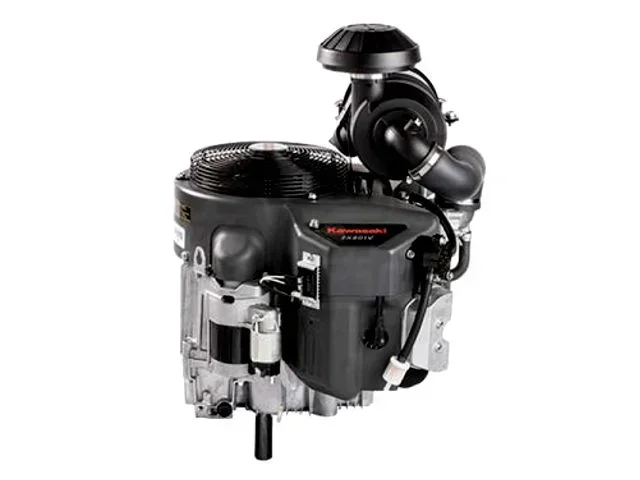
The Kawasaki FX801V is a powerful V-twin engine, but it can develop problems like starting issues, overheating, and power loss. This guide walks you through the most common Kawasaki FX801V engine problems with clear, step-by-step solutions. You will learn how to diagnose issues, perform basic fixes, and keep your engine running smoothly for years to come.
The Kawasaki FX801V engine is a workhorse. You find it in generators, pressure washers, and other heavy-duty equipment. It is known for reliability and durability. But like any engine, it is not immune to problems. When things go wrong, it can be frustrating. You might wonder if the repair will cost a fortune or if you can handle it yourself.
This guide covers the most common Kawasaki FX801V engine problems you will face. More importantly, it gives you the tools and knowledge to fix them. We break down each issue into simple, easy-to-follow steps. Whether you are a beginner or a seasoned DIYer, you will find something useful here. Let us dive in and get your engine running right again.
## Common Kawasaki FX801V Engine Problems
The FX801V is a solid engine, but it has its quirks. Understanding the common problems helps you act fast. Early detection saves you time and money. Here are the issues owners report most often.
### Engine Won’t Start
This is the number one complaint among FX801V owners. You turn the key, and nothing happens. It is a helpless feeling, especially when you need the equipment running. The good news is that this problem usually has a simple cause.
Dead or weak battery is the first thing to check. If the engine cranks slowly or not at all, the battery may be to blame. Use a multimeter to test the voltage. It should read around 12.6 volts when fully charged.
Faulty spark plugs are the next most common cause. Over time, spark plugs wear out. They develop carbon buildup or electrode erosion. This prevents the spark that ignites the fuel. Pull the spark plug and inspect it. If it looks black and sooty, replace it.
Fuel delivery problems can also stop your engine from starting. The fuel line might be clogged. The fuel filter could be blocked. Old fuel that has been sitting in the tank can gum up the system. Always use fresh fuel and replace the fuel filter regularly.
### Engine Overheating
Engine overheating is serious. It can cause permanent damage if you ignore it. The FX801V runs hot under load, and that is normal. But if the temperature gauge climbs into the red zone, something is wrong.
Low coolant levels are a leading cause. Check the coolant reservoir and top it off if needed. Look for leaks around the hoses and radiator. A small crack in a hose can cause a big problem over time.
Dirty or clogged cooling fins can also trap heat. The engine relies on airflow to stay cool. Debris like grass, dirt, and dust block the fins. Clean them regularly with a soft brush or compressed air.
Oil level and quality matter too. Low oil means more friction and more heat. If you are unsure whether your oil level is dropping on the dashboard, check the dipstick frequently. Some engine oil warnings show up as dashboard alerts, so pay attention to any warning lights.
### Power Loss and Stalling
You are working hard, and suddenly the engine loses power. It sputters, struggles, or stalls completely. This is not only annoying, it is dangerous if you are using equipment like a pressure washer.
A clogged carburetor is the usual suspect. Fuel varnish builds up over time and blocks the tiny passages. The engine gets too much air or too little fuel. The result is a lean mixture that causes power loss and stalling.
A dirty air filter restricts airflow to the engine. The engine chokes and cannot breathe properly. This is one of the easiest problems to fix. You can clean your engine air filter instead of replacing it in most cases. A simple cleaning with soap and water can restore proper airflow.
Fuel quality also plays a role. Old or contaminated fuel burns poorly. It leaves deposits that clog jets and passages. Always use fresh fuel and add a fuel stabilizer if the equipment will sit for a while.
## Diagnosing Your FX801V Engine Problems
Diagnosis is the most important step. You need to know what is wrong before you can fix it. Many people jump to conclusions and replace parts they do not need. A little detective work goes a long way.
### Check the Spark Plug First
The spark plug tells you a lot about your engine’s health. Pull it out and look at the condition. A healthy spark plug has a light tan or grayish color on the electrode.
Black and sooty deposits mean the engine is running rich. Too much fuel is entering the combustion chamber. This often points to a carburetor problem.
White and chalky deposits mean the engine is running lean. Not enough fuel is reaching the cylinders. This could be a fuel delivery issue or a vacuum leak.
Oil fouling shows up as black, wet deposits. This means oil is entering the combustion chamber. It could indicate worn piston rings or valve seals.
### Inspect the Fuel System
The fuel system delivers gas to the engine. If any part of it fails, the engine suffers. Start by checking the fuel tank. Look for rust, debris, or water in the fuel.
Next, inspect the fuel lines. Cracks, splits, or soft spots mean the line needs replacing. The fuel filter should be changed at regular intervals. A clogged filter starves the engine of fuel.
Finally, check the fuel pump. It should deliver consistent fuel pressure. If the pump is weak, the engine will sputter under load. You can have this checked at a shop like Autozone for engine diagnostics if you are unsure how to test it yourself.
### Listen for Unusual Sounds
Your ears are one of the best diagnostic tools. A healthy engine runs smooth and steady. Any new sound deserves your attention.
Knocking sounds often indicate low octane fuel or worn bearings. Clicking noises might mean a loose rocker arm or low oil. Hissing sounds could point to a vacuum leak or overheating.
Write down what you hear and when it happens. This information helps you and any mechanic you consult. It is also valuable if you need to run diagnostics without a check engine light on your equipment.
## How to Fix Kawasaki FX801V Engine Problems
Now that you know how to diagnose problems, let us talk about fixing them. Most common FX801V issues can be resolved with basic tools and a little patience.
### Cleaning the Carburetor
A dirty carburetor causes more engine problems than almost anything else. The good news is that cleaning it is not as hard as it sounds.
Start by turning off the fuel valve. Remove the carburetor bowl and drain the old fuel. Use a carburetor cleaner spray to dissolve varnish and deposits. Pay special attention to the jets and passages. They are tiny and easily clogged.
After cleaning, reassemble the carburetor. Replace the gasket if it looks worn. Turn the fuel valve back on and try starting the engine. You should notice an immediate improvement in performance.
### Replacing the Spark Plug
Spark plug replacement is one of the simplest maintenance tasks. You should change the plug every 100 hours of operation or at least once a year.
Remove the old spark plug with a socket wrench. Check the gap on the new plug before installing it. The gap should match the specification in your owner’s manual. Thread the new plug in by hand first to avoid cross-threading. Then tighten it with the wrench. Do not over-tighten.
### Checking and Topping Off Coolant
Keeping the coolant at the right level prevents overheating. Check the coolant reservoir before each heavy use session.
If the level is low, add the recommended coolant type. Do not mix different coolant brands or colors. They can react and form sludge that clogs the system. Also, check the radiator cap for a proper seal. A faulty cap can cause coolant to boil off prematurely.
## Preventive Maintenance for Your FX801V
Prevention is always better than repair. A little regular maintenance goes a long way in keeping your Kawasaki FX801V engine healthy.
### Stick to a Maintenance Schedule
Create a simple maintenance schedule and follow it. Here is a basic timeline to keep in mind:
- Every 25 hours: Check oil level and top off if needed.
- Every 50 hours: Change the engine oil and oil filter.
- Every 100 hours: Replace the spark plug and air filter.
- Every 200 hours: Clean the carburetor and check the fuel filter.
- Every 500 hours: Perform a full system inspection including coolant flush.
Following this schedule catches small problems before they become big ones. It also extends the life of your engine significantly.
### Use Quality Fuel and Oil
Cheap fuel and oil might save you a few dollars now. But they cost you more in the long run. Poor quality fuel leaves deposits that clog the fuel system. Low quality oil does not lubricate properly. This increases wear and tear on engine components.
Always use fresh gasoline with an octane rating of 87 or higher. For oil, use the grade recommended in your owner’s manual. Kawasaki specifies certain oil weights for the FX801V, and they are not optional suggestions. They are requirements for optimal performance.
### Store Your Equipment Properly
How you store your equipment affects engine health. If you store it for the winter or during off-seasons, take precautions.
Drain the fuel tank or add a fuel stabilizer. Run the engine for a few minutes after adding stabilizer to distribute it through the system. Keep the equipment in a dry, cool place. Moisture causes rust and corrosion inside the engine.
## When to Seek Professional Help
Not every problem is a DIY fix. Knowing your limits saves you time and money. Some issues require professional tools and expertise.
### Signs You Need a Mechanic
If you notice persistent knocking that does not go away after basic fixes, see a professional. This could indicate internal engine damage. Blue or white smoke that continues after addressing the air filter and fuel system is another red flag.
If your check engine light stays on after you have checked the obvious causes, a diagnostic scan may be needed. Sometimes the issue is deeper than what you can see. A professional has the tools to read error codes and pinpoint the problem.
### Cost Considerations
Professional repairs can be expensive. But sometimes they are necessary. A major engine rebuild or replacement costs significantly more than regular maintenance. If you keep up with preventive care, you avoid most costly repairs.
Get quotes from at least two repair shops before committing. Ask about their experience with Kawasaki engines specifically. Not every mechanic is familiar with the FX801V model, and specialized knowledge matters.
## Final Thoughts
The Kawasaki FX801V engine is a reliable powerhouse when you take care of it. Most problems stem from neglect or simple maintenance oversights. Starting issues, overheating, and power loss are all manageable with the right knowledge and a little effort.
Stay on top of your maintenance schedule. Use quality fuel and oil. Listen to your engine when it tells you something is wrong. These habits keep your FX801V running strong for years.
You do not need to be a mechanic to handle most common problems. With the tips in this guide, you can tackle issues confidently and save money on repairs. Your engine will thank you for it.
Key Takeaways
- Starting problems are the most common issue with the Kawasaki FX801V and are often caused by spark plugs or fuel delivery.
- Engine overheating can damage your engine fast if you ignore it, so check the cooling system regularly.
- Power loss and stalling usually point to a clogged carburetor or dirty air filter.
- Regular maintenance like oil changes and spark plug replacements prevents most FX801V problems.
- Knowing when to call a pro saves you time and avoids costly mistakes.
Frequently Asked Questions
What are the most common Kawasaki FX801V engine problems?
The most common problems include engine starting issues, overheating, power loss, and stalling. Most of these are caused by spark plug wear, fuel system clogs, or low coolant levels. Regular maintenance catches these issues early.
How often should I change the spark plug on my FX801V?
You should replace the spark plug every 100 hours of operation or at least once a year. Check the spark plug more frequently if you use the engine in dusty or dirty conditions. A clean spark plug ensures reliable starting and smooth operation.
Why does my Kawasaki FX801V engine overheat?
Overheating is usually caused by low coolant, clogged cooling fins, or poor oil levels. Debris like grass and dirt can block airflow to the engine fins. Check your coolant and oil levels regularly to prevent overheating.
Can I fix a clogged carburetor myself?
Yes, cleaning a clogged carburetor is a straightforward DIY task. You need a carburetor cleaner spray, a socket wrench, and about 30 minutes of time. Remove the bowl, spray the passages, and reassemble. You can also learn more about engine cooling to understand how heat affects your engine performance.
What type of oil does the Kawasaki FX801V use?
The FX801V typically requires 10W-30 or 10W-40 synthetic or semi-synthetic engine oil. Always check your owner’s manual for the exact specification. Using the wrong oil weight can cause increased wear and poor engine performance.
How can I prevent engine problems on my FX801V?
Follow a regular maintenance schedule, use quality fuel and oil, and store equipment properly during off-seasons. Changing the oil, spark plugs, and air filter at recommended intervals prevents most common problems. Consistent care keeps your engine running reliably.
=== CONCLUSION ===
The Kawasaki FX801V engine is built to last, but it needs your attention. Engine problems do not have to be scary or expensive. With the right knowledge, you can diagnose and fix most issues yourself. Start with the simple stuff like spark plugs, air filters, and fuel quality. Work your way up to more involved fixes like carburetor cleaning and cooling system checks.
Remember that prevention beats repair every time. A little regular maintenance saves you from big headaches down the road. Keep your maintenance log, use good fuel, and listen to your engine.
If a problem feels beyond your skill level, do not hesitate to seek professional help. The goal is to keep your FX801V running strong and reliable. Use the tips in this guide, and you will be well on your way to solving any Kawasaki FX801V engine problem that comes your way.