Is Volvo a Luxury Brand or Are You Really Paying For It
So, is Volvo a luxury brand? The short answer is yes — but with important nuances. Volvo sits in the premium luxury segment, offering high-end features and Scandinavian design without the price tags of German rivals like Mercedes or BMW. You pay for quality, safety, and refinement, but you may get lower maintenance costs and better reliability than traditional luxury brands.
For years, the car world has debated a simple question: is Volvo a luxury brand? Some people see the Swedish automaker as a safe, sensible choice for families. Others point to the plush interiors, premium materials, and high price tags and call it luxury through and through. The truth is somewhere in between, and it is more interesting than you might think.
Volvo has come a long way from its roots building safe wagons for Swedish families. Today, the brand competes directly with BMW, Mercedes-Benz, Audi, and Lexus. It offers sleek sedans, rugged SUVs, and even electric vehicles that rival anything on the luxury market. But does that automatically make Volvo a luxury brand? Let us break it all down.
In this guide, we will look at every angle of Volvo’s brand positioning. We will cover pricing, features, design philosophy, maintenance costs, and how Volvo stacks up against its main rivals. By the end, you will have a clear answer to the question of whether Volvo deserves its luxury label — or whether you are paying for something else entirely.
Key Takeaways
- Volvo is a luxury brand: It holds a premium luxury position, competing with BMW, Mercedes-Benz, and Audi in the upscale market.
- Scandinavian design sets Volvo apart: Minimalist interiors, clean lines, and sustainable materials give Volvo a unique identity in the luxury space.
- Safety is Volvo’s biggest differentiator: No other luxury brand prioritizes safety as heavily as Volvo does, making it a standout choice.
- Ownership costs are lower than German rivals: Volvo generally costs less to maintain and repair compared to BMW or Mercedes-Benz.
- Volvo’s resale value is moderate: It depreciates faster than some rivals but holds value better than non-luxury brands.
- You get luxury features at a lower price: Volvo offers leather, advanced tech, and premium finishes at more accessible price points.
- Volvo is not a mass-market brand: It targets buyers who want refinement without the flashiness of traditional luxury marques.
📑 Table of Contents
- What Makes a Brand a Luxury Brand?
- The Case for Volvo as a Luxury Brand
- How Volvo Compares to Traditional Luxury Brands
- The Cost of Owning a Volvo: Is It Worth It?
- Volvo’s Unique Identity: Why It Matters
- Common Misconceptions About Volvo
- Who Should Buy a Volvo?
- Final Thoughts: Is Volvo a Luxury Brand?
What Makes a Brand a Luxury Brand?
Before we decide if Volvo qualifies, we need to agree on what “luxury brand” actually means. The term gets thrown around a lot, but it has specific criteria that car buyers and industry experts use to judge brands.
The Core Traits of a Luxury Brand
A luxury brand typically checks several boxes. These are the key factors that separate luxury from mainstream:
- Premium pricing: Luxury vehicles cost significantly more than their non-luxury counterparts. You are paying for exclusivity and elevated craftsmanship.
- High-end materials: Think leather upholstery, real wood trim, soft-touch plastics, and metal accents. Every surface should feel expensive.
- Advanced technology: Luxury brands pack their cars with cutting-edge features — from premium sound systems to advanced driver assistance.
- Refined driving experience: Smooth rides, quiet cabins, and powerful yet refined engines are hallmarks of the luxury segment.
- Brand prestige: There is a social and emotional component. Luxury brands carry a certain status and cachet.
- Exceptional service: Luxury buyers expect white-glove treatment at the dealership, from loaner cars to concierge service.
Now let us see how Volvo measures up against each of these criteria.
The Case for Volvo as a Luxury Brand
There is a strong argument that Volvo belongs firmly in the luxury category. Let us walk through the reasons why.
Premium Pricing and Positioning
Volvo vehicles are not cheap. A new Volvo XC90 starts around $55,000, and that is before options. The XC60, the brand’s best-selling SUV, starts near $40,000. The S60 sedan begins at about $42,000. These prices put Volvo squarely in the luxury segment, competing head-to-head with the BMW X3, Mercedes-Benz GLC, and Audi Q5.
When you compare these prices to mainstream brands like Honda or Toyota, the gap is obvious. Volvo prices its vehicles to reflect the premium experience they offer. The brand does not play in the budget or economy space. Every model is positioned as an upscale alternative to mass-market options.
Design and Interior Quality
Volvo’s design language is unmistakable. The brand leans into Scandinavian minimalism — clean lines, uncluttered interiors, and a focus on function paired with beauty. Inside a Volvo, you will find:
- Soft leather upholstery across seats and dashboards
- Real wood or aluminum trim pieces that feel refined under your fingers
- Large touchscreen displays with intuitive interfaces
- Ambient lighting that creates a calm, elegant atmosphere
- Superb noise insulation that keeps the cabin quiet at highway speeds
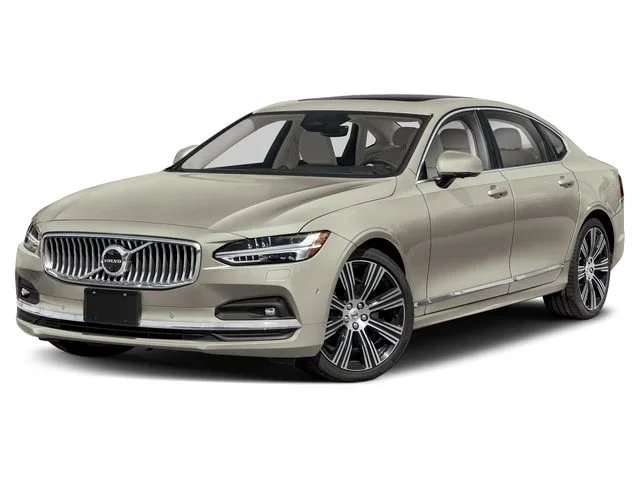
The interior quality of a Volvo is genuinely comparable to what you find in a BMW 5 Series or Mercedes-Benz E-Class. The materials are premium, the fit and finish is excellent, and every detail feels intentional. This is not the kind of thing you see in a mainstream family car.
The Safety Reputation
Here is where Volvo truly stands apart. No other luxury brand — not even Mercedes-Benz — has made safety its defining identity the way Volvo has. The Swedish automaker invented the three-point seatbelt and has spent decades pushing the boundaries of crash safety.
Volvo’s City Safety system comes standard on every model. It includes automatic emergency braking, pedestrian detection, and cyclist awareness. The brand consistently earns top safety ratings from both the NHTSA and the Insurance Institute for Highway Safety. For many buyers, this commitment to safety is a core part of the luxury experience — because feeling safe in your car is a luxury in itself.
Technology and Innovation
Volvo keeps up with the latest tech trends. The brand offers Pilot Assist, its semi-autonomous driving system, which handles steering, acceleration, and braking on highways. The Sensus infotainment system features a large vertical touchscreen, wireless Apple CarPlay and Android Auto, and over-the-air software updates.
Volvo has also embraced electrification aggressively. The EX90 all-electric SUV and the XC40 Recharge plug-in hybrid show that the brand is investing heavily in the future. These are not technologies you find in economy cars — they are luxury-grade innovations.
How Volvo Compares to Traditional Luxury Brands
To really understand Volvo’s place in the luxury world, we need to compare it directly to the brands most people think of when they hear “luxury car.”
Volvo vs. BMW
BMW is the gold standard for driving-focused luxury. The German brand emphasizes sporty handling, powerful engines, and a driver-centric experience. Volvo takes the opposite approach — it prioritizes comfort, calm, and relaxation over sportiness.
Where a BMW might feel exciting to drive, a Volvo feels serene. Both are luxury brands, but they target different buyer personalities. If you want a car that feels like a relaxing sanctuary, Volvo wins. If you want a car that makes you feel alive behind the wheel, BMW is the choice.
Volvo vs. Mercedes-Benz
Mercedes-Benz is the largest and most established luxury brand in the world. It offers everything from entry-level C-Class sedans to ultra-luxury S-Class limousines. Mercedes has more brand prestige and a wider model range than Volvo.
However, Mercedes ownership costs are significantly higher. Maintenance, repairs, and parts all cost more on a Mercedes than on a Volvo. If you want the luxury experience without the luxury price tag for upkeep, Volvo offers a compelling alternative.
Volvo vs. Lexus
Lexus is Toyota’s luxury division, and it is one of the strongest competitors to Volvo. Both brands emphasize reliability and comfort. Both offer serene driving experiences and premium interiors.
The main difference is brand heritage. Lexus has decades of luxury credibility, while Volvo is still building its luxury reputation in the eyes of many consumers. In terms of actual ownership experience, though, the two brands are remarkably similar. Both offer excellent warranty coverage and lower-than-average maintenance costs.
Volvo vs. Audi
Audi is known for its Quattro all-wheel-drive system, refined interiors, and sophisticated technology. Volvo competes in the same segment but takes a different approach. While Audi leans into high-tech and performance, Volvo leans into understated elegance and safety.
Audi has a slight edge in brand cachet, but Volvo has an edge in value. You typically get more standard features on a Volvo than on a comparably priced Audi.
| Brand | Starting Price (Approx.) | Luxury Position | Key Strength |
|---|---|---|---|
| Volvo | $40,000 – $55,000 | Premium Luxury | Safety and Scandinavian design |
| BMW | $45,000 – $60,000 | Luxury / Performance | Driving dynamics and brand prestige |
| Mercedes-Benz | $45,000 – $65,000 | Full Luxury | Prestige and model range |
| Lexus | $40,000 – $55,000 | Premium Luxury | Reliability and comfort |
| Audi | $43,000 – $58,000 | Premium Luxury | Technology and Quattro AWD |
The Cost of Owning a Volvo: Is It Worth It?
One of the biggest questions for anyone considering a luxury car is: what will it cost me over time? Volvo is generally more affordable to own than its German rivals, but it is still a premium brand, so costs are higher than a Toyota or Honda.
Maintenance and Repairs
Volvo maintenance costs fall between mainstream brands and traditional luxury brands. An oil change on a Volvo typically costs around $150 to $200, which is less than what you would pay for a BMW or Mercedes. Major services are also reasonably priced compared to the German competition.
If you are leasing a luxury vehicle, keep in mind that you can modify a leased car to some extent, but major modifications may violate your lease terms. Always check your lease agreement before making changes to a Volvo or any luxury vehicle.
Insurance Costs
Volvo insurance costs are moderate for a luxury brand. The brand does not have the performance reputation of BMW or Mercedes, which can keep insurance premiums lower. However, repair costs for Volvo parts are higher than for mainstream brands, which can offset some of those savings.
Depreciation and Resale Value
Volvo vehicles depreciate at a moderate rate. They do not hold value as well as Lexus or Toyota models, but they depreciate slower than some German luxury brands. After three years, a Volvo typically retains about 55% to 60% of its original value, which is respectable for a luxury brand.
Dealer Fees and Service Experience
When you visit a Volvo dealership, you can expect a professional and polished experience. The brand does not charge excessive diagnostic fees compared to other luxury brands. Service appointments are generally straightforward, and loaner vehicles are often available for longer service visits. The overall ownership experience is smooth and hassle-free.
Volvo’s Unique Identity: Why It Matters
What makes Volvo special is that it does not try to be something it is not. While BMW markets excitement and Mercedes markets prestige, Volvo markets safety, simplicity, and sustainability. This unique identity gives the brand a clear position in the luxury market.
The Scandinavian Philosophy
Volvo’s design and engineering philosophy comes straight from Sweden. The concept of lagom — meaning “just the right amount” — runs through everything the brand does. Interiors are not cluttered with unnecessary features. Exteriors are not overdesigned with aggressive styling. Everything is balanced, proportioned, and purposeful.
This approach resonates with buyers who are tired of flashier luxury brands. Volvo appeals to people who want substance over style — professionals, families, and individuals who value quality and thoughtfulness over brand logos and status symbols.
Sustainability and Ethics
Volvo has made bold commitments to sustainability. The brand plans to go fully electric by 2030. It uses recycled and sustainable materials throughout its interiors. Volvo also has a strong stance against unethical practices in its supply chain. For eco-conscious luxury buyers, these commitments add to the brand’s appeal.
While other luxury brands talk about sustainability, Volvo backs it up with concrete action. This authenticity gives the brand an edge in a market where consumers are increasingly looking for genuine commitment to environmental responsibility.
Common Misconceptions About Volvo
There are several myths about Volvo that prevent some buyers from taking the brand seriously as a luxury option. Let us clear a few of them up.
“Volvo Is Just a Safe Car Brand”
Safety is Volvo’s most famous attribute, but the brand is so much more than that. Volvo vehicles are luxurious, well-engineered, and technologically advanced. The safety focus actually enhances the luxury experience — a car that protects you and your family is the ultimate luxury.
“Volvo Is Too Expensive”
Compared to a Honda Accord or Toyota Camry, yes, Volvo is expensive. But compared to a BMW 5 Series or Mercedes-Benz E-Class, Volvo is actually quite competitive. The brand offers luxury features at a lower entry price than most German rivals, making it an excellent value proposition.
“Volvo Has No Driving Fun”
While Volvo is not a sports car brand, its vehicles are genuinely enjoyable to drive. The Polestar performance variant of the Volvo line adds serious power and handling prowess. Even the standard models offer composed, confident driving dynamics that rival the competition.
Who Should Buy a Volvo?
Volvo is ideal for buyers who want a luxury experience without the flash and expense of traditional German brands. The brand is perfect for:
- Families who prioritize safety and space
- Professionals who appreciate understated elegance
- Eco-conscious buyers who want sustainable luxury
- Value seekers who want luxury features at a fair price
- First-time luxury buyers who want a gentler entry into the premium segment
If you fall into any of these categories, Volvo deserves a serious look. The brand delivers a complete luxury experience that is refined, safe, and practical.
Final Thoughts: Is Volvo a Luxury Brand?
The answer to the question is Volvo a luxury brand is a resounding yes. Volvo checks every box that defines a luxury automaker. It charges premium prices. It uses high-end materials. It offers cutting-edge technology. It provides a refined, comfortable driving experience. And it competes directly with BMW, Mercedes-Benz, Audi, and Lexus.
What makes Volvo different is its unique identity. It is not trying to be the most exciting or the most prestigious. It is trying to be the most thoughtful, the safest, and the most sustainable. For buyers who value these qualities, Volvo is not just a luxury brand — it is the right luxury brand.
If you are in the market for a luxury vehicle and have not yet considered Volvo, it is time to give the brand a serious look. Schedule a test drive at your local dealership and experience the Volvo difference for yourself. You might just find that Volvo luxury is exactly what you have been looking for.
Whether you are buying new or exploring options like leasing a used luxury vehicle, Volvo offers a compelling package that is hard to beat. The brand proves that luxury does not have to mean overpriced or impractical — sometimes, it just means getting it right.
Frequently Asked Questions
Is Volvo considered a luxury brand or a premium brand?
Volvo is widely considered a luxury brand, though some industry analysts place it in the “premium luxury” category. It competes directly with BMW, Mercedes-Benz, Audi, and Lexus, and its vehicles come with premium pricing, high-end materials, and luxury features. The brand sits just below ultra-luxury marques like Rolls-Royce but firmly within the mainstream luxury segment.
What makes Volvo different from other luxury brands?
Volvo’s biggest differentiator is its focus on safety. No other luxury brand prioritizes crash safety and driver protection the way Volvo does. Additionally, the brand’s Scandinavian design philosophy emphasizes simplicity, sustainability, and understated elegance. Volvo also tends to have lower ownership costs than its German rivals, making it a smart choice for luxury buyers who want value.
Are Volvo maintenance costs higher than non-luxury brands?
Yes, Volvo maintenance costs are higher than mainstream brands like Toyota or Honda, but they are lower than traditional luxury brands like BMW or Mercedes-Benz. An oil change at a Volvo dealership typically costs between $150 and $200, and major services are reasonably priced. Overall, Volvo is one of the more affordable luxury brands to own and maintain.
Does Volvo hold its value better than BMW or Mercedes?
Volvo holds its value better than most German luxury brands but not as well as Lexus. After three years, a Volvo typically retains about 55% to 60% of its original value. BMW and Mercedes-Benz tend to depreciate slightly faster, while Lexus generally holds value the best among luxury brands. Volvo’s resale is solid for the segment.
Can I lease a used Volvo, and is it a good idea?
Yes, you can lease a used Volvo through certified pre-owned programs or some dealerships. Leasing a used luxury vehicle can be a smart way to enjoy the Volvo experience at a lower monthly payment. Just be sure to check the warranty coverage and maintenance history before signing any lease agreement.
Is Volvo’s luxury experience worth the price compared to Lexus?
Both Volvo and Lexus offer excellent luxury experiences, but they appeal to different buyers. Volvo offers more driving engagement and Scandinavian design flair, while Lexus offers superior reliability and a more established luxury reputation. If you value safety and design, Volvo is worth the price. If you prioritize long-term reliability, Lexus has the edge.
=== CONCLUSION ===
So, is Volvo a luxury brand? Absolutely. Volvo earns its place in the luxury market through premium pricing, high-quality materials, advanced technology, and a unique identity built on safety and Scandinavian design. The brand may not have the flash of BMW or the prestige of Mercedes-Benz, but it delivers a thoughtful, refined luxury experience that stands on its own merits.
Whether you are comparing Volvo to its rivals or exploring your first luxury purchase, the brand offers something genuinely special. It is luxury with a conscience — safe, sustainable, and surprisingly affordable to own. Do not let the quiet exterior fool you. Under the skin, Volvo is a true luxury player that deserves your attention.