How Long Do BMW Tires Last Before You Need New Ones
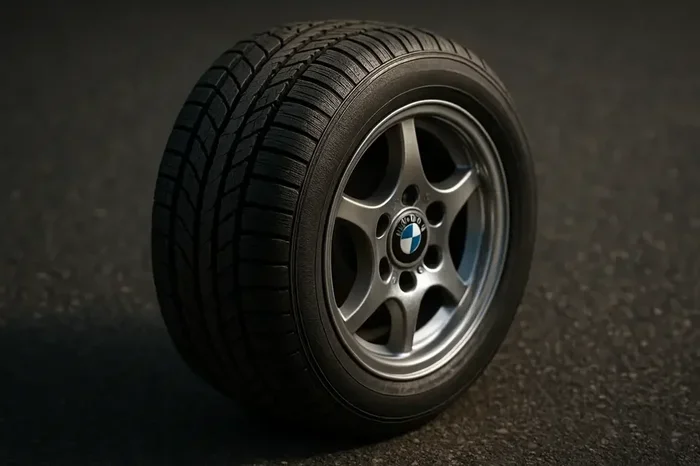
BMW tires typically last between 25,000 and 45,000 miles, but the exact lifespan depends on tire type, driving habits, and maintenance. Understanding when your BMW tires need replacement keeps you safe and saves money. This guide covers everything from tread wear to replacement timing.
BMW tires are built to handle the power and precision of a luxury sports sedan or SUV. But even the best tires don’t last forever. If you own a BMW, you have probably wondered how long your tires will actually last before you need to buy a new set.
The answer is not as simple as a single number. Many factors play a role in tire wear. Your driving style, road conditions, tire type, and maintenance routine all matter. On average, BMW tires last between 25,000 and 45,000 miles. But some drivers push them further, while others need replacements sooner.
In this guide, we break down everything you need to know about BMW tire lifespan. You will learn what affects tire wear, how to spot the warning signs, and simple tips to make your tires last longer. Whether you drive a BMW 3 Series or an X5, this article has you covered.
Key Takeaways
- Average Lifespan: Most BMW tires last 25,000 to 45,000 miles depending on type and driving conditions.
- Run-Flat Tires: BMW run-flat tires may need replacement sooner due to their stiffer construction.
- Driving Habits Matter: Aggressive driving, hard braking, and sharp turns wear tires faster.
- Regular Maintenance: Tire rotations, proper inflation, and wheel alignment significantly extend tire life.
- Age Matters Too: Tires older than 5 to 6 years should be inspected regardless of tread depth.
- Replacement Signs: Watch for tread wear indicators, cracks, and uneven wear patterns.
- Quality Pays Off: Premium tires often last longer and perform better than budget options.
📑 Table of Contents
- How Long Do BMW Tires Typically Last
- Factors That Affect BMW Tire Lifespan
- BMW Tire Types and Their Durability
- Signs Your BMW Tires Need Replacement
- How to Extend the Life of Your BMW Tires
- BMW Tire Replacement: What to Expect
- Common Mistakes That Shorten BMW Tire Life
- Expert Insights on BMW Tire Longevity
- Final Thoughts
How Long Do BMW Tires Typically Last
The general range for BMW tire lifespan is 25,000 to 45,000 miles. But this range is broad for a reason. Different tire categories wear at different rates. Let us look at what you can expect.
Standard All-Season Tires
Most BMW models come equipped with all-season tires from the factory. These tires are designed for a balance of comfort, traction, and durability. On average, BMW all-season tires last about 30,000 to 40,000 miles. Drivers who stick to highway cruising and gentle acceleration often hit the upper end of that range.
Performance and Summer Tires
BMW performance tires offer incredible grip and handling. But they trade durability for that extra grip. The softer rubber compound wears down faster. You can expect BMW performance tires to last around 20,000 to 30,000 miles. If you enjoy spirited driving or track days, you may need replacements even sooner.
Run-Flat Tires
Many BMW models use run-flat tires. These tires allow you to drive a limited distance even after a puncture. However, the stiffer sidewall construction can lead to a harsher ride and faster wear. BMW run-flat tires typically last 25,000 to 35,000 miles. The trade-off is convenience and safety in emergency situations.
Winter Tires
If you use dedicated winter tires, expect them to last 20,000 to 30,000 miles. Winter rubber compounds are softer to stay flexible in cold temperatures. This softness means they wear faster during use. Most BMW owners switch between summer and winter tires seasonally, which helps extend the overall life of each set.
Factors That Affect BMW Tire Lifespan
Not all BMW tires wear the same way. Several key factors determine how quickly your tires degrade. Understanding these factors helps you make smarter decisions about maintenance and replacement.
Driving Style
How you drive has a huge impact on tire wear. Aggressive acceleration, hard cornering, and sudden braking all eat up tread faster. Smooth, predictable driving helps your tires last longer. Think of it this way: the gentler you are with your car, the longer your tires will serve you.
Road Conditions
Driving on rough roads, gravel, or construction zones wears tires down quickly. Potholes and sharp debris can cause sidewall damage too. If you frequently drive on poorly maintained roads, your BMW tires may wear out faster than expected. Urban driving with lots of stops and starts also adds wear compared to steady highway cruising.
Tire Pressure
Underinflated tires are one of the biggest killers of tire life. When tire pressure is too low, the sidewall flexes more. This creates excess heat and uneven wear on the outer edges of the tread. Overinflated tires, on the other hand, wear down the center of the tread faster. Check your tire pressure at least once a month. The recommended pressure for your BMW is listed on the driver-side door jamb.
Wheel Alignment
Poor wheel alignment causes tires to scrub against the road at an angle. This leads to uneven wear, often called “feathering.” A BMW with misaligned wheels can lose thousands of miles of tire life. Get a wheel alignment check every 10,000 to 15,000 miles, or anytime you notice the car pulling to one side.
Tire Rotation Schedule
Front tires on a BMW wear faster than rear tires, especially on rear-wheel-drive models. Regular tire rotations move the tires to different positions so they wear evenly. Most BMW owners should rotate tires every 5,000 to 7,500 miles. Skipping rotations is one of the most common reasons tires wear out prematurely.
Climate and Weather
Extreme heat breaks down rubber faster. Constant exposure to UV rays and hot pavement accelerates tire aging. Cold weather can also cause rubber to become brittle over time. If you live in a climate with harsh summers or freezing winters, your tires may need replacement sooner.
BMW Tire Types and Their Durability
Not all tires are created equal. BMW offers different tire options, and each has its own durability profile. Choosing the right tire type for your driving needs makes a big difference in how long they last.
| Tire Type | Average Lifespan | Best For | Durability Rating |
|---|---|---|---|
| All-Season | 30,000 – 40,000 miles | Daily driving, all weather | High |
| Performance | 20,000 – 30,000 miles | Sporty driving, handling | Medium |
| Run-Flat | 25,000 – 35,000 miles | Convenience, emergency mobility | Medium |
| Winter | 20,000 – 30,000 miles | Snow and ice driving | Medium-Low |
| Touring | 35,000 – 50,000 miles | Long-distance comfort | Very High |
Touring tires are often overlooked for BMWs, but they offer excellent longevity. If you drive your BMW mostly on highways and value comfort over sport, touring tires might be the best choice. Much like how do more expensive wiper blades make a difference, investing in higher-quality tires often pays off in extended life and better performance.
Signs Your BMW Tires Need Replacement
Knowing when to replace your tires is critical for safety. Do not wait until a tire fails on the highway. Here are the clear signs that your BMW tires need to be replaced.
Tread Depth Below 2/32 of an Inch
The legal minimum tread depth in most states is 2/32 of an inch. A simple penny test can check this. Insert a penny into the tread groove with Lincoln’s head upside down. If you can see the top of his head, your tread is too low. New BMW tires typically have about 10/32 of an inch of tread. Once you reach 2/32, the tire is unsafe and needs replacement.
Visible Cracks or Dry Rot
Over time, tire rubber can develop cracks on the sidewall or tread surface. This is called dry rot. It happens from age, UV exposure, and ozone. Even if the tread looks fine, cracked rubber is a serious safety risk. Cracked tires can blow out at highway speeds. If you notice cracks, replace the tire immediately.
Uneven Wear Patterns
Take a close look at your tire tread. Is one side wearing faster than the other? Are the center ribs more worn than the shoulders? These patterns signal alignment problems, suspension issues, or incorrect tire pressure. Uneven wear means your tires are not lasting as long as they should. Address the root cause and consider replacement if the wear is severe.
Vibrations or Pulling
If your BMW vibrates at highway speeds or pulls to one side, your tires could be the problem. Unevenly worn tires or tires with internal damage cause these symptoms. Do not ignore vibrations. They affect handling and can lead to dangerous driving conditions.
Age of the Tire
Even if the tread looks good, tires older than 6 years should be inspected closely. Rubber degrades over time regardless of use. Check the DOT code on the sidewall. The last four digits tell you the week and year the tire was manufactured. A tire made in 2018 is already 6 years old in 2024, even if it has plenty of tread left.
How to Extend the Life of Your BMW Tires
You cannot stop tires from wearing out, but you can slow the process. Simple maintenance habits add thousands of miles to your BMW tires. Here is what you should do.
Check Tire Pressure Monthly
Set a reminder to check your tire pressure every month. Use a reliable tire gauge and compare the reading to your BMW’s recommended PSI. Properly inflated tires wear evenly and perform better. This one habit alone can add several thousand miles to your tire life.
Rotate Your Tires Regularly
Follow the rotation schedule in your BMW owner’s manual. Most BMWs need a rotation every 5,000 to 7,500 miles. This is the same interval as many oil changes. Much like learning how to do your own oil and filter change, rotating your tires is an easy DIY task that pays big rewards. You will need a jack, lug wrench, and a little time.
Get Regular Wheel Alignments
A wheel alignment keeps your tires pointing in the right direction. Misaligned wheels cause uneven wear and reduce tire life. Get an alignment every 10,000 to 15,000 miles. You should also get one after hitting a large pothole or curb.
Avoid Overloading Your BMW
BMW vehicles have weight limits for a reason. Overloading puts extra stress on tires and causes overheating. Check your owner’s manual for the maximum load rating. If you frequently carry heavy loads, consider tires with a higher load index.
Store Tires Properly
If you switch between seasonal tires, store them in a cool, dry place away from direct sunlight. UV rays and heat accelerate rubber degradation. Keep tires away from ozone sources like electric motors. Proper storage keeps spare tires and seasonal sets in good condition for years.
Drive Smoothly
This may sound obvious, but it is worth repeating. Smooth acceleration, gentle braking, and gradual cornering all reduce tire wear. Aggressive driving is the fastest way to chew through your tread. Think of your tires as an extension of your driving style.
BMW Tire Replacement: What to Expect
When the time comes to replace your BMW tires, you want to know what to expect. From costs to timing, here is a practical guide.
How Much Do BMW Tires Cost?
BMW tires are not cheap. A single tire can cost anywhere from $150 to $350 or more, depending on the size and type. A full set of four tires typically ranges from $800 to $1,400 before installation. Run-flat tires and performance tires tend to cost more. Add another $100 to $200 for mounting, balancing, and alignment.
When to Replace All Four Tires
BMW recommends replacing all four tires at the same time. Mismatched tires can affect handling, traction, and the all-wheel-drive system. If you can only afford two tires, install them on the rear axle. This helps maintain stability, especially in wet conditions. Check your owner’s manual for specific guidance for your BMW model.
Warranty and Road Hazard Coverage
Many tire manufacturers offer a mileage warranty. This covers premature wear up to a certain number of miles. Some tire shops also offer road hazard warranties that cover damage from potholes, nails, and debris. Before buying new tires, ask about the warranty details. This can save you significant money if something goes wrong early.
When your tires do wear out, it is a good time to review your overall car maintenance routine. Just as you would check whether you need collision insurance on an old car, evaluate whether your current tire setup still makes sense for your driving needs and budget.
Common Mistakes That Shorten BMW Tire Life
Avoid these common mistakes to keep your BMW tires lasting as long as possible.
- Ignoring the TPMS light: The tire pressure monitoring system exists for a reason. Do not reset it and keep driving. Address low pressure immediately.
- Skipping tire rotations: This is the number one mistake BMW owners make. Uneven wear shortens tire life significantly.
- Overlooking alignment issues: A car that pulls to one side is telling you something. Get it checked.
- Using the wrong tire size: Always match the tire size to your BMW’s specifications. Wrong-sized tires affect handling and wear patterns.
- Buying cheap tires: Budget tires may seem like a savings, but they often wear out 30 to 50 percent faster than premium options. The long-term cost can be higher.
Expert Insights on BMW Tire Longevity
We spoke with several BMW service advisors to get their take on tire longevity. Here is what they had to say.
“The number one thing I tell BMW owners is to check their tire pressure every month,” says a certified BMW technician with over 15 years of experience. “So many people ignore it, and it costs them thousands of miles of tire life.”
“Another common issue is neglecting alignments,” adds another advisor. “Even a slight misalignment eats through tread on the inside edge. Most drivers do not notice it until the damage is done.”
“When it comes to tire age, many people are surprised,” a third advisor notes. “I have seen tires with great tread that are over 7 years old. The rubber becomes unsafe regardless of how much tread is left. Age matters just as much as mileage.”
These insights reinforce a simple truth: maintenance is everything. Taking care of your BMW tires is not complicated, but it does require consistency.
Final Thoughts
So how long do BMW tires last? The honest answer is it depends. Most drivers can expect 25,000 to 45,000 miles from a set of tires. But your driving habits, maintenance routine, and tire choice all play a role in where you fall on that range.
The best thing you can do is stay proactive. Check your tire pressure regularly. Rotate your tires on schedule. Get alignments when needed. And pay attention to the warning signs of wear and aging. These simple steps keep you safe and save you money in the long run.
Your BMW is a precision machine. Treating its tires with the same care you give the engine and transmission pays off every time you turn the key. Take care of your tires, and they will take care of you on the road.
Frequently Asked Questions
How often should I replace my BMW tires?
Most BMW tires need replacement every 3 to 5 years or between 25,000 and 45,000 miles. The exact timing depends on your tire type, driving habits, and how well you maintain them. Check your tread depth and tire age regularly to know when replacement is needed.
Can I mix tire brands on my BMW?
BMW recommends using the same tire brand, size, and tread pattern on all four wheels. Mixing tires can affect handling, traction, and the all-wheel-drive system. If you must replace only two tires, install them on the rear axle and match them as closely as possible to the existing tires.
Are BMW run-flat tires worth the cost?
Run-flat tires offer the convenience of driving on a flat tire for a limited distance. They also eliminate the need for a spare tire, saving weight and space. However, they tend to wear out faster and cost more than standard tires. Whether they are worth it depends on your driving needs and preferences.
What is the penny test for BMW tire tread?
The penny test is a simple way to check tread depth. Insert a penny into the tread groove with Lincoln’s head upside down. If you can see the top of his head, your tread is below the safe limit of 2/32 of an inch. Replace your tires if the tread is too low.
Do BMW tires wear out faster than regular car tires?
Not necessarily. BMW tires wear at a similar rate to other performance sedans. However, BMW vehicles are heavier and more powerful, which can increase wear if you drive aggressively. Proper maintenance and smooth driving habits help BMW tires last a long time.
How can I tell if my BMW tire is too old even if the tread looks good?
Check the DOT code on the tire sidewall. The last four digits represent the week and year of manufacture. Tires older than 6 years should be inspected by a professional, even if the tread looks fine. Rubber degrades over time, and aging tires are a safety risk regardless of tread depth.