Can You Install Remote Start on a Push Button Start Car
Yes, you can install remote start on a push button start car. It is possible, but it requires the right equipment and some know-how. A remote start push button start car setup uses special modules to communicate with your vehicle’s smart key system. The process is not as simple as wiring a traditional key ignition car, but it is very doable with the right help. Whether you want to warm up your car in winter or cool it down in summer, a remote starter adds big convenience to your daily drive.
So you have a push button start car, and you want the convenience of a remote starter. Maybe you live somewhere freezing cold, and you hate climbing into an icy car. Or perhaps you just want to cool down your ride before you head out. Whatever your reason, the big question is the same one many car owners ask: can you install remote start on a push button start car?
The short answer is yes. The longer answer is that it takes a bit more work than installing a remote start on an older car with a regular key. Push button start systems use smart keys, transponder signals, and complex security features. But don’t worry. With the right aftermarket remote start system and a little help from a pro, your car can be rolling with a push of a button from across the parking lot.
In this guide, we will walk you through everything you need to know. We will cover how the technology works, what makes your car compatible, and whether you should try a DIY install or go with a professional. By the end, you will have a clear picture of what it takes to add remote start to your push button start vehicle.
Key Takeaways
- It is possible: You can install remote start on a push button start car with the right tools and knowledge.
- Compatibility matters: Not every push button start car supports aftermarket remote start systems easily.
- Bypass modules are key: These small devices help the remote start system talk to your car’s smart key system.
- Professional installation is recommended: DIY installation can be risky and may void your warranty.
- Costs vary: Expect to pay between $200 and $800 for parts and installation combined.
- Two-way remotes are better: They confirm your car actually started, which gives you peace of mind.
- Cold weather benefits are huge: A remote starter lets you warm up your car before you get in.
📑 Table of Contents
- What Is a Push Button Start System?
- Can You Install Remote Start on a Push Button Start Car?
- How Does Remote Start Work with Push Button Ignition?
- Factors That Determine Compatibility
- Professional Installation vs. DIY Remote Start
- Benefits of Adding Remote Start to Your Push Button Start Car
- Common Mistakes to Avoid
- How Much Does It Cost to Install Remote Start?
- Final Thoughts
What Is a Push Button Start System?
How Does It Work?
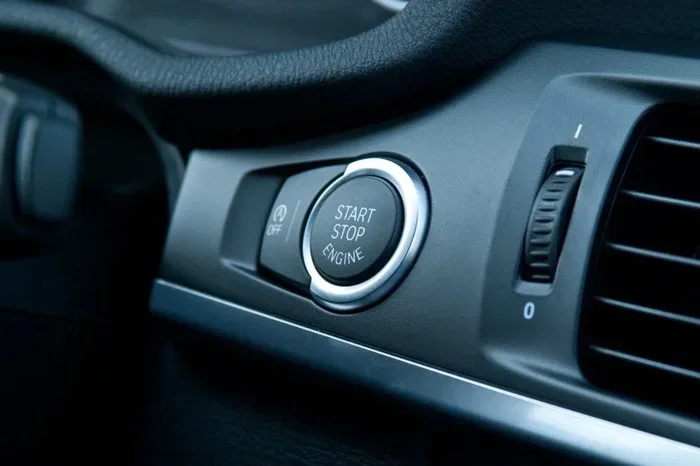
A push button start system, also called a keyless ignition, lets you start your car without turning a key. You just press a button on the dashboard or center console. But your car still needs the smart key fob nearby to authorize the start. This is called a smart key system, and it uses radio frequency signals to communicate between the fob and the car.
The system checks that the correct fob is inside the vehicle. Once it confirms the match, it allows the engine to start. This whole process happens in seconds. It feels magical, but it is actually a very sophisticated keyless entry and ignition switch system working behind the scenes.
Why Push Button Start Cars Are Different
Older cars with traditional keys have a simple wiring setup. A remote start system can tap into the ignition wires and simulate a key turn. But push button start cars do not have a physical ignition cylinder. Instead, they rely on encrypted signals from the smart key fob. This means a basic remote start setup will not work out of the box.
You need a system that can mimic or bypass the smart key authentication process. This is where special modules and advanced wiring come into play. The good news is that manufacturers have created solutions for this exact challenge.
Can You Install Remote Start on a Push Button Start Car?
The direct answer is yes. You can install remote start on a push button start car. But the process is more involved than a traditional install. You will need a remote start system that is specifically designed for vehicles with push button ignition. These systems include bypass modules and programming tools that communicate with your car’s security network.
What Equipment Do You Need?
Here is a quick look at the core components you will need for a successful remote start push button start car setup:
- Aftermarket remote start system: Choose one that supports push button start vehicles. Brands like Compustar, Viper, and DroneMobile offer systems built for this purpose.
- Bypass module: This small device tricks your car into thinking the smart key fob is present. It is the most important piece of the puzzle.
- Two-way remote control: A standard one-way remote only sends a signal. A two-way remote sends the signal and receives confirmation that your car started.
- Wiring harness and tools: You will need wire strippers, connectors, and possibly a wiring harness specific to your vehicle model.
Does Every Push Button Start Car Support Remote Start?
Not all push button start cars are created equal when it comes to aftermarket remote starter compatibility. Some newer vehicles have very tight security protocols that make installation difficult. Others are more open and easier to work with.
Before you buy anything, check your vehicle’s year, make, and model against the compatibility list of the remote start system you are considering. Many manufacturers list supported vehicles on their websites. If your car is not on the list, it does not mean it is impossible. It just means you may need a more advanced system or a specialist installer.
How Does Remote Start Work with Push Button Ignition?
The Role of the Bypass Module
The bypass module is the hero of the whole setup. When you press the button on your remote, the remote start system sends a signal to the bypass module. The module then sends the correct signal to your car’s transponder key system, tricking it into thinking the smart key fob is inside the car.
Once the car’s computer approves the start, the engine turns over. All of this happens in under two seconds. It is seamless, and once it is set up correctly, you will barely notice it is happening.
Programming and Pairing
After the hardware is installed, you need to program the system. This involves pairing the remote control with the bypass module and the car’s computer. Each system has its own programming process, but most follow a similar pattern:
- Put the car in programming mode using the factory controls.
- Connect the remote start system’s programming lead.
- Follow the step-by-step instructions in the system’s manual.
- Test the remote start from a safe distance.
- Confirm the car shuts off properly when the timer expires or when you enter the vehicle.
Programming can be tricky if you are not experienced with car electronics. This is one reason many people choose professional installation for their remote start push button start car setup.
Range and Signal Strength
The range of your remote start depends on the system you choose. Basic one-way remotes typically work from 500 to 1,000 feet. Two-way remotes with a screen on the receiver can reach up to 3,000 feet or more. Some advanced systems even let you start your car from your smartphone using a mobile app, no matter where you are.
Keep in mind that buildings, hills, and other obstacles can reduce your effective range. If you park in a crowded lot, a two-way remote with a strong signal will save you a lot of frustration.
Factors That Determine Compatibility
Not every push button start car will accept an aftermarket remote start system with the same ease. Several factors determine whether your specific vehicle is compatible and how complex the installation will be.
Vehicle Year and Model
Newer vehicles tend to have tighter security systems. A car from 2015 or earlier is usually easier to work with than a 2022 model. Automakers have been adding more layers of encryption to their smart key systems over the years, which can make aftermarket integration harder.
Factory Remote Start
Some cars come with a factory remote start option from the manufacturer. If your car already has this feature, you may not need an aftermarket system at all. Check your owner’s manual or contact your dealer to find out. Factory systems are designed to work perfectly with your car’s electronics, so they are often the smoothest option.
Start-Stop Technology
Many modern push button start cars also have start-stop technology, which shuts off the engine at stoplights to save fuel. This feature can sometimes interfere with aftermarket remote start systems. Make sure the system you choose is compatible with start-stop technology if your car has it.
Security and Alarm Systems
Your car’s built-in security system plays a big role in compatibility. Some vehicles have alarm systems that must be integrated with the remote start system. If the alarm goes off when you try to remote start, something is not wired correctly. A good installer will make sure the wiring harness and security system work together without any conflicts.
Professional Installation vs. DIY Remote Start
This is one of the biggest decisions you will make when adding a remote starter to your push button start car. Both options have pros and cons, and the right choice depends on your comfort level with car electronics.
Why Choose Professional Installation?
Professional installers have the experience, tools, and access to vehicle-specific wiring diagrams. They know how to handle push button ignition systems without damaging delicate electronics. A professional will also ensure the bypass module is programmed correctly and that your car’s warranty is not affected.
Most professional installations cost between $200 and $800, depending on the system and your location. This might sound like a lot, but it gives you peace of mind. A properly installed remote start push button start car system will work reliably for years.
Can You Do It Yourself?
If you are handy with car electronics and have experience with wiring, a DIY install is possible. Many aftermarket systems come with detailed instructions and wiring diagrams. However, push button start systems add a layer of complexity that can frustrate even experienced DIYers.
One wrong wire connection can cause electrical problems or trigger your car’s security system. If you are not confident in your skills, it is worth paying for professional installation. The cost is small compared to the price of fixing an electrical issue caused by a bad install.
Expert Insight
Experienced installers recommend always going with a professional for push button start vehicles. The risk of damaging the car’s computer or voiding the warranty is too high to chance with a DIY approach. A pro will also test the system thoroughly before handing the keys back to you.
Benefits of Adding Remote Start to Your Push Button Start Car
Once you have a remote start system installed, you will wonder how you ever lived without it. Here are some of the biggest benefits:
Warm Up Your Car in Winter
If you live in a cold climate, this is the number one reason to install a remote starter. You can start your car 10 to 15 minutes before you leave the house. By the time you walk out, the seats are warm and the defroster has cleared the windshield. It is a game changer for those brutal winter mornings.
Cool Down in Summer
The same goes for hot summer days. Starting your car remotely lets the air conditioning cool down the interior before you get in. You will not have to sit in a scorching hot car while the AC struggles to catch up.
Extend Engine Life
Letting your engine warm up before driving can reduce wear and tear. Cold starts are harder on engines than warm starts. A remote starter gives your oil time to circulate and your engine time to reach operating temperature before you head out.
Improved Security
Many aftermarket remote start systems come with enhanced security features. Your car stays locked while it idles, and some systems will shut off the engine if someone tries to enter the vehicle without the proper key fob.
Convenience and Comfort
Beyond weather benefits, a remote start system simply makes your life easier. You can start the car from inside your home, the office, or even the grocery store. It is a small luxury that adds up to a lot of comfort over time.
Common Mistakes to Avoid
Installing a remote start system on a push button start car comes with pitfalls. Here are some common mistakes to watch out for:
- Buying the wrong system: Not all remote start systems support push button start vehicles. Always check compatibility before purchasing.
- Skipping the bypass module: Without a bypass module, your car will not start because it will not recognize the remote start signal as a valid key.
- Ignoring the warranty: Some manufacturers consider aftermarket remote start installations as a warranty voiding modification. Check with your dealer first.
- Poor wiring: Loose or incorrect connections can cause electrical gremlins. Take your time or let a pro handle it.
- Not testing the system: Always test the remote start multiple times before relying on it daily. Check the start, stop, and range functions.
How Much Does It Cost to Install Remote Start?
The total cost depends on the system you choose and whether you go with professional installation. Here is a rough breakdown:
- Basic one-way remote start system: $100 to $300 for parts, plus $100 to $200 for installation.
- Mid-range two-way remote start system: $200 to $500 for parts, plus $150 to $300 for installation.
- Premium smartphone-controlled system: $400 to $800 for parts, plus $200 to $500 for installation.
These prices vary by region and installer. Always get a quote before committing. Some shops offer package deals that include the system and installation at a discounted rate.
Final Thoughts
So, can you install remote start on a push button start car? Absolutely. It takes the right equipment, some patience, and often a professional touch. The remote start push button start car setup is more complex than a traditional install, but the results are well worth the effort.
Whether you want to face freezing winters in a warm car or simply enjoy the convenience of starting your engine from afar, a remote start system delivers real value. Just make sure you choose a compatible system, consider professional installation, and take the time to test everything before you rely on it daily.
A remote starter is one of those upgrades that you never knew you needed until you have it. Once it is in your car, you will wonder how you ever managed without it. Do your research, pick a quality system, and enjoy the comfort and convenience of starting your car with just the push of a button.
Frequently Asked Questions
Can any push button start car be fitted with a remote starter?
Most push button start cars can be fitted with an aftermarket remote starter, but compatibility varies by make, model, and year. Some vehicles have security systems that make installation more challenging. Always check the remote start system’s compatibility list before purchasing.
Will installing a remote start void my car’s warranty?
It depends on your manufacturer’s policy and how the installation is done. In many cases, a professional installation using non-invasive methods will not void your warranty. However, some manufacturers consider any aftermarket electronic modification as a potential warranty issue. Check with your dealer to be sure.
How far can I start my car with a remote starter?
The range depends on the system you install. Basic one-way remotes work from about 500 to 1,000 feet. Two-way remotes can reach up to 3,000 feet or more. Smartphone-controlled systems have virtually unlimited range as long as you have a cellular or Wi-Fi connection.
Is it safe to leave my car running with a remote start system?
Yes, it is generally safe. Most remote start systems automatically shut off the engine after a set time, usually 10 to 15 minutes. The car remains locked, and the ignition cannot be engaged without the smart key fob inside the vehicle.
Can I install a remote start system myself on a push button start car?
While it is possible, DIY installation on a push button start car is not recommended unless you have experience with car electronics. The bypass module programming and smart key integration add complexity. A professional installer ensures everything works correctly and safely.
What is the difference between one-way and two-way remote starters?
A one-way remote sends a signal to start the car but does not confirm whether the start was successful. A two-way remote sends the signal and receives confirmation back, usually displayed on a small screen on the remote. Two-way systems are more reliable and give you peace of mind that your car actually started.
=== CONCLUSION ===
Adding a remote start to your push button start car is absolutely possible and incredibly rewarding. With the right system, a compatible bypass module, and careful installation, you can enjoy all the comfort and convenience that a remote starter provides. Whether you choose a basic one-way remote or a premium smartphone-controlled system, the upgrade transforms how you interact with your vehicle every single day.