32 Percent Window Tint: Visibility and Performance
A 32 percent window tint offers a great balance between style and function. It blocks harmful UV rays, reduces heat, and cuts glare while keeping your view clear. This tint shade is popular among car owners who want protection without going too dark. Whether you drive daily or hit the road on weekends, 32 percent tint delivers solid performance.
Key Takeaways
- Great Visibility: A 32 percent tint lets in plenty of light, making it safe for daytime and nighttime driving.
- Strong UV Protection: It blocks up to 99 percent of harmful ultraviolet rays that can damage your skin and your car interior.
- Heat Rejection: 32 percent window tint significantly reduces solar heat, keeping your car cooler in summer.
- Legal in Many Areas: This tint percentage is often within legal limits for front side windows in many states.
- Glare Reduction: It cuts down on sun glare and headlight glare, making driving more comfortable.
- Privacy Boost: While not a dark privacy tint, 32 percent still offers a moderate level of privacy from outsiders.
- Affordable Option: Compared to ceramic or high-end films, 32 percent tint is often budget-friendly and widely available.
📑 Table of Contents
- What Is a 32 Percent Window Tint?
- Visibility With a 32 Percent Window Tint
- Performance Benefits of a 32 Percent Window Tint
- 32 Percent Tint vs. Other Popular Tint Levels
- Is 32 Percent Tint Legal Where You Live?
- Tips for Getting the Best 32 Percent Window Tint
- Common Mistakes to Avoid With 32 Percent Tint
- Final Thoughts on 32 Percent Window Tint
What Is a 32 Percent Window Tint?
When you hear the term 32 percent window tint, it refers to the Visible Light Transmission (VLT) rating. VLT measures how much light passes through your car window film. A 32 percent tint means that 32 percent of light gets through. The rest is blocked or absorbed by the film.
Think of it like sunglasses for your car. The lower the number, the darker the tint. A 5 percent tint is very dark. A 70 percent tint is barely noticeable. A 32 percent window tint sits right in the middle. It gives you a noticeable shade without going too dark.
This tint level is one of the most popular choices among car owners. It works well for sedans, SUVs, and trucks alike. People choose it for a mix of looks, comfort, and protection. It is a sweet spot that many drivers find hits all the right notes.
The film itself comes in different materials. You can find dyed tint film, carbon tint film, and ceramic tint options at this percentage. Each material offers slightly different benefits. We will dig into those differences later in this guide.
Before you commit to any tint, it helps to understand what you are getting. A 32 percent tint shade is not just about looks. It plays a real role in heat control, UV defense, and overall driving comfort.
Visibility With a 32 Percent Window Tint
How Clear Is It During the Day?
During daylight hours, a 32 percent window tint provides excellent visibility. You can see the road, signs, and pedestrians with ease. The tint adds a subtle dark tone to your windows. But it does not block your view in any meaningful way.
Many drivers prefer this tint level because it does not feel like you are looking through a dark pair of sunglasses. The light still comes through freely. Your depth perception stays sharp. This is especially important when you are changing lanes or merging onto highways.
Compared to a 20 percent tint, the 32 percent option feels much lighter. Compared to a 50 percent tint, it looks noticeably darker. That balance is what makes it so appealing. You get a stylish look without sacrificing safety.
Nighttime Visibility and Driving Safety
Night driving is where some tints cause problems. A very dark tint can make it hard to see in low light. But a 32 percent tint percentage handles nighttime driving quite well.
You will still notice a slight reduction in light. However, it is not enough to cause safety concerns for most drivers. If you regularly drive on unlit roads, you might notice a small difference. But for city driving and well-lit highways, it is barely an issue.
Here are a few tips to boost nighttime visibility with your tint:
- Keep your windshield clean inside and out. Streaks scatter light more with any tint.
- Make sure your side mirror adjustments are spot on.
- Consider a ceramic tint that reduces glare without darkening too much.
- Clean your tinted windows with a non-ammonia cleaner to keep clarity high.
Does Tint Affect Your View of Mirrors and Signals?
A common worry is whether tinted windows make it hard to see other cars’ signals. A 32 percent window film does not significantly distort colors. Red brake lights and turn signals remain clearly visible. You should have no trouble reading what other drivers are doing on the road.
The key is choosing a quality film. Cheap dyed films can add a slight color shift. Higher quality films maintain true color clarity. So invest in a reputable brand for the best results.
Performance Benefits of a 32 Percent Window Tint
UV Protection for You and Your Car
One of the biggest reasons people tint their windows is UV protection. The sun sends out harmful ultraviolet rays all day long. These rays can cause skin damage over time. They also fade your dashboard, seats, and trim.
A good 32 percent window tint blocks up to 99 percent of UV rays. That is a huge benefit, even at this moderate shade level. You protect your skin on long drives. You also protect your car’s interior from premature aging.
Think about how much time you spend in your car. Whether it is a daily commute or a weekend road trip, your exposure adds up. Tinting your windows is one of the simplest ways to reduce that exposure.
Heat Rejection and Cabin Comfort
Have you ever sat in a hot car and waited for the AC to kick in? A 32 percent tint helps with that. It rejects a significant amount of solar heat before it enters your vehicle.
Different film materials offer different heat rejection rates. Here is a quick comparison:
| Film Type | Heat Rejection | Glare Reduction | UV Blocking |
|---|---|---|---|
| Dyed Film | Moderate | Good | Good |
| Carbon Film | High | Excellent | Very High |
| Ceramic Film | Very High | Excellent | 99%+ |
Ceramic film offers the best overall performance. But it also costs more. Carbon film is a great middle ground. Dyed film is the most affordable option. All three are available in a 32 percent VLT rating.
Glare Reduction for Safer Driving
Sun glare can be dangerous. It blinds you for a split second, and that is enough time for an accident. A 32 percent window tint cuts down on glare significantly. It makes bright mornings and late afternoons much more comfortable.
Headlight glare from cars behind you also gets reduced. This is especially helpful on dark roads. You can focus on the road ahead instead of squinting.
Interior Protection and Longevity
Your car interior takes a beating from the sun every single day. Dashboards crack. Leather fades. Fabric looks worn out years before its time. A 32 percent tint helps slow all of this down.
By blocking UV rays and reducing heat, the film preserves your interior. Your car stays looking newer for longer. This alone can help maintain resale value. It is a small investment with long-term payoffs.
32 Percent Tint vs. Other Popular Tint Levels
How Does 32 Percent Compare?
Not sure where 32 percent fits on the tint spectrum? Here is how it stacks up against other popular choices:
- 5-20 Percent Tint: Very dark. Great for privacy and style. But it limits visibility, especially at night. Often restricted by law on front windows.
- 25-35 Percent Tint: This is the medium range. A 32 percent tint sits right here. It offers a sporty look with solid visibility.
- 40-50 Percent Tint: Light tint. Subtle appearance. Good for a mild look. Less heat rejection than darker options.
- 50-70 Percent Tint: Almost clear. Minimal heat or UV benefit. Mostly for aesthetic appeal or factory tint matching.
The 32 percent range is often called the “sweet spot” in the tinting world. It gives you enough darkness to look great. It still lets in enough light for safe driving. That is why it is a go-to choice for so many car owners.
Quick Comparison: 20% vs 32% vs 50% Tint
Let us break it down even further with a side-by-side look:
- 20 Percent Tint: Darker shade, more privacy, less light inside. Great for show cars or very hot climates. May feel too dark for some drivers.
- 32 Percent Tint: Balanced shade, good visibility, solid heat and UV protection. Works for daily driving and long road trips.
- 50 Percent Tint: Light shade, maximum visibility, mild heat reduction. Best for those who want a subtle change.
Your choice depends on what matters most to you. If you want a blend of style and function, 32 percent window tint is hard to beat.
Is 32 Percent Tint Legal Where You Live?
Understanding Tint Laws
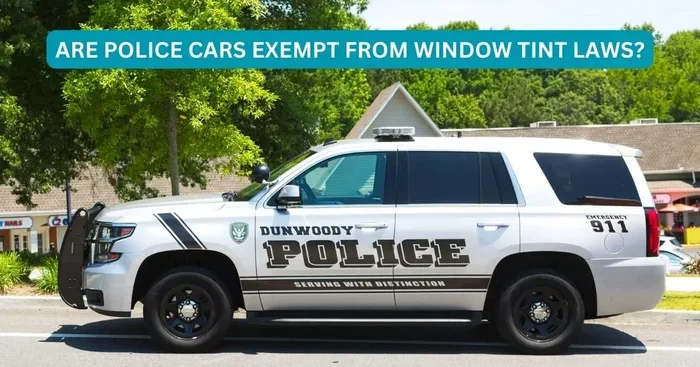
Tint laws vary widely from state to state and country to country. What is legal in one place might not be legal in another. Before you install a 32 percent window tint, check your local regulations.
In many U.S. states, a 32 percent tint is legal on the front side windows. Some states require a higher VLT for front windows, such as 70 percent. Other states allow as low as 20 percent on the front sides.
Here are some general guidelines to keep in mind:
- Front Side Windows: Many states allow 32 percent or lower on the front doors. But some states require 70 percent or higher.
- Rear Side Windows: Usually less restricted. A 32 percent tint is often fine on rear windows in most places.
- Windshield: Most states do not allow any tint on the windshield, or only a small strip at the top.
- Rear Window: Often allowed to be any darkness, but some states require dual side mirrors if the rear window is tinted.
What Happens If You Break Tint Laws?
Getting caught with illegal tint can lead to fines. In some cases, you may be told to remove the tint. This costs you money and time. It is simply not worth the risk.
Always check your local tint laws by state before installation. A reputable tint shop will also know the regulations. They can guide you on what is allowed and what is not.
Tips for Getting the Best 32 Percent Window Tint
Choose the Right Film Material
Not all tint films are created equal. When going with a 32 percent tint, pick a material that matches your needs:
- Dyed Film: Affordable and offers a clean look. Good for basic heat and UV protection. May fade over time.
- Carbon Film: No fading, excellent heat rejection. Slightly more expensive than dyed film.
- Ceramic Film: Top-tier performance. Blocks the most heat and UV. Costs more but lasts longer.
Pick a Professional Installer
DIY tint kits are tempting. But a professional window tinting job makes a big difference. A pro ensures no bubbles, no peeling, and no streaks. The film adheres evenly and lasts much longer.
Look for installers with good reviews and a solid warranty. A good installation can make a cheap film look great. A bad installation can ruin an expensive film.
Consider Your Climate
If you live in a hot, sunny area, go for a higher-performing film. Ceramic tint or carbon tint will give you the best heat rejection at 32 percent VLT. If you live in a milder climate, a quality dyed film may be all you need.
Budget Wisely
The window tinting cost for a 32 percent tint varies. It depends on the film material, your vehicle size, and the installer. On average, expect to pay between $100 and $400 for a full car. Ceramic films will be on the higher end. Dyed films will be more budget-friendly.
Remember, this is a long-term investment. A quality tint job can last 5 to 10 years or more. It is worth spending a bit more for better materials and installation.
Common Mistakes to Avoid With 32 Percent Tint
Skipping the Research
Not all tint shops are the same. Some use low-quality film and charge premium prices. Others rush the job and leave bubbles. Do your homework before choosing a provider. Read reviews. Ask for recommendations. See their previous work.
Ignoring Aftercare Instructions
Your tint needs time to cure. Most installers tell you to wait 3 to 7 days before rolling down your windows. Ignore this, and you risk peeling or shifting the film. Follow the aftercare instructions carefully for the best results.
Choosing Darkness Over Function
Some people pick a tint percentage just because it looks cool. But function matters too. A 32 percent window tint is a smart choice because it balances looks with real-world performance. Do not pick a tint just for the appearance. Think about UV protection, heat rejection, and visibility.
Final Thoughts on 32 Percent Window Tint
A 32 percent window tint is one of the smartest choices you can make for your car. It gives you a stylish look without compromising safety. It blocks harmful UV rays, reduces heat, and cuts glare. The visibility is excellent for both day and night driving.
This tint level is legal in many areas, making it a practical option for daily drivers. It works well in every climate. Whether you face scorching sun or mild overcast skies, a 32 percent tint delivers.
The key is to choose the right film material and a skilled installer. Do your research, check your local laws, and invest in quality. When you do, your 32 percent window tint will serve you well for years to come.
Take the time to explore your options. Talk to a local tint shop. Ask questions. Compare materials. You will walk away with a tint job that looks great and performs even better.
Your car, your comfort, and your safety all benefit from the right window tint. Make the choice that works best for your driving life. A 32 percent tint just might be the perfect fit.
Frequently Asked Questions
Is a 32 Percent Window Tint Too Dark for Legal Front Window Use?
In many U.S. states, a 32 percent tint on the front side windows is perfectly legal. However, tint laws vary by location. Some states require a higher VLT for front windows. Always check your local regulations before installation to avoid fines or removal orders.
Can I See Clearly at Night With a 32 Percent Tint?
Yes, most drivers find nighttime visibility with a 32 percent tint to be very good. The tint is moderate enough that it does not significantly reduce light transmission. If you drive frequently at night, consider a ceramic or carbon film for the best clarity and glare reduction.
How Much Does It Cost to Tint All Windows at 32 Percent?
The cost typically ranges from $100 to $400 for a full car. The price depends on the film material, your vehicle size, and the installer quality. Ceramic films cost more but offer superior performance and longevity compared to dyed or carbon films.
Does a 32 Percent Tint Block UV Rays Effectively?
Yes, a quality 32 percent window tint can block up to 99 percent of UV rays. This level of protection helps prevent skin damage and keeps your car interior from fading. The UV blocking ability depends more on the film material than the tint percentage.
How Long Does a 32 Percent Tint Last Before It Needs Replacing?
A professionally installed tint can last anywhere from 5 to 10 years. Dyed films may fade or peel sooner, around 3 to 5 years. Carbon and ceramic films tend to hold up much longer. Proper aftercare, like avoiding rolling down windows for the first week, helps extend the lifespan.
Can I Combine a 32 Percent Tint With a Privacy Visor or Other Accessories?
Absolutely. Many drivers pair a 32 percent tint with a sun shade or privacy visor for extra comfort. These accessories boost heat rejection and privacy even further. Just make sure any accessories you add do not obstruct your view or violate local laws.