Harley Sportster Chopper Guide Everything You Need to Know
This Harley Sportster Chopper guide covers everything from planning your build to choosing the right parts and styling your ride. Whether you are a first-time builder or a seasoned builder, you will find practical tips, parts recommendations, and expert insights here. Learn how to transform a standard Sportster into a bold, eye-catching chopper that turns heads everywhere you ride.
There is something magical about a Harley Sportster chopper rolling down the highway. The rumble of the engine, the stretched silhouette, and the raw classic style all come together to create a ride that feels like pure freedom.
If you have ever dreamed of building or buying a Sportster chopper, you are in the right place. This guide walks you through every step of the process. From planning your build to picking out parts, we have you covered. You will learn what makes a Harley Davidson chopper special, how to avoid common pitfalls, and how to create a bike that truly reflects your personality.
Building a chopper is not just about wrenching on metal. It is a creative journey. It is about vision, patience, and attention to detail. Whether you want a low-slung bobber-style Sportster custom motorcycle or a long-nosed road warrior, this guide gives you the knowledge to make it happen.
Key Takeaways
- Planning your build: Set a realistic budget and define your vision before buying a single part.
- Frame and front end choices: The right chopper frame and fork setup make or break the look and ride.
- Engine and performance: Sportster engines are highly customizable with swaps, cams, and exhaust upgrades.
- Styling and aesthetics: From tanks to exhausts, every detail contributes to your chopper’s unique character.
- Common mistakes: Avoid rushing the build, skipping safety checks, and overspending on low-quality parts.
- Legal considerations: Always check local laws regarding modified motorcycles before hitting the road.
📑 Table of Contents
- What Is a Harley Sportster Chopper?
- Planning Your Harley Sportster Chopper Build
- Frame and Front End: The Backbone of Your Chopper
- Engine and Performance Upgrades
- Styling and Aesthetics: Making It Yours
- Common Mistakes to Avoid in Your Chopper Build
- Comparison: Hardtail vs. Softail vs. Springer Front End
- Final Thoughts: Bringing Your Harley Sportster Chopper to Life
What Is a Harley Sportster Chopper?
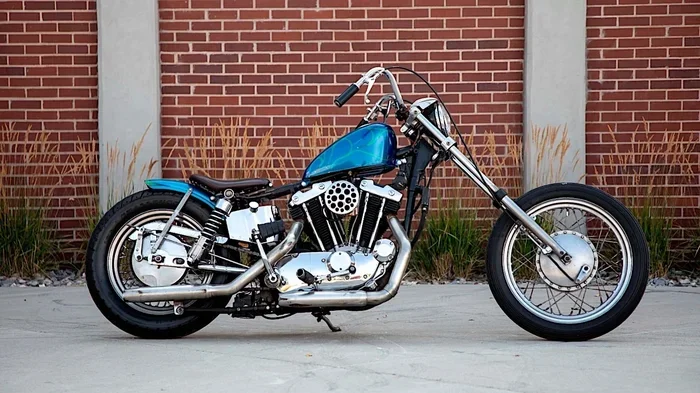
A Harley Sportster chopper starts with a standard Harley Sportster and transforms it through modification. The term “chopper” refers to a style of motorcycle that features chopped fenders, stretched frames, and stripped-down aesthetics. These bikes prioritize style and attitude over comfort and practicality.
The Sportster platform is one of the most popular bases for chopper builds. It has a solid V-twin engine, a compact frame, and a huge aftermarket parts ecosystem. That combination makes it ideal for custom chopper build projects of all skill levels.
Why Choose a Sportster as Your Chopper Base?
The Sportster line has been around since 1957. Over the decades, Harley has refined these bikes into versatile platforms that accept a wide range of modifications. Here are some reasons the Sportster is a top choice for chopper builders:
- Affordable entry point: Sportsters are generally more affordable than larger Harley models, making them budget-friendly for custom projects.
- Compact engine: The smaller displacement engines are easier to work with and modify than the big touring mills.
- Huge parts availability: Thousands of aftermarket companies make parts specifically designed for Sportsters.
- Lightweight: Sportsters are lighter than most Harleys, which improves handling on a chopped frame.
- Strong community: There is a massive community of Sportster builders who share tips, plans, and inspiration online.
Planning Your Harley Sportster Chopper Build
Before you buy a single bolt or tube of steel, you need a solid plan. A Sportster chopper build without a plan is a recipe for frustration and wasted money. Take time to think about what you want your finished bike to look and feel like.
Define Your Vision
Start by gathering inspiration. Browse chopper forums, Instagram pages, and build galleries. Save images of bikes that catch your eye. Notice common themes in the style, color, and components. This collection becomes your mood board and helps you define your vision clearly.
Ask yourself these questions:
- Do I want a low and long classic chopper or a more upright streetfighter style?
- What kind of riding will I do mostly? Cruising highways or carving through city streets?
- Do I want a bobbed look with minimal fenders or a more complete custom feel?
- What is my color scheme and finish preference?
Set a Realistic Budget
Budgeting is one of the most important steps in any Sportster custom motorcycle project. Costs can add up fast. Here is a rough breakdown of typical expenses:
- Base motorcycle: $5,000 to $12,000 for a used Sportster in decent condition.
- Frame and front end: $1,500 to $5,000 depending on whether you buy a hardtail or a springer.
- Engine upgrades: $500 to $3,000 for cams, heads, and performance parts.
- Exhaust system: $300 to $1,500 for custom or aftermarket options.
- Tank and bodywork: $400 to $2,000 for a custom tank or paint job.
- Labor and tools: If you are not doing the work yourself, factor in shop time.
A good rule of thumb is to budget 20% more than your estimated cost. Unexpected expenses always pop up in custom builds.
Quick Tips for Planning
- Start with a written list of all the parts you need.
- Research prices at multiple suppliers before committing.
- Join online chopper builder communities for real-world advice.
- Sketch or use CAD software to visualize your design before cutting metal.
- Set a hard spending limit and stick to it as closely as possible.
Frame and Front End: The Backbone of Your Chopper
The frame and front end define the entire look and ride character of your Harley Sportster chopper. This is where the magic happens in terms of style and handling. Get this part right, and the rest of the build falls into place.
Choosing the Right Frame
Most chopper frame options for Sportsters fall into two categories: hardtail and softail. A hardtail frame has no rear suspension. It gives you that classic, rigid chopper look. A softail hides the rear suspension for a cleaner appearance while still offering some comfort.
For a true chopper aesthetic, many builders prefer a hardtail. It keeps the lines long and clean. However, if you plan on riding long distances, a softtail or a springer front end might be more practical.
When selecting a frame, consider these factors:
- Wheelbase length: Longer wheelbases give a more stretched chopper look but can feel sluggish in tight turns.
- Rake angle: More rake means a more aggressive, laid-back riding position.
- Material quality: Chromoly steel frames are strong and lightweight. Avoid cheap mild steel that may crack under stress.
- Compatibility: Make sure the frame fits the Sportster engine and transmission mounting points.
Front End and Fork Selection
The chopper fork is one of the most visually striking components of your build. Common options include girder forks, springer forks, and telescopic forks with custom triple trees. Each gives a different look and feel.
Springer forks are the classic chopper choice. They feature exposed springs and give that unmistakable vintage look. Girder forks offer a more minimalist appearance. Telescopic forks with a chopped appearance can provide better ride quality while still looking custom.
When choosing your front end, think about the overall chopper styling you are going for. The fork length, triple tree angle, and wheel size all work together to create the final profile of your bike.
Engine and Performance Upgrades
The heart of any Harley Davidson chopper is its engine. The Sportster line uses a 45-degree V-twin engine that is iconic and highly tunable. Whether you keep the stock engine or go for a full engine swap, there are countless ways to boost performance.
Stock Engine Modifications
If you want to improve performance without a full rebuild, start with these accessible upgrades:
- Performance camshaft: A new cam changes the engine’s powerband and gives you that classic chopper rumble.
- High-flow air filter: Allows the engine to breathe easier and improves throttle response.
- Custom exhaust: A well-designed exhaust system adds both power and that unmistakable chopper sound.
- ECU tuning: Reprogramming the fuel map after exhaust or air filter changes ensures optimal performance.
Engine Swap Options
For builders who want more power or a different character, an engine swap is an exciting option. Popular swaps include replacing the stock Sportster engine with a larger Harley Twin Cam motor or even a different engine platform entirely. These swaps require more fabrication but open up a world of performance possibilities.
Keep in mind that engine swaps affect the frame, transmission mounting, and drivetrain. Plan carefully and research thoroughly before committing to a swap.
Expert Insights: Getting the Most from Your Sportster Engine
Experienced chopper builders often say the best approach is incremental. Start with the basics. Get the engine running well. Then add performance parts one at a time. This method lets you test and tune as you go, avoiding costly mistakes and ensuring everything works harmoniously together.
Styling and Aesthetics: Making It Yours
This is where your Harley Sportster chopper truly becomes your creation. Styling is deeply personal. Every choice from the tank to the foot pegs tells a story about who you are and what you love.
Fuel Tank Selection
The Sportster tank is one of the most visible parts of your bike. Many chopper builders replace the stock tank with a custom tank that has a more elongated or sculpted shape. Popular options include teardrop tanks, bullet tanks, and custom fabricated tanks made from sheet metal.
When choosing a tank, think about capacity, shape, and finish. A larger tank means fewer fuel stops on long rides. A polished or powder-coated finish adds a professional touch that elevates the entire build.
Exhaust and Sound
A Harley Sportster exhaust is more than a performance part. It is a statement. The sound of your chopper’s exhaust is one of the first things people notice. Options range from slash-cut pipes and megaphone stacks to full custom mandrel-bent systems.
Consider these factors when choosing an exhaust:
- Material: Stainless steel offers durability and a polished look. Chrome-coated pipes look great but require more maintenance.
- Sound profile: Do you want a deep rumble or a sharp crackle? Different pipe designs produce different tones.
- Heat management: Choose an exhaust with proper heat shielding to protect riders and passengers.
- Legal compliance: Some areas have noise ordinances that restrict how loud your exhaust can be.
Paint, Finish, and Detailing
The paint job and finishing touches bring your custom chopper build to life. A clean, professional paint job can make even a budget build look stunning. Consider your color scheme carefully. Classic black, deep burgundy, metallic blue, and candy apple red are all popular choices among chopper enthusiasts.
Do not forget the small details. Custom foot pegs, handlebars, grips, and lighting all contribute to the overall feel. These finishing touches are what separate a good chopper from a great one.
Common Mistakes to Avoid in Your Chopper Build
Every builder makes mistakes, especially when starting out. Learning from others’ errors saves time, money, and frustration. Here are common pitfalls to watch out for when building a Harley Sportster chopper.
Skipping the Planning Phase
Rushing into a build without a clear plan leads to wasted parts, mismatched components, and a bike that does not look or feel right. Always start with a detailed plan and stick to it as closely as possible.
Buying Cheap, Low-Quality Parts
It is tempting to save money by choosing the cheapest parts available. But low-quality components can fail, compromise safety, and cost more in the long run. Invest in reputable brands and quality materials, especially for safety-critical parts like brakes and frames.
Ignoring Safety
Choppers are built for style, but they must still be safe to ride. Never skip brake upgrades, proper lighting, or structural inspections. A beautiful bike that is unsafe to ride defeats the purpose entirely.
Overspending
Custom builds can become an expensive hobby quickly. It is easy to keep adding parts and upgrades. Set a firm budget early on and prioritize the parts that matter most for safety and function before focusing on aesthetics.
Not Testing Components Before Final Assembly
Always test-fit and check every component before finalizing your assembly. This step catches fitment issues, clearance problems, and compatibility errors early when they are easy and cheap to fix.
Comparison: Hardtail vs. Softail vs. Springer Front End
Choosing the right frame and front end setup is one of the biggest decisions in your Sportster chopper build. Here is a comparison of the most common options:
| Feature | Hardtail Frame | Softail Frame | Springer Front End |
|---|---|---|---|
| Rear Suspension | None (rigid) | Hidden shock | None (rigid) |
| Front Suspension | Varies (rigid, girder, or springer) | Varies | Exposed spring suspension |
| Classic Chopper Look | Very high | Moderate | Very high |
| Ride Comfort | Low | Moderate to high | Moderate |
| Cost Range | $1,500 – $4,000 | $2,500 – $6,000 | $800 – $2,500 |
| Best For | Pure chopper style, short rides | Daily riding + custom look | Classic vintage aesthetic |
| Fabrication Complexity | Low to moderate | Moderate | Moderate |
Your choice depends on how you plan to use the bike and how authentic you want the chopper look to be. Many builders pair a hardtail frame with springer forks for the most classic chopper motorcycle guide aesthetic. If comfort matters more, a softail setup is a smarter choice.
Final Thoughts: Bringing Your Harley Sportster Chopper to Life
Building a Harley Sportster chopper is one of the most rewarding projects a motorcycle enthusiast can undertake. It combines mechanical skill, artistic vision, and personal expression into a single machine that is uniquely yours.
Start with a clear plan. Choose quality parts. Take your time with each step. And most importantly, enjoy the process. Every weld, every bolt, and every design decision brings you closer to the bike of your dreams.
Whether your Sportster chopper build is a weekend project or a years-long labor of love, the journey is just as rewarding as the finished ride. Share your progress with the community, learn from others, and never stop refining your craft.
The road ahead is wide open. Your Harley Davidson chopper is waiting. Now go build something amazing.
Frequently Asked Questions
How much does it cost to build a Harley Sportster chopper?
A basic Sportster chopper build can cost anywhere from $5,000 to $15,000 depending on the base bike, parts quality, and whether you do the work yourself. High-end custom builds with premium parts can easily exceed $20,000. Always budget a little extra for unexpected expenses.
Can I build a Sportster chopper if I am a beginner?
Absolutely. Many first-time builders start with a Sportster because the platform is forgiving and parts are widely available. Start with simpler modifications like exhaust, handlebars, and styling changes before tackling complex fabrication work. Online tutorials and builder communities are excellent resources for beginners.
What is the difference between a chopper and a bobber on a Sportster?
A chopper typically features a stretched frame, aggressive rake, and a more extreme riding position. A bobber is a stripped-down, minimal bike with a bobbed rear fender and clean lines. Both styles start from the Sportster platform but have distinct aesthetics and riding characteristics.
Do I need special tools to build a Sportster chopper?
You will need basic motorcycle tools including wrenches, sockets, a torque wrench, and a stand. More advanced work like frame modification or welding requires specialized tools. If you do not have access to welding equipment, many builders fabricate frames at a local shop or buy pre-made hardtail frames.
Are chopper builds street legal?
In most cases, yes. However, laws vary by state and country. Ensure your custom chopper build meets all safety requirements including functioning lights, mirrors, and proper emissions compliance. Always check your local regulations before riding a modified motorcycle on public roads.
How long does it take to build a Harley Sportster chopper?
A typical Sportster chopper build takes anywhere from a few weekends to several months depending on complexity and experience level. Simple styling builds can be completed in a month or two. More involved projects with engine swaps and custom fabrication may take six months or longer. Patience is your best friend in this process.