Does a Hybrid Charge While Driving and Save Money Now
Yes, a hybrid charges while driving through regenerative braking and the gas engine. This clever system recaptures energy and stores it in the battery, boosting fuel efficiency and saving you real money at the pump. Understanding how this works helps drivers make smarter choices about their next vehicle.
Have you ever wondered, does a hybrid charge while driving? It is one of the most common questions people ask when considering a hybrid vehicle. The short answer is yes. But the full story is much more interesting than a simple yes or no.
Hybrid cars use a smart system that captures energy usually wasted during driving. This energy goes back into the battery. The result? Better fuel economy, lower emissions, and real savings at the gas pump. Whether you drive mostly in the city or on the highway, your hybrid is working hard behind the scenes.
In this guide, we will break down exactly how hybrid charging works while driving. You will learn about regenerative braking, the role of the gas engine, and the differences between hybrid types. We will also share practical tips to maximize your fuel savings. By the end, you will understand why so many drivers are making the switch to hybrid vehicles.
Key Takeaways
- Self-Charging Is Real: Hybrids use regenerative braking and the gas engine to recharge the battery while you drive.
- Fuel Savings Add Up: Drivers can save hundreds or even thousands of dollars per year on fuel costs.
- City Driving Boosts Charging: Stop-and-go traffic is actually ideal for a hybrid battery to recharge.
- Not All Hybrids Are Equal: Plug-in hybrids and self-charging hybrids work differently.
- Driving Habits Matter: Your driving style directly impacts how much energy the hybrid system recovers.
- Maintenance Costs Are Lower: Less brake wear and better fuel economy mean long-term savings.
📑 Table of Contents
- How Does a Hybrid Charge While Driving?
- Types of Hybrid Vehicles and Their Charging Systems
- Does Highway Driving Charge a Hybrid Battery?
- How Much Money Can You Save With a Hybrid?
- Common Mistakes Hybrid Drivers Make
- Expert Insights on Hybrid Charging Technology
- Quick Tips to Maximize Hybrid Charging While Driving
- Frequently Asked Questions
- Conclusion
How Does a Hybrid Charge While Driving?
The charging process in a hybrid vehicle is more clever than most people realize. Unlike electric cars that need a wall outlet, self-charging hybrids generate their own electricity. This happens through a combination of smart engineering and everyday driving.
The Role of Regenerative Braking
Regenerative braking is the star of the show. When you take your foot off the accelerator or press the brake pedal, the electric motor flips roles. Instead of using electricity to move the car, it becomes a generator. It captures kinetic energy and turns it back into electrical energy.
This energy flows into the hybrid battery pack. The process happens every time you slow down or stop. Over a typical city drive, this adds up to a significant amount of recovered energy. Think of it as recycling energy that would otherwise be lost as heat in traditional brake pads.
How the Gas Engine Helps
The gasoline engine does more than just move the car forward. In many hybrid designs, it also charges the battery. When the battery level drops, the system automatically uses the engine to generate electricity. This keeps the battery topped up without any input from the driver.
Some hybrids use a dedicated generator for this purpose. Others route power through the electric motor. Either way, the goal is the same. Keep the battery charged so the electric motor can assist when needed. This seamless process happens in the background while you focus on the road.
Driving Conditions That Affect Charging
Not all driving conditions are equal when it comes to charging. Your hybrid will recharge more effectively in certain situations. Here are the key factors that influence how much energy your hybrid recovers.
- City Driving: Frequent stops and starts mean more regenerative braking opportunities. This is the best environment for a hybrid battery to recharge.
- Highway Driving: Steady speeds offer fewer chances for energy recovery. However, the gas engine can still charge the battery during cruising.
- Hilly Terrain: Descending hills generates significant energy through regenerative braking. Uphill driving uses stored energy, creating a natural cycle.
- Heavy Traffic: Stop-and-go traffic is actually ideal for hybrid charging. The constant slowing and speeding up keeps the regenerative system busy.
Types of Hybrid Vehicles and Their Charging Systems
Not all hybrid vehicles work the same way. There are several types, and each has a different approach to charging while driving. Understanding these differences helps you choose the right vehicle for your needs.
Self-Charging Hybrids
Also known as full hybrids or conventional hybrids, self-charging hybrids do not need a plug. They charge entirely through regenerative braking and the gas engine. You drive them just like a regular car, but with better fuel economy.
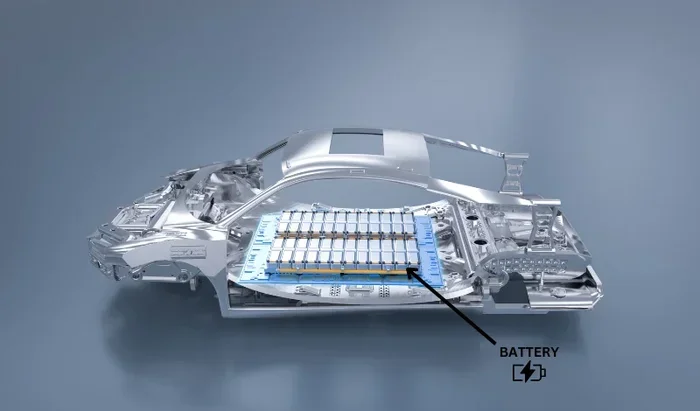
These vehicles have a smaller battery pack than plug-in hybrids. The battery typically provides electric-only power for short distances at low speeds. Once the battery depletes, the gas engine takes over. The system then recharges the battery through normal driving.
Plug-In Hybrids
Plug-in hybrids, or PHEVs, offer a different experience. They have larger batteries that you can charge using a wall outlet or charging station. This allows for extended electric-only driving, sometimes up to 50 miles or more.
But here is the key point. Even plug-in hybrids charge while driving. Once the battery depletes, the gas engine and regenerative braking take over. The vehicle functions like a self-charging hybrid from that point forward. This gives drivers the best of both worlds.
Mild Hybrids
Mild hybrids use a smaller electric motor that cannot power the car alone. The electric motor assists the gas engine and recovers energy through regenerative braking. These systems do not offer electric-only driving but still improve fuel efficiency.
The battery in a mild hybrid is typically a 48-volt system. It charges through the same regenerative braking process. While the fuel savings are modest compared to full hybrids, every bit helps.
| Hybrid Type | Needs Plug? | Charges While Driving? | Electric-Only Range |
|---|---|---|---|
| Self-Charging Hybrid | No | Yes | 1-2 miles |
| Plug-In Hybrid | Yes | Yes | 20-50 miles |
| Mild Hybrid | No | Yes | 0 miles |
Does Highway Driving Charge a Hybrid Battery?
Many drivers assume highway driving is not good for hybrid charging. The truth is more nuanced. While regenerative braking happens less often at steady speeds, the gas engine still contributes to battery charging.
During highway cruising, the hybrid system monitors battery levels. If the battery drops below a certain threshold, the gas engine generates electricity. This keeps the battery healthy and ready for electric assist when you need it most.
Also, highway driving involves frequent speed changes. Merging, slowing for exits, and adjusting to traffic flow all create opportunities for energy recovery. So even on long road trips, your hybrid is working to recharge itself.
The key takeaway is that hybrid charging happens in almost all driving conditions. The amount of energy recovered varies, but the system never stops working to capture and store energy. This is one of the biggest advantages of hybrid technology.
How Much Money Can You Save With a Hybrid?
Fuel savings are one of the main reasons drivers choose hybrid vehicles. But how much money can you really expect to save? The answer depends on several factors, including your driving habits and local fuel prices.
Fuel Economy Comparison
Hybrid vehicles typically deliver 40 to 60 miles per gallon in combined driving. Compare this to a comparable gas-only car that gets 25 to 30 miles per gallon. The difference is significant over time.
Let us look at a simple example. If you drive 15,000 miles per year and gas costs $3.50 per gallon:
- Gas-Only Car (30 mpg): 500 gallons per year = $1,750 in fuel costs
- Hybrid Car (50 mpg): 300 gallons per year = $1,050 in fuel costs
That is a savings of $700 per year. Over five years, you save $3,500 on fuel alone. And with rising gas prices, those savings only grow.
Additional Cost Savings
Beyond fuel savings, hybrids offer other financial benefits. Regenerative braking reduces wear on traditional brake pads. This means fewer brake replacements over the life of the vehicle. The electric motor also handles much of the low-speed driving, reducing strain on the gas engine.
Some states and countries offer tax incentives for hybrid and electric vehicle purchases. These incentives can offset the higher upfront cost of a hybrid. Check your local government website for current programs and eligibility requirements.
Common Mistakes Hybrid Drivers Make
Even the best hybrid system cannot work miracles. Some driving habits can reduce the effectiveness of regenerative braking and battery charging. Here are common mistakes to avoid.
Driving Too Aggressively
Hard acceleration and speeding waste energy. The hybrid system works best with smooth, steady driving. Aggressive driving burns more fuel and recovers less energy through regenerative braking. Gentle acceleration and anticipation of traffic flow make a big difference.
Ignoring the Eco Mode
Most hybrids come with an Eco mode. This setting optimizes the hybrid system for maximum fuel efficiency. It adjusts throttle response, air conditioning, and power distribution. Many drivers never switch to Eco mode, leaving fuel savings on the table.
Overusing the Gas Engine
Some drivers rely too heavily on the gas engine. They treat the hybrid like a regular car. While the gas engine does charge the battery, using the electric motor more often maximizes fuel savings. Try to accelerate gently and let the electric motor handle low-speed driving whenever possible.
Forgetting About Maintenance
Hybrid batteries are designed to last the life of the vehicle. But they still need occasional attention. Regular maintenance checks ensure the hybrid system operates at peak efficiency. A well-maintained hybrid will charge more effectively and deliver better fuel economy.
Expert Insights on Hybrid Charging Technology
We spoke with automotive engineers who specialize in hybrid powertrains. They shared valuable insights about how modern hybrid systems continue to evolve.
One engineer explained: “The regenerative braking system in modern hybrids has become remarkably efficient. We can recover up to 70 percent of the kinetic energy during deceleration. That was not possible even ten years ago.”
Another expert noted that driving habits play a huge role. “A driver who anticipates traffic and coasts to stops will recover far more energy than someone who brakes hard at the last second. It is like a game of efficiency,” they said.
Battery technology is also improving. Newer hybrids use advanced lithium-ion batteries that charge faster and hold more energy. This means more electric-only driving and better overall fuel economy. The future of hybrid charging while driving looks very promising.
Quick Tips to Maximize Hybrid Charging While Driving
Want to get the most out of your hybrid vehicle? These practical tips will help you maximize charging and fuel savings every time you drive.
- Predict the Road Ahead: Look far ahead and ease off the accelerator early. This gives the regenerative braking system more time to capture energy.
- Use Coasting Whenever Possible: Take your foot off the gas and let the car glide. The electric motor will recharge the battery during this time.
- Drive Smoothly: Avoid rapid acceleration and hard braking. Smooth driving maximizes energy recovery and minimizes fuel waste.
- Use B Mode on Hills: Many hybrids offer a B mode for engine braking on descents. This increases regenerative braking and charges the battery faster.
- Keep Tire Pressure Optimal: Properly inflated tires reduce rolling resistance. Less resistance means the hybrid system does not work as hard.
- Monitor Your Energy Display: Most hybrids show real-time energy flow. Use this display to learn how your driving affects charging.
- Plan Routes with Traffic Wisely: City driving with moderate traffic is ideal for hybrid charging. Avoid extremely heavy traffic that causes excessive idling.
Frequently Asked Questions
Can a hybrid run entirely on electric power while driving?
Yes, but only for short distances and low speeds. Most self-charging hybrids can run on electric power for one to two miles at speeds under 25 mph. Plug-in hybrids can go much farther, sometimes up to 50 miles on electric power alone. The gas engine kicks in when the battery gets low or when you need more power.
Does a hybrid need to be plugged in to charge while driving?
No. Self-charging hybrids do not need a plug at all. They charge through regenerative braking and the gas engine while you drive. Plug-in hybrids can be plugged in for faster charging, but they also charge while driving just like any other hybrid. The plug simply gives you the option to start with a full battery.
How long does it take for a hybrid battery to recharge while driving?
The battery recharges continuously during driving. Full recharge time depends on driving conditions. In city traffic with lots of stops, the battery may recharge within 20 to 30 minutes of driving. On the highway, it takes longer because there are fewer opportunities for regenerative braking. The hybrid system keeps the battery within an optimal charge range at all times.
Does hybrid charging while driving reduce fuel efficiency?
No, it actually improves fuel efficiency. The energy recovered through regenerative braking would otherwise be wasted. By converting it back into electricity, the hybrid system reduces the workload on the gas engine. This means less fuel is burned and more miles are covered per gallon.
What happens when a hybrid battery is fully charged while driving?
The hybrid system stops charging the battery once it reaches full capacity. Excess energy is not stored. Instead, the system uses the gas engine to power the car directly. The battery will slowly discharge as it powers the electric motor. Then the cycle of charging and discharging begins again. This balance ensures optimal performance at all times.
Do all hybrid vehicles charge the same way while driving?
Not exactly. The basic principle of regenerative braking is the same across all hybrids. However, the amount of energy recovered varies by model and design. Plug-in hybrids have larger batteries and can store more recovered energy. Mild hybrids recover less energy because their electric motors are smaller. Full hybrids offer the best balance of charging capability and electric-only driving.
Conclusion
The answer to does a hybrid charge while driving is a clear and definitive yes. Through regenerative braking and the gas engine, hybrid vehicles continuously recharge their batteries during normal driving. This smart system captures energy that would otherwise be wasted and puts it to good use.
The result is better fuel economy, lower emissions, and real savings at the pump. Whether you drive in the city, on the highway, or through hilly terrain, your hybrid is working hard to keep the battery charged. The technology is clever, practical, and increasingly affordable.
By understanding how your hybrid charges and adopting efficient driving habits, you can maximize those savings even further. Small changes in how you drive can lead to big improvements in fuel economy. The hybrid system does a lot of the heavy lifting, but you play an important role too.
If you are considering a hybrid vehicle, now is a great time to make the switch. The technology is mature, the benefits are proven, and the savings are real. Does a hybrid charge while driving? Yes, and it does so in a way that saves you money every single mile. Embrace the future of driving and start enjoying the advantages of hybrid technology today.