Chipped Windshield on a Car: What to Do Immediately
A chipped windshield is more than a cosmetic annoyance — it’s a safety risk that can worsen quickly. This guide covers everything you need to know about a chipped windshield on a car, from immediate steps you should take to deciding between repair and replacement. We break down costs, timelines, DIY fixes, insurance coverage, and expert tips so you can act fast and stay safe.
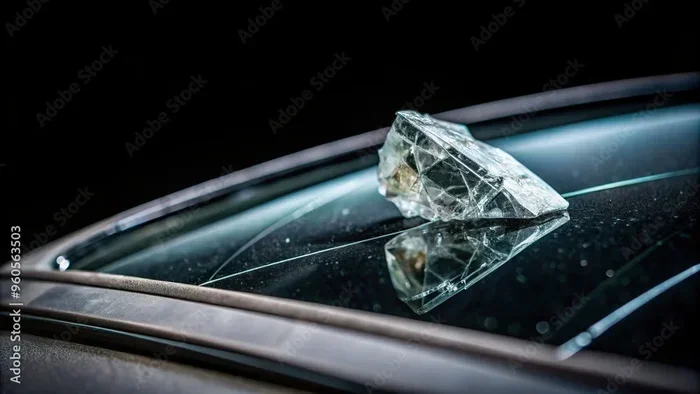
You’re driving down the highway, and then — ping. A small rock hits your front windshield, leaving a tiny chip right in your line of sight. It might seem harmless. A little blemish, right? Wrong. A chipped windshield on a car is one of those things that looks minor but can escalate fast. Wind and temperature changes cause chips to spread into cracks. What starts as a small dot can turn into a web of damage that blocks your view and puts you at risk.
The good news? You don’t have to panic. Most chipped windshields can be fixed if you act quickly. In this guide, we walk you through exactly what to do the moment you notice a chip. We’ll cover how to assess the damage, temporary fixes, professional repair options, costs, insurance details, and when it’s time for a full auto glass replacement. By the end, you’ll know exactly how to handle a chipped windshield on a car like a pro.
Let’s get into it. Your windshield is one of the most important safety features on your vehicle. It provides structural support to the roof, protects you from wind and debris, and gives you a clear view of the road. Ignoring even a tiny chip is never a smart move.
Key Takeaways
- Act fast: A small chip can spread into a large crack within days, making repair harder or impossible.
- Assess the damage: The size, location, and depth of the chip determine whether you can repair or must replace the windshield.
- Cover the chip: Use clear tape or a windshield repair kit to prevent moisture and dirt from entering the damage.
- Check your insurance: Many comprehensive policies cover windshield repair or replacement at little to no cost to you.
- Don’t delay: Prompt action protects your safety, your wallet, and your vehicle’s structural integrity.
- Avoid DIY fixes for serious damage: Temporary patches work for small chips, but professional repair is always the best long-term solution.
- Know when to replace: Chips larger than a dollar bill, cracks over three inches, or damage in the driver’s line of sight usually require full replacement.
📑 Table of Contents
- Why a Chipped Windshield on a Car Is More Serious Than You Think
- Immediate Steps to Take When You Notice a Chip
- Repair vs. Replacement: How to Decide
- DIY Windshield Repair Kits: Do They Work?
- Costs: How Much Does Windshield Repair or Replacement Cost?
- Insurance and Windshield Damage: What You Need to Know
- Preventing Windshield Damage in the Future
- When a Chipped Windshield Becomes a Safety Hazard
- Expert Insights: What Auto Glass Professionals Want You to Know
- Key Takeaways
- Conclusion
Why a Chipped Windshield on a Car Is More Serious Than You Think
Many people ignore a small chip because it doesn’t block their vision. But here’s the thing — a chip weakens the entire windshield. Your car’s windshield is made of laminated glass, which means two layers of glass bonded with a plastic interlayer. When something hits that glass, it damages the outer layer. The inner layer might look fine, but the structural integrity is compromised.
Over time, vibrations from driving, temperature swings, and even changes in air pressure can cause that chip to grow. A chip that fits on a dime today could become a crack that spans the entire windshield in a week or two. Once a crack spreads too far, repair is no longer an option. You’ll need a full auto glass replacement, which costs significantly more.
How Chips Spread Into Cracks
Here’s a quick look at why chips spread:
- Temperature changes: Hot sun followed by cold air conditioning creates stress on the damaged area.
- Vibrations: Driving on rough roads sends shockwaves through the glass, widening the chip.
- Moisture: Rain or car washes force water into the chip, weakening the glass from the inside.
- Dirt and debris: Dust and particles settle into the chip, making it harder to repair later.
- Pressure changes: Driving at high speeds or through tunnels can accelerate crack growth.
The takeaway is simple. Don’t wait. The longer you leave a chipped windshield on a car untreated, the worse it gets. And the worse it gets, the more expensive and difficult the fix becomes.
Immediate Steps to Take When You Notice a Chip
So you’ve spotted a chip. What do you do right now? Follow these steps in order. They take only a few minutes and can save you hundreds of dollars.
Step 1: Pull Over Safely
Don’t try to inspect the chip while driving. Find a safe spot — a parking lot, a side street, or a rest area. Turn on your hazard lights. This keeps you safe and gives you time to assess the situation calmly.
Step 2: Assess the Damage
Walk up to the windshield and look closely at the chip. Ask yourself these questions:
- How big is the chip? Is it smaller than a quarter?
- Where is it located? Is it in the driver’s direct line of sight?
- Is it a surface chip or does it go through both layers of glass?
- Are there any existing cracks branching off from the chip?
The answers to these questions determine your next move. A small chip outside the driver’s sight line is usually repairable. A chip directly in front of the driver or one that’s already cracking might need full windshield replacement.
Step 3: Cover the Chip Temporarily
If you can’t get to a repair shop right away, cover the chip with clear packing tape or a small piece of transparent tape. This keeps moisture, dirt, and debris out of the damaged area. It’s not a permanent fix, but it buys you time.
Apply the tape gently. Don’t press too hard on the glass. You want the tape to sit flat over the chip without putting pressure on it.
Step 4: Avoid Temperature Extremes
While you wait for repairs, try to park in a garage or shaded area. Avoid blasting your car’s heater or air conditioner directly at the windshield. Sudden temperature changes are the fastest way to turn a chip into a crack.
Repair vs. Replacement: How to Decide
This is the big question everyone asks. Should you repair the chip or replace the entire windshield? The answer depends on a few key factors.
When Repair Is the Best Option
Most auto glass professionals recommend repair when:
- The chip is smaller than three inches across.
- The damage is surface-level and hasn’t penetrated the inner layer of glass.
- The chip is not in the driver’s direct line of sight.
- There are no more than three cracks or chips in the same area.
- The damage is fresh — less than a few days old.
Rock chip repair is quick, affordable, and effective. A professional technician injects a special resin into the chip, cures it with UV light, and polishes the surface. The repair restores the structural strength of the glass and improves the appearance. Most repairs take less than 30 minutes.
When Replacement Is Necessary
You’ll likely need a full auto glass replacement if:
- The chip is larger than a dollar bill.
- A crack has already formed and extends more than three inches.
- The damage is directly in the driver’s field of vision.
- The chip is deep enough to feel with your fingernail.
- Multiple chips or cracks are clustered together.
- The damage is near the edge of the windshield, where it affects the glass’s structural bond.
Replacement costs more, but it’s the only safe option when damage is severe. A new windshield restores your car’s full strength and gives you a clear, unobstructed view of the road.
Quick Comparison Table
| Factor | Repair | Replacement |
|---|---|---|
| Cost | $50 – $150 | $200 – $500+ |
| Time | 20 – 30 minutes | 1 – 2 hours |
| Damage Size | Under 3 inches | Over 3 inches |
| Location | Outside driver’s sight line | In driver’s sight line |
| Depth | Surface level | Through both glass layers |
| Insurance Coverage | Usually covered | Usually covered |
Keep in mind that prices vary based on your vehicle model, location, and the type of glass used. Always get a quote from at least two providers before committing.
DIY Windshield Repair Kits: Do They Work?
Walk into any auto parts store and you’ll find windshield repair kits on the shelves. They promise to fix chips at home for a fraction of the cost. So do they actually work?
The honest answer is: it depends. DIY kits work best for very small, surface-level chips. They typically include a resin syringe, a curing light, and a polishing pad. You clean the chip, inject the resin, cure it with the light, and buff the surface smooth.
Here’s what you need to know about DIY windshield repair:
- They work for tiny chips: If the damage is smaller than a pea and hasn’t cracked, a DIY kit can be effective.
- They’re temporary for larger damage: Bigger chips or cracks won’t fully resolve with a home kit.
- They don’t restore full structural strength: Professional repairs are stronger and more reliable.
- They can make professional repairs harder: If you use a DIY kit incorrectly, it can interfere with a professional fix later.
My advice? Use a DIY kit as a last resort to buy yourself a few days. Then visit a professional auto glass repair shop as soon as possible. A pro will do a far better job and give you peace of mind.
Quick Tips for Using a DIY Repair Kit
- Clean the chip area thoroughly with the included alcohol wipe.
- Apply the resin slowly and evenly into the damaged spot.
- Let the curing light do its work — don’t rush it.
- Remove excess resin with the provided razor blade carefully.
- Buff the area gently with the polishing pad for a smooth finish.
- Avoid driving through car washes for at least 24 hours.
Costs: How Much Does Windshield Repair or Replacement Cost?
Nobody wants to be surprised by a big bill. Here’s a realistic breakdown of what you can expect to pay for chipped windshield on a car repair or replacement.
Windshield Repair Cost
A basic chip repair typically costs between $50 and $150. Many insurance companies cover this cost entirely, especially if you have comprehensive coverage. Some shops even offer free repairs if you have insurance that pays for it.
Windshield Replacement Cost
Replacement is more expensive. The average cost ranges from $200 to $500 for most passenger vehicles. Premium or luxury vehicles can cost $700 or more. Factors that affect the price include:
- The make and model of your car
- Whether the windshield has special features (rain sensors, heating elements, cameras)
- Your location and labor rates
- Whether you use OEM (original equipment manufacturer) glass or aftermarket glass
Can You Save Money?
Absolutely. Here are a few ways to keep costs down:
- Check your insurance: Comprehensive auto insurance often covers glass repair with no deductible.
- Get multiple quotes: Don’t just go with the first shop you find. Compare prices from at least three providers.
- Ask about mobile service: Many repair companies come to you, which saves time and sometimes money.
- Fix it early: A small chip costs a fraction of what a full replacement costs. Early action saves cash.
Insurance and Windshield Damage: What You Need to Know
One of the most common questions I get is whether insurance covers a chipped windshield on a car. The short answer is: usually yes, but it depends on your policy.
Most comprehensive auto insurance policies include glass coverage. This means your insurance company pays for repair or replacement, often with no deductible at all. Liability-only policies, on the other hand, typically do not cover glass damage.
Here’s how the process usually works:
- Call your insurance company and report the damage.
- They’ll ask for photos and details about the chip or crack.
- They’ll either refer you to an approved repair shop or give you permission to choose your own.
- The shop bills the insurance company directly, so you pay nothing out of pocket.
Filing a glass claim usually doesn’t affect your insurance rates. Glass damage is considered a comprehensive claim and is viewed differently than accident claims. Still, it’s always a good idea to check with your specific provider before proceeding.
What If You Don’t Have Insurance?
No worries. Many auto glass repair shops offer payment plans or financing options. Some shops also have discounts for seniors, military members, or first-time customers. Don’t let the lack of insurance stop you from fixing the damage. Driving with a compromised windshield is dangerous and could lead to a ticket or a failed vehicle inspection.
Preventing Windshield Damage in the Future
You can’t prevent every chip or crack, but you can reduce your risk significantly. Here are some practical tips to keep your windshield in great shape:
- Keep a safe following distance: Stay at least three seconds behind the vehicle in front of you. This gives you time to react if they kick up rocks or debris.
- Avoid driving behind construction trucks: These vehicles often carry loose gravel and debris that can chip your windshield.
- Park in a garage or covered area: Protecting your car from extreme temperatures reduces the risk of existing chips spreading.
- Replace worn windshield wipers: Old wipers can scratch the glass surface over time, making it more vulnerable to damage.
- Use a sunshade in hot weather: Reducing temperature extremes on the glass helps prevent stress cracks.
- Drive carefully on gravel roads: Slow down and stay behind other vehicles to avoid flying stones.
Small habits make a big difference over time. Your windshield takes a beating every time you drive, so give it the care and attention it deserves.
When a Chipped Windshield Becomes a Safety Hazard
There’s a point where a chip is no longer just a cosmetic issue — it becomes a safety hazard. Here’s when you should stop driving and get immediate help:
- The chip is directly in your line of sight and distracts you while driving.
- A crack has spread across a large portion of the windshield.
- The glass feels soft or spongy when you touch it — this means the inner layer is damaged.
- You notice moisture or air leaking through the damaged area.
- The windshield feels loose or rattles when you drive over bumps.
Your windshield plays a critical role in your car’s structural integrity. In a rollover accident, a damaged windshield can fail to support the roof, increasing the risk of serious injury. A chipped windshield on a car might seem minor, but it can compromise the safety of everyone inside the vehicle.
Expert Insights: What Auto Glass Professionals Want You to Know
I spoke with several experienced auto glass technicians, and they all shared the same message: don’t ignore a chip. Here’s what they had to say:
“The number one mistake we see is people waiting too long. A small repair takes 20 minutes and costs very little. A replacement takes hours and costs hundreds of dollars. The message is simple — fix it early.” — Mike R., certified auto glass technician with 15 years of experience.
“We see a lot of customers who tried to fix a chip with household glue or nail polish. That’s a bad idea. It contaminates the damage and makes professional repair much harder. Stick to proper repair kits or just get it looked at by a pro.” — Sarah T., auto glass shop owner.
“Temperature is the silent killer of windshields. People get a chip in the summer, blast their AC, and wonder why a crack appeared overnight. It’s not magic — it’s physics.” — David L., mobile windshield repair specialist.
These experts all agree on one thing. A chipped windshield on a car deserves immediate attention. The faster you act, the better the outcome.
Key Takeaways
- Act immediately: A small chip can spread into a large crack within days. Don’t wait to address a chipped windshield on a car.
- Assess the damage: Size, location, and depth determine whether you can repair or must replace the windshield.
- Cover the chip: Use clear tape or a windshield repair kit to prevent moisture and dirt from entering the damage.
- Check your insurance: Many comprehensive policies cover auto glass repair or replacement at little to no cost.
- Don’t attempt risky DIY fixes: Professional rock chip repair is faster, stronger, and more reliable than home remedies.
- Know when to replace: Chips larger than a dollar bill, cracks over three inches, or damage in the driver’s line of sight usually require full auto glass replacement.
- Prevent future damage: Safe driving habits and proper parking can significantly reduce the risk of windshield damage.
Conclusion
A chipped windshield on a car is never something you should ignore. It might look small today, but it has the potential to grow into a serious safety hazard that costs much more to fix. The key is to act fast. Assess the damage, cover the chip if needed, and get professional help as soon as possible.
Whether you choose a quick rock chip repair or a full auto glass replacement, the most important step is the one you take right now. Don’t let a tiny chip turn into a cracked windshield that puts you and your passengers at risk.
Check your insurance coverage, compare repair options, and find a trusted auto glass repair professional near you. Your windshield is your window to the road — keep it clear, keep it strong, and keep yourself safe.
Take care of that chip today. Your future self will thank you.
Frequently Asked Questions
Can I drive with a chipped windshield on a car?
You can drive short distances with a small chip, but it’s not recommended. A chip can spread quickly and block your vision, creating a serious safety hazard. Get it inspected and repaired as soon as possible to avoid further damage and potential legal issues.
How long does a windshield chip repair take?
A professional chip repair typically takes 20 to 30 minutes. It’s a quick process that involves injecting resin into the damaged area, curing it with UV light, and polishing the surface. Most repair shops can handle it during a regular visit.
Will insurance cover my chipped windshield repair?
Most comprehensive auto insurance policies cover windshield repair at no cost to you. Glass claims usually don’t affect your rates. Check with your insurance provider to confirm your coverage and whether you need to file a claim before visiting a repair shop.
How much does it cost to replace a windshield?
Windshield replacement costs between $200 and $500 for most standard vehicles. Luxury or specialty vehicles can cost more. The price depends on your car model, the type of glass used, and whether the windshield has advanced features like sensors or heating elements.
Can a DIY repair kit fix a chipped windshield?
DIY kits work well for very small, surface-level chips. They use resin and a curing light to fill the damaged area. However, they don’t match the quality of professional repairs and aren’t suitable for larger chips or cracks. Use a kit only as a temporary measure until you can see a professional.
What happens if I ignore a chip in my windshield?
Ignoring a chip can lead to a spreading crack that requires full replacement instead of a simple repair. Temperature changes, vibrations, and moisture all accelerate crack growth. A damaged windshield also compromises your vehicle’s structural integrity and can fail you during a safety inspection.