Chipped Windshield on a Car Why Quick Action Matters
A chipped windshield on a car might seem minor, but ignoring it can lead to serious safety hazards and expensive repairs. This guide explains why acting fast saves money and keeps you safe on the road.
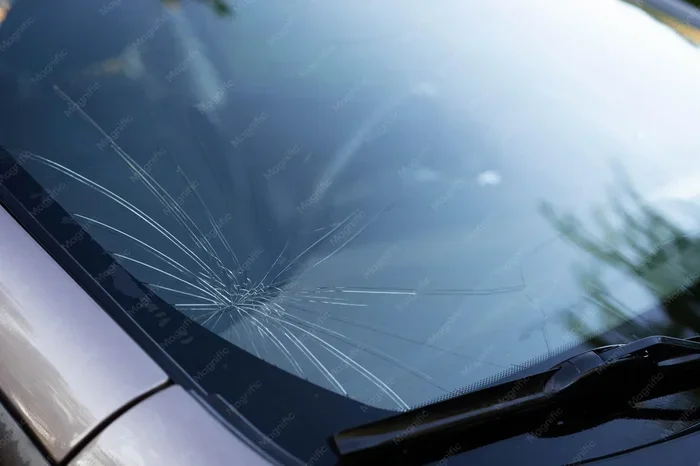
You are driving down the highway when a small rock kicks up from a truck ahead. You hear a faint ping, but nothing seems seriously wrong. A tiny chip sits in your chipped windshield on a car, no bigger than a pea. You think, “I’ll fix that later.” But later turns into weeks, then months. That little chip grows, spreads, and suddenly your entire view is obscured. A chipped windshield on a car is not just a cosmetic annoyance. It is a safety issue that demands quick action.
Many drivers underestimate the danger of a small rock chip. They assume it is harmless. However, vibration, temperature changes, and everyday driving stress can turn a chip into a full crack. Once a crack extends beyond a certain size, repair becomes impossible and replacement is the only option. This article will show you why fixing a chipped windshield on a car immediately is the smartest decision you can make. You will learn about the risks, the costs, and the simple steps you can take right now.
Key Takeaways
- Act immediately: A small chip can spread into a large crack within days.
- Safety first: A damaged windshield compromises structural integrity and visibility.
- Cost savings: Early repair is far cheaper than full replacement.
- Insurance may cover it: Many policies include glass repair with no deductible.
- Prevent further damage: Avoid temperature extremes and rough roads until fixed.
- Professional vs DIY: Expert repair ensures lasting results and safety.
📑 Table of Contents
- What Exactly Is a Chipped Windshield?
- How a Small Chip Turns into a Big Crack
- Immediate Risks of Driving with a Damaged Windshield
- Chipped Windshield Repair Cost: DIY vs Professional
- When to Repair vs When to Replace
- Prevention Tips: How to Avoid Windshield Chips
- Quick Tips for Immediate Care
- Expert Insights: What Auto Glass Professionals Say
- Common Mistakes Drivers Make with Windshield Chips
- Conclusion
What Exactly Is a Chipped Windshield?
A chipped windshield on a car occurs when a small piece of glass is missing. It usually happens because of road debris like rocks, gravel, or sand. The impact leaves a tiny nick or crater in the laminated glass. Unlike a crack, a chip is a localized break. It does not always spread right away. But it weakens the structural integrity of the windshield.
Windshields are made of two layers of glass with a plastic vinyl layer in between. This laminated glass is designed to hold together when shattered. A chip breaks the outer layer. If left untreated, moisture, dirt, and stress can seep into the break. Over time, the chip can expand into a rock chip or a full crack. Understanding what a chip is helps you realize why windshield repair should be a priority.
How a Small Chip Turns into a Big Crack
The Science Behind Crack Spread
Windshields endure a lot of stress every day. They face vibrations from the engine and road. They experience temperature fluctuations from hot sun to cold air conditioning. They absorb pressure from wind and debris. All of these forces act on a weakened spot. A chip is a starting point for crack propagation.
When a car goes over a bump, the glass flexes slightly. The edges of the chip move. Tiny stresses build up. Moisture enters the microscopic gap. Then, the glass expands when hot and contracts when cold. This cycle repeats. Within days or weeks, a small chipped windshield on a car can develop a long, jagged crack. Once a crack reaches three inches or more, repair is no longer an option. The entire windshield must be replaced. This is why quick action matters so much.
Common Causes of Windshield Chips
You cannot always avoid a chip, but knowing the causes helps you understand the risk. Here are the most common reasons for a chipped windshield on a car:
- Road debris: Rocks, gravel, and construction materials kicked up by other vehicles.
- Tailgating: Driving too close to trucks increases the chance of rock impact.
- Weather events: Hail storms can cause multiple chips at once.
- Construction zones: Loose gravel on construction roads is a major culprit.
- Speed changes: High speed increases the force of impact.
Immediate Risks of Driving with a Damaged Windshield
Some drivers ignore a chipped windshield on a car because it does not block their view completely. That is a dangerous mistake. A damaged windshield creates several immediate risks that affect your safety every time you drive.
Reduced Visibility and Glare
A chip can distort light passing through the glass. Sunlight glares off the uneven surface. At night, headlights from oncoming traffic scatter through the chip, creating blinding halos. This visibility hazard makes it harder to see pedestrians, cyclists, and other cars. In rain, a chip can cause water to bead unevenly, further reducing clarity. Clear vision is essential for safe driving. A chipped windshield on a car directly compromises that clarity.
Structural Weakness and Roof Support
Your windshield does more than protect you from wind and bugs. It provides up to 60% of the roof’s structural support in a rollover accident. A chipped windshield on a car is weaker than intact glass. In a crash, the roof could collapse more easily if the windshield is damaged. The laminated glass layer is designed to hold the roof in place. A chip disrupts that integrity. Replacing or repairing the chip restores that critical safety feature.
Airbag Deployment Issues
In many vehicles, the windshield acts as a backstop for the passenger airbag. During a collision, the airbag inflates and pushes against the windshield. If the glass is chipped or cracked, it may shatter outward. The airbag could then deploy incorrectly, failing to protect the occupant. This is a hidden danger of a chipped windshield on a car that many people do not consider.
Chipped Windshield Repair Cost: DIY vs Professional
Cost is a big reason drivers delay fixing a chip. They worry about the windshield replacement cost or the chip repair cost. Understanding your options helps you make a smart choice. Here is a comparison of the two main paths.
| Option | Average Cost | Time Required | Durability | Best For |
|---|---|---|---|---|
| DIY Repair Kit | $10–$30 | 30–60 minutes | Moderate; may not last | Tiny, surface-level chips in non-critical areas |
| Professional Repair | $50–$150 | 30–60 minutes | High; restores structural integrity | Most chips; preserves factory safety standards |
| Full Windshield Replacement | $200–$500+ | 1–2 hours | New factory-quality glass | Cracks longer than 3 inches or chips in driver’s line of sight |
A DIY repair kit uses a resin that fills the chip. You inject it under pressure and let it cure. This can stop a small chip from spreading. However, it does not restore the full strength of the glass. It is a temporary fix. A professional windshield repair uses specialized equipment and high-quality resin. The technician cleans the chip, removes air, and injects resin. The result is nearly invisible and restores most of the glass’s original strength. For most chipped windshield on a car situations, professional repair is the best choice.
When Insurance Covers the Repair
Many auto insurance policies include comprehensive glass coverage. This often pays for windshield repair with no deductible. Check your policy or call your agent. If you have glass coverage, a chip repair cost of $50 to $150 may be fully covered. That means you pay nothing out of pocket. Even without glass coverage, the cost of a repair is a fraction of a full replacement. Quick action saves you money.
When to Repair vs When to Replace
Not every chip can be repaired. The location, size, and depth matter. Here are clear guidelines to help you decide.
Repairable Chips
A chip is usually repairable if:
- The diameter is smaller than a quarter (about 1 inch).
- The chip is not in the driver’s direct line of sight.
- There are no more than three chips in the same area.
- The damage is only in the outer layer of glass.
- The crack has not yet formed.
Replacement is Necessary
You will likely need a full windshield replacement if:
- The crack is longer than three inches.
- The chip is directly in front of the driver’s eyes.
- The damage goes through both layers of glass.
- Multiple chips are clustered together.
- The windshield has been repaired before in the same spot.
A chipped windshield on a car that is in the driver’s line of sight can cause distortion. Even a small repair in that area may leave a slight blemish. In such cases, replacement ensures perfect clarity and safety. Always consult a certified auto glass technician for an honest assessment.
Prevention Tips: How to Avoid Windshield Chips
While you cannot prevent every chip, you can reduce the risk significantly. These simple habits protect your windshield and your wallet.
Keep a Safe Distance from Trucks
Trucks and trailers are the biggest sources of road debris. They carry loose gravel and construction materials. When you follow too closely, rocks fly up and hit your windshield. Stay at least four seconds behind large trucks. If you see a gravel truck or a construction vehicle, increase your distance. This single habit can prevent many chipped windshield on a car incidents.
Avoid Tailgating and Aggressive Driving
Tailgating not only increases collision risk but also raises the chance of rock chips. Sudden braking can cause the car behind to throw debris toward you. Smooth, defensive driving keeps you safer. Driving safety starts with maintaining space.
Protect Your Car from Temperature Extremes
Rapid temperature changes stress the glass. In summer, the windshield heats up under direct sun. In winter, you blast the defroster on high. That sudden shift can cause a chip to crack. Park in the shade or a garage when possible. In cold weather, warm the car gradually. Let the defroster run on low for a few minutes before increasing the heat. This simple step reduces temperature fluctuation stress.
Use a Windshield Sun Shade
A sun shade keeps the interior cool and reduces thermal stress on the glass. It also protects the windshield repair resin if you have a chip fixed. The shade is an inexpensive tool that extends the life of your auto glass.
Regularly Inspect Your Windshield
Make it a habit to check your windshield every time you wash the car. Look for tiny chips or nicks. Catching a rock chip early makes repair easier and cheaper. Many repair shops offer free inspections. A quick look can save you from a full replacement later.
Quick Tips for Immediate Care
If you notice a chip today, follow these quick steps to prevent it from growing:
- Cover the chip: Use a small piece of clear tape or a windshield chip cover. This keeps moisture and dirt out.
- Avoid car washes: High-pressure water can force debris into the chip.
- Stay out of direct sunlight: Park in a garage or shaded area to reduce thermal stress.
- Drive gently: Avoid rough roads and potholes until the chip is repaired.
- Schedule a repair: Call a local auto glass shop within 48 hours for a professional assessment.
Expert Insights: What Auto Glass Professionals Say
Expert Insight: “We see countless customers who waited too long to fix a small chip. By the time they come in, the crack has spread across the entire windshield. A simple repair that would have taken 30 minutes now becomes a costly replacement.” — Mark T., Senior Auto Glass Technician with 15 years of experience.
Professionals emphasize the importance of addressing a chipped windshield on a car within the first few days. They also stress the use of OEM-quality glass for replacements. Aftermarket glass may be cheaper, but it can affect optical clarity and safety features like rain sensors and ADAS calibration. Always ask your technician about the glass they use and whether it meets safety standards. A reputable shop will be transparent about the materials and the process.
Common Mistakes Drivers Make with Windshield Chips
Avoid these common errors that turn a minor chip into a major problem.
- Ignoring the chip: “It’s just a tiny dot” is the most dangerous thought. Chips spread.
- Using cheap DIY kits without proper prep: If you do not clean the chip thoroughly, the resin fails.
- Delaying repair due to cost fears: A repair costs a fraction of replacement. Most insurance covers it.
- Driving with a cracked windshield: Even a small crack can grow quickly and fail inspection.
- Choosing the wrong repair shop: Always go to a certified, reputable auto glass provider.
By avoiding these mistakes, you protect your investment and your safety. A chipped windshield on a car is a fixable problem when you act fast.
Conclusion
A chipped windshield on a car is never just a minor inconvenience. It is a warning sign that your safety glass has been compromised. The risks of reduced visibility, structural weakness, and crack spread are real and immediate. Quick action saves you money, keeps you safe, and preserves the integrity of your vehicle. Whether you choose a professional repair or a DIY kit, the most important step is to address the chip today. Do not wait for a small rock to turn into a long crack. Protect your windshield, protect yourself, and drive with confidence.
Frequently Asked Questions
Can I drive with a chipped windshield?
You can drive short distances, but it is not safe. A chip can quickly turn into a crack that blocks your view. It also weakens the windshield’s structural support. Have it repaired as soon as possible.
How much does it cost to repair a chipped windshield?
Professional repair typically costs between $50 and $150. Many insurance policies cover this cost with no deductible. A DIY kit is cheaper but less durable and may not restore full strength.
Will insurance pay for windshield chip repair?
Most comprehensive auto insurance policies include glass coverage. This often pays for repair without affecting your premium. Check with your insurance provider to confirm your specific coverage details.
How long does a windshield chip repair take?
A professional repair usually takes about 30 to 60 minutes. The resin needs a short curing time. You can typically drive your car immediately after the repair is complete.
What happens if I ignore a small chip?
Ignoring a chip allows moisture and dirt to enter the break. Temperature changes and road vibrations cause the chip to spread into a crack. Once a crack exceeds three inches, the windshield must be replaced entirely.
Can a DIY repair kit fix a chipped windshield?
A DIY kit can fill very small, surface-level chips. It is a temporary fix that may not restore the glass’s original strength. For a lasting and safe repair, professional service is strongly recommended.