Car Has No Power at All Why It Happens and How to Fix
When your car has no power at all, it can be scary and frustrating. This guide walks you through every possible cause, from a dead battery to fuel pump failure, so you can diagnose and fix the problem fast. We cover step-by-step solutions, expert tips, and preventive advice to keep your vehicle running strong.
There is nothing worse than turning the key and hearing nothing. Or maybe your car starts but immediately dies. Either way, when your car has no power at all, it can feel like your day is completely ruined. You are standing in the driveway, late for work, staring at a vehicle that refuses to cooperate.
But here is the good news. Most of the time, this problem has a simple explanation and an even simpler fix. Whether it is a dead battery, a failing fuel pump, or a bad ignition switch, understanding the root cause puts you back in control. This guide covers every major reason your car might lose all power and gives you clear steps to solve it.
We will walk through the symptoms, the diagnostics, and the repairs in plain language. No mechanic jargon. No confusing tech talk. Just straightforward advice that actually works. So let us get into it and figure out why your car has no power at all.
Key Takeaways
- A dead or weak battery is the number one reason a car has no power at all.
- Corroded battery terminals and bad cables can block power even when the battery is fine.
- Fuel pump failure and clogged fuel filters starve the engine of gas, causing a total loss of power.
- Faulty ignition switches, starter motors, and relays can prevent your car from cranking or running.
- Regular maintenance like battery testing and fuel system cleaning can prevent most power-loss issues.
- Knowing the warning signs early saves you from getting stranded and costly repairs.
- Some problems need a professional mechanic, especially those involving internal engine damage or complex electrical faults.
📑 Table of Contents
What Does It Mean When Your Car Has No Power at All?
When we say your car has no power at all, we mean the vehicle completely fails to start or run normally. There is no cranking, no clicking, no dashboard lights, or sometimes the engine turns over but immediately shuts off. The result is the same: your car is dead in the water.
This problem can show up in different ways. Some people hear a single click and nothing else. Others turn the key and get complete silence. In some cases, the engine cranks very slowly or struggles to stay running after it starts. Each symptom points to a different cause, and knowing what you are hearing helps narrow things down fast.
Understanding the basics of how your car starts is helpful here. Your car electrical system needs three main things to work: a charged battery, a working starter motor, and a functioning ignition system. On the fuel side, you need a healthy fuel pump, clean fuel filters, and good spark plugs. When any one of these components fails, your car won’t start or loses all power while driving.
The Difference Between No Crank and No Start
It helps to understand the difference between a no-crank situation and a no-start situation. A no crank means you turn the key and hear nothing at all. The dashboard lights might be dim or completely off. This usually points to a battery problem or a broken electrical connection.
A no start means the engine cranks but does not fire up. You hear the motor turning over, but it will not catch. This often points to fuel delivery issues, ignition problems, or sensor failures. Both situations fall under the umbrella of car has no power at all, but the fixes are very different.
Common Reasons Your Car Has No Power at All
Now let us look at the most common causes. These are the culprits that mechanics see every single day. Knowing these can save you time and money before you even pop the hood.
Dead or Weak Battery
The dead battery is the number one reason a car has no power at all. Car batteries last three to five years on average. After that, they lose their ability to hold a charge. Cold weather makes this worse because it slows down the chemical reactions inside the battery.
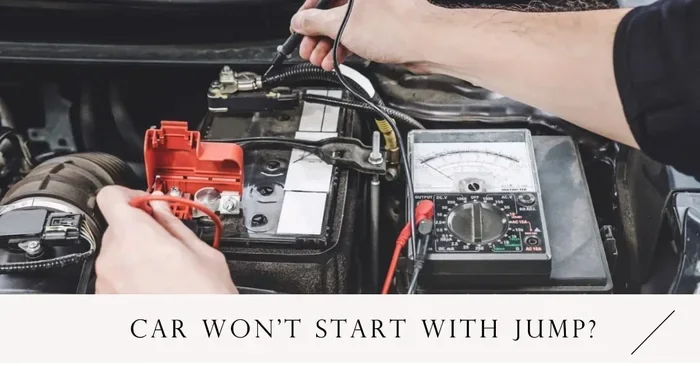
You can test your battery with a simple multimeter. A healthy battery should read 12.6 volts or higher when the engine is off. If it reads below 12.0 volts, it is time for a replacement. Also, check the battery terminals for white or greenish corrosion. Even a brand-new battery will not work properly if the connections are dirty or loose.
Some people think a jump start fixes everything. And sometimes it does. But if your battery keeps dying, the real problem might be a faulty alternator or a parasitic draw draining power overnight. Always get the charging system tested after a jump start to be sure.
Corroded or Loose Battery Connections
This is a sneaky one. Your battery might be perfectly charged, but if the cables and terminals are corroded, power cannot flow properly. Corroded battery terminals act like a blocked pipe. The electricity simply cannot get through to the starter motor or the rest of the electrical system.
You can clean battery terminals easily with a wire brush and a baking soda solution. Just disconnect the cables (negative first, then positive), scrub off the corrosion, and reconnect them tight. This simple fix has gotten many drivers back on the road in minutes.
Bad Starter Motor
The starter motor is what cranks your engine when you turn the key. If it fails, you will hear a single click or nothing at all. A faulty starter motor is one of the most common reasons a car won’t turn over.
Starter motors wear out over time, especially in older vehicles. They can also fail if water gets into the housing or if the electrical connections corrode. Replacing a starter motor is not cheap, but it is a straightforward repair that any good mechanic can handle in an hour or two.
Failing Fuel Pump
Your engine needs fuel to run. The fuel pump pushes gas from the tank to the engine. When it fails, the engine gets nothing and your car has no power at all. Fuel pumps often fail without warning, though you might notice signs like stalling at high speeds or a whining noise from the tank before the big failure.
A fuel pump failure is serious because it leaves you completely stranded. The good news is that replacing a fuel pump is a standard repair. The cost varies depending on your vehicle, but most mechanics can do it in a few hours.
Clogged Fuel Filter
The fuel filter keeps dirt and debris out of your engine. Over time, it gets clogged and restricts fuel flow. A clogged fuel filter can cause the same symptoms as a bad fuel pump: engine stalling, difficulty starting, and a total loss of power.
Replacing a fuel filter is cheap and easy. Most manufacturers recommend changing it every 30,000 to 40,000 miles. If it has been a while since your last filter change, this is a great place to start your diagnosis.
Ignition Switch Problems
The ignition switch is the part you turn to start the car. It sends power to the starter motor and the ignition system. When it goes bad, you might notice that your car won’t start even though the battery is fine and the starter motor sounds healthy.
Ignition switch failure is more common in older vehicles with high mileage. You might also notice that your dashboard lights flicker or that the key feels loose when you turn it. Replacing an ignition switch is relatively affordable and usually takes less than an hour.
Faulty Ignition Coil or Spark Plugs
Your engine needs a strong spark to ignite the fuel-air mixture. The ignition coil creates that spark, and the spark plugs deliver it to each cylinder. When one or more of these parts fail, your engine will crank but not start, or it will run very rough and lose all power.
Spark plugs wear out over time and need regular replacement. Ignition coils can fail from heat damage or age. A simple spark plug test can tell you if your plugs are fouled or worn. Many drivers replace their spark plugs every 30,000 to 50,000 miles to avoid this problem entirely.
Blown Fuses and Bad Relays
Your car has a fuse box that protects the electrical system from overloads. If a key fuse blows, it can cut power to the starter motor, fuel pump, or ignition system. Blown fuses are an easy and cheap fix, and they are often overlooked when diagnosing a car has no power at all situation.
Relays work like switches that control power to different parts of your car. A faulty relay can prevent your fuel pump or starter from receiving power. Checking your fuses and relays takes just a few minutes and should be part of any basic diagnostic process.
Alternator Failure
The alternator charges your battery while the engine runs. When it fails, your battery slowly loses power until the car dies completely. A bad alternator often causes dimming headlights, a warning light on the dashboard, and eventually a total loss of power.
If your car started fine this morning but died on the highway, the alternator might be to blame. Replacing an alternator costs less than most people think, and it is a repair that keeps your entire electrical system healthy.
Diagnosing the Problem Step by Step
Now that you know the common causes, let us talk about how to diagnose the problem yourself. You do not need to be a mechanic to do basic checks. A little knowledge and the right tools go a long way.
Step One: Check the Battery
Start with the battery because it is the most common cause. Look at the dashboard when you turn the key. Do the lights come on at all? Are they dim? If nothing happens, the battery is likely dead or the connections are bad.
Use a multimeter to check the voltage. A reading below 12.0 volts means the battery needs charging or replacing. Clean any corrosion off the terminals and make sure the cables are tight. Sometimes this alone solves the problem.
Step Two: Listen for Clicks and Sounds
When you turn the key, pay attention to what you hear. A single click usually means the starter motor is trying to engage but cannot. Rapid clicking often means the battery is too weak to turn the starter. Silence with no lights usually points to a completely dead battery or a broken electrical connection.
These sounds are clues. Write them down and share them with your mechanic if you need professional help. The more information you can provide, the faster the diagnosis will be.
Step Three: Check the Fuel System
Turn the key to the “on” position (do not start the engine). You should hear a faint humming sound from the back of the car. That is the fuel pump priming. If you hear nothing, the fuel pump might be dead or a fuse might be blown.
Also check the fuel gauge. It sounds obvious, but you would be surprised how many people run out of gas and assume something is broken. Always check the simple things first.
Step Four: Inspect the Fuses and Relays
Open your fuse box and look for any blown fuses. A blown fuse will have a broken wire inside the glass tube. Replace it with the same amperage fuse. Check the relay for the fuel pump and starter motor as well. Swapping a suspected bad relay with a similar one is an easy way to test it.
Step Five: Get a Professional Diagnostic Scan
If you have checked the battery, fuses, fuel system, and starter motor without finding the problem, it is time for a professional diagnostic scan. Modern cars have onboard computers that store error codes. A mechanic can plug in a scanner and read these codes to pinpoint the exact issue.
This step saves a lot of guesswork. It also prevents you from replacing parts that are not actually broken. A diagnostic scan is worth the small cost, especially when your car has no power at all and you have exhausted the simple checks.
How to Fix a Car That Has No Power at All
Once you know what is causing the problem, fixing it becomes much easier. Here are the most common repairs and what to expect.
Jump Starting or Replacing the Battery
If your battery is dead, a jump start is the fastest way to get back on the road. Use jumper cables and another vehicle with a working battery. Connect the positive cable first, then the negative cable. Let the good battery charge your dead battery for a few minutes before trying to start your car.
After a successful jump start, drive your car for at least 20 minutes to recharge the battery. If the battery is more than four years old, consider replacing it right away. A weak battery that just got a jump start often dies again within a few days.
When replacing a battery, always choose one with the right cold cranking amps (CCA) rating for your vehicle. You can find this number on the old battery label or in your owner’s manual.
Cleaning or Replacing Battery Cables
Corroded cables can be cleaned with a wire brush and baking soda solution. If the cables are cracked, frayed, or severely corroded, replace them entirely. New battery cables are inexpensive and make a huge difference in power delivery.
Replacing the Starter Motor
A bad starter motor needs to be replaced. The cost typically ranges from $200 to $500 depending on your vehicle. The repair involves removing the starter from the engine block, unbolting the old unit, and installing the new one.
If you have basic mechanical skills, you can do this yourself with a socket set and a little patience. Otherwise, a mechanic can handle it quickly. The key is to not ignore a failing starter motor, because it will eventually leave you completely stranded.
Fixing Fuel Pump and Fuel Filter Issues
A failed fuel pump needs to be replaced. This repair involves dropping the fuel tank in most vehicles. The cost ranges from $400 to $800 depending on your car. A clogged fuel filter is a much cheaper fix, usually under $50 for the part and about an hour of labor.
If you suspect fuel delivery problems, do not keep driving the car. Running an engine without fuel can damage the fuel injectors and other components. Get it towed to a shop if needed.
Replacing Ignition Components
Ignition coils and spark plugs are relatively affordable repairs. A set of new spark plugs costs between $20 and $80 depending on the type. Ignition coils run $30 to $100 each. These parts are easy to access in most engines and can be swapped out in under an hour.
Regular replacement of spark plugs and ignition coils as part of your maintenance schedule prevents unexpected power loss. Check your owner’s manual for the recommended replacement intervals.
Replacing Fuses and Relays
Replacing a blown fuse costs just a few dollars. You can buy a fuse kit at any auto parts store. Relays are similarly inexpensive. Always replace fuses with the correct amperage rating. Using a higher amperage fuse can cause electrical fires and damage your car’s wiring.
Alternator Replacement
A failing alternator should be replaced as soon as possible. The cost typically ranges from $300 to $600 for parts and labor. Driving with a bad alternator risks leaving you stranded because the battery will eventually drain completely.
After replacing the alternator, have the charging system tested to make sure everything is working properly. A new alternator should produce between 13.5 and 14.5 volts when the engine is running.
Preventive Maintenance Tips to Avoid Power Loss
The best way to deal with a car has no power at all situation is to prevent it from happening in the first place. Regular maintenance keeps your car healthy and saves you from unexpected breakdowns.
- Test your battery every six months, especially before winter. Most auto parts stores will test it for free.
- Clean battery terminals at least once a year to prevent corrosion buildup.
- Replace your fuel filter according to the manufacturer’s schedule, usually every 30,000 to 40,000 miles.
- Change your spark plugs on time. Worn plugs cause misfires and power loss.
- Listen to your car. Unusual sounds, dim lights, or slow cranking are early warning signs. Do not ignore them.
- Keep your gas tank at least a quarter full. This helps the fuel pump stay cool and last longer.
- Get regular diagnostic scans even when nothing seems wrong. Catching small issues early prevents big problems later.
Taking care of your car does not require a lot of time or money. A few simple habits can keep your vehicle running reliably for years. And when something does go wrong, you will be ready because you already know the warning signs.
When to Call a Professional Mechanic
Not every car problem is a DIY fix. Some issues require professional tools, expertise, and experience. Here are the situations where you should call a mechanic.
If you have checked the battery, fuses, and fuel system and your car has no power at all still, it is time for expert help. Internal engine problems like a broken timing belt or a seized engine cannot be diagnosed with a simple visual check. These require specialized equipment and trained technicians.
Also call a professional if you smell burning plastic or electrical insulation while trying to start your car. This could indicate a short circuit or wiring damage that is dangerous to handle on your own. Your safety always comes first.
A good mechanic will diagnose the problem quickly and give you an honest estimate before doing any work. Look for certified technicians with good reviews in your area. Building a relationship with a trusted mechanic saves you time, money, and stress in the long run.
Key Takeaways
- A dead or weak battery is the number one reason a car has no power at all.
- Corroded battery terminals and bad cables can block power even when the battery is fine.
- Fuel pump failure and clogged fuel filters starve the engine of gas, causing a total loss of power.
- Faulty ignition switches, starter motors, and relays can prevent your car from cranking or running.
- Regular maintenance like battery testing and fuel system cleaning can prevent most power-loss issues.
- Knowing the warning signs early saves you from getting stranded and costly repairs.
- Some problems need a professional mechanic, especially those involving internal engine damage or complex electrical faults.
Conclusion
When your car has no power at all, it is easy to panic. But most of the time, the cause is simple and fixable. A dead battery, corroded terminals, a bad starter motor, or a failing fuel pump are all common culprits that can be resolved with basic knowledge and a little effort.
The key is to stay calm, follow a logical diagnostic process, and tackle the simplest checks first. Check the battery. Listen for sounds. Inspect the fuses. These steps take minutes and can save you hours of frustration. And if the problem turns out to be beyond your skill level, a professional mechanic is always there to help.
Prevention is your best friend. Regular maintenance keeps your car reliable and your wallet happy. Test your battery, replace your filters, and listen to what your car is telling you. With the right approach, you can handle any power-loss issue that comes your way and get back on the road with confidence.
Remember, a car that has no power at all is not the end of the world. It is just a problem waiting for a solution. And now you have all the tools and knowledge to find that solution. So the next time your car refuses to start, take a deep breath, roll up your sleeves, and work through the list. You have got this.
Can a bad alternator cause a car to have no power at all?
Yes, a bad alternator can cause a complete loss of power. The alternator charges your battery while the engine runs. When it fails, the battery drains quickly and the car will eventually stop running. If your headlights dim significantly or your dashboard warning lights flicker before the car dies, the alternator is likely the culprit.
How do I know if my fuel pump is bad?
Common signs of a bad fuel pump include a whining noise from the fuel tank, stalling at high speeds, and difficulty starting the car. If you turn the key to the “on” position and do not hear the fuel pump hum for a few seconds, the pump may have failed. A fuel pressure test from a mechanic can confirm this.
What should I do if my car clicks but won’t start?
A clicking sound usually means the starter motor is trying to engage but cannot get enough power. This is most often caused by a weak or dead battery. Try a jump start first. If that does not work, check the battery terminals for corrosion and clean them. If the clicking continues, the starter motor itself may need replacement.
Can a blown fuse cause my car to have no power at all?
Yes, a blown fuse can cut power to critical systems like the fuel pump, starter motor, or ignition system. Check your fuse box for any blown fuses. Replace them with the same amperage rating. If a fuse keeps blowing, there may be a deeper electrical issue that needs professional diagnosis.
How often should I replace my car battery?
Most car batteries last three to five years. Cold climates and short trips can shorten battery life. Get your battery tested every six months, especially before winter. If it reads below 12.4 volts or struggles to hold a charge, replace it before it leaves you stranded.
Is it safe to drive a car that has no power while driving?
No, it is not safe. If you lose all power while driving, your steering and brakes may become harder to use. Pull over safely, turn on your hazard lights, and call for roadside assistance. Do not attempt to drive a car that has completely lost power, as it can be dangerous and cause further damage to the vehicle.
Frequently Asked Questions
What is Car Has No Power at All?
Car Has No Power at All is an important topic with many practical applications.