Car Ground Clearance Chart The Ultimate Ranking 2024
A car ground clearance chart helps you compare ride heights across vehicles before buying. This 2024 ranking covers SUVs, sedans, and trucks with the best ground clearance specs. Whether you face speed bumps or rough trails, knowing your clearance height keeps you safe and confident on the road.
Key Takeaways
- Higher clearance means fewer scrapes: A good car ground clearance chart shows which vehicles clear speed bumps and rough roads with ease.
- SUVs and trucks lead the rankings: Most top vehicles in a ground clearance chart 2024 list are SUVs and pickups built for tough terrain.
- Ground clearance affects safety: More clearance gives better approach and departure angles, reducing undercarriage damage.
- Reading the chart is simple: You just compare the ride height number measured from the lowest point to the ground.
- Not all high-clearance cars are off-road monsters: Some sedans and crossovers surprise you with solid ground clearance specs too.
- Check the chart every year: Manufacturers tweak ground clearance height each model year, so always use the latest data.
- What Is a Car Ground Clearance Chart and Why Should You Care?
- Car Ground Clearance Chart: Top-Ranked Vehicles of 2024
- How to Read and Use a Ground Clearance Chart
- Best High Ground Clearance Cars for Off-Road Adventures
- Ground Clearance vs. Ride Height: What Is the Difference?
- Common Mistakes People Make When Choosing Ground Clearance
- How to Improve Your Vehicle’s Ground Clearance
- Conclusion
📑 Table of Contents
What Is a Car Ground Clearance Chart and Why Should You Care?
A car ground clearance chart is a simple tool that ranks vehicles by how much space sits between their lowest point and the road surface. Think of it as a cheat sheet for knowing which cars can handle speed bumps, speed breakers, and dirt roads without scraping the undercarriage.
Most people overlook ground clearance when shopping for a new car. They focus on engine power, fuel economy, or interior features. But here is the truth. If your car scrapes every speed bump in your neighborhood, no amount of horsepower will make you happy. Ground clearance height affects your daily driving more than you think.
Why does this matter so much? Well, imagine driving over a steep driveway and hearing a loud scrape underneath your car. That is the undercarriage hitting the ground. A car ground clearance chart helps you avoid that embarrassing and costly problem before it happens.
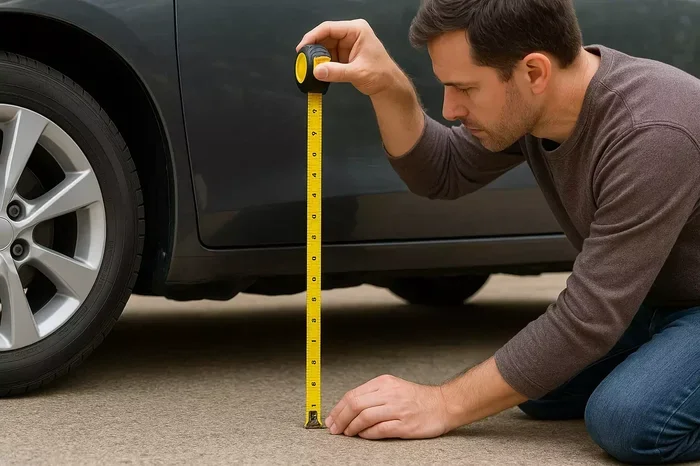
The chart measures clearance in millimeters or inches. It tells you the exact ride height of each vehicle from the lowest hanging part, usually the exhaust or the skid plate. With a good ground clearance chart 2024, you can compare dozens of vehicles in seconds and pick the one that fits your needs.
Whether you live in a hilly city, drive on poorly maintained roads, or love weekend off-road adventures, a car ground clearance ranking is one of the most useful tools you can use. It takes the guesswork out of buying a vehicle that matches your lifestyle.
Car Ground Clearance Chart: Top-Ranked Vehicles of 2024
Now let us dive into the good stuff. The car ground clearance chart below ranks the top vehicles of 2024 based on their factory-spec clearance height. We have grouped them by category so you can compare apples to apples.
Top SUVs with the Highest Clearance
SUVs dominate the top spots in any ground clearance chart. Their tall stance and robust build give them a natural advantage. Here are the leading SUVs for 2024:
- Ford Bronco Sport – 8.8 inches (224 mm)
- Chevrolet Tahoe – 9.3 inches (236 mm)
- Toyota 4Runner – 9.6 inches (244 mm)
- Jeep Wrangler Unlimited – 10.2 inches (259 mm)
- Land Rover Defender – 11.0 inches (279 mm)
These numbers come straight from the manufacturers. The car ground clearance chart shows that SUVs built for rugged use consistently offer the most clearance. If you want a vehicle that laughs at rocky trails and steep driveways, these are your best bets.
Best Pickup Trucks for Off-Road Clearance
Pickup trucks are another strong category in the ground clearance chart 2024. Their high vehicle ground level makes them perfect for hauling gear over rough terrain. Here are the top performers:
- Ram 1500 Rebel – 8.7 inches (221 mm)
- Toyota Tacoma TRD Pro – 9.4 inches (239 mm)
- Ford F-150 Raptor – 12.1 inches (307 mm)
- Chevrolet Silverado ZR2 – 11.5 inches (292 mm)
- GMC Hummer EV – 15.9 inches (404 mm)
The Hummer EV leads this list by a wide margin. Its massive ground clearance rating of nearly 16 inches makes it one of the most capable vehicles on any trail. Even standard pickups like the Ram 1500 Rebel offer enough clearance height comparison advantages over most family SUVs.
Surprising Sedans and Crossovers with Solid Clearance
Here is something many people do not expect. Some sedans and crossovers offer surprisingly good car ground clearance specs. You do not always need a massive SUV to get decent clearance. Check out these standouts:
- Subaru Outback – 8.7 inches (221 mm)
- BMW X5 – 8.3 inches (211 mm)
- Honda CR-V – 7.8 inches (198 mm)
- Volkswagen Tiguan – 7.7 inches (196 mm)
- Tesla Model X – 6.6 inches (168 mm)
The Subaru Outback is a fan favorite for a reason. It blends sedan-like comfort with SUV-grade ground clearance height. This makes it a great choice for people who want the best of both worlds. A car ground clearance ranking would place the Outback among the top crossovers without breaking a sweat.
Quick Comparison Table: 2024 Ground Clearance Leaders
| Vehicle | Category | Ground Clearance (inches) | Ground Clearance (mm) |
|---|---|---|---|
| GMC Hummer EV | Truck | 15.9 | 404 |
| Land Rover Defender | SUV | 11.0 | 279 |
| Ford F-150 Raptor | Truck | 12.1 | 307 |
| Jeep Wrangler Unlimited | SUV | 10.2 | 259 |
| Toyota 4Runner | SUV | 9.6 | 244 |
| Subaru Outback | Crossover | 8.7 | 221 |
| Ford Bronco Sport | SUV | 8.8 | 224 |
This ground clearance comparison shows a clear pattern. Trucks and rugged SUVs sit at the top. But practical crossovers like the Subaru Outback punch well above their weight class. Use this chart as your starting point when researching your next vehicle.
How to Read and Use a Ground Clearance Chart
Reading a car ground clearance chart is easier than you might think. But there are a few details you should understand so you get the full picture.
What Does Ground Clearance Actually Measure?
Ground clearance measures the shortest distance between the lowest point of your vehicle and the ground. This lowest point is usually the exhaust pipe, the skid plate, or the differential housing. It does not measure from the body bottom. It measures from the part closest to the road.
When you look at a ground clearance chart 2024, you will see numbers in inches or millimeters. Higher numbers mean more space between the car and the road. For example, a vehicle with 12 inches of clearance can easily clear a 6-inch speed bump without any scraping at all.
Why the Lowest Point Matters
Not all parts of a car sit at the same height. The roof sits high. The doors sit medium. But the undercarriage has many low-hanging parts. The exhaust, the fuel tank, and the suspension components all dip down closer to the road.
Manufacturers measure from the very lowest point. This is why a car ground clearance ranking can sometimes surprise you. A vehicle might look tall but have a low exhaust that drags on steep driveways. Always check the spec sheet for the exact ground clearance measurement before making a decision.
Using the Chart for Daily Driving
You do not need to be an off-road enthusiast to benefit from a car ground clearance chart. Here are practical ways to use it in everyday life:
- Check your neighborhood speed bumps. If they are tall, choose a vehicle with at least 8 inches of clearance.
- Consider your commute route. Roads with potholes or debris demand more clearance to protect the undercarriage.
- Plan for seasonal changes. Winter roads with snow and ice buildup can reduce effective clearance quickly.
- Think about cargo loads. A fully loaded car sits lower. Subtract a few inches from the factory number for a realistic estimate.
These simple tips help you use the car ground clearance chart as a practical tool, not just a number on a spreadsheet.
Best High Ground Clearance Cars for Off-Road Adventures
If you love hitting the trails, your car ground clearance chart becomes even more important. Off-roading demands serious clearance to navigate rocks, logs, and deep ruts without damaging the undercarriage.
What Makes a Great Off-Road Vehicle?
It is not just about height. A great off-road vehicle combines several factors:
- High ground clearance height – At least 9 inches for serious trails.
- Good approach angle – The front bumper can climb steep inclines without dragging.
- Good departure angle – The rear clears steep drops without scraping.
- Strong skid plates – Metal guards protect the vital undercarriage parts.
- Locking differentials – Both wheels on an axle spin together for better traction.
A car ground clearance chart gives you the starting point. But the full picture includes all these elements working together. The best off-road vehicles score well across every category.
Top Picks for 2024 Off-Roading
Based on the ground clearance chart 2024 data, here are the vehicles that stand out for serious off-road use:
- Land Rover Defender – 11 inches of clearance, locking differentials, and an advanced terrain response system make this a trail powerhouse.
- Jeep Wrangler Unlimited – 10.2 inches with removable doors and top, it is the iconic off-road machine.
- Ford F-150 Raptor – 12.1 inches of clearance with a dedicated off-road suspension tuned for desert and mountain trails.
- Toyota 4Runner – 9.6 inches of proven reliability that has earned a loyal following among off-road enthusiasts.
- GMC Hummer EV – 15.9 inches of clearance with electric torque vectoring that makes it almost unstoppable on soft terrain.
Each of these vehicles earns a top spot in any car ground clearance ranking. But they also bring unique strengths beyond just height. Choose based on how you plan to use the vehicle.
Ground Clearance vs. Ride Height: What Is the Difference?
Many people use these terms interchangeably, but they are not the same thing. Understanding the difference helps you read a car ground clearance chart more accurately.
Defining Ground Clearance
Ground clearance is the distance from the lowest point of the vehicle to the road surface. It is a fixed measurement based on the factory design. When you see a number on a ground clearance chart, this is what it refers to.
Defining Ride Height
Ride height is the distance from the ground to a specific reference point on the vehicle body, usually the bottom of the door sill or the center of the wheel. It can change based on suspension settings, cargo weight, and even tire size.
Why the Difference Matters
Here is a practical example. A car might have a ride height of 10 inches at the door sill. But if the exhaust hangs down 2 inches lower, the actual ground clearance measurement is only 8 inches. This is why a car ground clearance chart focuses on the lowest point rather than the body height.
When you are comparing vehicles, always look for the lowest-point measurement. That gives you the truest picture of what your car can handle without scraping.
Common Mistakes People Make When Choosing Ground Clearance
Even experienced car buyers make mistakes with ground clearance specs. Here are the most common ones and how to avoid them.
Mistake 1: Only Looking at the Manufacturer’s Number
Manufacturers sometimes measure clearance with a standard tire size. If you upgrade to larger off-road tires, your effective clearance drops. Always ask about the tire size used in the ground clearance height measurement.
Mistake 2: Ignoring Cargo and Passenger Weight
A fully loaded vehicle sits lower. If you regularly carry four passengers and gear, your real-world clearance could be 1 to 2 inches less than the factory number. Factor this into your clearance height comparison decisions.
Mistake 3: Confusing AWD with High Clearance
All-wheel drive helps with traction, but it does not increase car ground clearance. Some AWD crossovers have surprisingly low clearance. Always check the numbers on a car ground clearance chart before assuming an AWD vehicle can handle rough roads.
Mistake 4: Forgetting About Suspension Type
Air suspension can raise or lower the vehicle. A car with adjustable air suspension might have 7 inches of clearance in normal mode but 10 inches when raised. This flexibility is a huge advantage, and it is worth looking for in the ground clearance chart 2024 data.
How to Improve Your Vehicle’s Ground Clearance
If you already own a car and want more clearance, you have options. A car ground clearance chart can help you see how much improvement you need, and then you can take action.
Lift Kits
A suspension lift kit raises the entire vehicle by 2 to 4 inches. This is the most popular way to increase ride height for off-road use. Lift kits are available for most trucks and SUVs and can be installed by a professional mechanic.
Larger Tires
Swapping to larger tires adds height to the vehicle. A 33-inch tire instead of a 30-inch tire adds about 1.5 inches of clearance. This simple change can make a big difference in your vehicle ground level and obstacle-clearing ability.
Skid Plates
While skid plates do not raise the vehicle, they protect the undercarriage from damage. If you have limited clearance, installing aluminum skid plates on the exhaust and fuel tank can prevent costly repairs. Think of it as a shield for your low-clearance vehicle.
Suspension Upgrades
Upgrading to longer suspension springs or adjustable coilovers lets you fine-tune your car ground clearance specs. Some aftermarket setups add 1 to 3 inches of height while also improving ride quality on paved roads.
Before making any modifications, check your local laws. Some regions have regulations on how much a vehicle can be lifted. Also, keep in mind that raising a vehicle changes its center of gravity, which can affect handling on paved roads.
Conclusion
A car ground clearance chart is one of the most underrated tools in the car-buying process. It gives you clear, actionable data that protects your vehicle from damage and boosts your confidence on any road. Whether you are a city commuter, a weekend adventurer, or a serious off-roader, knowing your ground clearance height makes a real difference.
The 2024 rankings show that trucks and SUVs continue to lead in clearance, but practical crossovers and even some sedans are closing the gap. Use the car ground clearance ranking in this article as your starting point. Compare vehicles, check the specs, and choose the car that fits your life.
Remember to factor in real-world conditions like cargo weight, tire size, and road quality. A few extra inches of clearance can save you from expensive repairs and countless headaches. So the next time you are shopping for a vehicle, pull up a car ground clearance chart first. Your undercarriage will thank you.
What is a good ground clearance for daily driving?
For most daily driving situations, at least 6.5 inches of clearance works well. This handles standard speed bumps, parking curbs, and typical road conditions. If you drive on rough roads often, aim for 8 inches or more for extra peace of mind.
Does ground clearance affect fuel economy?
Yes, it can. Higher clearance means a less aerodynamic shape, which may reduce fuel efficiency slightly. However, the difference is usually small for most drivers. The safety and versatility benefits often outweigh the minor fuel economy trade-off.
Can I increase my car’s ground clearance?
Absolutely. Lift kits, larger tires, and suspension upgrades can all add clearance. Just make sure any modifications are done properly and comply with local regulations. Changes to your vehicle can also affect warranty coverage, so check with your dealer first.
Is ground clearance the same for all trim levels?
Not always. Different trim levels sometimes use different suspension setups or tire sizes. A higher trim might include a slightly raised suspension, or it might use standard tires while a lower trim offers optional off-road tires. Always verify the ground clearance measurement for the exact trim you are considering.
Why do some cars have low ground clearance?
Low-profile cars are designed for aerodynamics, styling, and handling at high speeds. Sports cars and luxury sedans often prioritize a sleek look and a low center of gravity. While they may not excel off-road, they offer excellent stability and comfort on paved roads.
How often should I check my vehicle’s ground clearance?
Check it at least once a year, preferably before any long road trip or seasonal change. Tires wear down over time, which slightly reduces clearance. Also, after any suspension work or accident repair, it is smart to recheck the ground clearance specs to make sure everything is level.
Frequently Asked Questions
What is car ground clearance chart?
car ground clearance chart is an important topic with many practical applications.