Car AC Gas Name List for Finding the Right Refrigerant
Knowing the car ac gas name list helps you pick the correct refrigerant for your vehicle and avoid costly mistakes. R-134a and R-1234yf are the two most common types used in modern cars today. This guide walks you through every gas type, how to identify yours, and simple maintenance tips.
Have you ever popped the hood and wondered what gas your car air conditioning system actually uses? The car ac gas name list is not just a random collection of letters and numbers. Each gas type has a specific job, a specific vehicle match, and a specific way it interacts with your cooling system.
Whether you drive a brand new SUV or a classic pickup truck, knowing the right refrigerant type matters a lot. Using the wrong gas can lead to poor cooling, expensive repairs, or even system failure. In this guide, we break down every automotive AC gas you need to know. We also show you how to find the right one for your ride.
By the end of this article, you will feel confident about AC recharge, understanding refrigerant labels, and keeping your car’s cooling system in top shape. Let us dive in and make sense of it all.
Key Takeaways
- R-134a is the most widely used refrigerant in cars built after 1994.
- R-1234yf is the newer, eco-friendly gas found in many 2020s vehicles.
- R-12 is the older gas used in classic cars before 1994.
- Using the wrong refrigerant can damage your AC compressor and system.
- You can find the correct gas type on the AC label under the hood.
- Regular AC maintenance keeps your car cooling system running smoothly.
- Always let a certified technician handle refrigerant recharge and recovery.
📑 Table of Contents
- Understanding Car AC Gas Names and Why They Matter
- The Most Common Car AC Gas Types Explained
- How to Identify the Right Gas for Your Vehicle
- Step-by-Step Guide to Checking Your Car AC Gas
- Common Car AC Gas Problems and How to Fix Them
- Tips for Maintaining Your Car AC System
- Quick Comparison: Common Car AC Gases
- Key Takeaways
- Frequently Asked Questions
- Conclusion
Understanding Car AC Gas Names and Why They Matter
Every vehicle on the road uses a specific refrigerant to cool the air inside your cabin. The car ac gas name list tells you exactly which chemical compound your system needs. Think of it like fuel — you would not put diesel in a gasoline engine. The same rule applies to your car AC system.
The refrigerant absorbs heat from inside the car and releases it outside. This cycle repeats over and over to keep you cool on hot days. Without the correct refrigerant type, this entire process breaks down. Your AC blows warm air, the compressor works too hard, and eventually, things go wrong.
How Refrigerants Work in Your Car AC System
Your car AC system has several key parts. The AC compressor pressurizes the gas. The condenser releases heat. The evaporator absorbs heat from the cabin. The expansion valve regulates flow. All of these parts work together with the refrigerant gas to create cool air.
Each gas has different properties. Some operate at higher pressures. Some are better for the environment. Some work with older system designs. This is why matching the right refrigerant identifier to your vehicle is so important.
Why Using the Wrong Gas Causes Problems
Using the wrong automotive AC gas can cause serious issues. The lubricant inside the system may not mix well with the wrong refrigerant. This leads to increased wear on the compressor. Over time, you may face a full system replacement.
Some wrong gases also create harmful residues. These can clog the expansion valve or damage seals. Repair costs can quickly add up. This is why knowing your car ac gas name list before you buy any refrigerant is essential.
The Most Common Car AC Gas Types Explained
Not all refrigerants are the same. Over the decades, car manufacturers have used different types of refrigerant gas in their vehicles. Let us walk through the main ones you will encounter.
R-134a: The Workhorse Refrigerant
R-134a is by far the most common refrigerant in cars today. If your vehicle was built between 1994 and 2020, there is a very good chance it uses R-134a refrigerant. This gas replaced the older R-12 because it is safer for the environment and works well in modern AC system designs.
R-134a operates at moderate pressures. It is widely available at auto parts stores. Many DIY enthusiasts use it for AC gas recharge at home. However, you still need to follow proper safety steps and use the right equipment.
R-1234yf: The Newer Eco-Friendly Option
R-1234yf is the newest standard for many cars on the road. It was introduced to replace R-134a in vehicles that need a lower global warming potential gas. Many manufacturers adopted R-1234yf refrigerant starting around 2013, and now most new cars use it.
This gas works differently from R-134a. It operates at slightly different pressures. You cannot always swap R-134a for R-1234yf without modifying the system. Always check your AC label under the hood before purchasing refrigerant.
R-12: The Classic Refrigerant for Vintage Cars
R-12 was the standard refrigerant for decades. Cars built before 1994 often ran on R-12 gas. Because of environmental concerns, R-12 was phased out in many countries. Today, it is hard to find and expensive to buy.
Owners of classic cars often convert their systems to accept R-134a. This conversion requires new seals, hoses, and sometimes a different compressor. The car ac gas name list makes it clear that R-12 belongs in older vehicles, not modern ones.
Other Refrigerants You May Encounter
Beyond the big three, there are a few other gases worth knowing about. Some older commercial vehicles used R-22, though this is now rare in passenger cars. Some aftermarket products blend different gases for specific performance needs. However, for most drivers, sticking with the factory-recommended refrigerant type is always the best choice.
How to Identify the Right Gas for Your Vehicle
Finding the correct refrigerant identifier for your car is easier than you might think. Every vehicle has a label or sticker that tells you exactly what gas to use. Here is where to look and what to do.
Locate the AC Label Under the Hood
Open your hood and look for a sticker or embossed label. Most cars place this label on the radiator support bracket, the inner fender, or the compressor itself. The label will clearly state the refrigerant type, the system capacity, and sometimes the operating pressure range.
If you cannot find the label, check your owner’s manual. The manual will list the car ac gas name your vehicle uses. You can also search online using your VIN number for the exact specifications.
Use the VIN to Look Up Your AC System
Your vehicle identification number holds a lot of useful data. Many online tools let you enter your VIN and pull up the refrigerant type for your specific car. This is especially helpful for older vehicles where the label may have faded or fallen off.
Simply visit a trusted automotive parts website or your dealer’s online portal. Enter the VIN and look for the AC system specifications. This method removes all guesswork from finding the right gas.
Consult Your Owner’s Manual or a Trusted Mechanic
The owner’s manual remains one of the best resources. It lists the exact refrigerant gas recommended by the manufacturer. If you have lost your manual, a digital version is often available for free on the manufacturer’s website.
When in doubt, ask a trusted mechanic. A professional can quickly identify your refrigerant type by looking at the system components. They can also check for any previous repairs or conversions that might affect which gas your car needs.
Step-by-Step Guide to Checking Your Car AC Gas
Checking your automotive AC gas level is a straightforward process. You do not need to be a professional mechanic to do it. Here is a simple walkthrough you can follow at home.
Step 1: Gather Your Tools
You will need a few basic items before you start. A refrigerant gauge set is the most important tool. This set connects to the low-side and high-side ports on your AC system. You will also need the correct refrigerant canister for your vehicle.
Other useful tools include a thermometer, safety glasses, and gloves. Always work in a well-ventilated area. Refrigerant gases can be harmful if inhaled in large amounts.
Step 2: Locate the Service Ports
Look for the service ports on your AC system. The low-side port is usually larger and located on the accumulator or near the firewall. The high-side port is smaller and found on the radiator or condenser line.
Attach your gauge hose to the low-side port first. Always follow the correct sequence to avoid damaging the system. The car ac gas name list on your gauge set will help you confirm you are using the right connection.
Step 3: Check the Pressure Readings
Start the engine and turn the AC to maximum cool. Let it run for a few minutes. Then read the pressure on your gauge. Low pressure usually means the system needs more refrigerant. High pressure could indicate a blockage or overcharge.
Compare your readings to the factory specifications listed on the AC label. If the pressures are outside the normal range, you may have a leak or a component failure. In that case, it is best to visit a professional for car AC repair.
Step 4: Recharge if Needed
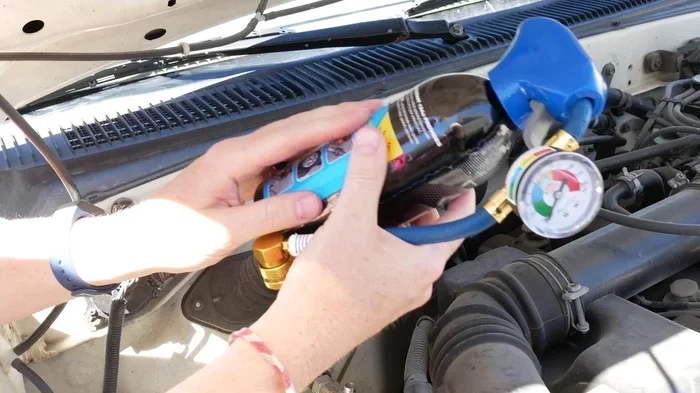
If your readings show low refrigerant, you can add more gas. Shake the refrigerant canister well. Connect it to the low-side port and slowly add the gas. Watch the pressure gauge as you go. Stop when the pressure reaches the recommended level.
Never overfill the system. Too much refrigerant pressure can damage the compressor and other components. If you are unsure, it is always safer to let a professional handle the AC gas recharge.
Common Car AC Gas Problems and How to Fix Them
Even with the right refrigerant type, car AC systems can develop problems over time. Understanding these issues helps you catch them early and save money on repairs.
Low Refrigerant Due to Leaks
The most common problem is a refrigerant leak. Over time, seals and hoses can wear out. Small cracks in the condenser or evaporator can also cause gas to escape. You may notice your AC blows warm air after a few minutes of running.
To fix a leak, you first need to find it. UV leak detection dye or an electronic leak detector can help. Once you find the leak, repair or replace the damaged part. Then evacuate the system and refill it with the correct refrigerant gas.
Compressor Failure from Wrong Gas
Using the wrong automotive AC gas is one of the leading causes of compressor failure. The compressor relies on the correct gas and lubricant to operate smoothly. The wrong refrigerant creates friction and heat inside the compressor.
Signs of compressor failure include loud noises, frequent cycling, and warm air from the vents. If you suspect compressor damage, get the system inspected right away. Replacing a compressor is one of the most expensive car AC repair jobs, so prevention is key.
Moisture Contamination in the System
Moisture can enter your AC system if you do not handle refrigerant properly. Even a small amount of water can create acid that damages internal components. This leads to clogged expansion valves, corroded seals, and poor cooling performance.
Always keep refrigerant containers sealed and stored properly. When you open the system for repair, make sure it is fully evacuated before refilling. Proper car AC maintenance prevents moisture problems from developing.
Blockages in the Expansion Valve or Orifice Tube
Debris and contaminants can block the expansion valve or orifice tube. This restricts refrigerant flow and reduces cooling power. You might notice the AC works fine at first, then gets warm after driving for a while.
Flushing the system and replacing the filter dryer can often fix this issue. In severe cases, the expansion valve itself may need to be replaced. Regular refrigerant recharge and system inspections help prevent blockages from forming.
Tips for Maintaining Your Car AC System
Keeping your car AC system in great shape does not have to be complicated. A few simple habits can extend the life of your cooling system and keep you comfortable all year long.
Run Your AC Regularly
Even in winter, it is good to run your AC for a few minutes every week. This keeps the compressor lubricated and the seals flexible. A system that sits unused for months is more likely to develop leaks and dry out.
Check Refrigerant Levels Seasonally
Make it a habit to check your refrigerant pressure at the start of summer and winter. A quick gauge check can reveal low levels before they cause bigger problems. Catching a small leak early saves you from a major repair later.
Replace Cabin Filters and Keep Vents Clear
While not directly related to the refrigerant gas, clean cabin filters and unobstructed vents help the entire system work better. Restricted airflow makes the AC work harder, which puts extra strain on the compressor.
Find a Reliable Technician for Major Service
For any work involving refrigerant recovery, system evacuation, or major repairs, always trust a certified technician. They have the proper equipment and training to handle refrigerant compatibility issues safely. This protects both your car and the environment.
Quick Comparison: Common Car AC Gases
Not sure which gas your car uses? Here is a simple comparison of the most common refrigerant types found in vehicles today.
| Refrigerant | Used In | Environmental Impact | Pressure Level | Availability |
|---|---|---|---|---|
| R-12 | Cars before 1994 | High (ozone depleting) | Low | Rare, restricted |
| R-134a | Cars 1994–2020 | Low (non-ozone depleting) | Moderate | Widely available |
| R-1234yf | Cars 2013+ (newer models) | Very low (eco-friendly) | Moderate to high | Growing availability |
| R-22 | Older commercial vehicles | High (ozone depleting) | Moderate | Phased out |
This table gives you a quick snapshot of the car ac gas name list and how each gas fits into different vehicle types. Always double-check your vehicle specifications before purchasing refrigerant.
Key Takeaways
- R-134a is the most widely used refrigerant in cars built after 1994.
- R-1234yf is the newer, eco-friendly gas found in many 2020s vehicles.
- R-12 is the older gas used in classic cars before 1994.
- Using the wrong refrigerant can damage your AC compressor and system.
- You can find the correct gas type on the AC label under the hood.
- Regular AC maintenance keeps your car cooling system running smoothly.
- Always let a certified technician handle refrigerant recharge and recovery.
Frequently Asked Questions
Can I use R-134a if my car requires R-1234yf?
No, you should not mix these two gases. They operate at different pressures and require different lubricants. Using R-134a in a system designed for R-1234yf can cause damage and poor cooling performance. Always check your car ac gas name list or AC label before adding any refrigerant.
How often should I recharge my car AC gas?
Most car AC systems do not need regular recharging. A well-maintained system can hold refrigerant for many years. You only need to recharge if you notice warm air, low pressure readings, or a visible leak. Regular inspections help you catch issues early.
Is it safe to handle refrigerant gases myself?
Handling refrigerant requires caution. Always wear safety glasses and gloves. Work in a well-ventilated area. Avoid inhaling the gas directly. If you are not comfortable with the process, it is best to visit a professional who specializes in car AC repair and refrigerant recovery.
What happens if I overcharge my car AC system?
Overcharging raises the refrigerant pressure beyond safe levels. This can cause the compressor to overheat, seals to fail, and the entire system to malfunction. Always follow the manufacturer’s recommended refrigerant capacity and use a proper gauge set to monitor pressure during recharge.
Can old cars still use R-12 refrigerant?
R-12 is no longer widely available due to environmental regulations. Most classic car owners convert their systems to accept R-134a instead. This conversion involves replacing seals, hoses, and sometimes the compressor. It is a worthwhile upgrade that keeps your vintage car running with modern, accessible refrigerant.
Where can I find my car’s AC gas type if the label is missing?
You can check your owner’s manual for the refrigerant type. You can also use your VIN number on online automotive databases. A trusted mechanic or dealership can look up the information using your vehicle’s specifications. Never guess the gas type, as using the wrong one can harm your system.
Conclusion
The car ac gas name list is one of the most important pieces of knowledge every car owner should have. From R-134a to R-1234yf and beyond, each refrigerant type plays a vital role in keeping your car cool and comfortable. Understanding which gas your vehicle needs saves you money, prevents damage, and helps you make smarter decisions about AC maintenance and repairs.
Take the time to check your AC label, consult your owner’s manual, and learn the basics of your cooling system. Whether you handle a simple AC gas recharge yourself or trust a professional, the right knowledge makes all the difference. Keep your refrigerant levels in check, fix leaks promptly, and your car AC will serve you well for years to come. Start today by finding your correct gas type and giving your system the care it deserves.