How a Car Starting from Rest Works and Why It Matters
When a car starts from rest, a complex chain of events kicks in to get your engine running and your wheels moving. The ignition process relies on your battery, starter motor, and fuel system working together in perfect harmony. Understanding this process helps you appreciate why proper maintenance and smooth starts are so important for your vehicle’s long-term health.
You turn the key or press the button, and your car comes to life. It is something most of us do every single day without thinking twice. But have you ever stopped to wonder what actually happens when a car starts from rest?
The process is more fascinating than most people realize. A lot goes on in just a few seconds between pressing the start button and hearing that familiar engine roar. From electrical signals to fuel combustion, every step matters. A car starting from rest is not just about turning a key. It is a carefully orchestrated sequence of mechanical and chemical events that get your vehicle moving.
In this article, we will break down exactly how this works. We will look at the science, the components involved, and why understanding this process can help you become a better car owner. Whether you are a seasoned driver or someone who just got their license, this guide will give you valuable insights into your vehicle’s most basic yet essential function.
Key Takeaways
- A car starting from rest depends on the battery, starter motor, and ignition system working together seamlessly.
- The combustion process begins the moment fuel and air meet inside the engine cylinders.
- Newton’s first law of motion explains why a stationary vehicle needs force to begin moving.
- Regular maintenance of spark plugs, fuel filters, and the battery prevents startup problems.
- Cold starts put extra stress on your engine and require special attention.
- Understanding how your car starts helps you diagnose issues early and save money.
- A smooth start from rest reflects overall engine health and proper vehicle care.
📑 Table of Contents
What Happens When a Car Starts from Rest
When your car is sitting still, it is in a state of rest. Physics tells us that an object at rest stays at rest unless acted upon by an external force. This is Newton’s first law of motion, and it applies directly to your vehicle. Your car needs energy input to transition from a stationary position to motion.
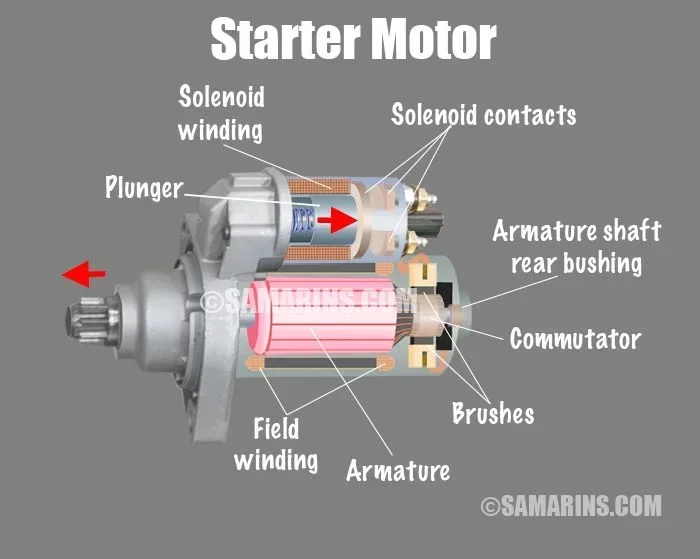
The journey begins the moment you turn the ignition key or push the start button. Electrical power flows from the battery to the starter motor. This small but powerful motor engages with the engine’s flywheel. The flywheel begins to spin, which starts the crankshaft rotating. Once the crankshaft turns, the pistons inside the cylinders begin their up-and-down motion.
At this point, the engine is not yet running on its own. It is being cranked by the starter motor. For the engine to sustain itself, the combustion process must kick in. This is where fuel, air, and a spark come together to create the tiny explosions that keep the engine running.
The Role of the Battery and Starter Motor
Your car battery is the heart of the starting process. It provides the electrical energy needed to power the starter motor. Without a healthy battery, your vehicle simply will not turn over. The battery also powers the ignition system, fuel injectors, and various sensors during startup.
The starter motor is a compact electric motor that delivers high torque at low speeds. Torque is the rotational force that gets things moving. When you turn the key, the starter motor sends a small gear forward to meet the flywheel. This gear connection allows the motor to spin the engine at a speed sufficient for ignition.
Most car batteries last between three and five years. Cold weather can shorten that lifespan significantly. If you live in a region with harsh winters, paying attention to your battery health is especially important. A weak battery is one of the most common reasons a car fails to start.
How the Crankshaft and Pistons Work Together
The crankshaft is a crucial component in the starting process. It converts the linear motion of the pistons into rotational motion. Think of it as the engine’s backbone. When the starter motor spins the crankshaft, every piston in the engine begins to move in sequence.
Each piston travels up and down inside its cylinder. On the upstroke, it compresses the air-fuel mixture. On the downstroke, the combustion force pushes it back down. This continuous cycle is what generates the power needed to keep the engine running after startup.
The crankshaft connects to the transmission, which then transfers power to the wheels. This entire chain of events happens in a matter of seconds. It is a remarkable feat of engineering that most drivers never think about.
The Ignition Process Explained
The ignition process is where the magic happens. It is the moment that transforms a cranking engine into a running engine. Several components must work in perfect timing for this to succeed.
Spark Plugs and the Ignition Coil
Spark plugs are small but mighty. They create the electrical spark that ignites the air-fuel mixture inside each cylinder. The ignition coil amplifies the battery’s voltage to the thousands of volts needed to produce a spark across the electrode gap in each spark plug.
When the spark plugs fire at exactly the right moment, they ignite the compressed fuel-air mixture. This controlled explosion pushes the piston down with great force. Each cylinder fires in a specific sequence, creating a smooth and continuous power delivery.
Worn or dirty spark plugs can cause misfires during startup. You might notice your engine sputtering or struggling to stay running. Replacing spark plugs at recommended intervals is one of the simplest ways to ensure reliable starts every time.
Fuel Injection and Air Intake
Modern vehicles use fuel injection systems to deliver precise amounts of fuel to each cylinder. The engine control unit, or ECU, manages this process. It calculates the exact fuel-to-air ratio needed for optimal combustion based on inputs from various sensors.
The air intake system draws in outside air and routes it through an air filter. The filter removes dust and debris, protecting the engine. Clean air is essential for efficient combustion. A clogged air filter can restrict airflow and make starting harder.
During startup, the ECU enriches the fuel mixture slightly. This compensates for the cold engine and ensures reliable ignition. As the engine warms up, the mixture returns to its normal ratio. This entire adjustment happens automatically and is one of the reasons modern cars start so reliably.
The Science Behind a Car Starting from Rest
Understanding the physics behind a car starting from rest adds a whole new layer of appreciation for the process. When your vehicle is stationary, it has zero kinetic energy. Kinetic energy is the energy of motion. To get your car moving, you need to convert stored energy into kinetic energy.
Newton’s Laws and Vehicle Motion
Newton’s first law states that an object will remain at rest or in uniform motion unless acted upon by an external force. Your car sitting in the driveway is a perfect example of an object at rest. The engine provides that external force through a series of mechanical transformations.
Newton’s second law explains how much force is needed. Force equals mass times acceleration. A heavier vehicle requires more force to start moving. This is why larger trucks and SUVs often have more powerful engines. The greater the mass, the more torque is needed to overcome inertia.
Newton’s third law tells us that for every action, there is an equal and opposite reaction. When the engine turns the wheels, the tires push against the road surface. The road pushes back, propelling the vehicle forward. This interaction between tire and road is what actually moves your car.
Kinetic Energy and Acceleration
Once the engine is running and the transmission is engaged, kinetic energy begins to build. The vehicle accelerates from zero to whatever speed you choose. The rate of acceleration depends on the engine’s power output, the vehicle’s weight, and the gearing in the transmission.
Engine friction plays a role here too. Even when your car is well-maintained, internal components create friction. This friction resists motion and reduces efficiency. Regular oil changes and proper lubrication help minimize this resistance and keep your engine running smoothly.
Why Starting from Rest Matters for Your Engine
The way you start your car has a real impact on its long-term health. Many drivers do not realize that startup is one of the most stressful moments for any engine. Understanding this can help you adopt better habits.
Cold Start vs. Warm Start
A cold start occurs when you start the engine after it has been sitting for several hours, typically overnight. During a cold start, engine oil has settled and is not yet circulating. Metal components experience more friction until the oil reaches all the moving parts.
Modern engines are designed to handle cold starts, but repeated hard acceleration immediately after startup can cause extra wear. It is best to let your engine idle for a few seconds before driving. This allows the oil to circulate and lubricate critical components.
A warm start happens when you restart the engine after it has been running recently. The oil is still circulating, and engine components are already at operating temperature. Warm starts are generally easier on the engine and require less effort from the starter motor.
Engine Wear and the Importance of Smooth Starts
Each time you start your car, the engine experiences a brief period of increased wear. The starter motor draws a high current from the battery, and the pistons undergo their first compression cycle without the full benefit of oil lubrication.
Smooth, gradual starts reduce this wear significantly. Avoid revving the engine immediately after startup. Let the RPMs settle to idle speed before putting the car in drive. This simple habit can extend the life of your engine over thousands of miles.
Idling for too long, however, is also not ideal. Modern engines warm up faster when you start driving gently. A brief pause of 30 seconds to a minute is sufficient in most conditions. After that, driving at moderate speeds helps the engine reach optimal temperature more efficiently.
Common Problems When a Car Won’t Start from Rest
We have all experienced the frustration of a car that refuses to start. Understanding the common causes can help you troubleshoot the issue and potentially avoid costly repairs.
Dead Battery
A dead or weak battery is the number one cause of no-start conditions. Signs include a slow cranking sound or complete silence when you turn the key. Batteries can die from age, extreme temperatures, or leaving lights on overnight.
Jump-starting a car with a dead battery is usually the quickest fix. Keeping a portable jump starter in your trunk is a smart precaution. Regularly testing your battery, especially before winter, can help you replace it before it leaves you stranded.
Faulty Starter Motor
If you hear a clicking sound but the engine does not turn over, the starter motor may be the culprit. Starter motors wear out over time, especially in vehicles with high mileage. A failing starter can also cause intermittent starting problems that are frustrating to diagnose.
Replacing a starter motor is a moderate repair that typically costs between $300 and $500. Labor costs vary depending on the vehicle model and the accessibility of the starter. Some vehicles have starters that are easy to reach, while others require removing additional components.
Fuel System Issues
Problems with the fuel system can also prevent a car from starting. A clogged fuel filter, a failing fuel pump, or empty fuel tank can all stop your engine from firing. Fuel pump failure is particularly common in older vehicles and can happen without warning.
Regular maintenance of the fuel system helps prevent these issues. Replacing the fuel filter at recommended intervals and keeping your tank at least a quarter full can extend the life of your fuel pump. Contaminated fuel is another common cause of starting problems, so always try to buy gas from reputable stations.
Tips for a Smooth Start Every Time
Taking care of your vehicle’s starting system does not have to be complicated. A few simple habits can keep your car starting reliably for years to come.
Battery Maintenance
Inspect your battery terminals regularly for corrosion. Clean any buildup with a mixture of baking soda and water. Ensure the battery connections are tight and secure. A loose connection can cause intermittent starting problems that are hard to diagnose.
If your battery is more than three years old, consider having it tested annually. Most auto parts stores offer free battery testing. This small effort can save you from the inconvenience of a dead battery on a busy morning.
Spark Plug Replacement
Replace your spark plugs according to your vehicle manufacturer’s recommendations. Most standard copper spark plugs need replacement every 30,000 miles. Iridium and platinum plugs can last much longer, sometimes up to 100,000 miles.
When replacing spark plugs, use the exact type recommended for your vehicle. Upgrading to a higher-quality spark plug can improve starting performance and fuel efficiency. Always gap new spark plugs to the manufacturer’s specification for best results.
Keep Your Fuel System Clean
Use fuel system cleaner additives periodically to prevent carbon buildup in your fuel injectors and intake valves. A clean fuel system delivers better atomization of fuel, which leads to more efficient combustion and smoother starts.
Try to avoid running your tank all the way to empty. Sediment and contaminants settle at the bottom of the fuel tank. Drawing from near-empty levels can pull these particles into the fuel system and cause problems over time.
Listen to Your Car
Pay attention to how your car starts. A healthy engine should start quickly and smoothly with minimal cranking. If you notice changes in starting behavior, do not ignore them. Early diagnosis of starting problems can prevent more serious and expensive repairs down the road.
Invest in a quality battery maintainer if you have a vehicle that sits for extended periods. These devices keep your battery charged and ready to go, even during long periods of inactivity. They are especially useful for seasonal vehicles like classic cars or RVs.
Conclusion
Understanding how a car starting from rest works gives you a deeper appreciation for the engineering marvel sitting in your driveway. From the battery sending electrical current to the starter motor, through fuel combustion in the cylinders, to the wheels finally turning, every step is a testament to modern automotive design.
The process of a car starting from rest involves a beautiful coordination of electrical, mechanical, and chemical systems working together in perfect harmony. Each component plays a vital role, and neglecting any part of the system can lead to frustrating starting problems.
By following simple maintenance practices and paying attention to your vehicle’s starting behavior, you can ensure many years of reliable performance. A smooth start from rest is not just convenient. It is a reflection of how well you care for your vehicle. Take the time to understand your car, maintain it properly, and it will reward you with countless dependable trips to and from wherever life takes you.
Frequently Asked Questions
Why does my car struggle to start in cold weather?
Cold weather thickens engine oil and reduces battery efficiency. The battery produces less current in low temperatures, making it harder for the starter motor to turn the engine. Using a winter-grade oil and keeping your battery fully charged can help. Parking in a garage or using a battery blanket can also improve cold-weather starting.
How long should a car battery last?
Most car batteries last between three and five years, depending on driving habits and climate conditions. Extreme heat and cold both shorten battery life. Regular testing and timely replacement can prevent unexpected failures. Signs of a dying battery include slow cranking and dim headlights.
Is it bad to start your car and immediately drive?
Modern engines do not need extended idling before driving. However, letting the engine idle for 30 seconds to a minute allows oil to circulate. Immediately driving at high RPMs can cause extra wear on a cold engine. Gentle driving for the first few minutes is the best approach.
What causes a clicking sound when trying to start the car?
A clicking sound usually indicates a weak battery or a faulty starter motor. The starter solenoid engages but does not have enough power to turn the engine. Jump-starting the car can help determine if the battery is the issue. If the clicking persists after a successful jump, the starter motor may need replacement.
How often should spark plugs be replaced?
Replacement intervals vary by spark plug type. Standard copper plugs typically need replacement every 30,000 miles. Platinum plugs can last up to 60,000 miles, and iridium plugs can go 100,000 miles or more. Check your vehicle owner’s manual for the manufacturer’s specific recommendation.
Can a clogged fuel filter prevent a car from starting?
Yes, a severely clogged fuel filter can restrict fuel flow to the engine and prevent it from starting. The fuel filter removes impurities from the fuel before it reaches the injectors. Replacing the fuel filter at recommended intervals is an inexpensive way to prevent starting problems and maintain engine performance.