Best Car Fog Light Bulbs for Clear and Safe Driving
Choosing the right car fog light bulbs can make a huge difference when you’re driving through fog, heavy rain, or snow. The best fog light bulbs for your car deliver a wide, low beam that cuts through mist without blinding oncoming traffic. In this guide, we break down the top options for halogen fog light bulbs, LED fog light bulbs, and more, so you can pick the perfect set for your ride.
Driving through thick fog at night is one of the most stressful experiences on the road. You can barely see the lane markings, and the glow from oncoming headlights just bounces back at you. That is exactly why having the right car fog light bulbs in your vehicle is so important. They are not just a nice-to-have. They are a safety essential.
In this guide, we will walk you through everything you need to know about fog light bulbs. We will cover the different types available, how to pick the right ones for your car, and how to install them yourself. Whether you drive a daily commuter or a rugged truck, this article has you covered. Let us get into it.
Key Takeaways
- LED fog light bulbs offer the best combination of brightness, energy efficiency, and long lifespan for most drivers.
- Halogen fog light bulbs remain a reliable and budget-friendly option, especially for older vehicles.
- Always match your fog light bulb type to your car’s socket and housing before purchasing.
- Proper fog light installation ensures the beam pattern hits the road at the right angle for maximum visibility.
- Regular fog light maintenance helps you spot burned-out bulbs early and avoid visibility issues.
- Fog light color temperature between 4,000K and 5,000K provides the best visibility in foggy conditions.
- Cheap fog light bulbs may save money upfront but often burn out faster and offer weaker illumination.
📑 Table of Contents
Why Fog Light Bulbs Matter for Safe Driving
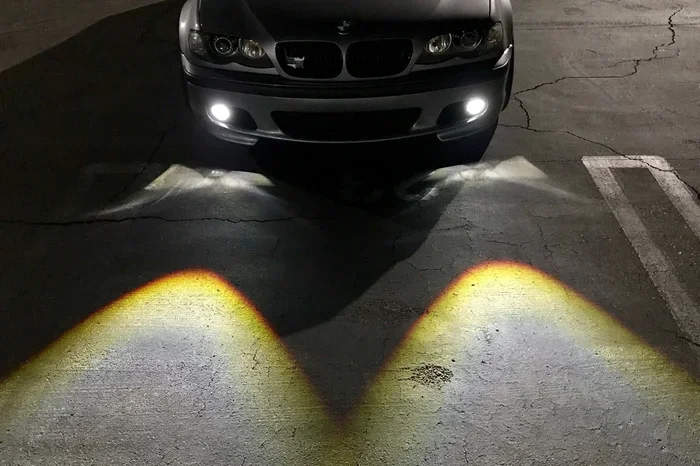
Most drivers underestimate how much fog affects visibility. Even a light mist can cut your sight distance in half. At higher speeds, this becomes extremely dangerous. Car fog light bulbs are specifically designed to project a wide, flat beam that sits low to the ground. This angle helps the light bounce off the road surface instead of straight into the fog.
Standard headlights just do not cut it in poor weather. They shoot a beam too high and too narrow. That is why fog lamp systems exist. They work alongside your headlights to give you a broader view of what is directly in front of you. Think of them as your eyes on the road when the weather is working against you.
When Should You Use Fog Lights?
Here are the most common situations where fog light replacement or upgrades really pay off:
- Heavy rain or downpours that reduce visibility.
- Thick morning or evening fog on country roads.
- Snowy conditions where light reflects off white surfaces.
- Dusty or smoky environments, like gravel roads or wildfires.
- Low-light conditions on unlit highways.
Using your fog lights in these situations gives you a much better chance of spotting obstacles, pedestrians, or curves in the road ahead. It also helps other drivers see you more clearly. That is a win-win for everyone.
Types of Car Fog Light Bulbs
Not all fog light bulbs are created equal. There are three main types you will run into when shopping: halogen, LED, and xenon (HID). Each has its own strengths and weaknesses. Let us break them down so you know what to look for.
Halogen Fog Light Bulbs
Halogen fog light bulbs have been around for decades. They are the most common type found in older vehicles. These bulbs use a tungsten filament inside a glass envelope filled with halogen gas. When electricity passes through, the filament heats up and produces light.
Here is what you get with halogen:
- Warm, yellowish light that cuts through fog well.
- Very affordable and easy to find at any auto parts store.
- Simple installation with no special wiring needed.
- Typical lifespan of about 500 to 1,000 hours.
The downside? Halogen bulbs run hot, use more energy, and do not last as long as modern alternatives. But if you drive an older car or want a quick, budget-friendly swap, they still work great.
LED Fog Light Bulbs
LED fog light bulbs are quickly becoming the go-to choice for new vehicles and aftermarket upgrades. LEDs use semiconductor chips to produce light instead of a filament. They are incredibly efficient and surprisingly bright.
Here is what makes LED car fog light bulbs stand out:
- Much brighter output than halogen, with better spread.
- Energy efficient. They draw less power from your car battery.
- Long lifespan. Many LED bulbs last 30,000 to 50,000 hours.
- Cooler operating temperature, so they are safer for your housing.
- Available in a range of fog light color temperature options, from warm white to cool white.
The main concern with LEDs is compatibility. Some vehicles need a decoder or resistor to prevent error codes. Also, cheap LED bulbs often have poor beam patterns, so quality matters a lot here.
Xenon (HID) Fog Light Bulbs
Xenon or HID fog light bulbs produce light by creating an electric arc between two electrodes inside a gas-filled bulb. They are known for their intense brightness and bluish-white glow. These are usually found in premium or luxury vehicles.
- Extremely bright and far-reaching.
- Great for high-speed highway driving in poor weather.
- Longer lifespan than halogen but shorter than LED.
The problem is that xenon bulbs require a ballast and special housing. They are also more expensive. For most everyday drivers, LED is the better upgrade path.
Comparison Table: Halogen vs LED vs Xenon Fog Light Bulbs
| Feature | Halogen | LED | Xenon (HID) |
|---|---|---|---|
| Brightness | Moderate | High | Very High |
| Lifespan (hours) | 500-1,000 | 30,000-50,000 | 2,000-3,000 |
| Energy Use | High | Low | Moderate |
| Price Range | $10-$30 | $25-$80 | $50-$150 |
| Installation | Easy | Easy to Moderate | Complex |
| Heat Output | High | Low | Moderate |
| Best For | Older vehicles, budget | Most modern cars | Luxury vehicles |
How to Choose the Right Fog Light Bulbs for Your Car
Picking the right car fog light bulbs is not just about brightness. There are several factors you need to consider to make sure the bulbs actually work well and fit your vehicle properly.
Check Your Socket Type First
The most important step is figuring out what socket your fog lights use. Common types include H11, H8, H16, and H3. If you buy a bulb that does not match your socket, it simply will not fit. Check your owner’s manual or look at the existing bulb before shopping.
Fog light bulbs H11 are among the most popular socket types. Many modern cars use H11 for both headlights and fog lights. Make sure you know your exact type before ordering anything online.
Match the Beam Pattern to Your Housing
Fog light beam pattern matters a lot. The whole point of fog lights is to cast a wide, flat beam that stays low. If you install a bulb that produces a narrow or too-high beam, you will just end up with light bouncing off the fog and making things worse. Always choose bulbs designed specifically for fog light housings.
Consider Color Temperature
Fog light color temperature is measured in Kelvin (K). This determines the color of the light. Here is a quick breakdown:
- 3,000K to 4,000K: Warm white or yellow. Great for cutting through fog and rain.
- 4,000K to 5,000K: Neutral white. A good all-around choice for most weather.
- 5,000K to 6,000K: Cool white or bluish. Looks modern but can scatter more in fog.
For the best results in actual fog, stick with bulbs in the 3,500K to 4,500K range. The warmer tone penetrates moisture better than cool white light.
Think About Wattage and Brightness
Fog light wattage affects how much power the bulb draws and how bright it gets. Most standard fog light bulbs range from 35W to 55W. Higher wattage means more brightness but also more energy draw. Make sure your car’s electrical system can handle the upgrade without overloading the circuit.
Step-by-Step Guide to Replacing Fog Light Bulbs
Replacing your fog light bulbs is easier than you might think. Most people can do it in under 15 minutes per bulb. Here is a simple walkthrough.
What You Will Need
- Replacement fog light bulb (correct type for your vehicle)
- Clean cloth or gloves (to avoid touching the glass with bare fingers)
- Screwdriver (if needed to access the housing)
- Your vehicle’s owner manual
Installation Steps
- Turn off your car and engage the parking brake. Make sure the engine is off and the lights are switched off.
- Locate the fog light housing. It is usually at the front bumper, below the main headlights.
- Remove the dust cover by twisting it counterclockwise. Some models have a rubber boot instead.
- Disconnect the wiring connector by pressing the release clip and pulling it straight out.
- Release the old bulb by rotating it counterclockwise about a quarter turn, then pull it out gently.
- Take your new fog light bulb out of the packaging. Do not touch the glass part with your fingers. The oils from your skin can shorten the bulb’s life.
- Insert the new bulb and twist it clockwise until it locks in place.
- Reconnect the wiring connector and snap the dust cover back on.
- Turn on your fog lights to test the new bulb. Check that the fog light beam pattern looks correct.
That is really all there is to it. If you can change a tire, you can definitely swap out a fog light bulb. It is one of the simplest car maintenance tasks you can do at home.
Quick Tips for Installation
- Always replace fog light bulbs in pairs. Matching brightness on both sides keeps your vision balanced.
- If your car has a fog light conversion kit, follow the manufacturer’s instructions carefully. Some require additional wiring or relays.
- After installation, check that the fog light wiring is secure and not rubbing against any moving parts.
Common Mistakes When Buying Fog Light Bulbs
It is easy to make a wrong choice when shopping for car fog light bulbs. Here are some common mistakes to avoid:
Buying Based on Price Alone
Sure, a $5 bulb is tempting. But cheap fog light bulbs often have inconsistent brightness, poor beam patterns, and a fraction of the rated lifespan. Spending a little more on a trusted brand goes a long way. You get better fog light performance and fewer replacements down the road.
Ignoring Compatibility
One of the biggest errors people make is buying a bulb that does not fit. Always double-check the socket type, bulb size, and fog light compatibility with your specific vehicle. A bulb that looks right might not mount correctly or make proper contact.
Choosing the Wrong Color Temperature
Cool white and blue-tinted bulbs look trendy, but they are not ideal for fog. As we mentioned earlier, warmer tones between 3,500K and 4,500K work best in misty and rainy conditions. Do not let looks override function when it comes to safety.
Skipping the Beam Pattern Check
Once you install your new bulbs, take a moment to check the beam. Aim your car near a wall and see where the light lands. If the fog light beam pattern is too high or too narrow, you may need to adjust the housing angle. Proper aim makes a massive difference in visibility.
Maintaining Your Fog Lights for Long-Term Performance
Once you have installed the right car fog light bulbs, you want them to last. Good fog light maintenance keeps your lights working reliably for years. Here is how to take care of them.
Regular Cleaning
Dirt, mud, and road grime can build up on your fog light housing and lens. This blocks light output and makes your bulbs look dim even when they are working fine. Wipe them down with a soft cloth and mild cleaner every couple of weeks. It takes 30 seconds and makes a big difference.
Inspect Wiring and Connections
Over time, fog light wiring can corrode or loosen. Check the connectors every few months. If you see green or white buildup on the plugs, clean them with electrical contact cleaner. A loose connection can cause flickering or total bulb failure.
Replace Bulbs in Pairs
When one fog light bulb burns out, replace both sides at the same time. This keeps the brightness and fog light color temperature consistent. It also saves you from coming back a few weeks later when the other side gives out.
Watch for Housing Damage
Cracks in the fog light housing or lens can let moisture inside. This leads to fogging, dimming, and eventually bulb failure. If you notice moisture trapped inside the lens, address the seal or replace the housing before it damages the bulb. A good fog light housing protects your investment.
Expert Insight: When to Upgrade
If your car came with halogen fog lights and you have been driving with them for years, it might be time for an upgrade. Modern LED fog light bulbs offer significantly better visibility and efficiency. Many aftermarket kits are plug-and-play, meaning no modifications needed. Just make sure the kit includes proper fog light installation instructions for your model.
Conclusion
Having the right car fog light bulbs is one of the simplest yet most impactful upgrades you can make for safer driving. Whether you choose halogen fog light bulbs for their affordability or go with the brighter, longer-lasting LED fog light bulbs, the key is to match your vehicle, get the beam pattern right, and install them properly.
Remember to avoid common mistakes like choosing bulbs based on looks alone or ignoring compatibility. And once your new bulbs are in, take care of them with regular cleaning and inspections. Good fog light visibility can be the difference between a close call and a serious accident on a foggy night.
Take the time to pick the best car fog light bulbs for your needs. Your safety on the road depends on it.
Frequently Asked Questions
What is the best color temperature for car fog light bulbs?
The best fog light color temperature for most conditions is between 3,500K and 4,500K. This warm white range cuts through fog, rain, and snow more effectively than cool white or blue-tinted bulbs. It reduces glare and gives you better road visibility in poor weather.
Can I install LED fog light bulbs in any car?
Not always. While many cars accept LED fog light bulbs easily, some vehicles require a decoder or resistor to prevent dashboard warning lights. Always check your car’s manual and confirm the socket type before buying. Look for bulbs specifically designed for your vehicle’s fog light compatibility.
How often should I replace my fog light bulbs?
Halogen fog light bulbs typically last 500 to 1,000 hours, which means about one to two years of regular use. LED bulbs can last 30,000 to 50,000 hours, so they often outlast the car itself. A good rule of thumb is to inspect your bulbs every six months and replace them when brightness drops.
Are fog light bulbs H11 the same as headlight bulbs?
Sometimes. Fog light bulbs H11 share the same socket type with certain headlight bulbs, but they are not always interchangeable. The beam pattern and wattage may differ. Always check whether your specific vehicle uses the same H11 bulb for both fog lights and headlights before swapping them.
Do fog light bulbs really improve visibility in fog?
Yes, they do. Properly designed car fog light bulbs project a wide, low beam that illuminates the road without reflecting off fog particles. This creates a much clearer view of the road directly in front of you. Standard headlights alone cannot achieve this effect, making fog lights a critical safety feature.
What is a fog light conversion kit and do I need one?
A fog light conversion kit includes everything you need to add fog lights to a vehicle that did not come with them. It typically includes bulbs, housings, wiring, and mounting hardware. You need one if your car lacks fog lights but you want the added visibility. Choose a kit that matches your vehicle’s make and model for easy fog light installation.