A Driver of a Car Travelling at 52 and What Happens Next
A driver of a car travelling at 52 mph faces real risks that many people underestimate. At this speed, stopping distance increases dramatically, reaction time becomes critical, and road conditions matter more than ever. This guide breaks down the physics, dangers, and practical advice for anyone who spends time behind the wheel.
Every day, millions of people get behind the wheel and set their cruise control without thinking twice. But have you ever stopped to consider what really happens when a driver of a car travelling at 52 takes the highway? Speed shapes every part of your driving experience. It affects your stopping distance, your control over the vehicle, and your ability to react to unexpected situations.
Many drivers think 52 mph is just another number on the speedometer. It is not. That speed carries real physics, real risks, and real consequences. Whether you are commuting to work, heading out on a road trip, or simply running errands, understanding what 52 mph means for your safety is essential. This article breaks it all down in simple, practical terms.
We will explore the science behind this speed, look at real-world scenarios, and give you actionable tips to stay safe. By the end, you will see the road differently. You will understand why speed matters and how small changes in your driving habits can make a big difference.
Key Takeaways
- 52 mph is a common highway speed that carries significant kinetic energy and stopping challenges.
- Stopping distance at 52 mph exceeds 200 feet under ideal conditions, and much more on wet roads.
- Reaction time adds crucial seconds before brakes even engage, increasing total stopping distance.
- Speed limits exist for a reason and are based on road design, traffic patterns, and safety data.
- Weather and road conditions drastically change how a driver of a car travelling at 52 can control the vehicle.
- Defensive driving techniques can help you manage speed and stay safe at any velocity.
- Understanding your vehicle helps you make better decisions when you are on the road.
📑 Table of Contents
Understanding What 52 mph Really Means
Fifty-two miles per hour might sound moderate. It is not the fastest speed on the highway, but it is far from slow. When a driver of a car travelling at 52, the vehicle covers about 76 feet every second. That is roughly the length of a small bus. Think about that for a moment. In less time than it takes to blink, your car has moved the length of a bus.
Most highways have speed limits between 55 and 70 mph. So 52 mph sits right in the middle of normal traffic flow. It is fast enough to generate serious kinetic energy. It is also a speed where many drivers feel comfortable and confident. That comfort, however, can lead to complacency. And complacency is one of the biggest risks on the road.
The Speedometer Illusion
Here is something most people do not think about. Your speedometer shows a number, but it does not tell you what that number actually means in real terms. At 52 mph, your car has a lot of momentum. Momentum is the force that keeps your vehicle moving forward. The heavier the car and the faster it goes, the more momentum it carries.
When you need to stop suddenly, that momentum works against you. Your brakes have to overcome all that forward motion. The faster you go, the harder your brakes have to work. At 52 mph, the difference between a safe stop and a collision can come down to just a few feet.
Why 52 mph Matters for Safety
Speed is one of the leading factors in traffic accidents worldwide. Studies show that even small increases in speed can significantly raise the risk of severe crashes. A driver of a car travelling at 52 is moving fast enough to cause serious harm in a collision. But they are also moving at a speed where many people let their guard down.
The key is awareness. When you understand the risks associated with this speed, you can make better decisions. You can leave more following distance. You can adjust for weather. You can stay more alert. All of these choices add up to safer driving.
The Physics Behind a Driver of a Car Travelling at 52
Physics might sound intimidating, but the concepts behind driving at 52 mph are simple. Your car is a mass moving at a certain velocity. That combination creates kinetic energy. The formula is straightforward: kinetic energy increases with the square of the speed. This means that doubling your speed quadruples the energy your car carries.
At 52 mph, your vehicle has a significant amount of energy. That energy has to go somewhere when you stop. Your brakes convert it into heat. Your tires grip the road. And if something goes wrong, that energy transfers into a collision.
Kinetic Energy and Crash Severity
The relationship between speed and crash severity is not linear. It is exponential. A driver of a car travelling at 52 mph has much more energy than one going 30 mph. In a crash, that extra energy causes more damage. It means more force on the vehicle structure. More force on the occupants. And a much higher chance of serious injury.
Crash severity increases sharply as speed rises. Here is a quick look at how impact energy changes with speed:
- 30 mph: Baseline energy level. Moderate risk in a collision.
- 40 mph: About 78% more energy than 30 mph.
- 52 mph: Approximately 290% more energy than 30 mph.
- 60 mph: Roughly 400% more energy than 30 mph.
These numbers show why speed management is so important. Even a small increase from 40 to 52 mph adds a huge amount of energy to your vehicle. And that energy has to be absorbed during a crash.
Reaction Time and Braking Physics
When you spot a hazard, your brain needs time to process the information. This is called reaction time. For an average driver, reaction time is about 1.5 seconds. During those 1.5 seconds, your car keeps moving forward at full speed. At 52 mph, your car travels about 114 feet before your foot even touches the brake pedal.
Then comes the braking phase. Your brakes slow the car down, but it takes distance to do so. On a dry road, a car at 52 mph needs about 180 feet to stop after the brakes engage. Add the reaction distance, and your total stopping distance is around 294 feet. That is nearly the length of a football field.
Now imagine wet roads. Or worn tires. Or distracted driving. Each of these factors increases your stopping distance. A driver of a car travelling at 52 on a rainy day needs even more room to stop safely.
Stopping Distance at 52 mph: The Numbers
Stopping distance is one of the most important concepts for any driver to understand. It is not just about how well your brakes work. It is about the entire process from seeing a hazard to coming to a full stop.
Breaking Down the Stopping Distance
Total stopping distance has two main parts. The first is the thinking distance. This is the distance your car travels during your reaction time. The second is the braking distance. This is the distance your car travels while the brakes are slowing you down.
At 52 mph, here is how these numbers break down:
- Thinking distance: About 114 feet (at 1.5 seconds reaction time).
- Braking distance on dry roads: About 180 feet.
- Total stopping distance on dry roads: About 294 feet.
- Braking distance on wet roads: About 360 feet.
- Total stopping distance on wet roads: About 474 feet.
These numbers can vary based on several factors. Your vehicle’s weight, tire condition, brake quality, and road surface all play a role. But the baseline numbers give you a clear picture of why 52 mph demands attention and respect.
Quick Tips for Better Stopping Distance Awareness
- Count seconds between you and the car ahead. Pick a fixed point and count “one thousand one, one thousand two…” until you reach it.
- Check your tires regularly. Worn tires dramatically increase braking distance.
- Keep your brakes maintained. Fresh brake pads and fluid make a real difference.
- Adjust for weather. Wet, icy, or foggy roads all require more stopping distance.
- Stay alert. Fatigue and distraction increase reaction time significantly.
Common Scenarios Where You Hit 52 mph
You might think 52 mph only happens on certain roads. But the truth is, this speed comes up in many everyday driving situations. Understanding these scenarios helps you prepare for them.
Highway and Interstate Driving
Most interstate highways have speed limits of 65 or 70 mph. But traffic flow often moves at a steady 52 mph, especially during rush hour or in construction zones. When traffic slows down, many drivers find themselves cruising at this speed without even realizing it.
The challenge is that 52 mph in heavy traffic requires constant attention. Cars are merging, lanes are merging, and drivers are changing speeds frequently. A driver of a car travelling at 52 in stop-and-go traffic needs to be ready to brake at any moment.
Residential and Suburban Roads
Some residential streets and suburban roads have speed limits of 45 or 50 mph. On these roads, hitting 52 mph is easy to do, especially on long, straight stretches. The problem is that these areas often have pedestrians, cyclists, and unexpected obstacles like parked cars pulling out.
At 52 mph, your ability to avoid a pedestrian stepping into the road is much lower than at 30 mph. The stopping distance is longer, and the impact force is much greater. This is why speed limits in residential areas exist and why they deserve your full attention.
Rural Two-Lane Roads
Rural roads often have higher speed limits, and 52 mph is a common travel speed on these routes. The challenge with rural roads is the unpredictability. You might encounter slow-moving farm equipment, animals on the road, or sharp curves that appear without warning.
When a driver of a car travelling at 52 approaches a curve on a rural road, the physics of the turn become important. Higher speed means more centrifugal force pushing the car outward. This can cause the vehicle to drift out of its lane, especially on wet or gravel surfaces.
School Zones and Work Zones
School zones and work zones often have reduced speed limits. But drivers who are used to higher speeds can accidentally drift into these zones at 52 mph. The consequences of this are severe. Not only do you face a hefty fine, but you also put children and workers at serious risk.
Always slow down when you see warning signs for school zones or construction areas. These zones exist because the road conditions change. Visibility may be reduced. Workers or children may be present. Your stopping distance needs to match the conditions.
Safety Tips for Managing Speed on the Road
Managing your speed is one of the most effective ways to stay safe. It is not just about avoiding tickets. It is about giving yourself the time and space to handle whatever the road throws at you.
The 3-Second Rule
The 3-second rule is a simple and effective way to maintain a safe following distance. Pick a fixed object on the road ahead, like a sign or a tree. When the car in front of you passes it, start counting. If you reach the object before you count to 3, you are too close.
At 52 mph, 3 seconds of following distance gives you about 230 feet of space. This is close to your total stopping distance on dry roads. It gives you a buffer that can make all the difference in an emergency.
In bad weather, increase this to 5 or 6 seconds. At 52 mph on a wet road, you need every bit of that extra space.
Speed Management Techniques
Here are some practical techniques to help you manage your speed effectively:
- Use cruise control on highways. It helps you maintain a steady speed and avoid unintentional acceleration.
- Scan the road ahead. Looking far down the road gives you more time to adjust your speed for hazards.
- Check your speedometer regularly. It is easy to drift above your target speed without noticing.
- Match your speed to traffic flow. But never exceed the posted speed limit, even if everyone else is going faster.
- Prepare for curves and turns. Slow down before the curve, not during it.
Common Mistakes Drivers Make at 52 mph
Even experienced drivers make mistakes at this speed. Here are the most common ones to watch out for:
- Following too closely. At 52 mph, a 2-second following distance is not enough. You need at least 3 seconds.
- Over-relying on cruise control. Cruise control is helpful, but it does not replace your attention. Always stay alert.
- Underestimating wet roads. A road that looks slightly damp can still double your stopping distance.
- Speeding up in unfamiliar areas. New roads often have hidden curves, speed changes, and unexpected hazards.
- Ignoring road conditions. Gravel, ice, oil slicks, and potholes all affect your vehicle’s ability to stop at 52 mph.
What Happens After a Driver of a Car Travelling at 52
Speed does not just affect what happens in the moment. It has lasting consequences. Whether it is a minor fender-bender or a serious collision, the aftermath of a crash at 52 mph can change lives in an instant.
The Immediate Aftermath of a Crash
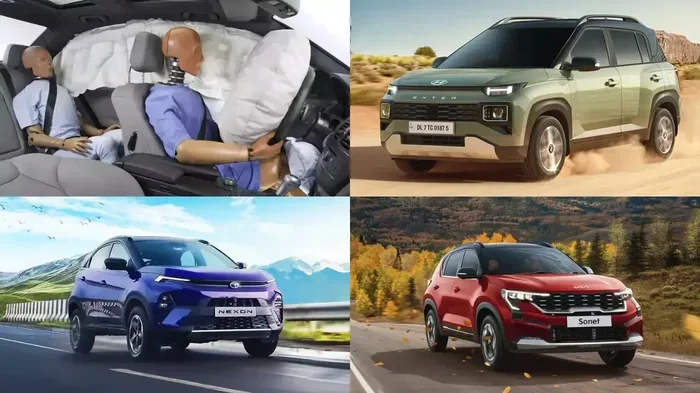
If a collision occurs at 52 mph, the damage is significant. Modern cars are designed with crumple zones that absorb impact energy. But at this speed, even the best safety features have limits. Airbags deploy. Seatbelts lock. The vehicle structure absorbs as much force as it can.
For the occupants, the forces involved can cause injuries ranging from whiplash to broken bones to traumatic brain injuries. The severity depends on many factors, including the angle of impact, the type of vehicle, and whether safety equipment was used.
Legal and Financial Consequences
A crash at 52 mph can lead to serious legal and financial consequences. If you were speeding or driving recklessly, you could face criminal charges. Even if you were within the speed limit, you may still be held responsible for the crash.
Insurance claims at this speed can be complex. Insurance companies look at the details of the crash carefully. They consider speed, road conditions, and driver behavior. A driver of a car travelling at 52 who caused a crash may face higher insurance premiums, legal fees, and potential lawsuits.
Emotional and Psychological Impact
The emotional toll of a crash should never be underestimated. Even a minor accident at 52 mph can leave drivers feeling shaken, anxious, or fearful of getting back behind the wheel. Post-traumatic stress after a car accident is real and common.
If you have been involved in a crash, give yourself time to recover. Talk to someone you trust. Consider speaking with a professional if the anxiety persists. Your mental health matters just as much as your physical health after an accident.
How to Prevent Speed-Related Incidents
The best way to handle the aftermath of a crash is to prevent it from happening in the first place. Here are some strategies that work:
- Practice defensive driving. Always expect the unexpected. Other drivers make mistakes, and you need to be ready.
- Stay within the speed limit. Speed limits are set based on careful engineering and safety studies.
- Avoid distractions. Put your phone away. Keep your eyes on the road and your hands on the wheel.
- Never drive under the influence. Alcohol and drugs slow your reaction time and impair your judgment.
- Take regular breaks on long trips. Fatigue slows your reaction time just as much as alcohol does.
Key Takeaways
- A driver of a car travelling at 52 mph covers 76 feet every second, making awareness and alertness essential.
- Total stopping distance at 52 mph can exceed 290 feet on dry roads and over 470 feet on wet roads.
- Reaction time adds significant distance before your brakes even begin to slow the car.
- Crash severity increases dramatically with speed due to the exponential relationship between speed and kinetic energy.
- Common driving scenarios like highway traffic, residential roads, and rural routes all involve 52 mph frequently.
- Maintaining proper following distance and staying alert are the best ways to stay safe at this speed.
- Prevention is always better than reaction when it comes to speed-related incidents and accidents.
Conclusion
Driving at 52 mph might feel routine. It is a speed many of us experience every day on our commutes and road trips. But routine does not mean risk-free. A driver of a car travelling at 52 has a lot of responsibility. That speed carries real energy, real stopping challenges, and real consequences.
The good news is that understanding these risks puts you in a much better position to stay safe. When you know your stopping distance, you can leave more room. When you understand the physics, you can respect the speed. And when you practice defensive driving habits, you can handle the unexpected with confidence.
Speed is not just a number on the dashboard. It is a choice that affects your safety and the safety of everyone around you. So the next time you find yourself cruising at 52 mph, take a moment to appreciate what that speed really means. Stay alert. Stay focused. And always leave yourself room to react.
Safe driving is not about being perfect. It is about being aware, being prepared, and making smart decisions every time you turn the key. The road is shared by everyone, and your choices behind the wheel matter more than you might think.
Frequently Asked Questions
How long does it take to stop a car at 52 mph?
Under ideal conditions on a dry road, a car travelling at 52 mph takes about 4 to 5 seconds to come to a complete stop. This includes roughly 1.5 seconds of reaction time and about 3 seconds of active braking. On wet roads or with worn tires, this time can increase significantly.
Is 52 mph considered speeding?
It depends on the posted speed limit. On roads with a 55 mph limit, 52 mph is under the limit. But on roads with a 45 mph limit, 52 mph is speeding. Always check the posted speed limit and adjust your driving accordingly.
What is the stopping distance for a car at 52 mph on a wet road?
On a wet road, a car travelling at 52 mph needs approximately 474 feet to stop completely. This includes both reaction distance and braking distance. Wet roads reduce tire grip, which dramatically increases the braking distance compared to dry conditions.
How does vehicle weight affect stopping distance at 52 mph?
Heavier vehicles have more momentum at 52 mph, which means they need more distance to stop. A fully loaded truck or SUV will take longer to stop than a lightweight compact car at the same speed. Always consider your vehicle’s weight when managing your speed.
Can cruise control be safe at 52 mph?
Yes, cruise control can be safe at 52 mph on highways with steady traffic flow. However, you should always stay alert and be ready to take control. Cruise control does not replace your attention, and it is not appropriate for wet roads, heavy traffic, or winding routes.
What should I do if I am travelling at 52 mph and need to stop suddenly?
Stay calm and apply firm, steady pressure to the brake pedal. If your car has ABS, you may feel the pedal pulse, which is normal. Do not pump the brakes if you have ABS. Look for an escape route to the side if stopping is not possible, and always wear your seatbelt to reduce injury risk.