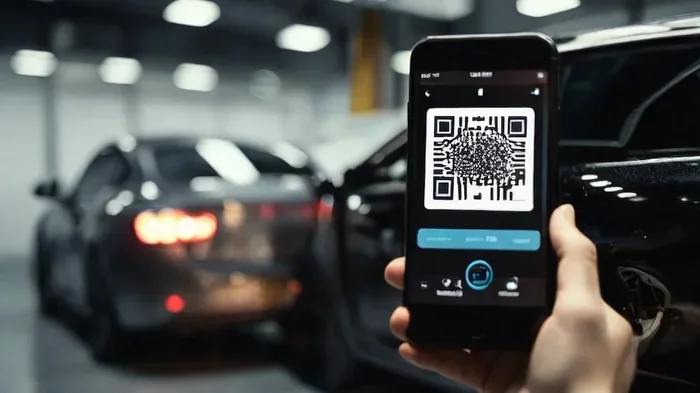
Have You Ever Wondered Why There Is a QR Code on My Car
A QR code on your car is not a random sticker — it serves a real purpose tied to vehicle information, marketing, and modern tech. Automakers and dealerships use QR codes on cars to share details like specs, warranty info, and digital brochures instantly. Scanning a QR code on car gives buyers quick access to features, pricing, and contact details without flipping through paperwork. These small square codes are becoming standard on new vehicles and used car lots alike. Understanding what yours means can save you time and help you make smarter car decisions.
Have you ever walked past a car in a dealership or even on the street and noticed a small square code stuck to the window or dashboard? You probably wondered what it was and why it was there. That little square is a QR code on car, and it is becoming more common every year. These codes are not random decorations. They serve a real purpose that benefits buyers, dealers, and car owners alike.
The idea of scanning a QR code on car might feel new, but the technology behind it has been around for decades. Originally used in Japan for tracking parts in factories, QR codes have now found their way into the automotive world. Today, a QR code on car can link you to vehicle specs, warranty details, digital brochures, and even service schedules. Whether you are buying a new car or just curious about what that little square means, this guide covers everything you need to know.
Let us break it all down in simple terms. By the end, you will understand exactly why there is a QR code on car and what it can do for you.
Key Takeaways
- Instant Access to Info: A QR code on car lets you scan and get vehicle details in seconds.
- Dealer Marketing Tool: Dealerships use QR codes on cars to share brochures, pricing, and contact info.
- Warranty and Service Links: Many QR codes on cars connect directly to warranty details or service schedules.
- Digital Vehicle History: Some codes link to full vehicle history reports and recall information.
- Smart Car Technology: QR codes on cars are part of a bigger shift toward digital and contactless car buying.
- Safety and Verification: Scanning helps verify a car’s authenticity and protect against fraud.
- Growing Trend: More automakers are adding QR codes on cars as standard features on new models.
📑 Table of Contents
- What Is a QR Code on Your Car?
- Why Do Automakers Put QR Codes on Cars?
- How Does the QR Code on Your Car Work?
- Common Places You Will Find a QR Code on a Car
- Benefits of Having a QR Code on Your Vehicle
- What to Do If You See a QR Code on Someone Else’s Car
- Are QR Codes on Cars Here to Stay?
- Common Mistakes People Make with QR Codes on Cars
- Expert Insights on QR Codes in the Automotive Industry
- Final Thoughts
What Is a QR Code on Your Car?
A QR code on car is a two-dimensional barcode that stores information. When you scan it with your phone’s camera or a dedicated app, it takes you to a webpage, a PDF, a video, or another digital resource. Think of it as a shortcut. Instead of typing a long URL or searching for information, you just point your phone and tap.
These codes are usually printed on stickers, plaques, or tags placed on the car’s window, dashboard, or door jamb. The placement is intentional. Dealers want you to see them. They want you to scan them. And they want the experience to be smooth and instant.
How QR Code Technology Works in the Automotive World
A QR code on car works the same way as any other QR code. It encodes data in a pattern of black squares arranged on a white background. When your phone camera reads the pattern, it decodes the information and opens the linked content. The process takes just a second or two.
In the car industry, these links often lead to:
- Vehicle specification pages
- Digital brochures and feature videos
- Warranty registration portals
- Service appointment booking pages
- Vehicle history reports
- Recall and safety notice databases
The beauty of a QR code on car is that it removes friction. You do not need a computer. You do not need to type anything. Your phone does all the work for you.
Why Do Automakers Put QR Codes on Cars?
Automakers are not putting QR codes on cars just for fun. There is a clear business strategy behind this trend. The car buying experience has changed dramatically in the last few years, and QR codes are part of that shift.
Enhancing the Car Buying Experience
Buying a car can feel overwhelming. There are brochures to read, numbers to compare, and questions to ask. A QR code on car simplifies this process. Buyers can scan the code and instantly access detailed information about the vehicle. They can watch feature walkthroughs, compare trim levels, or see the car in augmented reality. This makes the shopping experience faster and more engaging.
For dealerships, this means fewer repetitive questions and more meaningful conversations with customers. When buyers already know the basics from scanning a QR code on car, sales teams can focus on building relationships and closing deals.
Boosting Digital Marketing Efforts
Car companies are investing heavily in digital marketing. A QR code on car is a physical bridge between the showroom and the digital world. It allows brands to track how many people scan the code, what content they view, and how long they stay on the page. This data helps marketers refine their strategies and improve the customer journey.
Some automakers even personalize the content behind the QR code on car. For example, scanning a code on a specific vehicle might show you that exact car’s features, color options, and pricing. This level of personalization creates a stronger connection between the buyer and the vehicle.
Supporting Contactless Sales
The pandemic changed how people buy cars. Many buyers now prefer contactless or online-first experiences. A QR code on car supports this trend by giving buyers all the information they need without a salesperson hovering over them. You can explore a vehicle at your own pace, whenever you want.
How Does the QR Code on Your Car Work?
Using a QR code on car is simple. Here is how it typically works in practice.
Step-by-Step: Scanning a QR Code on a Car
- Find the QR code on car. It is usually on the windshield, a door frame, or a window sticker.
- Open your phone’s camera app. Most modern smartphones recognize QR codes automatically.
- Point your camera at the code. You will see a notification pop up.
- Tap the notification to open the linked content.
- Explore the information. This might be a webpage, a video, or a downloadable document.
That is it. No apps to download (in most cases). No typing required. Just scan and go.
What Information Can You Access?
The content behind a QR code on car varies depending on the automaker and the dealer. Here are some common things you might find:
- Vehicle specifications: Engine type, fuel economy, horsepower, and dimensions
- Feature highlights: Videos showing safety tech, infotainment systems, and driver assistance features
- Pricing and financing: Monthly payment estimates, lease options, and rebate details
- Warranty information: Coverage details, terms, and registration links
- Service scheduling: Direct links to book maintenance appointments
- Vehicle history: For used cars, links to full history reports and ownership records
Some QR codes on cars even link to augmented reality experiences. You can point your phone at the vehicle and see overlays showing engine components, safety features, or technology highlights. It is a powerful way to learn about a car without reading a single page of text.
Common Places You Will Find a QR Code on a Car
If you are looking for a QR code on car, you need to know where to look. Different manufacturers and dealers place these codes in different spots. Here are the most common locations:
- Windshield sticker: Often found on the driver’s side, near the bottom of the glass
- Door jamb label: On the frame of the driver’s door, alongside the VIN and tire pressure info
- Dashboard plaque: A small metal or plastic tag on the dashboard near the steering column
- Window sticker (Monroney label): The federal window sticker on new cars sometimes includes a QR code
- Owner’s manual pocket: Some cars include a QR code inside the manual or on a tag attached to it
- Key fob or remote: A few manufacturers print a small code on the key fob itself
Each placement serves a purpose. The windshield sticker is the most visible and easiest to scan. The door jamb label is protected and durable. And the dashboard plaque gives a clean, integrated look. No matter where it is, the goal is the same: to make information easy to access.
Benefits of Having a QR Code on Your Vehicle
A QR code on car offers real advantages for both buyers and owners. Let us look at the key benefits.
Quick and Easy Information Access
The biggest benefit of a QR code on car is speed. Instead of searching for a model online or asking a salesperson a dozen questions, you get answers in seconds. This is especially helpful when you are comparing multiple vehicles in a short time.
Reduced Paper Waste
Traditional car brochures and spec sheets use a lot of paper. A QR code on car replaces all of that with a digital version. You can access the same information on your phone, and it is always up to date. No outdated brochures sitting in the glove box.
Better Transparency
When a dealer provides a QR code on car, it shows they have nothing to hide. The information is available for anyone to access. This builds trust between the buyer and the dealer. It also helps protect consumers from misinformation or pressure tactics.
Easier Warranty and Service Management
Many QR codes on cars link directly to warranty portals. You can register your warranty, check coverage dates, and schedule service all from one scan. This saves time and keeps important documents organized in one digital place.
Supports Vehicle Safety
Some QR codes on cars link to recall databases and safety notices. If there is a recall on your vehicle, scanning the code can alert you immediately. This simple feature can make a big difference in keeping you and your family safe on the road.
What to Do If You See a QR Code on Someone Else’s Car
Maybe you saw a QR code on car on a vehicle parked in your neighborhood or on the street. You might be curious about what it links to. Here are a few things to keep in mind.
First, it is usually safe to scan a QR code on car from a vehicle you do not own. Most dealer-placed codes link to official manufacturer websites or trusted dealership pages. However, you should always check the URL that opens after scanning. Make sure it looks legitimate before entering any personal information.
If the code looks suspicious or leads to an unfamiliar site, do not enter any data. Stick to codes from known manufacturers or trusted dealerships. When in doubt, you can search for the vehicle’s make and model online to find the official information yourself.
Also, keep in mind that a QR code on car on a used vehicle might have been placed by a previous owner or dealer. It could link to that specific vehicle’s listing, history report, or service records. Scanning it can give you useful insights if you are considering buying a used car.
Are QR Codes on Cars Here to Stay?
The short answer is yes. QR codes on cars are part of a larger trend toward digital integration in the automotive industry. As more buyers expect seamless, contactless experiences, automakers and dealers will continue to adopt this technology.
Future developments might include QR codes on cars that link to digital vehicle keys, remote start features, or even insurance verification. The possibilities are growing as smart car technology evolves. What starts as a simple information link today could become a gateway to an entire connected car ecosystem tomorrow.
For now, a QR code on car remains one of the simplest and most effective ways to bridge the gap between physical vehicles and digital information. Whether you are a first-time buyer or a seasoned car owner, learning to use these codes can make your car experience smoother and more informed.
Common Mistakes People Make with QR Codes on Cars
While QR codes on cars are incredibly useful, some people make avoidable mistakes when using them. Here are a few to watch out for.
- Scanning without checking the source: Always verify that the QR code on car comes from a trusted manufacturer or dealer. Random codes can lead to phishing sites.
- Ignoring the code altogether: Many people walk right past a QR code on car without scanning it. You might miss valuable information about the vehicle.
- Assuming all codes are the same: Different QR codes on cars lead to different content. A code on a new car might link to specs, while a code on a used car might link to a history report.
- Not saving the link: If you find useful information through a QR code on car, save it or bookmark the page. You might need it later for warranty claims or service visits.
- Using an outdated scanner app: Most modern phone cameras handle QR codes natively. You do not need a separate app, but if you use one, make sure it is updated.
Avoiding these simple mistakes ensures you get the most out of every QR code on car you encounter.
Expert Insights on QR Codes in the Automotive Industry
Industry experts see QR codes on cars as a natural evolution in automotive retail. According to recent studies, over 60 percent of car buyers now use their phones during the dealership visit. A QR code on car meets them where they are — on their devices.
Dealers who have adopted QR code technology report higher engagement rates and shorter sales cycles. Buyers spend less time asking basic questions and more time focusing on the vehicles that truly interest them. This shift benefits everyone in the process.
Experts also highlight the role of QR codes on cars in building trust. In an era of online reviews and transparency demands, providing instant access to official vehicle information shows confidence. It tells buyers that the dealer has nothing to hide.
As one automotive consultant put it, “The QR code on car is small, but the impact is big. It transforms a static vehicle into an interactive experience.” That quote captures the essence of why this technology is gaining traction so quickly.
Final Thoughts
A QR code on car is more than just a small square on your windshield. It is a gateway to instant information, smarter buying decisions, and a more connected car ownership experience. Whether you are shopping for a new vehicle, checking your warranty, or simply curious about what that little code means, scanning it is always worth your time.
The automotive industry is moving fast, and QR codes on cars are here to stay. They make life easier for buyers, dealers, and owners alike. So the next time you see a QR code on car, do not walk past it. Grab your phone, scan it, and discover what it has to offer. You might be surprised by how much value is packed into that tiny square.
Embrace the technology. Use it wisely. And let the QR code on car work for you every time you are near a vehicle you are curious about.
Frequently Asked Questions
What does a QR code on a car do?
A QR code on car links your phone to digital content about the vehicle. This can include specs, videos, warranty info, pricing, and service booking pages. Scanning it gives you instant access without typing any URLs or searching manually.
Is it safe to scan a QR code on a car?
Yes, it is generally safe. Most QR codes on cars are placed by trusted manufacturers or dealerships and link to official websites. However, always check the URL that opens after scanning. If it looks unfamiliar or suspicious, do not enter any personal information.
Where is the QR code usually located on a car?
You can typically find a QR code on car on the windshield, door jamb, dashboard plaque, or the Monroney window sticker. The exact location depends on the manufacturer and dealer. The windshield and door jamb are the most common spots.
Do all new cars have QR codes on them?
Not all, but more automakers are adding QR codes on cars as standard features. The trend is growing quickly as the industry shifts toward digital and contactless car buying experiences. Check with the manufacturer or dealer if you are unsure about a specific model.
Can a QR code on a used car link to its history?
Yes, many QR codes on cars on used vehicles link directly to vehicle history reports, ownership records, and service histories. This is one of the most valuable uses of the technology for secondhand car buyers. Always scan before making a purchase decision.
Do I need a special app to scan a QR code on a car?
No, most modern smartphones can scan a QR code on car using the built-in camera app. Simply point your camera at the code and tap the notification that appears. You only need a separate app if your phone is older and does not support native QR scanning.
=== CONCLUSION ===
A QR code on car is a small but powerful tool that connects you to a wealth of vehicle information in seconds. From specs and warranty details to history reports and service booking, these codes make car ownership and buying simpler and more transparent. As the industry continues to embrace digital innovation, QR codes on cars will only become more common and more useful. The next time you spot one, take a moment to scan it. You will be glad you did.