How Many Gallons of Oil a Volvo D13 Takes and Why It Matters
The Volvo D13 engine holds approximately 38 to 42 gallons of oil, depending on the model year and configuration. Knowing the exact oil capacity for your specific truck is essential for proper engine lubrication and long-term performance. This guide covers everything you need to know about oil capacity, the right oil type, change intervals, and common mistakes to avoid. Whether you are a fleet manager or a solo owner-operator, staying on top of your oil maintenance can save you thousands in repairs and keep your Volvo D13 running strong for hundreds of thousands of miles.
—
If you own or operate a truck with a Volvo D13 engine, you already know how important it is to keep that engine running smoothly. One of the simplest yet most critical parts of that maintenance routine is understanding your oil capacity. The question “how many gallons of oil a Volvo D13 takes” might seem straightforward, but the answer depends on several factors. Getting it right matters more than most people realize.
Oil is the lifeblood of any diesel engine. It lubricates moving parts, reduces friction, cools components, and carries away contaminants. When you run low or use the wrong type, the consequences can be severe. We will walk you through everything you need to know about the Volvo D13 oil capacity, the best oil to use, how often to change it, and the warning signs that something is wrong.
Whether you are a seasoned fleet manager or a first-time truck owner, this guide will give you practical, actionable information. No fluff, no jargon, just clear advice that helps you take better care of your Volvo D13. Let us dive in.
Key Takeaways
- Oil Capacity: The Volvo D13 typically holds between 38 and 42 gallons of oil, depending on the configuration and engine variant.
- Oil Type Matters: Using the right oil viscosity and quality protects your engine and improves fuel economy.
- Change Intervals: Most Volvo D13 engines need an oil change every 25,000 to 45,000 miles, but driving conditions may shorten this.
- Watch for Warning Signs: Low oil levels can cause overheating and serious engine damage if ignored.
- Avoid Common Mistakes: Overfilling, using the wrong oil type, and skipping filter changes are costly errors.
- Regular Maintenance Pays Off: Staying on top of oil checks and changes extends engine life significantly.
—
📑 Table of Contents
How Many Gallons of Oil a Volvo D13 Takes
Understanding Oil Capacity
The Volvo D13 engine generally requires between 38 and 42 gallons of oil. This range covers most model years and configurations. However, the exact amount can vary based on the specific engine variant, whether it includes an oil cooler, and the configuration of the oil filter system.
For example, earlier model years of the D13 may hold closer to 38 gallons, while newer versions with additional cooling systems or larger crankcase designs might require the full 42 gallons. Always refer to your owner’s manual or the Volvo specifications for your exact model year. Guessing can lead to overfilling or underfilling, both of which cause problems.
Here is a quick breakdown of what affects oil capacity:
- Engine variant: Different D13 configurations have slightly different crankcase volumes.
- Oil cooler: Engines equipped with an oil cooler may hold more oil in the system.
- Filter type: A full-flow oil filter versus a secondary filter system changes the total volume slightly.
- Aftermarket modifications: Any engine modifications can alter the overall oil capacity.
Factors That Affect Oil Capacity
Several factors go into determining the exact oil capacity for your specific Volvo D13. The engine design is the biggest factor. The D13 is a heavy-duty diesel engine designed for long-haul trucking, and its lubrication system is built to handle extreme loads and temperatures.
Another factor is the operating environment. Trucks that run in extreme heat or extreme cold may burn off or thin out oil faster, which means you might need to top off more frequently. While this does not change the total capacity, it does affect how often you need to refill.
Also consider the oil change process itself. When you drain the oil, you rarely get every single drop out. The residual oil left in the engine and the filter housing means the first fill after a complete change might be slightly less than the total system capacity.
| Factor | Impact on Oil Capacity |
|---|---|
| Engine Variant | Determines base crankcase volume |
| Oil Cooler | Adds 1-2 gallons to system volume |
| Filter Type | Full-flow vs. secondary changes volume slightly |
| Operating Temperature | Affects oil consumption rate, not capacity |
| Aftermarket Mods | Can increase or decrease capacity |
Understanding the Volvo D13 Engine
Engine Overview and Specifications
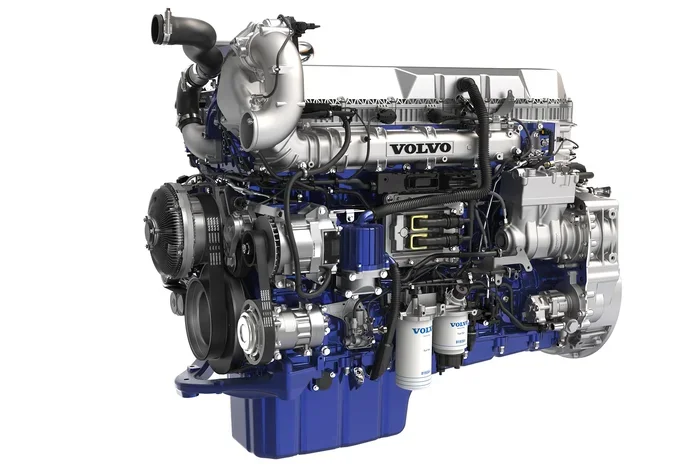
The Volvo D13 is a 13-liter inline-six diesel engine that has been a workhorse in the trucking industry for years. It is known for its reliability, fuel efficiency, and impressive power output. The engine produces between 370 and 500 horsepower depending on the tune, and it delivers up to 1,850 lb-ft of torque. That is a lot of power running through a sophisticated lubrication system.
The D13 uses a wet sump oil system, which means the oil sits in a pan at the bottom of the engine and is pumped through galleries to lubricate all the moving parts. This design is simple, reliable, and effective, but it means the engine holds a significant volume of oil. Understanding the Volvo D13 specifications helps you appreciate why the oil capacity is so important.
How the Oil Lubrication System Works
The oil system in the D13 works hard. When the engine is running, the oil pump draws oil from the sump and pushes it through the oil filter to remove contaminants. From there, it travels through drilled passages in the engine block to reach the camshaft, crankshaft bearings, pistons, and other high-wear components.
After circulating through the engine, the oil drains back down to the sump, and the cycle repeats. This happens thousands of times per minute. Clean oil with the right oil viscosity ensures everything moves smoothly and stays cool. Dirty or low oil means more friction, more heat, and more wear.
The D13 also features an oil pressure sensor that alerts the driver if oil pressure drops below safe levels. This is a critical safety feature. If that light comes on, you need to stop and check your oil level immediately. Ignoring it can lead to catastrophic engine failure.
Choosing the Right Oil for Your Volvo D13
Oil Viscosity and Ratings Explained
Not all engine oils are the same, and the Volvo D13 requires a specific type to perform at its best. The recommended oil viscosity for most D13 engines is 15W-40, though some newer models may call for 10W-30. Always check your owner’s manual to confirm the correct oil viscosity for your specific engine and operating conditions.
Viscosity refers to how thick or thin the oil is at different temperatures. The “15W” part means the oil flows well at low temperatures (cold starts), while the “40” part means it maintains protection at high operating temperatures. Getting this right is crucial for engine protection, especially in extreme weather conditions.
Using oil that is too thin can result in poor lubrication under heavy loads. Using oil that is too thick can reduce fuel efficiency and make cold starts harder. The right balance protects your engine and keeps it running efficiently.
Synthetic vs Conventional Oil
When it comes to choosing between synthetic and conventional oil for your Volvo D13, the answer depends on your operating conditions and budget. Synthetic oil offers superior protection in extreme temperatures and lasts longer between changes. It also flows more smoothly at cold start, which reduces wear during the most vulnerable moments of engine operation.
Conventional oil is more affordable and still provides adequate protection for standard operating conditions. Many fleet operators use a blend of the two to get the best of both worlds. The key is making sure whatever oil you choose meets the Volvo D13 specifications and certifications.
It really does matter what oil you put in your engine. Just like does it really matter what oil I put in my car, the answer for the Volvo D13 is a resounding yes. The wrong oil can lead to increased wear, reduced fuel economy, and even void your warranty.
Oil Change Intervals and Maintenance Schedules
Recommended Change Intervals
Volvo recommends changing the oil in a D13 engine every 25,000 to 45,000 miles, depending on the type of oil used and the operating conditions. If you are using synthetic oil, you can often stretch the interval closer to 45,000 miles. Conventional oil typically requires a change closer to the 25,000-mile mark.
However, these numbers are for ideal conditions. If your truck operates in severe conditions, you may need to change the oil more frequently. Severe conditions include:
- Frequent short trips under 10 miles
- Extreme heat or cold weather operation
- Heavy towing or hauling
- Stop-and-go city driving
- Dusty or dirty environments
- Extended idling periods
Fleet managers should track oil change intervals for each truck individually. Not every truck in a fleet operates under the same conditions, and a one-size-fits-all approach can lead to premature engine wear or wasted money on unnecessary changes.
Step-by-Step Oil Change Process
Changing the oil in a Volvo D13 is a straightforward process, but it requires the right tools and a bit of care. Here is a basic overview of what the process looks like:
- Warm up the engine for a few minutes to help the oil drain more completely.
- Position the truck on a level surface and engage the parking brake.
- Locate the oil drain plug on the bottom of the oil pan.
- Place a drain pan underneath and remove the plug to let the old oil flow out.
- Remove the old oil filter and replace it with a new one.
- Reinstall the drain plug and tighten it to the proper torque specification.
- Fill the engine with the recommended amount of new oil (38 to 42 gallons).
- Check the oil level with the dipstick and top off if needed.
- Run the engine for a few minutes, then check for leaks and recheck the oil level.
Always dispose of used oil properly. Most truck stops and recycling centers accept used engine oil. Never dump it on the ground or into a drainage system.
Warning Signs Your Volvo D13 Needs Attention
Low Oil Symptoms
Knowing the warning signs of low oil can save you from expensive repairs. The most common symptoms include:
- Oil pressure warning light: This is the most obvious sign. If the light comes on, pull over safely and check your oil level.
- Engine knocking or ticking: Insufficient oil means metal parts are rubbing together without proper lubrication.
- Reduced fuel economy: Dirty or low oil causes more friction, which means the engine works harder and burns more fuel.
- Overheating: Oil helps regulate engine temperature. Low oil can cause the engine to run hotter than normal.
- Dark or dirty oil on the dipstick: Fresh oil is amber in color. Dark black oil means it is time for a change.
One thing to watch for is whether does low engine oil show on the dashboard. Most modern trucks, including the Volvo D13, have oil pressure sensors that trigger a warning light on the dash. However, some older models may not have this feature, which makes manual oil checks even more important.
When to See a Mechanic
While basic oil checks and changes can be done by most truck owners, there are times when professional help is the right call. If you notice a persistent oil leak, unusual engine noises, or the oil pressure light stays on even after topping off, it is time to see a mechanic. These could be signs of deeper problems like worn bearings, a failing oil pump, or a cracked engine block.
Also, if you are unsure about the oil capacity for your specific D13 configuration, a qualified technician can look up the exact specifications and make sure everything is filled correctly. It is always better to be safe than sorry when it comes to your engine.
Common Mistakes and How to Avoid Them
Even experienced truck owners make mistakes when it comes to oil maintenance. Here are the most common ones and how to avoid them:
Overfilling the oil: It might seem like more oil is better, but overfilling can cause problems. Excess oil can foam, which reduces its lubricating ability. It can also cause pressure buildup that damages seals and gaskets. Always fill to the exact capacity specified in your manual.
Using the wrong oil type: Not all oils are created equal. Using an oil that does not meet the Volvo D13 specifications can lead to poor lubrication, increased wear, and reduced engine life. Always use oil that meets the required certifications and viscosity ratings.
Skipping the oil filter: Some people try to save money by reusing an old filter or skipping it altogether. This is a mistake. The oil filter removes contaminants that cause wear and tear. A clogged filter can restrict oil flow and starve the engine of lubrication.
Ignoring the oil change interval: It is tempting to stretch the interval, especially if the truck seems to be running fine. But oil degrades over time, even if you do not notice it. Sticking to the recommended interval keeps your engine protected and your warranty intact.
Not checking the oil regularly: Between changes, you should check your oil level at least once a week. Trucks burn oil, and catching a low level early prevents damage. Make it a habit to check during your pre-trip inspection every single time.
Running low on oil can cause serious problems, including overheating and engine seizure. Just as can a car overheat with low oil, a Volvo D13 running low on oil can overheat quickly, leading to expensive repairs and downtime. Prevention is always cheaper than repair.
Final Thoughts
Taking care of the oil in your Volvo D13 is one of the simplest and most important things you can do as a truck owner or operator. The engine holds between 38 and 42 gallons of oil, and keeping that oil at the right level with the right type makes a huge difference in engine performance and longevity.
Follow the recommended oil change intervals, use the correct oil viscosity, and watch for warning signs of low oil. These small habits add up to big savings over the life of your truck. Proper oil maintenance is the foundation of a healthy engine, and a healthy engine means fewer breakdowns, better fuel economy, and a truck that lasts for years to come.
Think about how long engines last when they are properly maintained. The answer is decades, not years. Your Volvo D13 is built to go the distance, and the oil you choose and the care you provide will determine just how far it goes.
—
Frequently Asked Questions
How many gallons of oil does a Volvo D13 hold?
The Volvo D13 engine typically holds between 38 and 42 gallons of oil. The exact amount depends on your specific model year, engine configuration, and whether the truck includes an oil cooler or additional filtration systems. Always check your owner’s manual for the precise capacity of your truck.
What type of oil is best for a Volvo D13?
Most Volvo D13 engines perform best with 15W-40 diesel engine oil that meets Volvo’s certification requirements. Some newer models may recommend 10W-30. Synthetic oil offers the best protection and longest intervals, but conventional oil or blends can also work well depending on your operating conditions and budget.
How often should I change the oil in my Volvo D13?
Volvo recommends an oil change every 25,000 to 45,000 miles for the D13 engine. The exact interval depends on the type of oil used and your driving conditions. Synthetic oil allows for longer intervals, while severe operating conditions like extreme heat, heavy towing, or dusty environments may require more frequent changes.
Can low oil cause a Volvo D13 to overheat?
Yes, absolutely. Oil plays a critical role in regulating engine temperature by reducing friction and carrying heat away from components. When oil levels drop too low, the engine can overheat quickly, leading to warped parts, blown gaskets, or even complete engine failure. Always keep your oil at the proper level.
What happens if I overfill my Volvo D13 with oil?
Overfilling causes excess oil to foam, which reduces its ability to lubricate properly. It can also create excessive pressure inside the crankcase, damaging seals and gaskets. In severe cases, foamed oil can cause engine knocking, reduced performance, and even oil leaks. Always fill to the manufacturer’s recommended level.
How can I tell if my Volvo D13 needs an oil change?
Common signs include dark or dirty oil on the dipstick, reduced fuel economy, engine knocking or ticking sounds, the oil pressure warning light on the dashboard, and a burning oil smell. Regularly checking your oil level and condition during pre-trip inspections is the best way to catch problems early.