Why Is My Truck Running Hot And How To Cool It Down
Why is my truck running hot? This is a common question among truck owners, and the answer usually comes down to a few key culprits. From a failing thermostat to a leaky radiator, multiple issues can cause your engine to overheat. Understanding the warning signs early can save you from costly repairs and keep your truck running smoothly. In this guide, we break down the most common causes and show you exactly how to cool things down.
There is nothing more stressful than watching your temperature gauge climb while you are driving down the road. If you have ever asked yourself, “why is my truck running hot,” you are not alone. Overheating is one of the most common problems truck owners face, and it can turn a simple drive into a stressful situation fast.
The good news is that most overheating issues have clear causes and even clearer fixes. Whether it is a small coolant leak or a failing water pump, understanding the root problem helps you take action quickly. This guide will walk you through every reason your truck might be running hot, how to spot the signs, and exactly what you can do to cool things down.
We will also cover prevention tips that keep your engine running at the right temperature for years to come. By the end of this article, you will know what to check, what to fix, and when it is time to call a professional. Let’s dive in and get your truck cooling the way it should.
Key Takeaways
- Coolant leaks are the #1 cause: A simple leak can lead to a major overheating problem fast.
- Your thermostat plays a big role: A stuck thermostat is one of the most common reasons trucks overheat.
- Water pump failure shuts down cooling: Without a working water pump, coolant cannot circulate properly.
- Early warning signs save money: Catching overheating symptoms early prevents expensive engine damage.
- Regular maintenance keeps things cool: Simple checks like monitoring coolant levels can prevent most overheating issues.
- Know when to call a pro: Some overheating problems need a professional mechanic to fix safely.
📑 Table of Contents
Why Is My Truck Running Hot: The Most Common Causes
When your truck starts running hotter than normal, something in the cooling system is not working right. The cooling system keeps your engine at a safe operating temperature, and when one part fails, the whole system suffers. Let us look at the top reasons this happens.
Thermostat Failure
The thermostat controls how much coolant flows through your engine. It opens and closes based on temperature. When it gets stuck closed, coolant cannot reach the engine, and heat builds up fast. This is one of the top reasons why is my truck running hot on a warm day or during heavy towing.
A stuck thermostat is easy to spot. Your temperature gauge will rise quickly, and the heater may stop working. Replacing a thermostat is usually inexpensive, and it is one of the first things a mechanic checks when a truck overheats. Do not ignore this small part, because a failed thermostat can lead to serious engine damage if left unchecked.
Coolant Leaks
Coolant is the lifeblood of your truck’s cooling system. When there is a leak, the system loses pressure, and the engine cannot cool itself properly. Coolant leaks can happen in many places, including the radiator, hoses, water pump, and even the heater core.
Check your parking spot for green, orange, or pink puddles. That is a clear sign of a coolant leak. You might also notice a sweet smell coming from under the hood. Low coolant levels are one of the most common reasons trucks overheat, and topping off the fluid only works as a short-term fix. You need to find and repair the leak to solve the problem for good.
Water Pump Problems
The water pump moves coolant through the engine and radiator. Without it, the coolant just sits there and the engine heats up. Water pump failure is a serious issue that can leave you stranded on the side of the road.
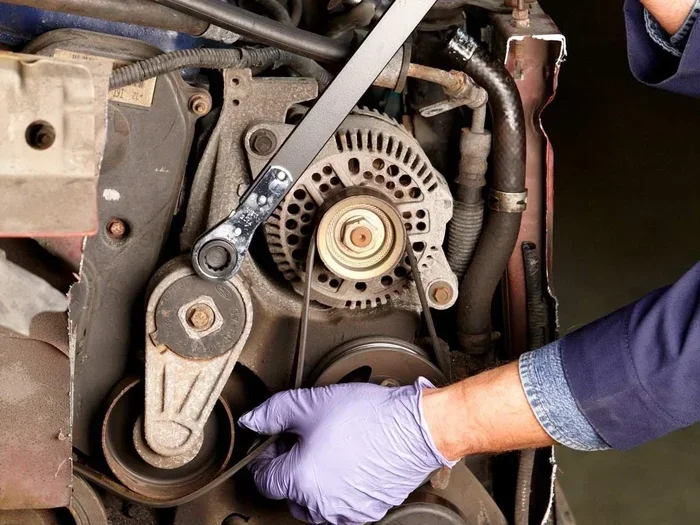
Signs of a bad water pump include coolant leaks near the front of the engine, a whining noise, and steam coming from the hood. Water pumps have seals that wear out over time, especially in older trucks. If you suspect a water pump problem, get it checked right away. Driving with a failed water pump can cause your engine to overheat within minutes.
Radiator Issues
Your radiator releases heat from the coolant into the air. When the radiator gets clogged or damaged, it cannot do its job. Dirt, bugs, and debris can block the fins on the radiator, reducing airflow and cooling efficiency.
A clogged radiator is especially common in trucks that haul heavy loads or drive in dusty conditions. You might notice the engine runs hotter during stop-and-go traffic but cools down on the highway. Flushing the radiator or replacing it can restore proper cooling. Also, check the radiator cap, because a weak cap cannot hold the right pressure and causes overheating.
Radiator Fan Malfunction
The radiator fan pulls air through the radiator when you are moving slowly or idling. If the fan stops working, your truck can overheat, especially in traffic or on hot days.
Common causes of fan failure include a bad fan motor, a blown fuse, or a faulty fan relay. You might notice the engine heats up more when you are stopped than when you are driving. Some trucks have electric fans, while others use a belt-driven fan. Either way, a fan that does not kick on is a serious problem that needs immediate attention.
Head Gasket Failure
The head gasket seals the cylinder head to the engine block. When it blows, coolant can leak into the combustion chambers or oil passages. This is one of the most expensive and serious overheating problems a truck can have.
Signs of a blown head gasket include white smoke from the exhaust, a milky look under the oil cap, and bubbles in the coolant reservoir. If you notice any of these signs, stop driving and get your truck towed to a shop. Continuing to drive with a blown head gasket can destroy the engine completely.
Signs Your Truck Is Overheating
Spotting the signs of an overheating truck early can save you hundreds of dollars in repairs. Do not wait until steam is pouring from under the hood. Here are the key overheating symptoms to watch for.
Temperature gauge in the red zone: This is the most obvious sign. Your temperature gauge should sit in the middle of the dial. If it starts climbing toward the red, pull over safely and turn off the engine.
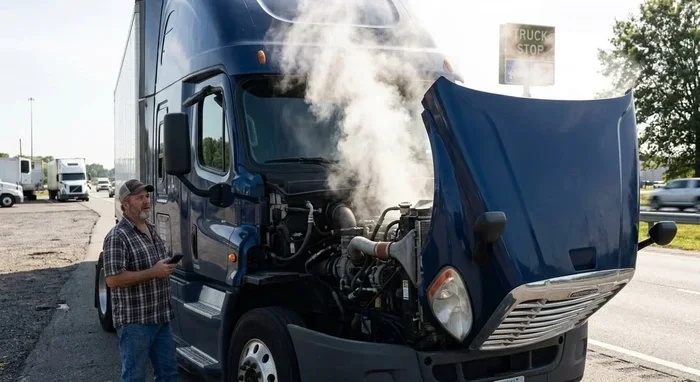
Steam or smoke from the hood: Steam coming from under the hood means the coolant is boiling. This can happen from a leak, a broken radiator cap, or a severely overheated engine. Do not open the hood right away, or you could get burned by hot coolant.
Sweet smell from the engine: Coolant has a sweet, almost syrupy smell. If you smell this near the engine, you likely have a leak. Check the ground under your truck and look for colored puddles.
Engine power loss: An overheating engine often loses power because the combustion process is disrupted. If your truck feels sluggish or struggles to accelerate, the engine heat might be the cause.
Coolant warning light: Many modern trucks have a dedicated coolant temperature warning light on the dash. If this light comes on, take it seriously and stop driving as soon as it is safe.
Heater stops working: If the heater inside your cabin suddenly stops blowing warm air, it could mean the coolant level is too low or the thermostat is stuck. This is an early warning sign that should not be ignored.
How To Cool Down Your Truck Engine
If your truck is already running hot, you need to act fast. Here is a step-by-step guide to cooling things down safely.
Step 1: Turn off the air conditioning. The AC puts extra load on the engine, which generates more heat. Turning it off helps reduce the heat load immediately.
Step 2: Turn on the heater to full blast. This might sound counterintuitive, but the heater core acts as a small radiator. It pulls heat from the coolant and releases it into the cabin. This can help cool the engine down fast in an emergency.
Step 3: Pull over safely and turn off the engine. Do not keep driving if the temperature gauge is in the red. Continuing to drive can warp engine parts, crack the head gasket, or cause other serious damage.
Step 4: Wait at least 15 to 20 minutes before opening the hood. The coolant inside is extremely hot and under pressure. Opening the radiator cap too soon can cause a burst of boiling coolant and serious burns.
Step 5: Check the coolant level once it has cooled. If the coolant is low, you can add a 50/50 mix of coolant and water to get you to a shop. But remember, adding coolant only works if there is no major leak. You still need to find and fix the root cause.
Step 6: Call for help if needed. If the engine keeps overheating even after you shut it off, do not try to drive it. Call a tow truck and have the truck transported to a repair shop. Towing a truck with a severely overheated engine can cause even more damage.
Quick Tips To Prevent Truck Overheating
Prevention is always better than repair when it comes to engine heat. Here are some simple tips to keep your truck running cool all year long.
- Check coolant levels monthly: A five-minute check can catch a low coolant level before it becomes a big problem. Look for leaks, discoloration, or a drop in the reservoir level.
- Flush the cooling system every 2 years: Old coolant loses its effectiveness over time. Flushing and replacing it keeps the system working at its best.
- Inspect hoses and clamps regularly: Cracked or soft hoses are a common source of coolant leaks. Squeeze your hoses during a check and replace any that feel brittle or spongy.
- Keep the radiator clean: Use a gentle spray to remove bugs, dirt, and debris from the radiator fins. This improves airflow and cooling efficiency.
- Monitor the temperature gauge while driving: Make it a habit to glance at your gauge, especially during long trips or hot weather. Catching a rise early gives you time to react.
- Replace the thermostat on schedule: Thermostats wear out over time. Replacing yours every 5 years or 60,000 miles can prevent unexpected failures.
- Use the right coolant type: Not all coolants are the same. Check your owner’s manual and use the type recommended for your truck.
When To See A Mechanic For Overheating Problems
Some overheating issues are simple and easy to fix at home. Others need a professional mechanic and the right tools. Here is how to know when to call for help.
You should see a mechanic if you notice any of these signs. A persistent overheating problem that does not go away after adding coolant is a red flag. Steam or smoke coming from the engine is another clear signal that something is seriously wrong. Also, if you see the check engine light along with a rising temperature gauge, do not delay getting it checked.
Other times to call a pro include coolant leaks that you cannot find, a water pump that is making unusual noises, or a radiator fan that does not turn on. These are not DIY-friendly repairs for most truck owners. A qualified mechanic can diagnose the problem with diagnostic tools and experience that most people do not have at home.
It is also wise to see a mechanic after your truck has overheated, even if it seemed to cool down. Overheating can cause hidden damage, such as a warped cylinder head or a weakened head gasket. A mechanic can perform a pressure test and other checks to make sure there is no lasting damage from the overheating event.
Overheating Truck: Cost Of Repairs
The cost to fix an overheating truck varies widely depending on the cause. A thermostat replacement is one of the least expensive fixes, usually costing between 100 and 300 dollars. A radiator hose replacement is similarly affordable, often under 150 dollars.
Water pump repairs typically cost between 300 and 750 dollars, depending on the truck model. Radiator replacements can run from 300 to 900 dollars. The most expensive repair is a blown head gasket, which can cost anywhere from 1,000 to 2,500 dollars or more.
The key takeaway is that fixing small problems early saves a lot of money. A 150-dollar thermostat replacement is much cheaper than a 2,000-dollar engine rebuild caused by prolonged overheating. Staying on top of maintenance and addressing overheating symptoms quickly is the smartest thing a truck owner can do.
Key Takeaways
- Coolant leaks are the #1 cause: A simple leak can lead to a major overheating problem fast.
- Your thermostat plays a big role: A stuck thermostat is one of the most common reasons trucks overheat.
- Water pump failure shuts down cooling: Without a working water pump, coolant cannot circulate properly.
- Early warning signs save money: Catching overheating symptoms early prevents expensive engine damage.
- Regular maintenance keeps things cool: Simple checks like monitoring coolant levels can prevent most overheating issues.
- Know when to call a pro: Some overheating problems need a professional mechanic to fix safely.
Final Thoughts On Why Your Truck Runs Hot
Dealing with a hot engine is never fun, but understanding the causes puts you in control. Now you know the answer to “why is my truck running hot” and what you can do about it. From thermostat failures to coolant leaks, water pump problems, and radiator issues, the causes are varied but most are fixable when caught early.
The best thing you can do for your truck is to stay proactive. Check your coolant levels, watch your temperature gauge, and do not ignore warning signs. A few minutes of attention can save you from a roadside breakdown and a big repair bill.
Keep your cooling system in top shape with regular maintenance and prompt repairs. Your truck will run cooler, last longer, and give you fewer headaches on the road. Stay cool out there, and keep your truck in great shape for miles to come.
Frequently Asked Questions
What are the most common reasons a truck overheats?
The most common reasons include coolant leaks, a stuck thermostat, water pump failure, and radiator problems. These issues prevent the cooling system from working properly, causing the engine to heat up beyond safe levels.
Can I keep driving my truck if it is running hot?
No, you should not keep driving an overheating truck. Continuing to drive can cause serious engine damage, including a warped cylinder head or a blown head gasket. Pull over safely, turn off the engine, and let it cool down before taking any action.
How do I know if my truck has a coolant leak?
Look for colored puddles under your truck, a sweet smell coming from the engine area, or a drop in the coolant reservoir level. You may also notice steam or a hissing sound under the hood, which indicates coolant is escaping from a leak.
How often should I check my truck’s coolant level?
You should check your coolant level at least once a month and before any long trips. It only takes a few minutes and can catch low levels before they lead to overheating problems.
Is it expensive to fix an overheating truck?
The cost depends on the cause. Simple fixes like a thermostat or hose replacement are affordable, usually under 300 dollars. More serious repairs like a water pump or head gasket can cost several hundred to over a thousand dollars.
Can a bad radiator cap cause my truck to overheat?
Yes, a weak or faulty radiator cap can cause overheating. The cap maintains pressure in the cooling system, which raises the boiling point of the coolant. A bad cap cannot hold proper pressure, leading to coolant loss and engine overheating.