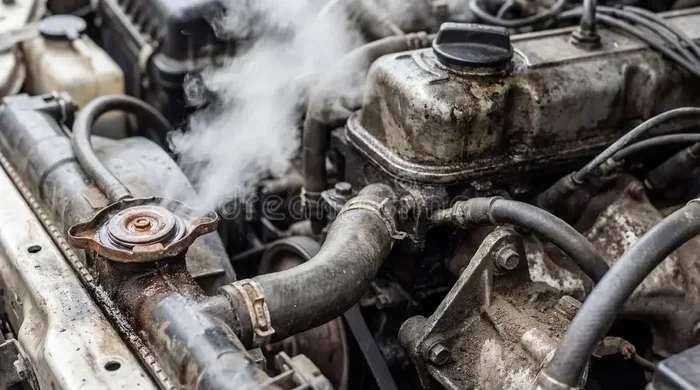
Why Is My Car Overheating And What You Need To Know
Your car overheats when the engine runs hotter than it should, and there are many reasons this can happen. From a low coolant level to a broken water pump, the overheating engine causes are easier to spot than you think. In this guide, we walk you through every reason your car might be overheating, the warning signs to watch for, and the best ways to fix and prevent it. By the end, you will know exactly what to do when your temperature gauge starts climbing.
There are few things scarier than seeing steam billow from under your hood. Your heart races. Your hands tighten on the wheel. And the temperature gauge on your dashboard starts climbing into the red zone. If you have ever asked yourself, “Why is my car overheating?” you are not alone. This is one of the most common car problems drivers face, and it can strike anyone, anywhere, at any time.
The good news is that most overheating engine causes are easy to identify and fix. You do not need to be a mechanic to understand what is going on. With the right knowledge, you can spot the problem early, take action fast, and avoid thousands of dollars in engine damage. This guide covers everything you need to know about car overheating, from the root causes to the best prevention tips.
We will break down the cooling system, explain the warning signs, and give you a step-by-step plan for what to do when your car starts overheating. Whether you are dealing with a minor issue or a serious breakdown, this article has you covered.
Key Takeaways
- Low coolant is the #1 culprit: A simple top-off or leak fix often solves the problem fast.
- Watch your temperature gauge: It tells you everything you need to know about engine health.
- Don’t ignore steam or smoke: These are clear overheating engine symptoms that need immediate attention.
- Regular maintenance prevents disasters: Routine coolant flushes and inspections save you from costly car engine repair.
- Know when to pull over: Driving an overheating car can destroy your engine in minutes.
- DIY fixes exist for many causes: You can handle thermostat, hose, and fan issues without a mechanic.
- Prevention is cheaper than repair: Small upkeep habits keep your cooling system running strong for years.
📑 Table of Contents
- Understanding Your Car’s Cooling System
- Common Reasons Why Your Car Overheats
- Warning Signs Your Car Is Overheating
- What To Do When Your Car Overheats
- How To Prevent Car Overheating
- When To See a Mechanic
- Quick Tips To Remember
- Common Mistakes Drivers Make With Overheating Cars
- Expert Insight: What Mechanics Wish You Knew
- Cost of Repairing an Overheating Car
- Conclusion
Understanding Your Car’s Cooling System
Before we dive into the reasons your car overheats, it helps to understand how the cooling system works. Think of it as your engine’s personal air conditioner. It keeps the engine at a safe temperature so all the moving parts can do their jobs without getting damaged.
The cooling system has several key parts that work together. Each one plays a vital role in keeping your engine cool. When even one part fails, the whole system suffers.
The Radiator
The radiator is the heart of your cooling system. It releases heat from the coolant into the air. Hot coolant flows from the engine into the radiator, where it cools down before cycling back. A damaged or clogged radiator can cause your engine to heat up fast.
The Coolant
Coolant, also called antifreeze, is the liquid that absorbs heat from the engine. It flows through the engine block and heads, picking up warmth along the way. Then it carries that heat to the radiator, where it gets released. Low coolant levels are one of the most common reasons cars overheat.
The Water Pump
The water pump pushes coolant through the entire system. It keeps the liquid moving so heat gets transferred properly. If the water pump fails, coolant stops flowing, and the engine heats up quickly. This is a serious overheating engine symptom that should never be ignored.
The Thermostat
The thermostat acts like a valve. It opens and closes to control the flow of coolant. When the engine is cold, it stays closed to let the engine warm up. When the engine gets hot, it opens to let coolant flow. A stuck thermostat is a frequent cause of car overheating.
The Cooling Fan
The cooling fan pulls air through the radiator when the car is moving slowly or idling. Without it, the radiator cannot cool the coolant properly. A broken cooling fan can lead to overheating, especially in traffic or on hot days.
The Radiator Hoses
Radiator hoses carry coolant between the engine and the radiator. Over time, these hoses can crack, bulge, or leak. A damaged hose causes coolant loss, which leads directly to engine overheating. Checking hoses regularly is a simple way to prevent problems.
Common Reasons Why Your Car Overheats
Now that you understand the cooling system, let us look at the most common overheating engine causes. Each one is different, but they all share one thing in common: they need attention fast.
Low Coolant Level
This is the number one reason cars overheat. Coolant can leak out over time through worn hoses, loose connections, or a cracked radiator. Even a small leak can drop your coolant level enough to cause overheating. If you notice a puddle of green, orange, or pink fluid under your car, that is a clear sign of a coolant leak.
Broken Thermostat
A thermostat that gets stuck in the closed position will block coolant from reaching the radiator. The engine heats up with nowhere for the heat to go. This is a common issue in older cars and one of the easier fixes. Replacing a thermostat is usually inexpensive and quick.
Failing Water Pump
The water pump does the heavy lifting in your cooling system. When it breaks, coolant stops circulating entirely. A failing water pump often makes a grinding or whining noise before it completely gives out. If you notice that sound along with rising temperatures, get your car checked right away.
Radiator Problems
Your radiator can fail in several ways. It can develop leaks, get clogged with debris, or suffer from internal corrosion. Any of these issues reduce the radiator’s ability to cool the coolant. A damaged radiator is one of the more expensive car engine repair jobs, but catching it early keeps costs down.
Broken Cooling Fan
The cooling fan kicks in when you are stuck in traffic or sitting at a red light. If the fan motor or fan relay fails, the radiator cannot get enough airflow to cool the coolant. You may notice your car overheating only when you are stopped or moving slowly. This is a telltale sign of a fan problem.
Blown Head Gasket
A blown head gasket is one of the most serious causes of car overheating. The head gasket sits between the engine block and the cylinder head. When it fails, coolant can leak into the cylinders or oil passages. This causes overheating, white smoke from the exhaust, and a loss of engine power. A head gasket replacement is a major repair that should not be delayed.
Clogged Cooling System
Over time, rust, scale, and debris can build up inside the cooling system. This gunk restricts coolant flow and reduces heat transfer. A clogged system cannot cool the engine properly, even if all the parts are working. Regular coolant flushes help prevent this buildup and keep your system flowing freely.
Faulty Temperature Sensor
Sometimes the problem is not the engine itself but the sensor that reads the temperature. A faulty sensor can give false readings, making it look like the engine is overheating when it is not. Or it might fail to warn you when there is a real problem. If your gauge behaves erratically, the sensor could be to blame.
Warning Signs Your Car Is Overheating
Catching overheating engine symptoms early can save you from a roadside breakdown. Your car gives you plenty of warning signs if you know what to look for.
The Temperature Gauge Climbing
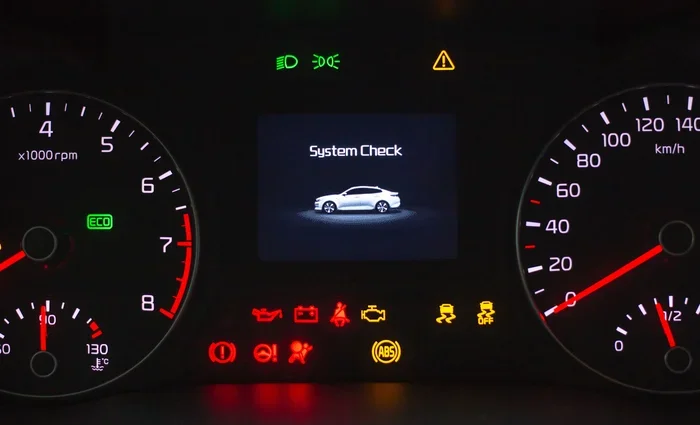
This is the most obvious sign. Your dashboard has a temperature gauge or a warning light that shows engine temperature. If the needle moves into the red zone or the warning light turns on, your engine is too hot. Pull over safely as soon as you can.
Steam or Smoke Coming From the Hood
Steam rising from under your hood means the coolant is boiling. This usually happens when coolant levels are too low or there is a major leak. Do not open the hood right away. The steam is extremely hot and can burn you. Wait a few minutes for things to cool down before checking.
Strange Smells
A sweet, syrupy smell often means coolant is leaking onto hot engine parts. A burning or oil smell could indicate that engine oil is overheating. Both smells are warning signs that something is wrong with your cooling system or engine.
Coolant Leaks Under the Car
If you see colorful puddles under your parked car, that is coolant dripping from a leak. Check the ground where you normally park. Green, orange, pink, or blue fluid is almost always coolant. Even a small leak can turn into a big overheating problem if you ignore it.
Engine Running Hotter Than Normal
Sometimes the signs are subtle. The heater might blow cold air instead of hot. The engine might feel sluggish or lose power. These are quiet overheating warning signs that many drivers overlook. Paying attention to these small changes helps you catch problems before they become serious.
What To Do When Your Car Overheats
Finding yourself with an overheating car on the road can be stressful. But knowing what to do in the moment makes all the difference. Follow these steps to protect your engine and stay safe.
Step 1: Turn Off the Air Conditioning
The A/C puts extra load on the engine. Turning it off reduces the heat the engine has to handle. This small step can buy you a few extra minutes to find a safe place to stop.
Step 2: Turn On the Heater
This might feel counterintuitive, but turning the heater to full blast pulls heat away from the engine. It acts as a secondary radiator. Yes, your cabin will get hot, but it can help lower the engine temperature enough to get you to safety.
Step 3: Pull Over Safely
Find a safe spot to stop. Turn on your hazard lights and shift the car into park. Do not keep driving if the temperature gauge is in the red. Continuing to drive can cause catastrophic engine damage.
Step 4: Let the Engine Cool Down
Wait at least 15 to 20 minutes before you open the hood. The coolant inside is extremely hot and under pressure. Opening the radiator cap too soon can cause burns. Let the steam stop and the temperature drop before you check anything.
Step 5: Check the Coolant Level
Once the engine is cool, carefully open the radiator cap. Check the coolant level in the reservoir. If it is low, you can add a mix of coolant and water to get you to a nearby mechanic. Do not add cold water to a hot engine, as this can cause cracks in the engine block.
Step 6: Call for Help If Needed
If the coolant level is fine but the engine is still overheating, there may be a deeper problem. Call a tow truck and get the car to a mechanic. Driving a seriously overheating engine can warp the cylinder head, crack the engine block, or destroy the head gasket. The cost of a tow is nothing compared to the cost of a new engine.
How To Prevent Car Overheating
The best way to deal with car overheating is to prevent it from happening in the first place. A little maintenance goes a long way toward keeping your engine running at the right engine temperature.
Check Coolant Levels Regularly
Make it a habit to check your coolant reservoir once a month. Look for the proper fill line and top off if needed. This takes less than five minutes and can save you from a roadside breakdown.
Get Regular Coolant Flushes
Over time, coolant breaks down and loses its effectiveness. Most manufacturers recommend a coolant flush every 30,000 miles or two years, whichever comes first. Fresh coolant keeps the cooling system working at its best and prevents corrosion inside the engine.
Inspect Hoses and Belts
Look at your radiator hoses and drive belts during routine checks. Cracks, bulges, or soft spots mean the hose is about to fail. Replacing a hose costs very little compared to the damage a burst hose can cause. Belts that are worn or loose can also affect the water pump and cooling fan.
Keep the Radiator Clean
Debris like leaves, bugs, and dirt can block airflow through the radiator. Periodically hose down the front of the radiator to keep it clear. This is especially important if you drive on dirt roads or through areas with lots of bugs.
Fix Small Problems Early
A small coolant leak today can become a blown head gasket tomorrow. Do not ignore warning signs like a slightly rising temperature gauge or a faint coolant smell. Catching and fixing small issues early is the cheapest and smartest approach to car engine repair.
Follow Your Owner’s Manual
Your car’s owner manual has a maintenance schedule tailored to your specific vehicle. Follow the recommended service intervals for coolant changes, hose inspections, and cooling system checks. The manual knows your car better than anyone.
When To See a Mechanic
Some overheating engine causes are easy to fix on your own. But others require professional tools and expertise. Knowing when to call in the experts can save you time, money, and a lot of headaches.
If you have checked the coolant level, topped it off, and the engine still overheats, something deeper is going on. A broken water pump, a stuck thermostat, or a failing cooling fan all need a mechanic’s attention. Similarly, if you see white smoke coming from the exhaust, that is a strong sign of a blown head gasket that needs immediate professional care.
Do not try to drive long distances with an overheating engine. Even a short trip can cause irreversible damage. A tow truck and a visit to the shop are always the safer choice when the problem is serious.
Quick Tips To Remember
- Monitor your temperature gauge while driving. It is your first line of defense against overheating.
- Keep a bottle of coolant in your trunk for emergencies. It can get you to a shop safely.
- Never ignore steam or smoke from the hood. Pull over and investigate immediately.
- Check coolant color before adding more. Bright green, orange, or pink is healthy. Brown or rusty coolant needs flushing.
- Replace coolant at the recommended interval. Old coolant loses its protective properties over time.
- Listen for unusual sounds like grinding or whining from the engine area. These can signal water pump failure.
- Stay calm if your car overheats. Panic leads to bad decisions. Follow the steps above and stay safe.
Common Mistakes Drivers Make With Overheating Cars
Even well-meaning car owners make mistakes when dealing with overheating. Here are the most common ones to avoid.
Opening the radiator cap too soon. The system is under pressure, and boiling coolant can spray out and cause severe burns. Always wait for the engine to cool down before touching the cap.
Pouring cold water into a hot engine. This can cause the engine block to crack due to sudden temperature changes. Use room temperature water or a pre-mixed coolant if you must add fluid in an emergency.
Ignoring the problem and just driving on. Some drivers try to “push through” the heat. This is the worst thing you can do. Continued driving with an overheating engine can warp metal parts, crack the block, and destroy the engine entirely.
Topping off coolant without finding the leak. If coolant keeps running low, there is a leak somewhere. Adding more coolant without fixing the leak is a temporary band-aid at best. Find the source of the leak and repair it properly.
Skipping regular maintenance. Many overheating engine causes are preventable with routine care. Skipping coolant flushes, hose inspections, and belt checks is like skipping oil changes. It always comes back to bite you.
Expert Insight: What Mechanics Wish You Knew
Experienced mechanics see overheating cars every single day. Here is what they want you to understand.
“Most overheating problems start small,” says a longtime auto technician. “A tiny coolant leak, a slightly stuck thermostat, a fan that is just beginning to fail. If the driver catches these early, the repair is simple and affordable. If they ignore it, the engine can be totaled within miles.”
Mechanics also stress the importance of using the right coolant for your vehicle. Not all coolants are the same. Mixing incompatible coolants can cause gel-like buildup that clogs the entire system. Check your owner manual for the correct type and stick with it.
Another tip from the pros: do not rely solely on the temperature gauge. Some gauges are not very accurate, especially in older cars. If the heater starts blowing cold air or you see steam, trust your instincts and pull over. Your gut feeling is sometimes more reliable than the gauge.
Cost of Repairing an Overheating Car
The cost of fixing an overheating car varies widely depending on the cause. Here is a rough breakdown of common repairs.
- Coolant top-off or hose replacement: $20 to $100. These are the cheapest and most common fixes.
- Thermostat replacement: $100 to $300. A simple job that most shops can do in under an hour.
- Water pump replacement: $300 to $750. This requires more labor since the pump is deeper in the engine.
- Radiator repair or replacement: $200 to $1,000 depending on the severity of the damage.
- Cooling fan motor replacement: $150 to $400 for the part and labor.
- Head gasket replacement: $1,000 to $3,000. This is one of the most expensive repairs because of the labor involved.
- Engine replacement (worst case): $4,000 to $8,000 or more. This is what happens when overheating is ignored for too long.
As you can see, the cost goes up dramatically when small problems are left untreated. A $50 hose replacement today can turn into a $4,000 engine replacement tomorrow. The choice is clear: fix small issues before they become big ones.
Conclusion
Why is my car overheating? The answer usually comes down to one of several common causes: low coolant, a broken thermostat, a failing water pump, radiator issues, or a damaged head gasket. Each of these problems has clear warning signs, and each has a solution. The key is to act fast and not ignore the symptoms.
Your car’s cooling system is designed to keep the engine running at the right engine temperature under all conditions. But it needs regular care and attention to do its job. Check your coolant levels, inspect your hoses, and follow the maintenance schedule in your owner manual. These simple habits will keep your car running smoothly and prevent the stress and expense of an overheating breakdown.
Remember, your car talks to you. The temperature gauge, the steam, the strange smells, the puddles under the car. These are all messages. Learn to read them, and you will avoid most overheating engine causes before they turn into serious problems. Stay proactive, stay informed, and your engine will thank you for years to come.
Frequently Asked Questions
Can I keep driving if my car is overheating?
No, you should not keep driving if your car is overheating. Continuing to drive can cause the engine to warp, crack, or suffer a blown head gasket. Pull over safely, turn off the engine, and let it cool down before checking the coolant level or calling for help.
How much does it cost to fix an overheating car?
The cost depends on the cause. Simple fixes like topping off coolant or replacing a hose cost $20 to $100. More serious repairs like a water pump or head gasket can range from $300 to $3,000. Ignoring the problem early almost always leads to higher repair bills.
What should I do if I see steam coming from my hood?
If you see steam, pull over immediately and turn off the engine. Do not open the hood right away because the steam is extremely hot. Wait 15 to 20 minutes for the engine to cool, then carefully check the coolant level. If you are unsure, call a tow truck and get the car to a mechanic.
How often should I flush my coolant?
Most car manufacturers recommend a coolant flush every 30,000 miles or every two years, whichever comes first. Check your owner manual for the exact schedule for your vehicle. Fresh coolant keeps the cooling system working properly and prevents corrosion.
Can low oil cause a car to overheat?
Yes, low oil can contribute to overheating. Oil lubricates engine parts and helps absorb heat. When oil levels are too low, friction increases and heat builds up. While low oil is not the most common cause of overheating, it can definitely make the problem worse, especially if the coolant system is also low.
Is it safe to add cold water to an overheating engine?
No, it is not safe to pour cold water into a hot engine. The sudden temperature change can cause the engine block to crack. If you must add fluid in an emergency, use room temperature water or a pre-mixed coolant, and only do so after the engine has cooled down for at least 15 minutes.