Can Pea-Sized Hail Damage a Car The Shocking Answer
Can pea-sized hail damage a car? The answer might surprise you. Even small hailstones can cause serious harm to your vehicle’s paint, panels, and glass. Pea-sized hail carries enough force to create dents, cracks, and costly repairs. This guide covers everything you need to know about hail damage to cars, from repair options to insurance claims. Protect your investment by understanding the real risks of weather-related car damage.
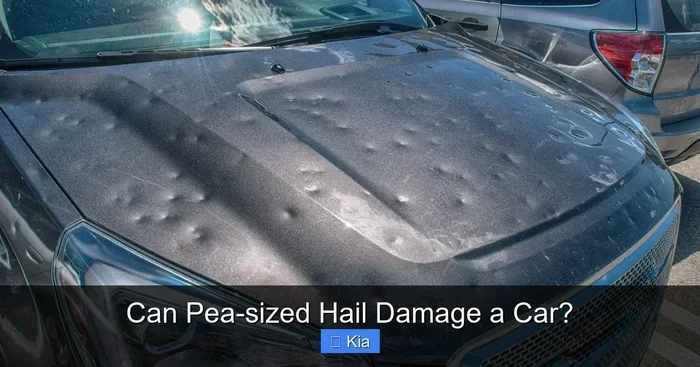
You step outside after a storm and notice your car looks like it went through a boxing match. Tiny dents dot the hood. A crack spiders across the windshield. And you think, “Can pea-sized hail damage a car?” It seems hard to believe that something so small could cause so much harm. But the truth is, pea-sized hail packs a punch that can leave your vehicle looking rough and costing you hundreds in repairs.
Many car owners underestimate the power of small hailstones. They assume only golf-ball-sized ice could do real damage. That assumption can cost you. Hail damage repair bills add up fast, and ignoring the problem only makes things worse. In this article, we will explore the shocking truth about whether pea-sized hail can harm your car. We will look at the science behind hail impacts, the types of damage it causes, and what you can do to fix and prevent it.
Whether you live in tornado alley or just got caught in a surprise summer storm, this guide is for you. We will cover everything from auto body repair options to insurance claims. By the end, you will know exactly how to handle vehicle hail damage like a pro.
Key Takeaways
- Pea-sized hail can absolutely damage a car: Even small hailstones strike with surprising force that dents panels and cracks glass.
- Paint damage is a hidden risk: Hail can chip paint and expose metal to rust, leading to expensive repairs over time.
- Insurance often covers hail damage: Comprehensive auto insurance typically includes weather-related car damage protection.
- Paintless dent repair works well for hail dents: This affordable method fixes dents without harming the original paint.
- Quick action prevents further damage: Addressing hail damage fast stops rust and keeps repair costs low.
- Protective covers reduce risk: Using a hail pad cover or parking strategically can shield your car from future storms.
- Windshield damage is especially dangerous: Even small cracks from hail can spread and compromise safety.
📑 Table of Contents
- How Pea-Sized Hail Damages a Car
- Types of Damage Pea-Sized Hail Causes
- How Severe Is Pea-Sized Hail Compared to Larger Hail?
- Repair Options for Hail Damage
- Insurance Coverage for Hail Damage
- How to Protect Your Car from Hail Damage
- Common Mistakes People Make After Hail Damage
- Key Takeaways
- Conclusion
How Pea-Sized Hail Damages a Car
You might wonder how something the size of a pea can hurt a car. The answer lies in physics and speed. Hailstones fall from high altitudes where they build up layers of ice. By the time they reach the ground, even small ones travel at impressive speeds.
The Speed and Force of Hailstones
Pea-sized hail typically falls at speeds between 20 and 25 miles per hour. That might not sound fast. But when that tiny ice ball hits your car at that velocity, the impact is concentrated on a very small area. Think of it like a bullet. A small caliber bullet does not look dangerous, but it carries serious force on impact.
The hardness of ice also plays a big role. Hailstones are dense and solid. They do not crumble on impact like snow. Instead, they transfer all their energy directly into your car’s surface. This is why hailstone impact causes dents and cracks even when the hail looks tiny.
Why Metal Panels Are Vulnerable
Your car’s body panels are made of metal. Metal is strong but not invincible. It dents easily when hit with concentrated force. The hood, roof, and trunk are the most exposed parts of your car. These areas take the brunt of hail damage during a storm.
Even a single pea-sized hailstone can leave a visible dent. Now imagine hundreds of them falling on your car during a severe hail storm. The damage multiplies quickly. You could end up with dozens of dents across every exposed surface.
Types of Damage Pea-Sized Hail Causes
Pea-sized hail does more than just leave dents. It causes several types of damage that can affect your car’s appearance and safety. Let us break down each type so you know what to look for.
Dents and Dimples
The most obvious sign of hail damage to cars is dents. These small indentations appear on metal panels. They vary in size depending on the hailstone and the angle of impact. Some dents are shallow and barely visible. Others are deep and very noticeable.
Dents on the hood and roof are the most common. But hail can also dent doors, fenders, and even mirrors. The good news is that most hail dents can be fixed with paintless dent repair. This method preserves your original paint and costs less than traditional body work.
Paint Damage and Chipping
Here is something many car owners overlook. Pea-sized hail can chip and scratch your car’s paint. When the ice strikes the surface, it can flake off tiny pieces of paint. This exposes the metal underneath to moisture and air.
Once the paint is damaged, rust can set in quickly. Rust spreads fast and causes structural problems over time. So even if the dent itself seems minor, the paint damage underneath can lead to big expenses later. Always check for paint chips after a hailstorm, even if the dents look small.
Windshield Cracks and Chips
Your windshield is the most vulnerable part of your car during a hail storm. Even a pea-sized hailstone can crack or chip the glass. Windshield damage is especially dangerous because it affects your visibility while driving.
A small chip might seem harmless at first. But temperature changes and road vibrations cause it to spread. What starts as a tiny crack can turn into a large fracture that requires a full windshield replacement. Always inspect your windshield carefully after any hail event.
Damage to Glass and Lights
Hail does not only affect windshields. Side windows, rear windows, and headlights can all suffer damage. Glass is brittle and breaks easily under impact. Headlights have plastic covers that can crack or become cloudy from hail strikes.
Damaged headlights reduce visibility at night and can lead to safety issues. Replacing glass and lights adds to the overall automotive repair cost after a hailstorm. This is another reason why prompt inspection matters.
How Severe Is Pea-Sized Hail Compared to Larger Hail?
Not all hail is created equal. The size of the hailstone determines the severity of the damage. Let us compare pea-sized hail to larger sizes so you understand the full picture.
Pea-sized hail (about 1/4 inch) causes minor to moderate damage. You will see small dents and possible paint chips. These are mostly cosmetic issues.
Marble-sized hail (about 1/2 inch) causes more noticeable dents and deeper paint damage. The risk of cracked windshields also increases.
Golf ball-sized hail (about 1 3/4 inch) causes severe damage. Deep dents, shattered glass, and major body damage are common. Repair costs rise significantly with larger hail.
So while pea-sized hail is the mildest form, it still causes real damage. Do not dismiss it just because the hailstones are small. Vehicle exterior damage from pea-sized hail is common and adds up fast, especially during prolonged storms.
Repair Options for Hail Damage
Once your car suffers hail damage repair needs, you have several options. The right choice depends on the severity of the damage and your budget. Let us explore the most common methods.
Paintless Dent Repair
Paintless dent repair is the gold standard for fixing hail dents. Technicians use special tools to gently push dents out from behind the panel. This method does not disturb the original paint, which keeps your car looking factory-fresh.
PDR is fast, affordable, and highly effective for shallow to medium dents. Most hail dents fall into this category. The process takes one to three hours per panel, and costs are typically 50% to 70% lower than traditional body repair.
Traditional Body Repair and Painting
For deeper dents or areas with paint damage, traditional body repair may be necessary. This process involves filling the dent, sanding, priming, and repainting the affected area. It takes longer and costs more than PDR.
Traditional repair is essential when the metal is creased or the paint is badly chipped. It restores both the appearance and structural integrity of the panel. However, it is worth noting that repainted areas may not match perfectly over time.
Windshield Replacement and Repair
Small chips in the windshield can often be repaired with a resin injection. The technician fills the chip with a clear resin that hardens and restores the glass. This process costs much less than a full replacement and takes about 30 minutes.
However, cracks that spread or cover a large area require a full windshield replacement. This is more expensive but necessary for safety. Always get a professional assessment of any windshield damage from hail.
DIY Repair Kits
Some car owners try DIY dent removal kits to save money. These kits include glue pulls, suction cups, and dent pads. They work for very minor dents in a pinch.
But DIY methods carry risks. Improper technique can worsen the dent or damage the paint. For anything beyond a tiny superficial dent, professional repair is the safer choice. Car dent removal by a trained technician ensures the best results.
Insurance Coverage for Hail Damage
One of the biggest concerns after a hailstorm is the cost. Will your insurance cover hail damage to cars? The answer depends on your policy type and coverage.
Comprehensive Coverage
Comprehensive insurance covers weather-related car damage, including hail. If you have comprehensive coverage on your policy, hail damage repairs are typically included. You will pay your deductible, and the insurance company covers the rest.
Deductibles vary by policy. Common deductibles range from $500 to $1,000. If your repair costs exceed the deductible, filing a claim makes sense. If the repairs cost less than your deductible, paying out of pocket may be the better option.
Filing a Hail Damage Claim
Filing a claim for car insurance claim related to hail is straightforward. Start by documenting all damage with photos. Get a written estimate from a certified repair shop. Then contact your insurance company to file the claim.
Most insurers have a streamlined process for hail damage. They often send an adjuster to assess the damage directly. The entire process usually takes one to three weeks from start to finish.
Will Filing a Claim Raise Your Premiums?
Many drivers worry about premium increases after a claim. For hail damage, this is less of a concern than you might think. Insurance companies view weather-related claims as acts of nature. They typically do not raise premiums for comprehensive hail claims.
However, every policy is different. Check with your insurer to understand how a claim affects your specific rate. In most cases, a single hail claim has minimal impact on your premium.
How to Protect Your Car from Hail Damage
Prevention is always better than repair. While you cannot control the weather, you can take steps to reduce the risk of weather-related car damage to your vehicle.
Use a Hail Pad Cover
A protective car cover designed for hail is one of the best investments you can make. Hail pads are thick, padded covers that absorb the impact of hailstones. They are affordable and easy to store in your trunk.
Look for covers rated for hail protection. Some premium models use multi-layered materials that deflect impact effectively. Keep one in your garage or car so you are always prepared for surprise storms.
Park Strategically
Where you park makes a big difference. During storm season, park your car in a garage whenever possible. If a garage is not available, look for covered parking at shopping centers, workplaces, or public structures.
Avoid parking under trees during storms. Falling branches can cause additional damage. And stay away from areas prone to flooding. Smart parking habits reduce your risk of auto body repair after a storm.
Monitor Weather Forecasts
Stay alert to weather warnings during storm season. Many weather apps send alerts for hail and severe storms. When you get a warning, move your car to safety immediately.
Even a few minutes of advance notice can save your car from damage. Make it a habit to check the forecast daily, especially during spring and summer when storms are most common.
Install a Carport or Shelter
If you park outside regularly, consider installing a portable carport or metal shelter. These structures provide solid protection against hail and other weather hazards. They are a one-time investment that pays for itself by avoiding repeated dent repair cost and auto body repair expenses.
Common Mistakes People Make After Hail Damage
After a hailstorm, many car owners make mistakes that worsen the damage or cost them money. Here are the most common errors to avoid.
Mistake 1: Ignoring small dents. Small dents seem harmless, but they expose metal to moisture. Rust develops fast and spreads. Fix even minor dents promptly to prevent long-term damage.
Mistake 2: Delaying the insurance claim. Most insurance policies have time limits for filing claims. Waiting too long can result in a denied claim. Document and report damage as soon as possible.
Mistake 3: Choosing the cheapest repair shop. Bargain shops may use low-quality parts or untrained technicians. This leads to poor repairs and higher costs later. Choose a reputable shop with certified technicians and good reviews.
Mistake 4: Not getting multiple estimates. Always get at least three repair estimates before committing. This ensures you pay a fair price and understand the full scope of the work needed.
Mistake 5: Using harsh DIY methods. Glue guns, pliers, and other rough DIY tools often cause more harm than good. They can scratch paint, stretch metal, or create new dents. Stick to professional repair for anything beyond the most superficial damage.
Key Takeaways
- Pea-sized hail can absolutely damage a car: Even small hailstones strike with enough force to dent panels and crack glass.
- Paint damage is a hidden risk: Hail chips paint and exposes metal to rust, leading to expensive repairs over time.
- Insurance often covers hail damage: Comprehensive auto insurance typically includes weather-related car damage protection.
- Paintless dent repair works well for hail dents: This affordable method fixes dents without harming the original paint.
- Quick action prevents further damage: Addressing hail damage fast stops rust and keeps repair costs low.
- Protective covers reduce risk: Using a hail pad cover or parking strategically can shield your car from future storms.
- Windshield damage is especially dangerous: Even small cracks from hail can spread and compromise safety.
Conclusion
So, can pea-sized hail damage a car? The answer is a clear and definitive yes. Do not let the small size of the hailstones fool you. Even tiny ice balls carry enough force to dent metal, crack glass, and chip paint. The damage may start small, but it grows fast if left unaddressed.
The good news is that you have options. From paintless dent repair to insurance claims, you can restore your car and protect your investment. The key is to act quickly. Inspect your vehicle after every hailstorm, document the damage, and seek professional repairs as soon as possible.
Prevention is your best defense. Invest in a protective car cover, park in safe locations, and stay informed about weather conditions. These simple steps can save you from the hassle and expense of hail damage repair.
Your car is one of the biggest investments you will ever make. Treat it with the care it deserves. Now that you know the truth about pea-sized hail damage, you are better equipped to handle whatever the sky throws your way. Stay prepared, stay informed, and keep your car looking its best no matter what the weather brings.
Can Pea-Sized Hail Crack a Windshield?
Yes, pea-sized hail can crack or chip a windshield. Glass is brittle and vulnerable to impact, even from small hailstones. A chip can spread into a crack over time due to temperature changes and road vibrations. Always inspect your windshield after any hailstorm and repair chips promptly.
How Much Does Hail Damage Repair Cost?
The cost varies widely depending on the extent of the damage. Minor dents repaired with paintless dent repair cost between $50 and $150 per dent. Extensive damage requiring traditional body work can cost $1,000 to $5,000 or more. Windshield replacement typically ranges from $200 to $400.
Does Comprehensive Insurance Cover Hail Damage?
Yes, comprehensive auto insurance covers hail damage. This is one of the most common comprehensive claims. You will pay your deductible, and the insurance company covers the remaining cost. Check your specific policy for details on coverage limits and deductibles.
How Long Does Hail Damage Repair Take?
Minor hail damage with paintless dent repair can be fixed in one to three days. More extensive damage requiring body work and repainting may take one to two weeks. Windshield repairs are usually completed in a single visit of about 30 minutes to one hour.
Can You Fix Hail Dents Yourself?
DIY kits work for very minor, superficial dents only. They use suction cups or glue pulls to remove small imperfections. However, improper DIY methods often cause more damage than they fix. For any noticeable dents or paint damage, professional repair is strongly recommended.
What Size Hail Causes the Most Car Damage?
Hailstones larger than 1 inch (about quarter-sized) cause the most severe damage. They dent metal panels deeply, shatter glass, and strip paint. Pea-sized hail (1/4 inch) causes moderate cosmetic damage. Marble-sized hail (1/2 inch) causes noticeable dents and paint damage. The larger the hailstone, the greater the potential for serious and expensive damage.
Frequently Asked Questions
What is Can Pea-Sized Hail Damage a Car??
Can Pea-Sized Hail Damage a Car? is an important topic with many practical applications.