What Makes a Car Run Hot And How To Prevent Overheating
Understanding what makes a car run hot is essential for every driver who wants to protect their engine and avoid costly repairs. A car overheats when the cooling system fails to regulate engine temperature, and this can happen for many reasons, from simple low coolant to serious internal damage. In this guide, we walk you through the most common causes of overheating, the warning signs you should never ignore, and the practical steps you can take to keep your engine running at the right temperature. Whether you are dealing with a current overheating problem or want to prevent one, this article gives you the knowledge and confidence to take action.
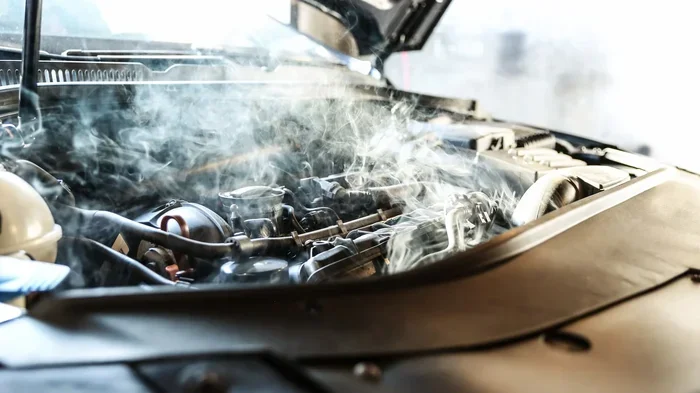
There is nothing more alarming than seeing steam billow from under your hood. You are driving along, maybe on a warm day or stuck in traffic, and suddenly your temperature gauge spikes into the red zone. Your car is running hot, and if you do not act fast, you could face a very expensive repair bill.
What makes a car run hot is a question every driver should know the answer to. Your engine produces a tremendous amount of heat during normal operation. The cooling system is designed to manage that heat and keep everything running at a safe temperature. When something goes wrong in that system, the results can range from minor inconvenience to total engine failure.
This guide breaks down every major cause of overheating in plain, simple language. We will cover how the cooling system works, what goes wrong, the signs you need to watch for, and exactly what you can do about it. By the end, you will have a clear picture of how to protect your engine and keep it running cool for years to come.
Key Takeaways
- Cooling system failures are the #1 cause: Problems with the radiator, water pump, thermostat, or coolant are the most common reasons what makes a car run hot.
- Early warning signs save you money: Recognizing overheating symptoms early, like steam from the hood or a rising temperature gauge, can prevent engine damage.
- Regular maintenance is your best defense: Simple habits like checking coolant levels and inspecting hoses can keep your cooling system working properly.
- Some causes need professional help: Issues like a blown head gasket or a cracked engine block require a mechanic, not a DIY fix.
- Driving habits matter: Towing heavy loads, idling too long, and driving in extreme heat can all push your engine temperature higher.
- Prevention is always cheaper than repair: Staying on top of cooling system maintenance costs a fraction of what a new engine or cooling system repair will cost.
📑 Table of Contents
- How Your Car Cooling System Works
- What Makes A Car Run Hot: Top Causes
- Overheating Symptoms You Should Never Ignore
- How To Prevent Your Car From Overheating
- Quick Tips for Hot Weather Driving
- When To See a Mechanic
- Common Mistakes Drivers Make That Cause Overheating
- Comparison: Common Overheating Causes and Repair Costs
- Key Takeaways
- Conclusion
How Your Car Cooling System Works
Before we dive into what makes a car run hot, it helps to understand how the cooling system keeps things cool in the first place. Think of it as a loop that moves heat away from your engine and releases it into the air. It is a clever system with several parts working together.
Here is how the basic cooling system operates:
- Coolant circulates through the engine: A water pump pushes coolant through passages inside the engine block. As the coolant flows, it absorbs heat from the engine.
- The radiator cools the fluid down: Hot coolant travels from the engine to the radiator, where air flowing through the radiator fins pulls heat away from the liquid.
- The thermostat regulates temperature: This small valve opens and closes to control coolant flow. When the engine is cold, it stays closed to help the engine warm up faster. When it gets hot, it opens to let coolant flow to the radiator.
- The cooling fan kicks in: When your car is moving slowly or sitting idle, a cooling fan blows air through the radiator to maintain proper cooling.
- The system returns coolant to the engine: Cooled fluid cycles back through the engine to pick up more heat, and the loop continues.
Every part of this system plays a role. If even one component fails, your engine temperature can climb quickly. That is why understanding cooling system repair basics is so important for every car owner.
What Makes A Car Run Hot: Top Causes
Now let us get to the heart of the matter. What makes a car run hot? There are many possible answers, and some causes are more common than others. Let us break them down into the most likely culprits.
Low Coolant Level
This is the single most common reason cars overheat. Coolant is the lifeblood of your cooling system. When the level drops too low, there is not enough fluid to absorb and carry away engine heat. Coolant leaks are the usual suspect behind low levels. These leaks can develop at the radiator, hoses, water pump, or heater core. Even a small leak can cause big problems over time if you do not notice it.
Check your coolant reservoir regularly. If the level is consistently low, you have a leak somewhere that needs attention. A cooling system pressure test can help you find the exact source of the leak.
Faulty Thermostat
The thermostat controls coolant flow based on engine temperature. When it works properly, it opens at the right moment to let coolant reach the radiator. But when a thermostat gets stuck in the closed position, coolant cannot circulate. Heat builds up fast, and your engine starts to overheat.
A stuck thermostat is one of the easiest overheating causes to fix, but it is often overlooked. If your temperature gauge fluctuates wildly or stays in the upper range, a bad thermostat could be the reason.
Water Pump Failure
The water pump is the engine of your cooling system. It pushes coolant through the engine block and hoses. When the water pump fails, coolant stops moving. Without circulation, heat has nowhere to go except back into the engine.
Water pump failure can happen from normal wear and tear, a broken drive belt, or corrosion. Signs of a failing water pump include coolant leaks near the front of the engine, whining noises, and visible steam. If you suspect a water pump issue, get it checked right away.
Radiator Problems
Your radiator does the heavy lifting of cooling down hot coolant. But radiators can develop problems over time. Clogged radiator fins block airflow and reduce cooling efficiency. Internal buildup of rust and sediment can restrict coolant flow. And external damage from road debris can cause leaks.
A radiator that is not working properly is one of the most serious overheating causes because it affects the entire cooling loop. Regular radiator flushes help prevent buildup and keep the system flowing freely.
Cooling Fan Malfunction
Your cooling fan works hard when you are stuck in traffic or idling at a stoplight. It pulls air through the radiator when there is not enough forward motion to do the job naturally. When the fan motor, fan relay, or fan fuse fails, the radiator cannot cool the coolant properly.
If you notice your car overheating at idle or in slow traffic but cooling down when you pick up speed, the cooling fan is a likely suspect. A cooling system repair professional can test the fan motor and electrical connections to pinpoint the problem.
Head Gasket Failure
A blown head gasket is one of the most serious reasons what makes a car run hot. The head gasket sits between the engine block and the cylinder head. It seals the combustion chambers and keeps coolant and oil in their proper channels. When the head gasket fails, combustion gases can leak into the cooling system, creating air pockets that block coolant flow.
Head gasket failure often leads to overheating symptoms like white exhaust smoke, a milky appearance under the oil cap, and bubbles in the coolant reservoir. This is a major repair that requires a skilled mechanic.
Broken or Loose Drive Belt
Your engine drive belt, also called a serpentine belt, powers the water pump and often the cooling fan too. If this belt breaks or becomes loose, the water pump stops spinning, and coolant circulation comes to a halt. Without a working belt, your engine will overheat within minutes.
Inspect your drive belt regularly for cracks, fraying, or glazing. A belt that looks worn should be replaced before it fails. Many mechanics will check the belt condition during every oil change, so ask them to take a look.
Blocked Coolant Passages
Over time, rust, sediment, and old coolant can build up inside the engine cooling passages. These deposits restrict flow and reduce the system ability to carry heat away. Blocked passages are especially common in older vehicles or cars that have not had a coolant flush in a long time.
A full coolant system flush and refill can clear out these deposits and restore proper flow. Most manufacturers recommend a coolant flush every 30,000 to 50,000 miles, but check your owner manual for the specific interval.
Leaking Radiator Hose
Radiator hoses are rubber tubes that carry coolant between the engine and the radiator. They are exposed to extreme heat and pressure, which means they wear out over time. A cracked or swollen radiator hose can leak coolant onto the ground or into the engine bay, leading to a sudden drop in coolant level and engine overheating.
These hoses are cheap and easy to replace, which makes them one of the simplest overheating fixes. Squeeze your hoses during a routine check. If they feel hard, brittle, or spongy, it is time for a replacement.
Overheating Symptoms You Should Never Ignore
Knowing the signs of an overheating engine can save you from a catastrophic breakdown. Here are the most common overheating symptoms to watch for:
- Steam or smoke from under the hood: This is the most obvious sign. Steam pouring out from the engine bay means your coolant is boiling and likely leaking onto hot engine parts.
- Temperature gauge in the red zone: Your dashboard temperature gauge should normally sit in the middle range. If it climbs into the red, pull over safely and turn off the engine.
- Unusual smells from the engine area: A sweet, syrupy smell often means coolant is leaking and hitting hot surfaces. A burning smell could indicate oil overheating.
- Engine power loss or misfiring: When an engine runs too hot, combustion can become irregular, causing rough idling or a noticeable loss of power.
- Coolant warning light on the dashboard: Many modern vehicles have a dedicated coolant temperature warning light. Do not ignore it.
If you notice any of these signs, stop driving safely and let the engine cool down. Continuing to drive an overheating engine can cause warped cylinder heads, cracked engine blocks, and other severe damage.
How To Prevent Your Car From Overheating
Prevention is always better than repair when it comes to engine heat. Here are practical steps you can take to keep your car running at the right temperature.
1. Check Your Coolant Level Regularly
Make it a habit to check your coolant level at least once a month. Look at the coolant reservoir when the engine is cold. The level should be between the minimum and maximum marks. If it is low, top it off with the correct type of coolant for your vehicle. Frequent top-offs often signal a leak that needs professional attention.
2. Flush and Replace Coolant on Schedule
Coolant breaks down over time and loses its ability to absorb heat effectively. Old coolant can also become acidic and damage internal components. Stick to the manufacturer recommended coolant flush schedule. This simple maintenance step goes a long way in preventing overheating.
3. Inspect Hoses and Belts
Take a few minutes to visually inspect your radiator hoses and drive belts during routine car maintenance. Look for cracks, bulges, soft spots, or signs of wear. Catching a worn hose or belt early can prevent the sudden failure that leads to an overheating engine.
4. Keep the Radiator Clean
Debris like leaves, bugs, and dirt can accumulate on the radiator fins and block airflow. Use a soft brush or gentle stream of water to clean the radiator fins from the front of the car. This is especially important before long road trips or during summer driving when temperatures are high.
5. Monitor Your Temperature Gauge
Get into the habit of glancing at your temperature gauge while driving. It should stay steady in the normal range. Any upward trend is worth investigating. Catching a slow temperature rise early gives you time to address the problem before it becomes an emergency.
6. Address Small Problems Immediately
Do not ignore small cooling system issues. A minor coolant leak, a slightly noisy water pump, or a thermostat that seems slow to open can all become major problems if left unchecked. Early intervention is the key to avoiding a blown head gasket or a cracked engine block.
Quick Tips for Hot Weather Driving
Summer heat puts extra stress on your engine cooling system. Here are some quick tips to help your car handle the heat:
- Use your heater to help cool the engine: If your temperature gauge starts climbing, turning on the heater can pull heat away from the engine. It may make the cabin hot, but it can buy you time to pull over safely.
- Avoid prolonged idling in traffic: If you are stuck in stop and go traffic on a hot day, shift into neutral and give the engine a little extra RPM to help the water pump and fan work more effectively.
- Carry extra coolant: Keep a bottle of the correct coolant in your trunk. If you notice a slow leak, you can top off temporarily until you reach a repair shop.
- Watch for the temperature gauge after towing: Towing a trailer or carrying a heavy load generates more heat. Monitor your temperature closely and take breaks on long uphill drives.
When To See a Mechanic
Some overheating problems are simple enough to handle on your own. Topping off coolant, replacing a radiator hose, or swapping out a thermostat are jobs most DIYers can manage. But other causes require a professional mechanic.
You should see a mechanic right away if you experience any of the following:
- Steam or coolant leaking from under the hood
- The temperature gauge reaches the red zone repeatedly
- You hear knocking or pinging sounds from the engine
- White smoke comes from the exhaust tailpipe
- The cooling fan does not turn on when the engine is hot
- You suspect a head gasket failure or internal engine damage
Ignoring these signs can lead to engine overheating damage that costs thousands of dollars to fix. A qualified mechanic can run a full cooling system inspection and identify the root cause quickly.
Common Mistakes Drivers Make That Cause Overheating
Sometimes the reasons what makes a car run hot come down to habits and mistakes drivers make without realizing it. Here are the most common ones:
- Ignoring the temperature gauge: Many drivers pay no attention to the temperature gauge until something goes wrong. Checking it regularly can help you catch problems early.
- Using the wrong coolant type: Not all coolants are the same. Mixing different coolant types can cause chemical reactions that reduce cooling efficiency and damage system components.
- Skipping coolant flushes: Old coolant loses its effectiveness. Skipping scheduled flushes is a leading cause of cooling system buildup and overheating.
- Driving with a small leak: A small coolant leak might seem harmless, but it can quickly become a major problem if the level drops too low. Address leaks immediately.
- Removing the radiator cap on a hot engine: Never open the radiator cap when the engine is hot. The pressurized system can cause hot coolant to spray out and cause serious burns.
Avoiding these mistakes is one of the easiest ways to keep your cooling system healthy and your engine running at a safe temperature.
Comparison: Common Overheating Causes and Repair Costs
Not all overheating causes are created equal when it comes to repair costs. Here is a comparison of common problems and what you can expect to pay for cooling system repair.
| Cause | Severity | Typical Repair Cost |
|---|---|---|
| Low Coolant | Low | Free to $50 (DIY top-off or leak repair) |
| Thermostat Failure | Medium | $100 to $300 |
| Radiator Hose Leak | Low to Medium | $30 to $150 |
| Water Pump Failure | High | $300 to $750 |
| Cooling Fan Failure | Medium | $150 to $400 |
| Radiator Clog or Leak | Medium to High | $200 to $800 |
| Head Gasket Failure | Very High | $1,000 to $2,500+ |
| Blocked Coolant Passages | Medium | $150 to $400 (flush and repair) |
As you can see, the cost of cooling system repair varies widely depending on the cause. The cheapest fix is often the simplest one, which is why regular maintenance and early attention to warning signs are so valuable.
Key Takeaways
- Your cooling system is the key to engine health: The radiator, water pump, thermostat, and coolant all work together to prevent overheating.
- Low coolant is the most common cause: Regular checks and prompt leak repairs can prevent the most frequent overheating problem.
- Watch for warning signs: Steam, a rising temperature gauge, and unusual smells are all signals to pull over and investigate.
- Maintenance prevents major repairs: Flushing coolant, inspecting hoses, and replacing worn belts are simple steps that protect your engine.
- Some causes need a professional: Head gasket failure and internal engine damage require a mechanic, not a DIY fix.
- Driving habits affect engine temperature: Towing, idling in traffic, and extreme heat all increase the risk of overheating.
- Act fast when your car runs hot: The longer you ignore overheating symptoms, the more damage your engine sustains.
Conclusion
What makes a car run hot comes down to one simple truth: your engine produces more heat than your cooling system can handle. Whether the cause is a low coolant level, a broken thermostat, a failed water pump, or a blown head gasket, the result is the same. Your engine temperature rises beyond safe limits, and without quick action, serious damage follows.
The good news is that most overheating problems are preventable. Regular maintenance, attentive driving, and a willingness to address small issues early can keep your cooling system working the way it should. Check your coolant, inspect your hoses and belts, and never ignore the signs of an engine running too hot.
Your car depends on a healthy cooling system to keep it running. Take care of it, and it will take care of you. Stay cool out there.
Frequently Asked Questions
What are the first signs that my car is overheating?
The first signs include steam or smoke coming from under the hood, a temperature gauge that climbs into the red zone, a sweet smell from the engine area, and coolant warning lights on your dashboard. If you notice any of these, pull over safely and turn off the engine as soon as possible.
Can I keep driving if my car is running hot?
No, you should not keep driving if your car is running hot. Continuing to drive an overheating engine can cause warped cylinder heads, cracked engine blocks, and other severe damage. Pull over, turn off the engine, and let it cool down before investigating the cause or calling for help.
How often should I flush my coolant?
Most vehicle manufacturers recommend a coolant flush every 30,000 to 50,000 miles. However, the exact interval depends on your vehicle make, model, and the type of coolant you use. Check your owner manual for the recommended schedule for your specific car.
Is it safe to add coolant myself?
Yes, adding coolant yourself is safe as long as the engine is completely cool. Never open the radiator cap when the engine is hot because the pressurized system can spray hot coolant and cause burns. Always use the correct type of coolant for your vehicle.
How much does it cost to fix an overheating car?
The cost varies widely depending on the cause. Simple fixes like topping off coolant or replacing a radiator hose cost very little, while major repairs like a water pump or head gasket replacement can run several hundred to several thousand dollars. Early diagnosis and repair keep costs lower.
Can a dirty radiator cause my car to overheat?
Yes, a dirty or clogged radiator can absolutely cause overheating. Dirt, bugs, and sediment can block airflow through the radiator fins or restrict coolant flow inside the unit. Regular cleaning and periodic radiator flushes help prevent this common problem.