Can You Trade In a Damaged Car Yes Here Is How It Works
Yes, you can trade in a damaged car, and it is easier than most people think. The trade-in process for a damaged vehicle involves extra steps and realistic expectations, but dealerships accept damaged cars every day. This guide walks you through the entire trade-in process, from appraisal to negotiation, so you can get the best possible trade-in value.
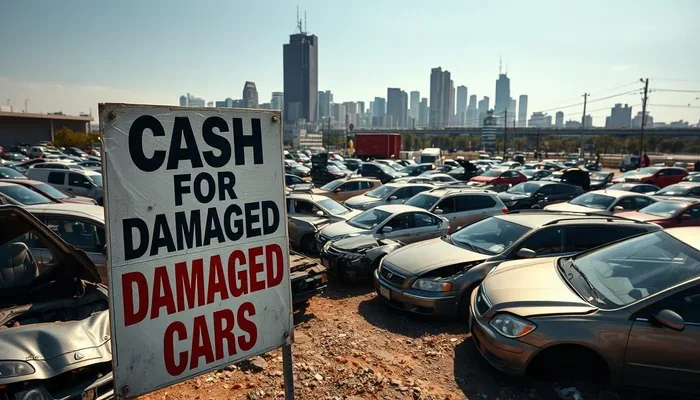
So you have a damaged car sitting in your driveway, and you are wondering if you can actually trade it in. The short answer is yes. You can trade in a damaged car, and many dealerships accept vehicles in less-than-perfect condition every single day. Whether your car has cosmetic damage, mechanical damage, or something more serious, there is a path forward.
Trading in a damaged car is different from a standard trade-in, though. The trade-in process involves extra steps, different expectations, and sometimes a lower trade-in value. But with the right knowledge and preparation, you can still walk away with a solid deal. This guide covers everything you need to know about trading in a damaged car, from how dealerships evaluate your vehicle to the pros and cons of different options.
Let us break it all down so you feel confident and prepared when you visit the dealership.
Key Takeaways
- Trading in a damaged car is absolutely possible: Dealerships accept vehicles with cosmetic, mechanical, and even structural damage regularly.
- The appraisal process is thorough: Dealers inspect the exterior, interior, engine, and frame before making a trade-in offer.
- Salvage and rebuilt titles are accepted by some dealers: Expect a lower trade-in value and do your research beforehand.
- Get multiple offers before committing: Trade-in values vary widely between dealerships, so shop around for the best deal.
- Honesty is essential: Disclose all damage upfront to avoid deal breakdowns and build trust with the dealer.
- Consider your alternatives: Selling privately may earn more, but trading in is faster and less stressful for most people.
- Preparation makes a big difference: Gather documents, fix small issues, and research your car’s value before visiting a dealership.
📑 Table of Contents
- What Happens When You Trade In a Damaged Car
- How Dealerships Evaluate Damaged Vehicles
- Can You Trade In a Car With a Salvage Title
- Steps to Trade In Your Damaged Car
- Trade In a Damaged Car vs. Selling It Privately
- Common Mistakes to Avoid When Trading In a Damaged Car
- Expert Tips to Maximize Your Trade-In Value
- Conclusion
What Happens When You Trade In a Damaged Car
When you bring a damaged vehicle to a dealership, the process starts differently than with a regular trade-in. The dealer will inspect your car carefully and assess the vehicle condition before making any offer. Understanding this process helps you set realistic expectations and avoid surprises.
How Dealerships Handle Damaged Vehicles
A dealership appraisal for a damaged car involves several steps. The appraiser will look at the exterior, interior, engine, and frame. They check for cosmetic damage like dents, scratches, and paint damage. They also inspect for mechanical damage such as engine problems, transmission issues, or frame structural damage.
The appraiser will also check your car equity. This is the difference between what your car is worth and what you still owe on the loan. If your car is worth more than what you owe, you have positive equity. If you owe more, you are in negative equity, which can complicate the trade-in.
Dealerships also look at the car depreciation rate. Cars lose value over time, and damage accelerates this loss. A damaged car depreciates faster than one in good shape, which directly affects the trade-in allowance you receive.
What Kind of Damage Affects Trade-In Value
Not all damage is treated the same way. Here are the main types of damage that dealerships consider:
- Cosmetic damage – dents, scratches, and paint chips that do not affect the car’s function
- Mechanical damage – problems with the engine, transmission, brakes, or other internal systems
- Structural damage – frame or chassis damage from accidents
- Water damage – flooding or moisture damage that affects electronics and interior
- Fire damage – smoke or heat damage to the interior and engine
Cosmetic damage usually has the smallest impact on your trade-in value. Mechanical and structural damage can significantly reduce what the dealership is willing to offer. Water damage and fire damage are often the most damaging to trade-in value because they are harder and more expensive to repair.
Quick Tips Before Your Appraisal
- Get a full inspection of your car before visiting the dealership
- Know the difference between cosmetic and mechanical damage
- Research your car’s resale value on sites like Kelley Blue Book or Edmunds
- Bring all maintenance records to show the car has been well cared for
- Clean the car thoroughly inside and out before the appointment
How Dealerships Evaluate Damaged Vehicles
Understanding how a dealership appraisal works can help you feel more prepared. Dealers use specific criteria to determine the trade-in value of a damaged vehicle.
The Appraisal Process Step by Step
When you bring your damaged car to a dealership, here is what typically happens:
- The appraiser does a visual inspection of the exterior and interior
- They test drive the vehicle to check mechanical performance
- They run a vehicle history report using the VIN
- They compare your car to similar models in their inventory
- They calculate a trade-in offer based on all findings
The entire process usually takes about 30 to 60 minutes. Be honest about the damage. Hiding problems can lead to the offer being reduced later or even the deal falling through.
Factors That Determine Your Car’s Value
Several factors go into calculating the trade-in value of a damaged car:
- Vehicle age – newer cars hold value better than older ones
- Mileage – lower mileage means higher value
- Damage severity – minor damage costs less to fix, so the value drops less
- Repair costs – dealers estimate what it would cost to fix the damage
- Market demand – popular models in high demand get better offers
- Service history – well-maintained cars with records fetch higher prices
The key thing to remember is that the dealership is not buying your car to keep it. They are buying it to repair and resell it. So they will offer you less than what the car could sell for after repairs. This is their profit margin.
Expert Insights
Industry experts recommend getting at least three quotes before committing to a trade-in. “Dealers have different thresholds for damaged vehicles,” says automotive analyst Mark Dawson. “One might take your car while another passes. Shopping around gives you leverage and often results in a better offer.”
Can You Trade In a Car With a Salvage Title
This is one of the most common questions people ask. The answer is yes, but with some important caveats that you should understand before you start the process.
Understanding Salvage and Rebuilt Titles
A salvage title means the insurance company declared the vehicle a total loss vehicle. This usually happens when the insurance payout exceeds the car’s actual cash value. A rebuilt title means the car was repaired and passed a state inspection after being salvaged.
Having a salvage title or rebuilt title makes trading in your car more challenging. Many dealerships will not accept salvage title vehicles at all. Others will accept them but at a significantly reduced value.
What to Expect With a Salvage Title Vehicle
If your car has a salvage title, here is what you should know:
- Most major dealerships will not accept salvage title vehicles
- Smaller or independent dealers may be more willing to take them
- The trade-in value will be much lower than a clean title vehicle
- You may need to provide repair receipts and inspection records
- The car must have passed a state safety inspection to be roadworthy
Some states have specific laws about selling or trading in salvage title vehicles. Check your local lemon law regulations to understand your rights and obligations before you visit a dealership.
Quick Tips for Salvage Title Vehicles
- Always disclose the salvage title status upfront to avoid deal breakdowns
- Get a pre-trade-in inspection from a trusted mechanic
- Keep all repair documentation organized and ready to share
- Consider selling to a specialty buyer who handles salvage vehicles
Steps to Trade In Your Damaged Car
Now that you know what to expect, here is how to actually go through the trade-in process step by step. Following these steps will help you get the best possible outcome.
Step 1: Gather Your Documents
Before you visit any dealership, make sure you have the right paperwork ready. Being organized shows the dealership you are serious and speeds up the process:
- Your car title (clean, salvage, or rebuilt)
- Valid government-issued ID
- Loan information if you still owe money
- Maintenance and repair records
- Insurance documents
- Any receipts for recent repairs or damage fixes
Having all your documents ready shows the dealership you are organized and serious. It also speeds up the process considerably and gives the appraiser confidence in your vehicle’s history.
Step 2: Get Multiple Trade-In Offers
Do not just go to one dealership and accept their first offer. Car trade-in value can vary widely from dealer to dealer. Here is how to get the best offers:
- Visit at least three different dealerships
- Use online trade-in value estimators like those on CarGurus or AutoTrader
- Call ahead and ask if they buy damaged vehicles
- Get written offers so you can compare them side by side
Having multiple offers in hand gives you negotiating power. You can use one offer to leverage a better deal at another dealership. Do not settle for the first offer you receive.
Step 3: Negotiate the Best Deal
Negotiation is a normal part of the trade-in process. Here are some tips to help you get the best trade-in allowance:
- Start by asking for a higher amount than what you actually want
- Be upfront about the damage but highlight any recent repairs
- Use competing offers to push the dealer to improve their offer
- Do not be afraid to walk away if the offer is too low
- Consider bundling the trade-in with a new car purchase for better leverage
Remember, the dealership wants your business. They will often work with you to make the trade-in happen. But you need to be willing to negotiate and advocate for yourself.
Quick Tips for a Smooth Trade-In Experience
- Schedule your appointment early in the day when dealers are less busy
- Bring a friend or family member for a second opinion
- Do not let the dealer rush you into signing anything
- Read all paperwork carefully before signing
- Ask about any additional fees or charges before finalizing
Trade In a Damaged Car vs. Selling It Privately
When you have a damaged car, you have two main options: trade it in at a dealership or sell it privately. Each approach has its advantages and disadvantages. Let us compare them side by side.
| Feature | Trade-In at Dealership | Sell Privately |
|---|---|---|
| Convenience | Fast and easy, done in one visit | Takes more time and effort |
| Payout Amount | Lower, but immediate | Higher potential payout |
| Effort Level | Minimal, dealer handles paperwork | You handle listings, showings, and negotiations |
| Repair Costs | Dealer factors repair costs into offer | You may need to repair before selling |
| Risk Level | Low risk, guaranteed transaction | Higher risk, no guarantee of sale |
| Best For | Quick sale, no hassle | Maximum profit, willing to invest time |
For most people, trading in a damaged car at a dealership is the easier path. Selling privately can net you more money, but it requires more time, effort, and patience. If your car has significant mechanical damage or safety issues, a dealership trade-in is often the better choice because the dealer handles all the logistics.
Expert Insights
According to automotive finance expert Sarah Chen, “If the damage is primarily cosmetic, selling privately can earn you 15 to 25 percent more than a trade-in offer. But if the car has serious mechanical or structural issues, the trade-in route saves you time and headache.”
Think about your own situation. Do you need cash quickly? Are you not comfortable dealing with private buyers? If so, the dealership route makes the most sense. If you have the time and your car is mostly cosmetic damage, selling privately could be worth the extra effort.
Common Mistakes to Avoid When Trading In a Damaged Car
Trading in a damaged car comes with its own set of pitfalls. Avoiding these common mistakes can save you money, time, and a lot of stress.
Overestimating Your Car’s Value
One of the biggest mistakes is assuming your damaged car is worth more than it actually is. Car depreciation is real, and damage accelerates it. Before you walk into a dealership, check your car’s actual market value using tools like Kelley Blue Book, Edmunds, or NADA Guides. Be realistic about what a damaged vehicle is worth.
Remember, the dealership needs to profit from reselling your car. They will offer you less than the retail price, sometimes significantly less if the damage is extensive. Setting realistic expectations keeps the process smooth and avoids disappointment.
Not Disclosing the Damage
Some sellers try to hide damage to get a better offer. This is a huge mistake. Dealerships have experienced appraisers who will find hidden problems. If they discover damage you did not disclose, they may lower the offer or cancel the deal entirely.
Being honest from the start builds trust and often leads to a fairer trade-in offer. It also protects you legally if any issues come up after the sale. Transparency is always the best policy.
Ignoring Your Loan Balance
If you still owe money on your car loan, the trade-in process becomes more complex. The dealership will pay off your remaining loan balance as part of the trade-in. If your car is worth less than what you owe, you have negative equity. This negative balance usually gets rolled into your new car loan, which means you pay more over time.
Before trading in, calculate your exact loan payoff amount and compare it to the expected trade-in offer. This helps you understand your true financial position and avoid unpleasant surprises.
Skipping the Research Phase
Many people walk into a dealership without knowing their car’s value. This puts you at a disadvantage. Do your homework ahead of time. Check online valuations, read reviews of local dealerships, and understand the current market for your specific make and model. Knowledge is power when negotiating.
Expert Tips to Maximize Your Trade-In Value
You can take specific steps to get the most money possible when trading in a damaged car. These small efforts can add up to a meaningful difference in your final offer.
- Fix small issues before the appraisal – a new windshield or fresh paint can add hundreds of dollars to your offer
- Clean the car thoroughly – a detailed interior makes a big impression on appraisers
- Bring all maintenance records – proof of regular service increases perceived value
- Time your trade-in strategically – end of month or end of model year deals often bring better offers
- Get a pre-appraisal from a trusted mechanic – knowing your car’s condition helps you negotiate with confidence
- Highlight any recent repairs – new parts or recent fixes show the car has been well maintained
- Research the dealer’s inventory needs – if they need your car model, you have more leverage
These small efforts can make a real difference in your final trade-in allowance. Every little bit helps when you are working with a damaged vehicle. The more prepared you are, the better your outcome will be.
Conclusion
So, can you trade in a damaged car? Absolutely yes. The trade-in process for a damaged vehicle requires a bit more preparation and realistic expectations, but it is entirely doable. Whether your car has cosmetic damage, mechanical damage, or even a salvage title, dealerships across the country accept damaged cars every day.
The key is to do your homework. Know your car’s value, gather your documents, get multiple offers, and negotiate confidently. Avoid common mistakes like hiding damage or overestimating your car’s worth. And remember, trading in might not always give you the highest payout, but it is the fastest and easiest path to getting a new vehicle.
Now that you understand how trading in a damaged car works, you are ready to take action. Visit your local dealership, get your offer, and drive away in a car that is better than the one you came with. The process is simpler than you think, and the results can be very rewarding.
Frequently Asked Questions
Can I trade in a car that was in an accident?
Yes, you can trade in a car that was in an accident. Most dealerships accept accident-damaged vehicles. The trade-in value will depend on the severity of the damage, repair costs, and the car’s overall condition. Be honest about the accident history during the appraisal process.
Will trading in a damaged car affect my credit?
Trading in a damaged car itself does not directly affect your credit score. However, if you have negative equity on your damaged car and it gets rolled into a new loan, your loan amount increases. A higher loan balance can indirectly impact your credit utilization and monthly payment obligations.
Can I trade in a car with engine damage?
Yes, you can trade in a car with engine damage, but expect a lower trade-in offer. Dealerships will estimate the cost of engine repairs and deduct that from the vehicle’s value. Some dealers may not accept cars with severe engine damage, so it helps to get multiple quotes.
How much less is a damaged car worth at trade-in?
The reduction in trade-in value depends on the type and severity of the damage. Minor cosmetic damage might reduce value by 10 to 20 percent. Major mechanical or structural damage can reduce value by 40 to 60 percent or more. Getting multiple offers gives you a clearer picture of your car’s actual trade-in worth.
What if I owe more than my damaged car is worth?
If you owe more than your damaged car is worth, you have negative equity. The dealership will pay off your loan as part of the trade-in, but the remaining balance gets rolled into your new car loan. This means you pay interest on the negative equity over time, making your new loan more expensive.
Can I trade in a flooded car?
Trading in a flooded car is possible but challenging. Most major dealerships will not accept flood-damaged vehicles. Independent dealers or specialty buyers may take them at a significantly reduced value. Flood damage often affects electronics and safety systems, which makes these cars risky for dealers to resell.