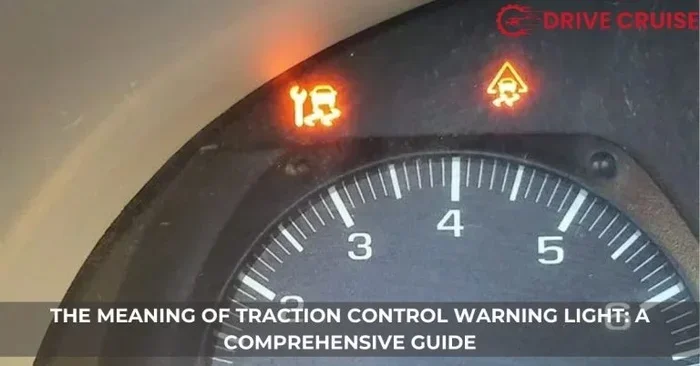
What Causes the TRAC Off Light to Come On While Driving
The TRAC Off light is a dashboard warning that signals a problem with your vehicle’s traction control system. Common causes include a faulty wheel speed sensor, low brake fluid, a bad ABS module, or a steering angle sensor issue. Ignoring this light can reduce safety, especially on wet or icy roads.
You are cruising down the highway, minding your own business, when suddenly a little warning light pops up on your dashboard. It says TRAC Off. If you have ever seen this, you know it can feel a bit unsettling. What does it mean? Is your car about to break down? Should you pull over right now? The TRAC Off light is one of those dashboard warnings that can make any driver feel confused and worried. But here is the good news. In most cases, the cause is something simple and fixable.
This article will walk you through everything you need to know about the TRAC Off light. We will cover the most common reasons it comes on, what it means for your vehicle, and how to address the problem. Whether you drive a Toyota, Honda, Ford, or any other brand, the traction control system works similarly across most modern cars. By the end of this guide, you will understand what is happening under the hood and feel confident about your next steps.
Key Takeaways
- Faulty Wheel Speed Sensor: The most common reason the TRAC Off light activates. A bad sensor sends incorrect data to the traction control module.
- Low Brake Fluid or ABS Issues: Problems with the ABS system directly trigger the TRAC Off warning since both systems share components.
- Steering Angle Sensor Malfunction: When this sensor loses calibration, the stability and traction systems may shut down.
- Manual TRAC Off Button: Many drivers accidentally press the TRAC Off button on the dashboard, which disables the system.
- Wiring or Electrical Problems: Damaged wires, corroded connectors, or a failing traction control relay can cause the light to stay on.
- Ignoring the Light Is Risky: Driving without traction control increases the chance of losing vehicle control on slippery surfaces.
📑 Table of Contents
- What Does the TRAC Off Light Mean?
- Common Reasons the TRAC Off Light Comes On
- What to Do When the TRAC Off Light Comes On
- Is It Safe to Drive with the TRAC Off Light On?
- How to Prevent the TRAC Off Light from Coming On
- TRAC Off Light vs. Other Dashboard Warning Lights
- Quick Tips for Dealing with the TRAC Off Light
- Expert Insights on TRAC Off Light Problems
- Key Takeaways
What Does the TRAC Off Light Mean?
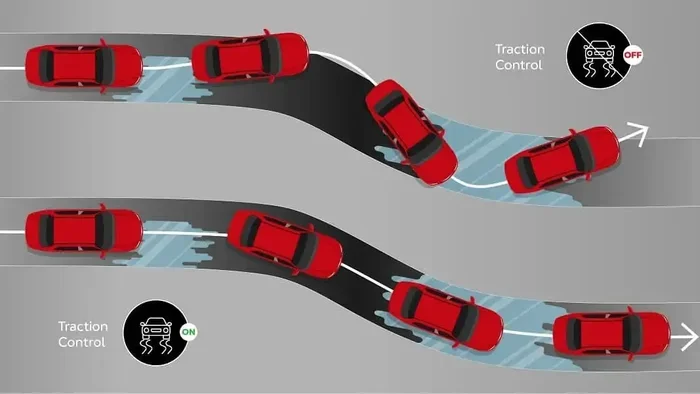
The TRAC Off light is part of your car’s traction control system. This system helps your tires maintain grip on the road, especially when surfaces are wet, icy, or uneven. When the system detects a loss of traction, it can reduce engine power or apply the brakes to individual wheels. This keeps the car stable and prevents spinning.
When the TRAC Off warning light illuminates on your dashboard, it means the traction control system has been deactivated or has detected a malfunction. The light usually looks like a car with squiggly lines behind it, or it may simply read TRAC OFF. It often appears alongside the check engine light or the ABS warning light, since all three systems share sensors and components.
There are two main reasons the TRAC Off indicator might appear. The first is that you or someone else pressed the traction control button manually, turning the system off. The second is that the car’s computer detected a fault in the stability control system and shut it down as a safety measure. Understanding which situation you are in is the first step to fixing the problem.
How the Traction Control System Works
Your car’s traction control system relies on several sensors working together. The wheel speed sensors monitor how fast each wheel is spinning. The ABS module reads this data and compares it to the car’s overall speed. If one wheel is spinning faster than the others, the system kicks in to slow that wheel down or reduce engine power.
The electronic stability control system builds on this by also monitoring steering input and yaw rate. This helps the car stay on its intended path during sharp turns or sudden maneuvers. When any of these sensors or modules fail, the TRAC Off light often comes on as a warning.
Common Reasons the TRAC Off Light Comes On
Several issues can trigger the TRAC Off warning light. Some are minor and easy to fix. Others require professional attention. Let us break down the most common causes.
Faulty Wheel Speed Sensor
The wheel speed sensor is the number one culprit when the TRAC Off light appears. Each wheel has a sensor that measures its rotational speed. Over time, these sensors can wear out, get dirty, or suffer damage from road debris. When a sensor fails or sends inaccurate data, the traction control module cannot do its job properly.
Symptoms of a bad wheel speed sensor include:
- The TRAC Off light stays on constantly
- The ABS light also comes on
- Unstable behavior during hard braking
- Inconsistent traction control performance
Replacing a faulty wheel speed sensor is usually straightforward and affordable. Most mechanics can do it in under an hour. The part itself typically costs between 50 and 100 dollars, depending on your vehicle model.
Low Brake Fluid Level
Your traction control system and braking system are closely linked. When your brake fluid level drops too low, the car’s computer may disable the traction control as a precaution. Low brake fluid can indicate a leak in the system, worn brake pads, or a failing brake line.
If you notice the TRAC Off light along with a brake warning, check your brake fluid reservoir immediately. The fluid should be between the minimum and maximum marks. If it is low, top it off and watch for leaks. If the fluid continues to drop, have a mechanic inspect the braking system right away.
ABS Module Failure
The ABS module is the brain behind your anti-lock braking and traction control systems. When the module develops a fault, it can send error codes that trigger both the ABS light and the TRAC Off indicator. ABS module failures are less common but more serious.
Signs of a failing ABS module include:
- Intermittent TRAC Off light
- ABS malfunction warnings
- Unusual clicking or grinding noises during braking
- Brakes feeling unresponsive or locking up unexpectedly
Repairing or replacing an ABS module can be expensive, often ranging from 300 to 1,000 dollars or more. However, in many cases, a simple ABS module reset or cleaning of the connectors resolves the issue. A diagnostic scan tool can read the specific trouble codes and help pinpoint the exact problem.
Steering Angle Sensor Calibration Issues
The steering angle sensor tells the car’s computer exactly how much you are turning the steering wheel. This information is critical for the electronic stability control and traction control systems. If the sensor becomes misaligned or loses calibration, the car may disable the traction system entirely.
This issue often occurs after a steering column repair, an alignment, or after disconnecting the battery. The fix usually involves a steering angle sensor recalibration using a specialized diagnostic tool. Many dealerships and qualified auto shops can perform this procedure quickly and at a reasonable cost.
Manual Traction Control Deactivation
Sometimes the simplest explanation is the correct one. Many vehicles have a TRAC Off button on the dashboard or center console. Accidentally pressing this button will disable the traction control system and illuminate the TRAC Off warning light. This is especially common in Toyota vehicles, where the button is clearly labeled.
If you or a passenger bumped the button, simply press it again to reactivate the system. The light should turn off within a few seconds of restarting the engine. If the light stays on even after reactivating the system, there is likely a deeper issue at play.
Wiring and Electrical Problems
Modern cars rely on complex networks of wires and connectors. Over time, corrosion, heat, and vibration can damage the wiring that connects the traction control sensors to the main computer. A damaged wire or loose connector can send false signals, causing the TRAC Off light to come on.
Common electrical issues include:
- Corroded sensor connectors
- Frayed or chafed wiring harnesses
- A blown traction control fuse
- Failed traction control relay
These problems require a thorough inspection of the electrical system. A mechanic with experience in automotive diagnostics can trace the issue and recommend the right repair.
What to Do When the TRAC Off Light Comes On
Seeing the TRAC Off light on your dashboard can be stressful, but staying calm is important. Here is a step-by-step approach to handling this situation.
Step 1: Check for Other Warning Lights
Look at your dashboard carefully. Are there other lights on besides the TRAC Off indicator? If the check engine light, ABS light, or brake warning light is also on, the issue may be more serious. Multiple warning lights often point to a shared component failure, such as a bad wheel speed sensor or ABS module problem.
Step 2: Check the TRAC Off Button
Before assuming the worst, check if the traction control button was accidentally pressed. Simply press it again to toggle the system back on. Restart the engine and see if the light goes away. This simple step solves the problem more often than people realize.
Step 3: Inspect Brake Fluid
Open the hood and locate the brake fluid reservoir. Check the fluid level. If it is low, top it off with the correct type of brake fluid for your vehicle. Watch for any visible leaks around the brake lines, calipers, or master cylinder.
Step 4: Use a Diagnostic Scanner
If the light persists, the next best step is to use an OBD2 diagnostic scanner. This tool plugs into your car’s diagnostic port and reads trouble codes stored in the computer. These codes tell you exactly which sensor or system is causing the problem. Many auto parts stores offer free diagnostic scanning, so you do not have to buy a scanner yourself.
Step 5: Visit a Qualified Mechanic
If you are unable to identify the cause, take your car to a trusted mechanic. Describe the symptoms in detail and mention when the TRAC Off warning light first appeared. A professional traction control diagnostic can quickly identify the root cause and recommend the appropriate repair.
Is It Safe to Drive with the TRAC Off Light On?
This is one of the most common questions drivers ask. The short answer is: it depends. If the TRAC Off light came on because you manually turned off the system, it is generally safe to drive. The traction control is simply disabled, and your car will behave like a standard vehicle without electronic assistance.
However, if the light came on due to a system malfunction, driving without traction control can be risky, especially in certain conditions. Without traction control, your wheels are more likely to spin on wet roads, gravel, ice, or snow. This can lead to loss of control, particularly during acceleration or sharp turns.
Here are some situations where driving with the TRAC Off light on is especially dangerous:
- Driving on icy or snowy roads
- Navigating steep or winding hills
- Driving at high speeds on wet highways
- Making sudden evasive maneuvers
If you must drive with the traction control deactivated, reduce your speed, increase your following distance, and avoid sudden acceleration. Treat the road conditions with extra caution until you can get the system repaired.
How to Prevent the TRAC Off Light from Coming On
Prevention is always better than repair. While you cannot prevent every issue, regular maintenance can significantly reduce the chances of the TRAC Off warning light appearing unexpectedly.
Keep Up with Routine Maintenance
Regular oil changes, brake inspections, and fluid checks go a long way in keeping your traction control system healthy. Ask your mechanic to inspect the wheel speed sensors and wiring during routine service appointments.
Address Warning Signs Early
If you notice any unusual behavior from your vehicle, such as intermittent ABS warnings or unstable braking, do not ignore it. Early detection of traction control problems can prevent more expensive repairs down the road. A small sensor replacement is far cheaper than a full ABS module overhaul.
Keep Sensors Clean
The wheel speed sensors are exposed to road conditions, mud, and debris. Periodically cleaning the sensor areas during car washes or routine maintenance can help prevent false readings and extend the life of the sensors.
Use Quality Parts and Fluids
When replacing components related to the stability control system, always use quality parts that meet or exceed OEM specifications. Cheap aftermarket sensors may save money upfront but can fail prematurely, causing the TRAC Off light to return.
TRAC Off Light vs. Other Dashboard Warning Lights
It is easy to confuse the TRAC Off indicator with other warning lights on your dashboard. Understanding the differences can help you respond appropriately.
| Warning Light | System Affected | Common Cause | Urgency Level |
|---|---|---|---|
| TRAC Off | Traction Control | Sensor fault or manual deactivation | Moderate |
| ABS Light | Anti-Lock Braking | ABS module or sensor failure | High |
| Check Engine Light | Engine Management | Emissions, sensor, or fuel issue | Variable |
| Brake Warning Light | Braking System | Low fluid, parking brake, or worn pads | High |
| ESP Light | Electronic Stability Program | Shared with traction control faults | Moderate to High |
As you can see, the TRAC Off light is moderately urgent. It does not mean your car will stop working immediately, but it does mean you are missing an important safety feature. Address the issue promptly to maintain full vehicle safety and performance.
Quick Tips for Dealing with the TRAC Off Light
Here are some practical tips to keep in mind when the TRAC Off warning light appears:
- Do not panic. Most causes are simple and fixable.
- Check the TRAC Off button first. It is the easiest fix.
- Never ignore the light for extended periods. Early repair saves money.
- Use an OBD2 scanner to read trouble codes before visiting a mechanic.
- Keep your brake fluid at the proper level as part of regular maintenance.
- Drive cautiously if the traction control is disabled until the issue is resolved.
- Save all diagnostic trouble codes and share them with your mechanic for faster diagnosis.
Expert Insights on TRAC Off Light Problems
Experienced automotive technicians see the TRAC Off light more often than most people realize. According to industry data, the wheel speed sensor is responsible for the majority of traction control warnings. Modern vehicles have dozens of sensors and modules that communicate constantly. When one sensor sends incorrect data, the entire stability control network can be affected.
Many experts recommend keeping a basic OBD2 diagnostic scanner at home. These devices have become affordable and can save you time and money by identifying the exact problem before you visit a repair shop. Understanding diagnostic trouble codes empowers you to make informed decisions about your vehicle’s maintenance.
Another common expert tip is to never ignore a TRAC Off light that comes on alongside other warning lights. When multiple systems are affected simultaneously, the root cause is often a shared component such as the ABS module, a wiring harness issue, or a main computer fault. These situations require professional diagnosis and should not be delayed.
Key Takeaways
- The TRAC Off light indicates a problem with your vehicle’s traction control system or a manual system shutdown.
- A faulty wheel speed sensor is the most common cause of the TRAC Off warning.
- Low brake fluid, ABS module failure, and steering angle sensor issues can also trigger the light.
- Accidentally pressing the TRAC Off button is a frequent and easily fixable cause.
- Driving without traction control reduces safety, especially on wet or icy roads.
- Regular maintenance and early attention to warning signs can prevent most TRAC Off light issues.
Frequently Asked Questions
Can I drive my car if the TRAC Off light is on?
In most cases, you can still drive the car, but you should exercise extra caution. Without traction control, your vehicle is more likely to lose grip on slippery surfaces. If the light came on due to a malfunction rather than a manual button press, have the system inspected as soon as possible.
How much does it cost to fix the TRAC Off light?
The cost varies widely depending on the cause. A simple wheel speed sensor replacement might cost 100 to 200 dollars. More complex issues like an ABS module repair can range from 300 to 1,000 dollars or more. A diagnostic scan is the best first step to get an accurate estimate.
Will the TRAC Off light turn off by itself?
If the underlying issue is minor, such as a temporary sensor glitch, the light may turn off after a few drive cycles or a system reset. However, if the problem persists, the light will stay on and the system will remain disabled until the fault is repaired.
What is the difference between TRAC Off and ESP off?
TRAC Off refers to the traction control system, which manages wheel spin during acceleration. ESP off refers to the electronic stability program, which helps maintain control during steering maneuvers. Both systems share sensors and often trigger each other’s warning lights when a fault is detected.
Can a dead car battery cause the TRAC Off light to come on?
Yes. A weak or dying battery can cause voltage fluctuations that confuse the car’s computer. This can trigger various warning lights, including the TRAC Off indicator. If the light appeared after a battery issue, having the battery tested and the system reset may resolve the problem.
How do I reset the TRAC Off light after repairing the issue?
After the repair is complete, you can reset the light by disconnecting the car battery for 15 to 30 minutes and then reconnecting it. Alternatively, a mechanic can use a diagnostic scanner to clear the trouble codes. If the underlying issue was properly fixed, the light should not return.
=== CONCLUSION ===
The TRAC Off light is your car’s way of telling you that something is not right with the traction control system. Whether it is a simple button press, a dirty sensor, or a more complex electrical issue, understanding the cause puts you in a much better position to address it. Ignoring this warning light can compromise your safety, especially in challenging road conditions.
The most important takeaway is to act promptly. Check the TRAC Off button, inspect your brake fluid, and use a diagnostic scanner to read any trouble codes. If the problem is beyond your expertise, take your vehicle to a qualified mechanic. Keeping your traction control system in good working order ensures safer driving for you and everyone on the road.
Stay proactive with your vehicle maintenance, pay attention to dashboard warnings, and never underestimate the importance of a functioning stability control system. Your car is a complex machine, and these warning lights exist to protect you. Respect them, and they will help keep you safe on every journey.