What Car Brand Depreciates The Most?
So, what car brand depreciates the most? Brands like BMW, Mercedes-Benz, and Genesis tend to lose value the fastest, with some models dropping over 50% in just three years. Understanding car depreciation helps you make smarter buying decisions and avoid costly mistakes. This guide breaks down the worst offenders, explains why they lose value so quickly, and shares practical tips to protect your investment.
Key Takeaways
- BMW and Mercedes-Benz top the list: These luxury brands experience some of the steepest depreciation rates in the automotive market.
- Genesis and Lincoln also depreciate fast: Premium brands with high initial prices tend to lose value rapidly in the first few years.
- Depreciation hits hardest in year one: Most new cars lose 20-30% of their value the moment you drive off the lot.
- Vehicle resale value matters: Choosing a brand with strong value retention saves you thousands over time.
- Smart buying strategies help: Buying used, negotiating hard, and choosing popular models reduce the impact of depreciation.
- Electric vehicles are changing the game: EV depreciation patterns are evolving as the market matures and technology improves.
- Cost of ownership goes beyond the sticker: Fast depreciation affects insurance, trade-in value, and overall financial health.
📑 Table of Contents
- Understanding Car Depreciation and Why It Matters
- Top Car Brands That Depreciate the Fastest
- Why Some Brands Lose Value So Quickly
- Brands That Hold Their Value Best
- How to Minimize Depreciation When Buying a Car
- The Hidden Costs of Fast Depreciation
- Quick Tips to Protect Your Car’s Value
- Expert Insights on Vehicle Depreciation Trends
- Key Takeaways on Car Depreciation
Understanding Car Depreciation and Why It Matters
Car depreciation is the gradual loss of a vehicle’s value over time. It is one of the biggest costs of car ownership that most people overlook. When you buy a new car, it starts losing value the moment you drive it off the lot.
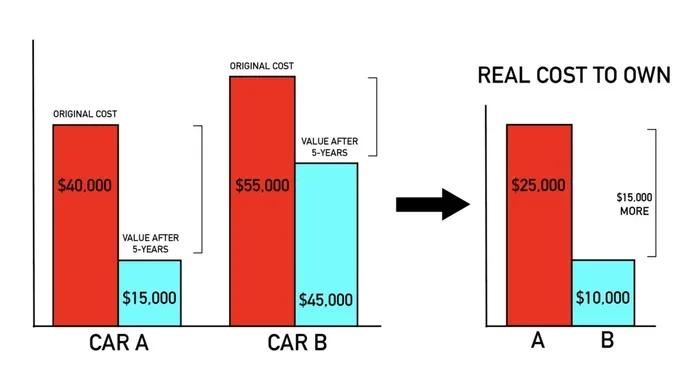
On average, a new car loses about 20-30% of its value in the first year. By year three, that number can reach 40-50%. And by year five, some vehicles have lost over 60% of their original price. This means a car you bought for $40,000 could be worth just $16,000 five years later.
Understanding vehicle value loss is essential for anyone considering a car purchase. It affects your monthly payments, your trade-in offers, and even your insurance costs. The faster a car depreciates, the more money you lose over time.
Not all brands depreciate at the same rate. Some brands hold their value remarkably well, while others see their prices plummet. This guide explores which car brand depreciates the most and why, so you can make a smarter buying decision.
Top Car Brands That Depreciate the Fastest
When we talk about fastest depreciating cars, certain brands stand out. These manufacturers consistently see their vehicles lose value faster than the industry average. Let us break down the top offenders.
BMW: The Luxury Brand with Steep Drops
BMW is often the first name that comes up when discussing car brands that lose value. Many BMW models lose 50-60% of their original value within five years. The brand’s high initial pricing plays a big role here. When a car starts at a premium price, the dollar amount of depreciation is naturally larger.
Popular BMW models like the 3 Series and X5 depreciate quickly because of several factors. The brand releases new models frequently, making older versions feel outdated. Maintenance costs are also higher, which scares off used car buyers. Plus, the luxury vehicle resale market is crowded with gently used BMWs, driving prices down.
Mercedes-Benz: Premium Price, Steep Decline
Mercedes-Benz follows closely behind BMW in the car depreciation rate rankings. Luxury sedans and SUVs from Mercedes can lose over 55% of their value in five years. The brand’s reputation for expensive repairs and maintenance contributes to this rapid decline.
Many buyers choose Mercedes for the prestige and luxury feel. But when it comes time to sell, the used car prices drop significantly. The brand’s complex technology and expensive parts make ownership costly for the second owner, which reduces demand in the automotive depreciation cycle.
Genesis and Lincoln: Premium Brands with a Value Problem
Genesis and Lincoln are interesting cases in the vehicle value loss discussion. Both brands position themselves as luxury alternatives but struggle with car value retention. Genesis models from Hyundai’s luxury division can lose up to 55% of their value in five years.
Lincoln, Ford’s luxury brand, faces similar challenges. Their SUVs and sedans depreciate faster than competitors like Lexus and Acura. The brand lacks the prestige cachet of German luxury names, yet it prices vehicles comparably. This mismatch creates a tough situation for resale value.
Electric and Luxury SUVs: A Special Depreciation Category
SUV depreciation is a growing concern, especially in the luxury segment. High-end SUVs from brands like Cadillac and Jaguar can lose 50% or more of their value within three years. The electric vehicle depreciation trend is also worth watching.
Early electric vehicles from luxury brands experienced some of the steepest drops in the market. Rapid technology changes made older models feel outdated quickly. Battery degradation concerns also affected buyer confidence in the used EV market. However, newer EV models are showing improved value retention as the technology matures.
Why Some Brands Lose Value So Quickly
Understanding why cars depreciate helps you make better choices. Several factors drive rapid vehicle depreciation for certain brands. Let us explore the main reasons.
High Initial Pricing
Brands that start with high sticker prices tend to see larger depreciation numbers. This is simple math. A car that costs $70,000 loses more dollars in the first year than a $30,000 car, even if the percentage is similar. Luxury brands like BMW and Mercedes-Benz face this challenge every time they launch a new model.
The cost of ownership also plays a role. When a brand charges more for maintenance and repairs, buyers in the used market look for better deals elsewhere. This oversupply of used luxury cars drives prices down further.
Frequent Model Updates
Car brands that release new models or major updates every few years create a problem for previous owners. When a new BMW 3 Series launches, the previous generation suddenly looks less desirable. This rapid model cycle accelerates new car depreciation and hurts resale values.
Some brands handle this better than others. Toyota, for example, makes incremental changes that keep older models relevant longer. Brands that make dramatic design or technology changes every generation see faster value drops.
Brand Reputation and Reliability Concerns
Consumer perception matters enormously in the vehicle resale market. Brands known for reliability, like Toyota and Honda, hold their value better. Brands with mixed reliability records struggle more with car value retention.
Maintenance costs also shape brand reputation. If a car brand is known for expensive repairs, buyers in the used market will hesitate. They factor in potential repair bills when making offers, which drives down prices and increases automotive depreciation.
Market Saturation and Oversupply
When too many used cars of a specific brand flood the market, prices fall. This is basic supply and demand. Luxury brands often contribute to this problem by offering generous lease deals. Lease returns create a steady stream of used luxury vehicles, which overwhelms the market and pushes used car prices down.
Brands that sell well new but struggle on the used market face a vicious cycle. High new car sales mean more used inventory in just a few years. This oversupply accelerates depreciation and makes it harder for owners to recoup their investment.
Technology Changes and Obsolescence
Cars today are essentially computers on wheels. Rapid advances in technology make older models feel outdated quickly. Features like infotainment systems, driver assistance, and battery technology evolve fast. A car that feels cutting-edge today can feel behind in just three years.
This is especially true for electric vehicle depreciation. Battery technology improves rapidly, and charging networks expand constantly. Older EVs with limited range or outdated tech lose value faster than their gasoline counterparts. The pace of change in automotive technology is a major driver of car depreciation rate differences between brands.
Brands That Hold Their Value Best
Now that we know which brands struggle with depreciation, let us look at the opposite end. Some brands are masters at car value retention. These manufacturers build vehicles that hold their worth remarkably well.
Toyota and Lexus consistently rank at the top for value retention. Their reputation for reliability makes used models highly desirable. Jeep and Ram also perform well, particularly in the truck and SUV segments. Subaru vehicles, known for their all-wheel-drive systems, also resist depreciation better than most competitors.
When comparing car brands that lose value against those that hold value, the pattern is clear. Reliability, brand trust, and practical appeal matter more than luxury branding when it comes to long-term value. A well-maintained Toyota will often outlast a luxury car in resale value, even if it started at a much lower price.
How to Minimize Depreciation When Buying a Car
You cannot stop car depreciation entirely, but you can slow it down significantly. Smart buyers use specific strategies to protect their investment. Here are practical tips that actually work.
Buy Used Instead of New
The smartest way to avoid the worst of new car depreciation is to buy used. A three-year-old car has already gone through its steepest value drop. You get a nearly new vehicle at a significantly lower price, and the next owner absorbs less of the depreciation hit.
Consider a certified pre-owned vehicle from a reputable brand. You get warranty coverage and a inspected vehicle at a fraction of the new car price. This approach saves thousands in vehicle value loss over time.
Choose Models Known for Reliability
Some cars just hold value better than others. Before you buy, research the vehicle resale market for your target model. Look for brands and models with strong track records for reliability and popularity.
Consumer reports, J.D. Power ratings, and depreciation calculator tools can help you compare models. A car that is in high demand will always depreciate more slowly than one that nobody wants. Popular colors, trim levels, and feature packages also affect how well a car holds its value.
Keep Mileage Low and Maintenance Current
Low-mileage cars always sell for more than high-mileage ones. If you can keep your annual mileage below 10,000 miles, you protect your vehicle’s value significantly.
Regular maintenance is equally important. Keep all service records and receipts. A well-documented maintenance history builds buyer confidence and supports higher resale prices. Never skip oil changes, tire rotations, or scheduled inspections. These small investments pay off when it is time to sell.
Avoid Unnecessary Modifications
Custom modifications can hurt resale value for most buyers. While a custom paint job or aftermarket wheels might appeal to you, they narrow your potential buyer pool. Stick with factory options and standard features whenever possible. If you must modify, choose changes that are easily reversible.
The Hidden Costs of Fast Depreciation
Fast car depreciation costs you more than just the sticker price difference. Many buyers do not realize the full financial impact until it is too late. Understanding these hidden costs helps you see the bigger picture.
First, consider your loan situation. If your car depreciates faster than you pay down the loan, you end up upside down on your car loan. This means you owe more than the car is worth. This situation is common with fast-depreciating luxury brands and can trap you financially.
Insurance costs are another hidden factor. Cars that depreciate quickly still require full coverage when financed, but the vehicle’s actual cash value drops over time. Gap insurance can help bridge this gap, but it adds to your monthly costs. The faster your car loses value, the more you pay in insurance premiums relative to the vehicle’s worth.
Trade-in value suffers too. When you go to upgrade to a new car, the dealer factors in the automotive depreciation of your current vehicle. A car that lost 50% of its value gives you much less to put toward your next purchase. Over a lifetime of car buying, these differences add up to tens of thousands of dollars.
Even your monthly budget feels the impact. A car that depreciates quickly costs more per month when you factor in the total value lost. A $40,000 car that drops to $20,000 in five years effectively costs you $400 per month in lost value alone. Add in loan payments, insurance, and maintenance, and the true cost of ownership becomes clear.
Quick Tips to Protect Your Car’s Value
- Always use a depreciation calculator before buying to understand how much value you will lose.
- Choose neutral colors like white, black, silver, or gray. These sell faster and hold value better.
- Keep your car clean and well-maintained inside and out. First impressions matter at resale.
- Avoid excessive wear and tear by parking in garages and using sunshades.
- Time your sale carefully. Sell before a new model year arrives to avoid sudden value drops.
- Buy cars with proven track records for reliability and popularity in your local market.
- Consider leasing luxury brands if you enjoy driving new cars frequently. Leasing avoids the worst of depreciation.
Expert Insights on Vehicle Depreciation Trends
Industry experts agree that car depreciation patterns are shifting. The rise of electric vehicles, changes in consumer preferences, and economic factors all influence how quickly cars lose value. Understanding these trends helps you stay ahead.
According to recent automotive market data, the average new car now loses about 15-25% of its value in the first year. This is slightly better than historical averages, partly due to supply chain challenges that limited new car availability during recent years. When inventory is tight, used car prices stay higher longer.
However, experts warn that this trend may not last. As new car production increases and the market normalizes, depreciation rates will likely return to historical norms. The brands that depreciate the fastest today will probably continue to struggle with vehicle value loss in the coming years.
One trend that is changing the game is the growing popularity of certified pre-owned programs. These programs offer warranty coverage and quality assurance for used luxury vehicles. They help bridge the gap between new and used, giving buyers more confidence in the vehicle resale market.
Another factor is the increasing use of online car-buying platforms. Sites and apps now provide instant valuations and price comparisons. This transparency puts more power in the hands of buyers and sellers, which can help stabilize used car prices and reduce the worst extremes of automotive depreciation.
Key Takeaways on Car Depreciation
The brands that depreciate the most share common traits. High initial prices, frequent model changes, luxury positioning, and expensive maintenance all contribute to rapid vehicle value loss. BMW, Mercedes-Benz, Genesis, and Lincoln lead the list of brands with the steepest car depreciation rates.
On the flip side, brands like Toyota, Honda, Jeep, and Subaru demonstrate that reliability and practicality beat luxury branding when it comes to holding value. The smartest car buyers focus on long-term value, not just the excitement of a new car smell.
Whether you are buying new or used, understanding car depreciation puts you in a stronger position. You can negotiate better, choose wisely, and avoid the financial traps that fast depreciation creates. The goal is simple: get the most value for your money and lose as little as possible over time.
Take the time to research before you buy. Use a depreciation calculator, compare models, and think about resale value from day one. Your future self will thank you when it is time to sell or trade in your vehicle. Smart car buying is not just about the drive. It is about the entire ownership journey, including what happens when you move on to your next vehicle.
The bottom line is clear. Not all car brands are created equal when it comes to holding value. If you want to minimize automotive depreciation, choose wisely, maintain diligently, and always think about the long game. The best car is one that serves your needs today and still has value tomorrow.
Frequently Asked Questions
Which car brand depreciates the fastest?
BMW consistently ranks as one of the car brands that depreciate the most rapidly. Luxury brands like Mercedes-Benz, Genesis, and Lincoln also experience steep vehicle value loss compared to mainstream manufacturers. These brands lose 50% or more of their original value within five years.
Why do luxury cars depreciate so quickly?
Luxury cars depreciate fast because of their high initial prices, expensive maintenance costs, and frequent model updates. When a new luxury model launches, the previous version loses appeal quickly. The used car market also has an oversupply of luxury vehicles from lease returns, which drives prices down.
How much does a new car depreciate in the first year?
On average, a new car loses 20-30% of its value in the first year. This is known as the steepest part of the car depreciation rate curve. Some fast-depreciating brands can lose even more during this initial period, making the first year the most costly for vehicle value loss.
Can you avoid car depreciation entirely?
No, all cars depreciate to some degree. However, you can significantly slow it down by buying used, choosing reliable brands, keeping mileage low, and maintaining the vehicle properly. Using a depreciation calculator before purchase helps you understand how much value a specific model will lose over time.
Do electric vehicles depreciate faster than gas cars?
Historically, electric vehicles experienced faster depreciation due to rapid technology changes and battery concerns. However, newer EV models are showing improved car value retention as the market matures. Battery technology improvements and expanding charging networks are helping reduce electric vehicle depreciation over time.
What is the best way to protect my car’s resale value?
Keep your car clean, maintain a full service history, avoid excessive mileage, and choose neutral colors. Stick with reliable brands known for strong value retention. If you lease a luxury brand, you avoid the depreciation risk entirely since you return the vehicle at the end of the lease term.
=== CONCLUSION ===
So, what car brand depreciates the most? The answer is clear: luxury brands like BMW, Mercedes-Benz, Genesis, and Lincoln lead the pack when it comes to rapid car depreciation. Their high prices, expensive maintenance, and frequent model changes create a perfect storm for vehicle value loss.
But understanding automotive depreciation gives you the power to make better decisions. Whether you are buying new or used, choosing a brand with strong car value retention saves you real money over time. Smart buyers look beyond the shiny showroom and consider the long-term picture.
Use the tips in this guide to protect your investment. Research before you buy, maintain your vehicle diligently, and always think about resale value. The goal is simple: get the most from your car and lose the least along the way. Apply these insights today, and you will thank yourself the next time you buy or sell a vehicle.