How to Open an Exterior Bonnet in Just a Few Minutes
Opening an exterior bonnet is a simple skill every driver should know. This guide walks you through the entire process in just a few minutes. You will learn the release lever location, safety tips, and how to handle stuck bonnets. We also share maintenance advice to keep your hood working smoothly for years.
Every driver should know how to open an exterior bonnet. It sounds simple, right? But many people get stuck the first time they need to check the engine or add washer fluid. Maybe you just bought a used car and the hood feels different from your old one. Perhaps you are dealing with a stuck latch on a cold winter morning. Whatever the reason, this guide has you covered.
We will walk you through every step clearly and simply. You will learn where the release lever is, how to lift the bonnet safely, and what to do if it gets stuck. We also share practical maintenance tips that save time and money. By the end, you will feel confident opening your exterior bonnet in just a few minutes.
The good news is that most cars follow a similar design. The bonnet release system has not changed dramatically in decades. Whether you drive a sedan, SUV, or hatchback, the basic process is the same. Once you understand the two-step mechanism, you will never struggle again. Let us get started.
Key Takeaways
- Know your release mechanism: The exterior bonnet release lever is usually inside the car, near the driver’s side footwell.
- Two-step process is standard: Most cars require pulling an interior latch, then lifting the bonnet and engaging a secondary safety catch.
- Stuck bonnets are common: Rust, cold weather, or a broken latch can freeze your hood shut. Simple fixes often work.
- Regular maintenance prevents issues: Lubricating hinges and checking the bonnet seal keeps everything running smoothly.
- Safety always comes first: Never work under the bonnet without proper support and precautions.
- Call a pro when needed: If the hood release cable is broken or the latch is severely damaged, seek professional help.
📑 Table of Contents
Understanding Your Exterior Bonnet
Before you try to open anything, it helps to know what you are working with. The exterior bonnet is the hinged cover over the engine compartment. It protects the engine from debris, weather, and dust. Inside the car, a simple latch system keeps it securely shut while you drive.
Most modern cars use a two-part locking system. The first part is the interior release lever. You pull this lever inside the cabin. It releases the primary latch. The second part is the secondary safety catch. This is a small latch on the bonnet edge. It prevents the hood from flying open while driving. You must lift the bonnet slightly and push or pull this catch to fully open it.
What Is a Bonnet Release Lever?
The bonnet release lever is a small handle or cable inside your car. It is almost always located on the driver’s side. You will find it near the floor, below the steering column, or on the left side of the dashboard. Some cars have a pull handle with a bonnet icon on it. Others use a lever that you push or pull toward you.
When you pull this lever, it releases a spring-loaded latch inside the engine bay. You will hear a click or feel the bonnet lift slightly. At this point, the primary lock is released. You then go outside to fully open the hood. This is the standard design across most car brands.
How the Bonnet Hinges Work
The bonnet hinges connect the hood to the car body. They allow the bonnet to pivot upward and downward. Most cars have two or three hinges, one on each side and sometimes one in the center. These hinges are built to support the weight of the bonnet, which can be surprisingly heavy.
Over time, hinges can become stiff or rusty. This is especially common in older cars or vehicles driven in coastal areas where salt air causes corrosion. Regular lubrication keeps hinges moving freely. We will cover this in the maintenance section later in this guide.
Step-by-Step Guide to Opening the Exterior Bonnet
Now let us get into the actual process. Follow these steps carefully, and you will have your bonnet open in under two minutes.
Step 1: Park on a Flat Surface
Always park your car on level ground before opening the bonnet. Turn off the engine and engage the parking brake. This prevents the car from rolling and keeps you safe while working. It also ensures the bonnet latch is under normal tension. Opening the hood on a slope can sometimes make the latch harder to release.
Step 2: Find the Interior Release Lever
Go inside the car and sit in the driver’s seat. Look down and to your left, near the floor. You are searching for a small lever or handle. It usually has a bonnet or car icon printed on it. Some vehicles place the release near the steering column on the left side. If you are unsure, check your owner’s manual. It will show you exactly where the lever is located.
Pull the lever toward you firmly but gently. You should hear a soft click. The bonnet will lift slightly, about one to two inches. This means the primary latch has released. If nothing happens, do not force the lever. We will troubleshoot this later.
Step 3: Go Outside and Lift the Bonnet
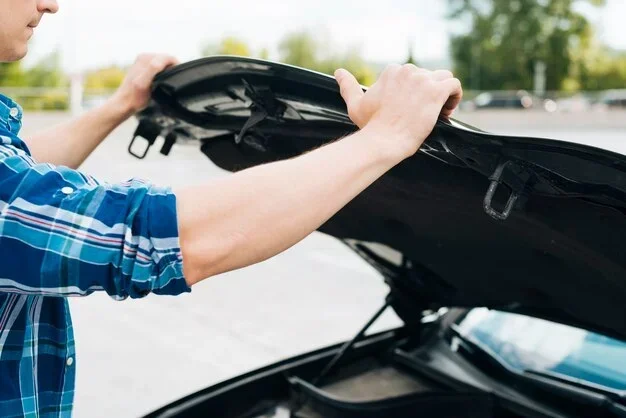
Walk around to the front of the car. Place your fingers into the gap between the bonnet and the front bumper. Most cars have a small groove or indent for this purpose. Push the bonnet upward slightly to disengage the secondary safety catch. Once the catch releases, lift the bonnet all the way up.
Some cars require you to hold a small button or slide a latch while lifting. Refer to your vehicle’s manual if the bonnet feels stuck at this stage. The secondary catch is there for safety, so it is normal for it to need a little extra movement.
Step 4: Secure the Bonnet with the Prop Rod or Gas Strut
Once the bonnet is fully open, you need to hold it in place. Older cars use a metal prop rod. This rod is usually attached to the underside of the bonnet or the inner fender. Slide it into the designated hole on the bonnet to keep it upright. Newer cars use gas struts or hydraulic hood supports. These do the work for you and hold the bonnet at the correct angle automatically.
Never leave the bonnet unattended while it is open and unsupported. A falling bonnet can cause serious injury or damage. Always double-check that the prop rod or gas strut is securely in place before you start working inside the engine bay.
Step 5: Close the Bonnet Properly
When you are done, remove the prop rod or let the gas strut do its job. Lower the bonnet from about waist height. Do not drop it from above. Let it fall gently until it latches. Then press down on the front edge of the bonnet to make sure the latch is fully engaged. You should hear a firm click. Give it a gentle tug to confirm it is secure.
Common Problems When Opening the Exterior Bonnet
Sometimes things do not go as planned. A stuck or jammed bonnet is more common than you might think. Here are the most frequent issues and how to solve them.
The Bonnet Will Not Release Inside the Car
If pulling the interior lever does nothing, the problem could be a broken release cable. The cable connects the lever inside the car to the latch in the engine bay. Over time, cables can stretch, fray, or snap entirely. This is more common in older vehicles or cars with high mileage.
In this case, you have a few options. Many cars have an emergency release located inside the engine bay itself. Look for a small lever or tag near the latch mechanism. Pull it while someone else tries the interior lever. If that does not work, you may need to call a mechanic or roadside assistance.
The Bonnet Is Stuck Due to Rust or Cold Weather
Rust and ice are the two biggest enemies of a smooth bonnet operation. In cold climates, moisture can freeze the latch mechanism overnight. The bonnet may refuse to budge even when you pull the release lever correctly.
For rust-related stiffness, try spraying a penetrating lubricant like WD-40 on the latch and hinges. Wait a few minutes, then try again. For ice, pour warm (not boiling) water over the latch area to melt the frost. Never use force. Forcing a frozen bonnet can damage the latch, hinges, or the bonnet itself.
The Secondary Safety Catch Will Not Release
Sometimes the interior latch works fine, but the bonnet will not lift fully. This usually means the secondary safety catch is stuck. It could be corroded, bent, or simply dirty. A little lubricant and gentle wiggling often solves this problem.
If the catch mechanism is physically damaged, you may need a replacement part. These are usually inexpensive. A mechanic can install a new catch in under an hour. It is a simple repair that does not require a visit to a dealership.
The Bonnet Does Not Stay Open
If your gas strut or prop rod fails, the bonnet will not stay upright. A broken gas strut is the most common cause. The strut loses pressure over time and can no longer support the bonnet weight. Replacing a gas strut is straightforward. You can buy replacement struts online or at auto parts stores for a reasonable price.
As a temporary fix, you can use a sturdy wooden block or a friend to hold the bonnet open while you work. But do not rely on this for long. A falling bonnet is dangerous and can cause real harm.
Safety Precautions When Opening the Exterior Bonnet
Working around the engine bay is generally safe if you follow basic precautions. Here are the most important safety rules to keep in mind.
Wait for the Engine to Cool
Never open the bonnet immediately after driving. The engine, exhaust, and surrounding components can be extremely hot. Wait at least 15 to 20 minutes before lifting the hood. This prevents burns and gives the engine time to cool down. If you just need to check the washer fluid, the engine is usually cool enough after a few minutes.
Disconnect the Battery if Working on Electrical Components
If you need to access anything near the battery or electrical components, disconnect the negative terminal first. This prevents accidental short circuits. Use a wrench to loosen the negative cable and move it away from the battery terminal. Always reconnect it after you finish your work.
Keep Hands and Hair Away from Moving Parts
The engine bay has fans, belts, and other moving parts. Even with the engine off, some components can move unexpectedly. Keep your hands, fingers, and loose clothing away from these areas. Tie back long hair before opening the bonnet. Remove dangling jewelry or scarves that could get caught.
Use Proper Support at All Times
This cannot be stressed enough. Always use the prop rod or gas strut to support the open bonnet. Never hold it with your hands while working underneath. A bonnet can slip off its supports and fall without warning. The weight of a typical car bonnet is enough to cause serious injury.
Maintenance Tips for a Smooth-Bonnet Operation
Regular maintenance keeps your exterior bonnet working like new. A few simple habits can prevent most problems before they start.
Lubricate the Hinges and Latch Regularly
Apply a silicone-based lubricant to the bonnet hinges and latch mechanism every six months. This prevents rust and keeps the movement smooth. Spray a small amount on each hinge pin and on the latch. Wipe away any excess with a clean cloth. Avoid using petroleum-based products on rubber seals, as they can cause deterioration.
Check the Bonnet Seal and Weather Stripping
The rubber seal around the bonnet edge keeps water and debris out of the engine bay. Inspect this seal every few months. Look for cracks, gaps, or areas where the seal has come loose. A damaged seal can let water into the engine compartment, which leads to rust and electrical problems.
Replacing a bonnet seal is inexpensive and easy. You can buy a replacement seal at most auto parts stores. Simply peel off the old seal and press the new one into place. Apply a thin layer of silicone adhesive for a secure fit.
Inspect the Gas Struts or Prop Rod
Check your gas struts or prop rod during routine maintenance. A failing strut will not hold the bonnet steady. You may notice the bonnet slowly sinking or dropping unexpectedly. Replace struts in pairs for balanced support. The cost is usually between 20 and 60 dollars per strut, depending on your vehicle model.
Clean the Bonnet Regularly
Dirt and grime build up on the bonnet surface over time. This can corrode the paint and affect the latch mechanism. Wash the bonnet regularly with a mild car soap. Pay attention to the edges and the area around the latch. Dry the bonnet thoroughly after washing to prevent water spots and rust.
When to Call a Professional
Most bonnet issues are simple to fix. But some problems require a trained mechanic. Here are signs that you should seek professional help.
If the release cable is completely broken, you will not be able to open the bonnet from inside the car. This is a job for a professional unless you have experience with car repairs. Similarly, if the latch mechanism is severely corroded or bent, a mechanic can assess the damage and recommend the best fix.
Also call a professional if you notice structural damage to the bonnet after an accident. Even a minor collision can bend the hinges or misalign the latch. Driving with a poorly secured bonnet is dangerous, as it could open while you are on the road. A mechanic or body shop can repair or replace damaged components safely.
Finally, if you are simply unsure about any step in the process, do not hesitate to ask for help. Many auto parts stores offer free advice and can walk you through the process over the phone. There is no shame in seeking help when it comes to car maintenance.
Conclusion
Opening an exterior bonnet is a straightforward process once you understand the basic mechanism. Pull the interior release lever, go outside, lift the bonnet, and engage the safety catch. It takes less than two minutes once you have done it a few times. The key is knowing where each component is and what it does.
Regular maintenance keeps everything working smoothly. Lubricate the hinges, check the seal, and inspect the gas struts. These small habits prevent most common problems. And if something does go wrong, now you know how to troubleshoot it effectively.
Remember, safety always comes first. Wait for the engine to cool, use proper support, and never force a stuck bonnet. With the knowledge from this guide, you are ready to handle your exterior bonnet with confidence. Take a few minutes today to familiarize yourself with your specific vehicle. It is one of the most useful skills a driver can have.
Frequently Asked Questions
What is the exterior bonnet release lever and where is it located?
The exterior bonnet release lever is a small handle inside your car that releases the primary latch on the hood. It is almost always on the driver’s side, near the floor or below the steering column. Look for a handle with a bonnet icon on it. Pulling this lever is the first step to opening your exterior bonnet.
Why won’t my exterior bonnet open even after pulling the release lever?
If the bonnet will not open, the release cable may be broken or the latch could be frozen from rust or cold weather. Try spraying lubricant on the latch mechanism. Many cars also have an emergency release inside the engine bay. If these steps do not work, contact a mechanic for help.
Is it safe to open the exterior bonnet on a slope or incline?
It is best to park on a flat surface before opening the bonnet. Opening the hood on a slope can put extra stress on the latch and make the process harder. It also increases the risk of the car rolling. Always engage the parking brake first.
How often should I lubricate my exterior bonnet hinges and latch?
You should lubricate the bonnet hinges and latch every six months. Silicone-based lubricants work best and will not damage rubber seals. Regular lubrication prevents rust, keeps the movement smooth, and extends the life of your bonnet components.
Can I drive with the exterior bonnet slightly open?
No, you should never drive with the bonnet open or unsecured. A partially open bonnet can block your view and fly open at highway speeds, causing a serious accident. Always make sure the bonnet latch is fully engaged before driving.
What should I do if the gas strut on my exterior bonnet breaks?
If the gas strut fails, the bonnet will not stay open on its own. You can use a wooden block or ask someone to hold the bonnet steady while you work. For a permanent fix, replace the gas strut. Replacement struts are affordable and easy to install with basic tools.
=== META TITLE ===
How to Open an Exterior Bonnet Quickly & Safely
=== URL SLUG ===
/how-to-open-an-exterior-bonnet
=== SEO TITLE ===
How to Open an Exterior Bonnet in Just a Few Minutes