How Durable Is Vinyl Wrap on a Truck in Daily Drive
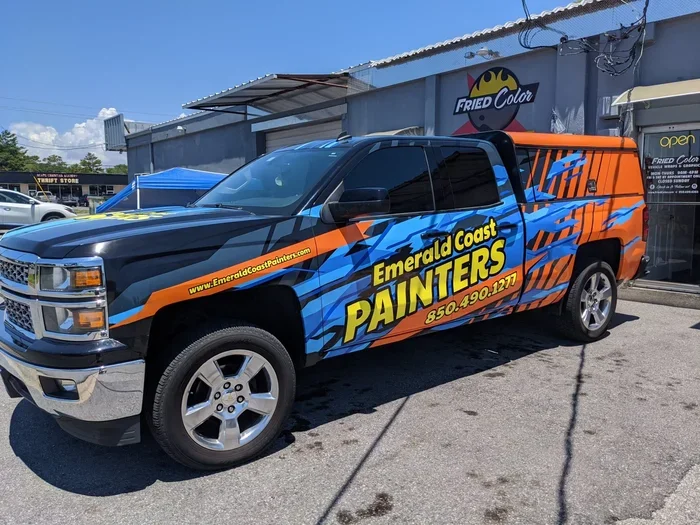
Vinyl wrap on a truck can last between 5 and 7 years with proper care. Daily driving exposes the wrap to UV rays, road debris, and chemicals, but high-quality vinyl film holds up remarkably well. This guide covers durability factors, maintenance, and when to replace your truck wrapping to keep your vehicle looking fresh.
You love your truck. You drive it every day. You take it to work, haul gear, and brave all kinds of weather. So when you start thinking about a vinyl wrap on a truck, the big question is simple: will it survive daily life?
A vinyl wrap can transform the look of your rig. It protects the original paint from scratches, UV rays, and minor dings. But durability matters most. You want a finish that stays vibrant and firmly attached through miles of highway driving, parking lot dings, and seasonal changes.
In this guide, I’ll break down exactly how durable vinyl wrap on a truck really is. You’ll learn the average lifespan, what factors speed up or slow down wear, and simple steps to keep your truck wrapping looking sharp for years. Let’s dive in.
Key Takeaways
- Lifespan: A quality vinyl wrap on a truck lasts 5–7 years with daily driving.
- Material Matters: Cast vinyl outperforms calendered vinyl in durability and conformability.
- UV and Weather: Sun exposure and harsh weather are the top enemies of wrap longevity.
- Maintenance: Regular hand washing and avoiding automatic car washes extend wrap life.
- Installation Quality: Professional installation prevents bubbling, peeling, and premature wear.
- Warranty: Many truck wrapping films come with 5–7 year warranties against fading and peeling.
📑 Table of Contents
What Is Vinyl Wrap and Why Do Truck Owners Choose It?
The Basics of Vehicle Wrapping
A vinyl wrap is a thin layer of polyurethane or PVC film that adheres directly to your truck’s surface. It acts like a second skin. Unlike a paint job, a wrap is removable and non-permanent. You can change colors, add graphics, or apply a protective layer without altering the factory paint.
The most common types are cast vinyl and calendered vinyl. Cast vinyl starts as a liquid and is poured onto a casting sheet. It’s thin, flexible, and conforms well to curves. Calendered vinyl is thicker and more rigid. It’s cheaper but less durable. For daily driving, cast vinyl is the clear winner.
Benefits Beyond Aesthetics
Many truck owners choose a vinyl wrap for looks alone. You can go from matte black to glossy white in a day. But the benefits go deeper. A wrap provides a shield against stone chips, bird droppings, tree sap, and minor abrasions. It preserves the original paint, which helps maintain resale value. This is why wrap protection is a top reason for truck wrapping.
How Long Does Vinyl Wrap on a Truck Last?
Average Lifespan for Daily-Driven Trucks
The big question: how durable is vinyl wrap on a truck in daily drive? The honest answer is 5 to 7 years for high-quality cast vinyl. Lower-grade films may last only 3 years. The difference comes down to material quality, installation, and how well you care for it.
If you park outdoors every day, your wrap faces more UV exposure. That can fade the color over time. But modern vinyl film includes UV inhibitors. These additives slow down the breakdown of the adhesive and the color layer. So even with daily sun, your truck wrapping can hold up well.
Cast vs. Calendered Vinyl: A Durability Comparison
Not all wraps are created equal. Here’s a quick look at how they compare:
| Feature | Cast Vinyl | Calendered Vinyl |
|---|---|---|
| Thickness | 2–4 mil | 4–8 mil |
| Lifespan (daily drive) | 5–7 years | 2–4 years |
| Conformability | Excellent (fits curves) | Moderate (rigid) |
| UV Resistance | High | Medium |
| Scratch Resistance | Good (self-healing) | Poor |
| Cost | Higher | Lower |
| Best For | Daily driver trucks | Short-term or trailer wraps |
Cast vinyl is the go-to for daily driving vinyl. It stretches over fenders, mirrors, and door handles without bubbling. Calendered vinyl works for flat surfaces like trailers, but it’s not ideal for a daily vinyl wrap on a truck.
Quick Tip: Always choose a cast vinyl with a 5–7 year warranty for your daily driver. The extra cost pays off in longevity and protection.
Factors That Affect Vinyl Wrap Durability
UV Exposure and Weather
The sun is a silent killer. Ultraviolet rays break down the vinyl film and the adhesive underneath. Over time, the wrap can fade, especially dark colors like black and red. In areas with intense sun, a vinyl wrap on a truck might show wear faster.
Rain, snow, and ice also play a role. Road salt is particularly harsh. It can eat through the adhesive if left on too long. That’s why wrap protection includes regular washing, especially in winter. A quick rinse after a snowy drive can remove salt before it causes damage.
Driving Habits and Road Conditions
Your driving style matters. If you frequently drive on gravel roads, your wrap faces more abrasion. Highway driving at high speeds creates constant friction with bugs, tar, and debris. A vehicle wrap durability test shows that trucks driven mostly on highways experience more surface wear than those in city traffic.
Parking under trees can lead to sap and bird dropping stains. These are acidic and can etch into the wrap if not cleaned quickly. So your daily route and parking habits directly impact wrap longevity.
Quality of Installation and Material
The best vinyl film in the world won’t last if it’s installed poorly. Bubbles, wrinkles, and edge lifting invite moisture and dirt. That’s why professional truck wrapping services are worth the investment. A skilled installer uses heat guns to stretch the film perfectly around contours.
Also, the adhesive matters. Premium wraps use a clear coat or polyurethane top layer that resists scratches and chemicals. Cheap wraps often lack this layer, making them vulnerable to swirl marks from car washes.
Daily Driving: Real-World Wear and Tear
What Happens to Your Wrap on the Highway
Every time you drive, your vinyl wrap on a truck faces a mini battle. Bug splatter hits the front bumper and hood at high speed. Tar spots from asphalt can cling to the surface. Over months, these contaminants can dull the finish if not removed.
Automatic car washes are another concern. The harsh brushes and strong chemicals can degrade the adhesive and scratch the vinyl film. Many wrap manufacturers warn against touchless or brush-style washes. Instead, hand washing is the safest method for daily driving vinyl.
Common Damage Types and How to Spot Them
Knowing the signs of wear helps you act early. Here are the most common issues:
- Edge lifting: The edges of the wrap start to peel. This often happens at door handles and mirrors.
- Bubbling: Trapped moisture or air forms blisters under the film.
- Fading: UV exposure causes color loss, especially on south-facing panels.
- Scratches and swirl marks: Improper cleaning or automatic washes create fine scratches.
- Adhesive failure: The glue weakens, causing the wrap to not stick properly.
If you notice any of these, it’s time to assess the damage. Small issues can often be repaired, but widespread problems mean it’s time for a replacement.
Expert Insight: According to industry leaders, a properly installed vinyl wrap on a truck can outlast a basic paint job in terms of surface protection. The key is choosing a film with a clear coat and maintaining a regular cleaning schedule.
Maintenance Tips to Extend Wrap Life
Daily Cleaning Routine
Keeping your truck wrapping clean is the single best way to extend its life. Here’s a simple routine:
- Rinse the truck with water to remove loose dirt.
- Use a pH-neutral car wash soap and a soft microfiber mitt.
- Wash gently in straight lines, not circles, to avoid swirl marks.
- Rinse thoroughly and dry with a clean, soft towel.
- Apply a wrap-specific sealant every 3–6 months for extra UV protection.
Never use a pressure washer directly on the wrap. The high pressure can force water under the edges and loosen the adhesive. Stick to gentle hand washing for the best wrap protection.
Quick Tips for Long-Lasting Protection
Here are some extra steps to keep your vinyl film in top shape:
- Avoid automatic car washes: The brushes and harsh chemicals damage the surface.
- Hand-dry after rain: Letting water sit can lead to water spots and adhesive breakdown.
- Keep the garage closed: Parking indoors reduces UV exposure and weather damage.
- Use a wrap-safe wax: Only use products recommended by the wrap manufacturer.
- Fix small tears immediately: A tiny rip can grow into a larger peel if ignored.
These small habits add up. They can push the lifespan of your daily driving vinyl well beyond the average.
Key Takeaways for Wrap Care
- Wash your truck by hand at least once a week.
- Use only pH-neutral soaps and wrap-safe products.
- Inspect edges and seams monthly for early signs of lifting.
- Apply a protective sealant every few months.
- Address small damage immediately to prevent bigger problems.
When to Replace Your Vinyl Wrap
Signs Your Wrap Is Worn Out
Even with great care, every vinyl wrap on a truck eventually needs replacing. Look for these clear signals:
- The color has faded significantly, especially after 5+ years of sun exposure.
- Large sections are peeling or lifting, even after re-application attempts.
- The surface feels rough or chalky when you touch it.
- You see deep scratches that have penetrated the clear coat.
- The adhesive is leaving a residue or the wrap won’t re-stick after a bubble repair.
If more than 30% of the wrap shows these issues, a full replacement is usually the best option. Trying to repair a heavily worn wrap often leads to more problems.
Common Mistakes That Shorten Wrap Life
Many truck owners unknowingly shorten the life of their truck wrapping. Here are the most common errors:
- Skipping professional installation: DIY wraps often have bubbles and poor edge sealing.
- Using harsh cleaners: Ammonia-based window cleaners or abrasive polishes can dissolve the adhesive layer.
- Ignoring small damage: A tiny scratch left untreated can let moisture in, causing bubbling.
- Washing too infrequently: Dirt and chemicals build up and slowly eat away at the film.
- Choosing cheap material: A low-cost wrap might save money upfront but lasts half as long.
Avoid these mistakes, and your vinyl wrap on a truck will reward you with years of protection and looks.
Expert Insights on Wrap Longevity
Expert Insight: Professional installers often recommend a wrap warranty that covers fading and peeling for 5–7 years. Always ask for a written warranty before you commit. This gives you peace of mind and shows the installer stands behind their work. A good warranty also reflects the confidence they have in their vehicle wrap durability results.
A vinyl wrap on a truck is a fantastic investment for daily drivers. With the right material, professional installation, and simple maintenance, you can expect 5 to 7 years of reliable protection and stunning looks. Remember to wash by hand, avoid harsh chemicals, and address small issues early. By following these steps, your truck wrapping will keep your vehicle safe and stylish mile after mile. The durability of a vinyl wrap is truly impressive when you treat it right.
Frequently Asked Questions
How long does a vinyl wrap last on a daily driven truck?
A high-quality cast vinyl wrap on a truck typically lasts 5 to 7 years with daily driving. The exact lifespan depends on material quality, installation, and how well you maintain it. Regular hand washing and avoiding automatic car washes can push the life toward the upper end of that range.
Can you wax a vinyl-wrapped truck?
Yes, but only with products specifically designed for vinyl wraps. Regular car wax can contain oils and chemicals that break down the adhesive. Always check with your wrap installer or the film manufacturer. A wrap-safe sealant is the safest choice for daily driving vinyl.
Does a vinyl wrap protect the truck’s original paint?
Absolutely. A vinyl wrap acts as a sacrificial layer over the factory paint. It shields against UV rays, stone chips, bird droppings, and minor scratches. When you remove the wrap, the original paint underneath often looks as good as new. This is one of the biggest benefits of wrap protection.
How do I remove a vinyl wrap without damaging the paint?
Professional removal is the safest method. A technician uses a heat gun to gently warm the adhesive, allowing the film to peel off cleanly. Most quality vinyl film will not leave residue if removed correctly. The process usually takes a few hours and preserves your truck’s paint.
Is it normal for a vinyl wrap to bubble?
Small bubbles can appear during installation or shortly after. These often shrink and disappear as the adhesive cures. Persistent bubbles, however, indicate trapped moisture or a poor installation. In that case, a professional should repair the affected area to prevent adhesive failure and edge lifting.
What’s the difference between a vinyl wrap and paint protection film?
A vinyl wrap changes the color or appearance of your truck. Paint protection film (PPF) is a clear, transparent layer that protects the original paint without altering its look. Some owners use both: a truck wrapping for style and PPF for high-impact areas like the front bumper and hood. Both offer excellent vehicle wrap durability when properly maintained.