Can I Drive My Car With the TRAC Off Light On Today
The TRAC Off light on your dashboard means the traction control system is turned off or has a fault. You can usually drive a short distance safely, but it is not ideal for wet or icy roads. Ignoring this light can reduce your vehicle stability and increase stopping distances. In this guide, we explain exactly what the TRAC Off light means, why it comes on, and how to fix it step by step.
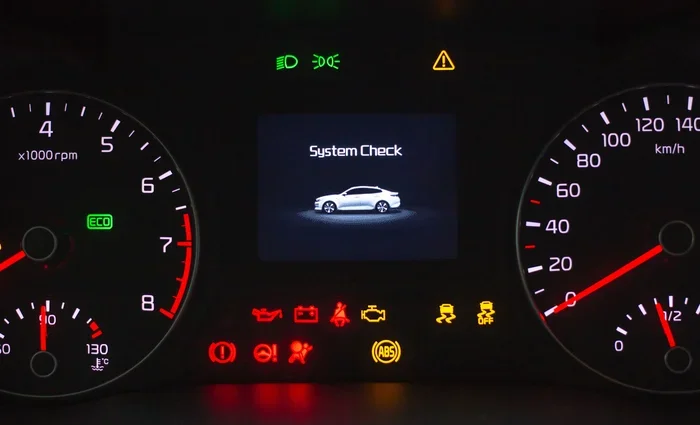
You are driving down the road. You glance at your dashboard. And there it is. The TRAC Off light is glowing on your instrument cluster. Your heart skips a beat. You start to wonder, “Can I drive my car with the TRAC Off light on?”
The short answer is yes. You can drive. But there is a lot more to it than that. The TRAC Off light is a warning that something is going on with your traction control system. This system helps your car maintain grip on the road. Without it, your wheels can spin. Your car can slide. And your stopping distance can increase. That is why understanding this light matters so much.
In this article, we will break everything down in simple terms. We will explain what the TRAC Off light means. We will cover the most common reasons it comes on. We will tell you whether it is safe to keep driving. And we will walk you through how to fix it. Whether you drive a Toyota, Honda, Ford, or any other brand, this guide has you covered.
Key Takeaways
- TRAC Off means your traction control system is disabled: This can make driving on slippery roads more dangerous.
- You can drive short distances with TRAC Off: But you should get the issue checked as soon as possible.
- Common causes include a faulty wheel speed sensor: Other triggers are a bad ABS module or a loose connector.
- The TRAC Off button may have been accidentally pressed: This is the simplest and most common reason.
- Resetting the system often solves the problem: But persistent lights need a professional diagnosis with an OBD scanner.
- Driving without traction control increases accident risk: Especially during rain, snow, or sudden stops.
- Cost to fix ranges from free to $300+: Depending on the root cause and parts needed.
📑 Table of Contents
- What Does the TRAC Off Light Mean?
- Can You Safely Drive With the TRAC Off Light On?
- Common Reasons the TRAC Off Light Comes On
- How to Fix the TRAC Off Light
- TRAC Off Light vs. Other Dashboard Warning Lights
- Expert Insights on Driving With TRAC Off
- Quick Tips to Prevent TRAC Off Light Issues
- How Much Does It Cost to Fix the TRAC Off Light?
- When Should You See a Mechanic?
- Frequently Asked Questions
- Final Thoughts
What Does the TRAC Off Light Mean?
The TRAC Off light is part of your car’s traction control system. This system works behind the scenes every time you drive. It monitors wheel speed using sensors on each wheel. When one wheel starts to spin faster than the others, the system kicks in. It reduces engine power or applies the brakes to that wheel. This helps you keep control of the car.
When the TRAC Off light comes on, it means one of two things. Either the system has been manually turned off. Or the system has detected a fault and shut itself down. Both situations need attention. But they are not equally urgent.
Manual TRAC Off vs. Fault-Related TRAC Off
There is an important difference you need to understand. Some cars have a TRAC OFF button on the steering wheel or center console. If you or a passenger pressed it, the light will come on. This is completely normal. The system is simply disabled by choice.
But if you did not press the button, the light is telling you something is wrong. It could be a wheel speed sensor issue. It could be a problem with the ABS module. Or it could be a wiring problem. In these cases, the traction control warning is your car asking for help.
Can You Safely Drive With the TRAC Off Light On?
This is the question most drivers want answered. And the honest answer depends on the situation. Let us walk through it.
Short Answer: Yes, But With Caution
You can drive your car with the TRAC Off light on. The engine will still run. The brakes will still work. The car will still move. But you lose an important safety feature. Your vehicle stability is reduced. On dry roads at low speeds, this is usually fine. On wet roads, icy roads, or highways, it is not ideal.
Think of it this way. The traction control system is like a safety net. When it is off, you are still driving. But you have less protection. If your wheels start to slip, the system will not intervene. You will need to manage traction yourself.
When Is It Most Dangerous?
There are specific situations where driving with TRAC Off becomes risky:
- Rainy or wet roads: Your tires have less grip already. Without traction control, spinning wheels are more likely.
- Icy or snowy conditions: This is when the traction control system matters most. Driving without it in snow is dangerous.
- Highway speeds: If a wheel loses traction at high speed, the consequences can be severe.
- Emergency braking: The anti-lock braking system works closely with traction control. Both systems share sensors and modules.
If the TRAC Off light is on and you see the ABS light too, be extra careful. These two systems are connected. A problem in one often affects the other.
Common Reasons the TRAC Off Light Comes On
Understanding why the light came on helps you decide what to do next. Here are the most common causes.
1. The TRAC OFF Button Was Accidentally Pressed
This is the simplest reason. Many cars have a TRAC OFF button. It is usually on the steering column or the center console. A passenger might bump it. Or you might press it without realizing. If this is the case, the fix is easy. Just press the button again to turn the system back on.
Quick tip: Check your owner’s manual to find the button location. In some models, it is near the gear shifter. In others, it is on the dashboard side of the steering wheel.
2. Faulty Wheel Speed Sensors
The traction control system relies on wheel speed sensors. These small devices sit near each wheel. They measure how fast each wheel is spinning. When a sensor fails or gets dirty, it sends wrong data. The system then shuts down. And the TRAC Off light comes on.
Wheel speed sensors are exposed to road conditions. Mud, ice, and debris can damage them. Over time, they simply wear out. This is one of the most common reasons the light appears.
3. ABS Module Problems
The anti-lock braking system and the traction control system share the same module. If the ABS module has a problem, both lights may come on. A faulty ABS module can cause the TRAC Off light to illuminate. This is a more serious issue. It usually requires professional diagnosis.
4. Low Brake Fluid
Your traction control system uses the braking system. If your brake fluid is low, the system may shut down. Check your brake fluid reservoir under the hood. If the level is below the minimum line, top it off. But also look for leaks if the fluid keeps dropping.
5. Wiring or Electrical Issues
Sometimes the problem is not a broken part. It is a broken connection. Wiring harnesses run under your car. They are exposed to heat, moisture, and road debris. A corroded connector or damaged wire can trigger the TRAC Off light. This is often hard to diagnose without an OBD scanner.
6. Faulty Steering Angle Sensor
Your car has a steering angle sensor in the steering column. It tells the computer where the wheels are pointing. If this sensor fails, the stability control and traction control systems may disable themselves. The TRAC Off light will appear on the dash.
7. Aftermarket Modifications
Have you recently changed your tires, rims, or drivetrain? Aftermarket parts can sometimes confuse the traction control system. Different tire sizes, for example, can cause wheel speed readings to be inaccurate. This can trigger the TRAC Off light.
How to Fix the TRAC Off Light
Now that you know the common causes, let us talk about solutions. Some fixes are simple. Others need a mechanic.
Step 1: Check the TRAC OFF Button
Start with the easiest fix. Look for the TRAC OFF button. Press it once. See if the light turns off. If it does, you are all set. This happens more often than you might think.
Step 2: Restart Your Car
Sometimes the system just needs a reset. Turn the ignition off. Wait about 30 seconds. Turn it back on. If the light was a temporary glitch, it may not come back on. This simple trick works for many dashboard warning lights.
Step 3: Check the Brake Fluid
Open the hood. Locate the brake fluid reservoir. Check the fluid level. If it is low, add the correct type of brake fluid for your vehicle. Look under the car for any signs of leaks if the fluid was low.
Step 4: Use an OBD Scanner
If the light stays on, you need to read the error codes. An OBD scanner plugs into your car’s diagnostic port. The port is usually under the steering column. The scanner reads codes from your car’s computer. These codes tell you exactly what is wrong.
You can buy a basic OBD scanner for under $30. Or you can visit an auto parts store. Many stores will read the codes for free. Common codes related to the TRAC Off light include:
- C0034: Left front wheel speed sensor circuit
- C0035: Right front wheel speed sensor circuit
- C0040: Left rear wheel speed sensor circuit
- C0045: Right rear wheel speed sensor circuit
Step 5: Replace Faulty Sensors or Parts
If the OBD scanner points to a bad wheel speed sensor, you can replace it. The cost is usually between $50 and $200 per sensor. If the ABS module is the problem, the repair can be more expensive. Expect to pay $300 to $1,000 depending on your vehicle model.
TRAC Off Light vs. Other Dashboard Warning Lights
Dashboard lights can be confusing. Many of them look similar. Let us clear up the confusion.
TRAC Off Light vs. Check Engine Light
The check engine light is a broad warning. It can mean hundreds of different things. The TRAC Off light is specific to the traction control system. However, they are connected. A problem that triggers the check engine light can also cause the TRAC Off light to come on. If both lights are on at the same time, do not ignore either one.
TRAC Off Light vs. VSC Off Light
In Toyota vehicles, you might see both the TRAC Off light and the VSC Off light. VSC stands for Vehicle Stability Control. This system works alongside traction control. When the VSC light is on too, the stability system is also disabled. This makes driving in bad conditions even more risky.
Comparison Table: TRAC Off vs. Related Lights
| Light | System Affected | Danger Level | Common Cause |
|---|---|---|---|
| TRAC Off | Traction Control | Moderate | Faulty wheel speed sensor or manual shutdown |
| VSC Off | Vehicle Stability Control | Moderate to High | Same as TRAC Off or shared module fault |
| ABS Light | Anti-Lock Braking System | High | ABS module failure or sensor issue |
| Check Engine Light | Engine and Emissions | Varies | Oxygen sensor, catalytic converter, or loose gas cap |
Expert Insights on Driving With TRAC Off
We asked experienced mechanics about the TRAC Off light. Here is what they had to say.
Expert Insight #1: “I see the TRAC Off light all the time in my shop. About 60% of the time, it is just the button being pressed accidentally. The other 40% of the time, it is a real issue. Most commonly, it is a wheel speed sensor.” – Mike R., certified ASE mechanic with 15 years of experience.
Expert Insight #2: “Never ignore the TRAC Off light if it comes on by itself. Even if your car feels fine on dry roads, the system is there to protect you in moments you cannot predict. A quick trip to the mechanic can save you from a serious accident.” – Sarah T., automotive safety specialist.
Expert Insight #3: “If you are going on a road trip and the TRAC Off light comes on, check the weather forecast. If rain or snow is expected, get the car checked before you go. Driving without traction control in winter weather is a risk you should not take.” – James L., long-haul truck driver and automotive enthusiast.
Quick Tips to Prevent TRAC Off Light Issues
Prevention is always better than repair. Here are some simple tips to keep your traction control system healthy:
- Keep your tires in good condition: Worn tires reduce traction and can confuse the wheel speed sensors.
- Maintain proper brake fluid levels: Check the reservoir every few months. Top it off if needed.
- Clean your wheel speed sensors: Mud and road grime can build up on the sensors. A quick wipe during tire rotations helps.
- Do not ignore other warning lights: If the ABS light or check engine light is on, address it quickly. These systems work together.
- Get regular diagnostics: An annual OBD scan can catch small problems before they become big ones.
How Much Does It Cost to Fix the TRAC Off Light?
The cost depends entirely on the cause. Here is a rough breakdown:
- TRAC OFF button reset: Free
- Brake fluid top-off: $10 to $30
- Wheel speed sensor replacement: $50 to $200 per sensor
- ABS module repair or replacement: $300 to $1,000
- Wiring repair: $50 to $200 depending on location
- Full diagnostic at a shop: $50 to $100
The good news is that many causes are inexpensive to fix. The bad news is that ignoring the light can lead to bigger problems. A small sensor issue today can turn into a module failure tomorrow.
When Should You See a Mechanic?
Some fixes are DIY-friendly. Others need a professional. You should see a mechanic if:
- The TRAC Off light stays on after you press the button and restart the car.
- The light comes back on after you reset it.
- You see the ABS light or check engine light along with the TRAC Off light.
- You notice unusual behavior when braking or accelerating.
- You live in an area with harsh winters and the light came on during cold weather.
- You are not comfortable diagnosing the problem yourself.
A qualified mechanic has the tools and knowledge to pinpoint the exact cause. They can use an OBD scanner to read fault codes. They can inspect sensors, wiring, and modules. This saves you time and prevents costly mistakes.
Frequently Asked Questions
Can I drive my car with the TRAC Off light on in the rain?
You can, but it is not recommended. The traction control system helps prevent wheel spin on wet roads. Without it, your tires are more likely to lose grip. If you must drive in the rain with the TRAC Off light on, reduce your speed and increase your following distance. But ideally, get the issue fixed before driving in wet conditions.
Is it safe to drive with TRAC Off on the highway?
It is safer than driving on slippery roads, but still not ideal. At highway speeds, sudden loss of traction can be dangerous. The traction control system helps manage wheel slip during acceleration and cornering. Without it, you need to be extra gentle with the throttle. If the TRAC Off light has been on for a while, visit a mechanic before taking a long highway trip.
What does TRAC Off mean on a Toyota?
On Toyota vehicles, TRAC stands for Traction Control. The TRAC Off light means the traction control system has been turned off or has detected a fault. Toyota models often have a dedicated TRAC OFF button. If you did not press it, the light indicates a problem with the traction control warning system or a related component like the ABS module or wheel speed sensors.
Will the TRAC Off light reset itself?
Sometimes yes. If the issue was temporary, such as a momentary sensor glitch, the light may turn off after a few drive cycles. Restarting the car can also clear it. But if the underlying problem persists, the light will come back on. Using an OBD scanner to clear the codes and then monitoring if they return is a good diagnostic step.
Can low brake fluid cause the TRAC Off light to come on?
Yes, it can. The traction control system shares components with the braking system. Low brake fluid can trigger the TRAC Off light. It can also trigger the ABS light. Check your brake fluid level if you see either light. Topping it off may solve the problem, but check for leaks if the fluid was low.
How do I turn the TRAC Off light off?
If you accidentally pressed the TRAC OFF button, press it again to turn the system back on. If the light stays on, try restarting the vehicle. If neither works, the light is indicating a fault. In that case, use an OBD scanner to read the error codes. Fix the underlying issue, and the light will turn off. Simply disconnecting the battery is not a long-term fix and may cause other problems.
Final Thoughts
So, can you drive your car with the TRAC Off light on? Yes, you can. But you should not ignore it. The traction control system is a vital safety feature. It helps you stay in control when road conditions get tough. When the TRAC Off light is glowing, your car is telling you something needs attention.
The good news is that most causes are easy and affordable to fix. Whether it is a simple button press or a wheel speed sensor replacement, the problem is usually manageable. The key is to act quickly. Do not wait for the light to cause bigger issues.
Remember to check your dashboard warning lights regularly. They are not just annoying beeps and glowing symbols. They are your car’s way of communicating with you. Learn what they mean. Respect them. And your car will stay safe and reliable for miles to come.
Take a few minutes today. Check the TRAC Off light situation. If it is on, figure out why. Your future self, and your passengers, will thank you for it.