Can You Really Go Two Years Without Changing Synthetic Oil
Many car owners wonder whether they can go two years without changing synthetic oil. Modern vehicles and advanced lubricants have made extended drain intervals more common, but the answer depends on several factors. Your driving habits, engine type, and manufacturer recommendations all play a role in determining the right oil change schedule. Skipping oil changes for too long can lead to serious engine damage even with synthetic oil. Let us break down everything you need to know about going two years without changing synthetic oil.
You have probably heard the debate about how often you really need to change your engine oil. With synthetic oil becoming the standard in newer vehicles, many drivers are pushing their oil change intervals further than ever before. Some people claim they have gone two full years without touching their oil. Others say that is a recipe for disaster. So, what is the truth?
The short answer is that it depends. Going two years without changing synthetic oil is possible under certain conditions. But it is not a one-size-fits-all situation. Your driving habits, climate, vehicle age, and the type of synthetic oil you use all factor into the equation. In this article, we will walk you through everything you need to know. We will cover what the experts say, what your owner’s manual recommends, and how to tell if your oil has gone bad.
Let us start by understanding why synthetic oil is different from conventional oil. This foundation will help you make smarter decisions about your maintenance schedule.
Key Takeaways
- Synthetic oil lasts longer than conventional oil: It can typically go between 7,500 and 15,000 miles before needing a change.
- Two years is possible in some cases: But only if you drive low mileage and follow your vehicle’s oil life monitoring system.
- Driving conditions matter a lot: Severe driving shortens oil life regardless of oil type.
- Oil degrades over time even if not driven: Moisture buildup and additive depletion happen with age alone.
- Always check your owner’s manual: Your manufacturer’s recommendation is the best guide for your specific vehicle.
- Oil filters should be changed with every oil change: A clogged filter negates the benefits of fresh oil.
- When in doubt, change your oil: It is far cheaper than repairing engine damage from old oil.
📑 Table of Contents
- What Makes Synthetic Oil Different from Conventional Oil?
- Can You Actually Go Two Years Without Changing Synthetic Oil?
- Factors That Affect How Long Synthetic Oil Lasts
- What Happens If You Wait Too Long to Change Synthetic Oil?
- Expert Recommendations for Oil Change Intervals
- Quick Tips for Maximizing Synthetic Oil Life
- Common Mistakes People Make With Synthetic Oil Changes
- Key Takeaways
- Conclusion
- FAQs
What Makes Synthetic Oil Different from Conventional Oil?
Before we dive into the two-year question, it helps to understand what synthetic oil actually is. Not all engine oils are created equal. The differences matter more than most people realize.
The Science Behind Synthetic Oil
Synthetic oil is engineered in a lab rather than refined directly from crude petroleum. The molecules in synthetic oil are uniform in size and shape. This uniformity gives it superior performance compared to conventional oil. It resists thermal breakdown better. It flows more smoothly at low temperatures. And it protects your engine components more effectively over time.
Conventional oil, on the other hand, is derived from natural resources. It contains impurities that synthetic oil removes through a refining process. These impurities make conventional oil break down faster under heat and stress. That is why conventional oil typically needs changing every 3,000 to 5,000 miles.
Synthetic blend oil sits somewhere in between. It mixes conventional and synthetic base oils. It offers better protection than conventional oil but does not quite match full synthetic performance.
Why Synthetic Oil Lasts Longer
There are several reasons synthetic oil can go longer between changes:
- Better thermal stability: Synthetic oil handles high engine temperatures without breaking down as quickly.
- Lower evaporation rates: Less oil is lost to evaporation, so your oil level stays more consistent.
- Superior viscosity retention: It maintains its thickness and flow properties longer than conventional oil.
- Advanced additive packages: Detergents, dispersants, and anti-wear agents last longer in synthetic formulations.
- Reduced sludge formation: Synthetic oil resists the buildup of harmful deposits inside your engine.
These advantages are exactly why many modern car manufacturers now recommend synthetic oil from the factory. They also support longer drain intervals. But does this mean you can safely go two years? Let us explore that next.
Can You Actually Go Two Years Without Changing Synthetic Oil?
This is the question on every car owner’s mind. The answer is not a simple yes or no. It depends on a variety of real-world factors that we will break down below.
The Role of Mileage vs. Time
Most oil change guidelines are based on mileage. A typical synthetic oil change interval is around 7,500 to 10,000 miles. Some newer vehicles can stretch that to 15,000 miles. But what happens if you drive very few miles in a year?
If you only drive 3,000 miles in two years, you might think your oil is still fine. And from a mileage perspective, you would be right. But here is the catch. Oil also degrades over time, even if you are not driving. Moisture can accumulate inside the crankcase. Additives can break down chemically. The oil can become contaminated even sitting in the engine.
So the real question becomes: is it safe to go two years without changing synthetic oil if you drive very little? The answer is: probably not. Most experts recommend changing oil at least once a year, regardless of mileage.
What Manufacturers Say
Different car manufacturers have different recommendations. Let us look at a few common examples:
- Toyota: Recommends synthetic oil changes every 10,000 miles or 12 months, whichever comes first.
- Ford: Suggests oil changes every 7,500 to 10,000 miles for most vehicles with synthetic oil.
- BMW: Uses an automatic oil life monitoring system that adjusts intervals based on driving conditions.
- Chevrolet: Typically recommends oil changes every 7,500 to 10,000 miles with full synthetic oil.
Notice a pattern? Almost every manufacturer caps the time interval at one year. Very few recommend going beyond 12 months between oil changes. This is a strong clue that two years is pushing the limits.
Factors That Affect How Long Synthetic Oil Lasts
Not all driving situations are the same. Several factors can shorten or extend the life of your synthetic oil. Understanding these will help you make a better decision about your personal oil change schedule.
Driving Conditions
Your driving environment plays a huge role in oil longevity. There are generally two categories of driving conditions:
Normal driving conditions include highway cruising, moderate temperatures, and steady speeds. If most of your driving fits this description, your synthetic oil will last longer.
Severe driving conditions include short trips, stop-and-go traffic, extreme heat or cold, towing, and dusty environments. If you regularly drive in severe conditions, your oil degrades faster. In these cases, going two years without an oil change is risky.
Climate and Temperature
Hot climates accelerate oil oxidation. Cold climates can cause moisture condensation inside the engine. Both scenarios reduce oil life. If you live in an area with extreme temperatures, you should not push your oil change intervals too far.
Vehicle Age and Condition
Older engines tend to produce more combustion byproducts. These contaminants get into the oil and accelerate degradation. A newer engine with tight tolerances will keep oil cleaner for longer. If your vehicle has high mileage or known engine issues, stick to shorter oil change intervals.
Oil Quality and Brand
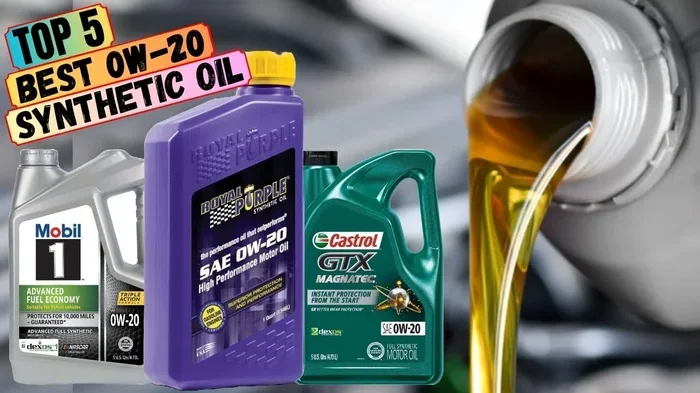
Not all synthetic oils are created equal. Premium synthetic oils with advanced additive packages last longer than budget options. Full synthetic oils from reputable brands like Mobil 1, Castrol EDGE, and Valvoline SynPower offer superior protection and extended drain capabilities.
Oil Life Monitoring Systems
Many modern vehicles come equipped with an oil life monitoring system. This electronic system tracks your driving patterns and estimates when your oil needs changing. It considers factors like engine temperature, driving frequency, and trip length. If your vehicle has this system, trust it. It is usually more accurate than generic mileage-based schedules.
However, do not rely solely on the monitoring system if you are approaching the two-year mark. Time-based degradation still occurs regardless of what the sensor says.
What Happens If You Wait Too Long to Change Synthetic Oil?
It is important to understand the risks of going too long between oil changes. Even the best synthetic oil has limits. Here is what can happen if you push the interval too far.
Oil Additive Depletion
Synthetic oil contains a carefully balanced package of additives. These include detergents, dispersants, anti-wear agents, and antioxidants. Over time, these additives get used up. Once they are depleted, the oil loses its protective qualities. The base oil might still look clean, but it is no longer doing its job effectively.
Sludge Buildup
Old oil can form sludge inside your engine. Sludge is a thick, tar-like substance that clogs oil passages. It restricts oil flow to critical engine components. Over time, this can cause increased wear, overheating, and even engine failure.
Increased Engine Wear
Degraded oil loses its viscosity. It becomes thinner or thicker than it should be. Either way, it does not lubricate engine parts properly. Metal-on-metal contact increases. This leads to accelerated wear on bearings, camshafts, and other internal components.
Higher Repair Costs
Engine repairs are expensive. A full engine rebuild can cost thousands of dollars. Regular oil changes are a fraction of that cost. Skipping oil changes to save a little money can end up costing you a lot more in the long run.
Expert Recommendations for Oil Change Intervals
So what do the experts actually recommend? Here is a practical guide based on industry advice and manufacturer guidelines.
General Guidelines
Most automotive experts agree on the following rules of thumb:
- Change synthetic oil every 7,500 to 10,000 miles for typical driving conditions.
- Do not go longer than 12 months between oil changes, even if mileage is low.
- Replace the oil filter every time you change the oil.
- Follow your vehicle’s oil life monitor if it has one.
- Shorten intervals for severe driving conditions by about 30 to 50 percent.
When Two Years Might Be Acceptable
There are rare situations where going two years might not cause immediate harm:
- You drive fewer than 3,000 miles per year.
- Your vehicle is in excellent mechanical condition.
- You use high-quality full synthetic oil.
- You live in a moderate climate.
- You do not tow or haul heavy loads.
Even in these cases, most mechanics would still recommend changing the oil at least once a year. The oil filter should also be replaced at that time.
Quick Tips for Maximizing Synthetic Oil Life
Want to get the most out of your synthetic oil? Follow these practical tips:
- Check your oil level regularly. Low oil levels can cause engine damage even with fresh oil.
- Watch for changes in oil color. Dark, gritty oil is a sign it is time for a change.
- Listen for engine noises. Increased ticking or knocking can indicate poor lubrication.
- Keep records of your oil changes. A simple log helps you track intervals and stay on schedule.
- Use the oil type recommended by your manufacturer. Do not switch oil types without checking your owner’s manual.
- Warm up your engine gently. Avoid aggressive driving right after startup to reduce oil contamination.
- Address oil leaks promptly. Even small leaks can drop your oil level to dangerous levels over time.
Common Mistakes People Make With Synthetic Oil Changes
Even well-meaning car owners make mistakes when it comes to oil changes. Here are some common ones to avoid:
Assuming Synthetic Oil Never Needs Changing
Synthetic oil lasts longer than conventional oil, but it does not last forever. The “lifetime oil” myth has caused real engine damage for some drivers. No oil lasts the entire life of a vehicle without being changed.
Ignoring the Oil Filter
A fresh oil change means nothing if the old oil filter stays in place. The filter traps contaminants and debris. When it gets clogged, those particles circulate back through your engine. Always replace the oil filter with every oil change.
Relying Only on Mileage
As we discussed, time matters just as much as mileage. Oil degrades chemically over time. Do not ignore the calendar when planning your oil changes.
Overlooking Warning Signs
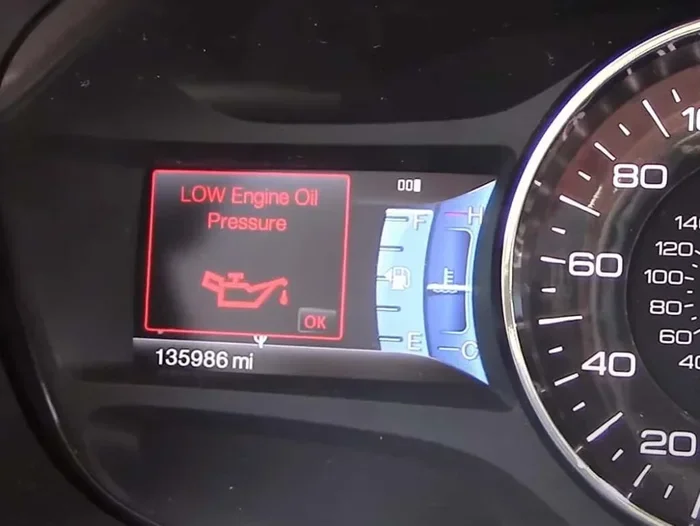
Your vehicle gives you signals when something is wrong with the oil. Dark color, burning smell, reduced performance, and dashboard warning lights are all clues. Ignoring these signs can lead to costly repairs.
Key Takeaways
- Synthetic oil lasts longer than conventional oil: It can typically go between 7,500 and 15,000 miles before needing a change.
- Two years is possible in some cases: But only if you drive low mileage and follow your vehicle’s oil life monitoring system.
- Driving conditions matter a lot: Severe driving shortens oil life regardless of oil type.
- Oil degrades over time even if not driven: Moisture buildup and additive depletion happen with age alone.
- Always check your owner’s manual: Your manufacturer’s recommendation is the best guide for your specific vehicle.
- Oil filters should be changed with every oil change: A clogged filter negates the benefits of fresh oil.
- When in doubt, change your oil: It is far cheaper than repairing engine damage from old oil.
Conclusion
So, can you go two years without changing synthetic oil? The honest answer is that it is not recommended for most drivers. While synthetic oil is far more durable than conventional oil, it still degrades over time. Additive depletion, moisture accumulation, and contamination all occur regardless of how much you drive.
Most manufacturers cap oil change intervals at 12 months. This is a strong signal that going beyond that timeframe carries risk. If you are someone who drives very few miles each year, you should still change your oil at least once a year. The cost of an oil change is tiny compared to the cost of an engine repair.
The best approach is to follow your vehicle’s owner manual, pay attention to your driving conditions, and use common sense. If something feels off with your engine or your oil, do not wait. Get it checked. A little preventive maintenance goes a long way toward keeping your engine healthy for years to come.
Stay on top of your oil change schedule. Your engine will thank you for it. And when in doubt, always err on the side of changing your oil sooner rather than later.
FAQs
Can synthetic oil really last 15,000 miles?
Some full synthetic oils are rated for intervals up to 15,000 miles. However, this is under ideal driving conditions. Most experts still recommend changing synthetic oil every 7,500 to 10,000 miles for best engine protection. Your actual interval should depend on your driving habits and vehicle type.
What happens if you go too long between synthetic oil changes?
Going too long between oil changes causes additive depletion, sludge buildup, and increased engine wear. The oil loses its ability to lubricate and protect engine components. Over time, this can lead to expensive engine repairs or even complete engine failure.
Does synthetic oil break down even if you don’t drive much?
Yes, it does. Synthetic oil can absorb moisture from the air over time. Additives also degrade chemically regardless of mileage. This is why most manufacturers recommend changing oil at least once a year, even if you drive very few miles.
Is it okay to change synthetic oil once a year?
Yes, changing synthetic oil once a year is a safe and recommended practice. It covers both time-based and mileage-based intervals for most drivers. If you drive very low mileage, the annual change ensures your oil is fresh and effective.
How can I tell if my synthetic oil needs changing?
Check the oil color and consistency. Fresh synthetic oil is amber and translucent. Dark, gritty oil needs changing. Also watch for dashboard warning lights, reduced engine performance, and unusual noises. Your vehicle’s oil life monitoring system can also provide guidance.
Can I switch from conventional oil to synthetic oil without issues?
Yes, you can switch from conventional oil to synthetic oil without any problems. In fact, many experts recommend making the switch. Synthetic oil provides better protection and lasts longer. Just make sure to change the oil filter at the same time and follow your manufacturer’s recommended viscosity grade.