How Many Catalytic Converters Does Your Cadillac CTS Have
Most Cadillac CTS models have two catalytic converters as part of their dual exhaust system. The exact number depends on your engine type, model year, and trim level, with V6 and V8 versions each using a specific setup. Understanding your Cadillac CTS catalytic converter count helps with maintenance, repairs, and avoiding costly surprises.
If you own a Cadillac CTS or are thinking about buying one, you might be wondering about the catalytic converters. These small but mighty parts play a huge role in keeping your car running clean and legal on the road. So, how many catalytic converters does a Cadillac CTS actually have? The answer is not always as simple as a single number, because it depends on your model year, engine type, and trim level.
In this guide, we will walk you through everything you need to know about the Cadillac CTS catalytic converter setup. We will cover the exact number of converters, where they are located, why they matter, and what to do when something goes wrong. Whether you are a DIY mechanic or just a curious car owner, this article has you covered.
Key Takeaways
- Two converters standard: Most Cadillac CTS models come with two catalytic converters in the exhaust system.
- Engine matters: The V6 and V8 versions of the CTS each have a specific converter arrangement based on their exhaust design.
- Location is key: The converters sit close to the exhaust manifold and along the undercarriage near the rear axle.
- Replacement costs vary: Expect to pay between $1,500 and $3,500 depending on the model year and converter type.
- Theft is a real risk: Cadillac CTS catalytic converters contain precious metals that make them targets for thieves.
- Watch for warning signs: Reduced power, rattling noises, and a glowing check engine light can signal converter problems.
- Regular maintenance helps: Keeping your exhaust system in good shape extends the life of your catalytic converters.
📑 Table of Contents
- Understanding the Cadillac CTS Exhaust System
- How Many Catalytic Converters Does the Cadillac CTS Have
- Where Are the Catalytic Converters Located on a Cadillac CTS
- Why Your Cadillac CTS Catalytic Converters Matter
- Signs That Your Cadillac CTS Catalytic Converter Is Failing
- Catalytic Converter Replacement Cost for the Cadillac CTS
- Protecting Your Cadillac CTS Catalytic Converter from Theft
- How to Extend the Life of Your Cadillac CTS Catalytic Converters
- Common Mistakes People Make with Catalytic Converters
- Expert Insights on Cadillac CTS Catalytic Converters
- Final Thoughts
Understanding the Cadillac CTS Exhaust System
Before we dive into the converter count, let us talk about the exhaust system as a whole. The exhaust system on a Cadillac CTS is designed to remove harmful gases from the engine. It routes those gases through several components before releasing them out the tailpipe. Each part plays a specific role in reducing pollution and improving engine performance.
Key Components of the Exhaust System
The exhaust system on a Cadillac CTS includes several important parts. Here is a quick breakdown of what you will find under your car:
- Exhaust manifold: Collects gases from the engine cylinders and sends them into the exhaust pipes.
- Catalytic converters: Transform harmful gases into less harmful emissions before they exit the tailpipe.
- Resonator: Reduces noise and vibrations from the exhaust flow.
- Muffler: Further quiets the exhaust sound as it leaves the vehicle.
- Exhaust pipes: Channel the gases from the engine to the rear of the car.
- Oxygen sensors: Monitor the gas levels and help the engine control unit adjust the fuel mixture.
Each of these parts works together to keep your CTS running smoothly. The catalytic converters are especially critical because they handle the most important job: cleaning up the exhaust fumes before they reach the atmosphere.
How Many Catalytic Converters Does the Cadillac CTS Have
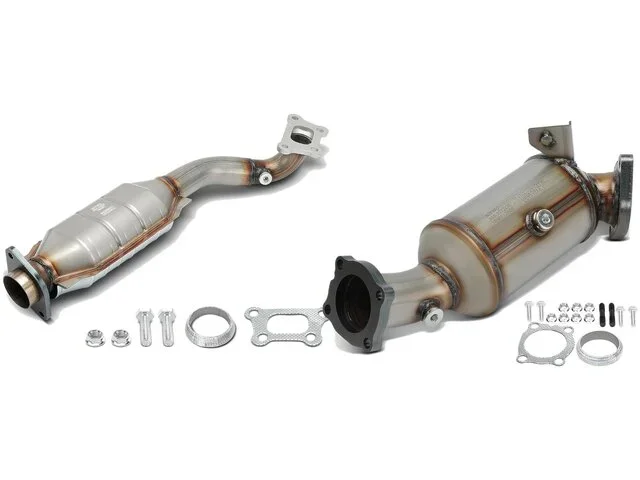
Here is the answer you have been waiting for. Most Cadillac CTS models come with two catalytic converters. This setup is standard across the V6 and V8 engine variants. The dual converter design matches the dual exhaust layout that Cadillac uses on the CTS platform.
However, the exact number can vary slightly depending on the model year and engine configuration. Let us break it down by engine type.
V6 Engine Models
The Cadillac CTS with the V6 engine typically uses two catalytic converters. The V6 has two exhaust banks, and each bank gets its own converter. This is the most common setup you will find in CTS models from the 2000s through the mid-2010s. The two converters work together to process the exhaust gases from all six cylinders efficiently.
V8 Engine Models
The V8 version of the Cadillac CTS also uses two catalytic converters in most cases. With eight cylinders producing more exhaust, you might expect more converters. But Cadillac engineers designed the dual exhaust system to handle the load with just two high-flow converters. These V8 converters are often larger and more expensive to replace than the V6 versions.
Rare Exceptions and Special Editions
In some rare cases, certain CTS models or special editions may have a slightly different setup. For example, some high-performance or sport trim models might include an additional converter or a secondary catalytic stage. These exceptions are uncommon, but they do exist. If you are unsure about your specific model, always check your owner’s manual or consult a trusted mechanic.
Where Are the Catalytic Converters Located on a Cadillac CTS
Knowing the location of your catalytic converters is important for maintenance and repairs. On a Cadillac CTS, the converters are positioned in two main spots along the exhaust system.
Primary Converter Location
The first catalytic converter sits close to the engine, right after the exhaust manifold. This is called the upstream converter or the primary converter. It works hardest because it processes the hottest and most concentrated exhaust gases. Because of its proximity to the engine, this converter tends to wear out faster than the second one.
Secondary Converter Location
The second catalytic converter is located further down the exhaust system, usually beneath the car near the rear axle or under the floorpan. This downstream converter handles the already-processed gases and acts as a final polishing stage. It generally lasts longer than the primary converter because the exhaust entering it has already been partially cleaned.
Both converters are secured to the exhaust system with mounting bolts and heat shields. Over time, these mounting points can corrode, especially in cold climates where road salt is used frequently.
Why Your Cadillac CTS Catalytic Converters Matter
Catalytic converters are not just optional emissions equipment. They are legally required on all cars sold in the United States. Without them, your Cadillac CTS would fail any vehicle emissions test and release harmful pollutants into the air. Here is why they are so important.
Reducing Harmful Emissions
The catalytic converter uses a chemical reaction to convert toxic gases into less harmful substances. It transforms carbon monoxide into carbon dioxide, nitrogen oxides into nitrogen and oxygen, and unburned hydrocarbons into water vapor and carbon dioxide. Without this process, your car would pump out dangerous fumes every time you drive.
Passing Emissions Tests
Every state in the US requires vehicles to pass emissions testing. A functioning catalytic converter is essential for passing these tests. If your converters are clogged or damaged, your Cadillac CTS will likely fail the test. This can prevent you from registering your car or renewing your license plates.
Maintaining Engine Performance
Believe it or not, the catalytic converter also affects how your engine runs. A clogged converter creates back pressure that can reduce engine power and fuel efficiency. If your CTS feels sluggish or gets worse gas mileage than usual, the catalytic converters might be to blame.
Signs That Your Cadillac CTS Catalytic Converter Is Failing
Catalytic converters do not last forever. Over time, they can become clogged, contaminated, or physically damaged. Recognizing the early warning signs can save you from a more expensive repair down the road.
Warning Signs to Watch For
- Check engine light: This is the most common sign of a converter problem. The oxygen sensors detect incorrect gas levels and trigger the warning light on your dashboard.
- Reduced engine power: A clogged converter restricts exhaust flow, which makes your engine feel weak, especially under acceleration.
- Rattling noise: A broken or crumbling converter can produce a rattling sound, especially when you start the car or idle.
- Rotten egg smell: A failing converter cannot process sulfur compounds properly, leading to a strong sulfur or rotten egg odor from the exhaust.
- Failed emissions test: If your CTS does not pass an emissions inspection, the catalytic converter is often the culprit.
- Poor fuel economy: Back pressure from a failing converter forces the engine to work harder, which burns more fuel.
If you notice any of these symptoms, get your car inspected as soon as possible. Ignoring converter problems can lead to more serious engine damage over time.
Catalytic Converter Replacement Cost for the Cadillac CTS
Replacing a catalytic converter is not cheap. The cost varies depending on the model year, engine type, and whether you choose OEM or aftermarket parts. Here is a general breakdown of what you can expect.
Parts and Labor Costs
For a Cadillac CTS, the average replacement cost for both catalytic converters ranges from $1,500 to $3,500. The parts alone can cost anywhere from $800 to $2,500, depending on whether you go with original GM parts or aftermarket alternatives. Labor typically adds another $500 to $1,000 since the converters are located underneath the vehicle and require lifting and removal of exhaust components.
Why Cadillac Converters Are Expensive
Catalytic converters for the Cadillac CTS contain precious metals like platinum, palladium, and rhodium. These metals are what make the conversion process work, and they are expensive to mine and refine. This is why converter replacements carry such a high price tag. The V8 models tend to cost more because their converters are larger and contain more of these precious materials.
OEM vs Aftermarket Options
You have two main choices when replacing your converters. OEM parts are made by General Motors and offer the best fit and performance. Aftermarket converters are cheaper but may not last as long or meet the same quality standards. Always discuss your options with a trusted mechanic before making a decision.
Comparison Table: Cadillac CTS Converter Costs by Engine
| Engine Type | Number of Converters | Est. Parts Cost | Est. Total Cost |
|---|---|---|---|
| 2.8L V6 (2004-2007) | 2 | $800 – $1,500 | $1,500 – $2,500 |
| 3.0L V6 (2008-2011) | 2 | $900 – $1,800 | $1,600 – $2,800 |
| 3.6L V6 (2008-2019) | 2 | $1,000 – $2,000 | $1,800 – $3,000 |
| 6.0L V8 (2004-2007) | 2 | $1,200 – $2,500 | $2,000 – $3,500 |
Protecting Your Cadillac CTS Catalytic Converter from Theft
Catalytic converter theft has become a major problem across the country. Thieves target cars like the Cadillac CTS because the converters contain valuable precious metals that can be sold for quick cash. Here is what you can do to protect your vehicle.
Why CTS Converters Are Targeted
The Cadillac CTS sits high enough off the ground that a thief can easily slide underneath and cut the converter off the exhaust system. The precious metals inside, particularly rhodium and platinum, fetch high prices on the black market and in recycling centers. This makes the CTS a common target in parking lots, driveways, and garages.
Prevention Tips
- Install an anti-theft device: Converter security cages or shields make it much harder for thieves to remove your converter quickly.
- Park in well-lit areas: Thieves prefer dark, secluded spots. Parking in a garage or well-lit area reduces your risk significantly.
- Use engraving or marking: Etching your vehicle identification number onto the converter can help police recover it if stolen.
- Consider a car alarm: Some modern alarm systems include vibration sensors that trigger when someone tries to cut the converter.
- Stay informed: Check local crime reports to see if converter thefts are trending in your area.
Taking these precautions can save you from the headache and expense of a stolen converter. It is a small investment that pays off in peace of mind.
How to Extend the Life of Your Cadillac CTS Catalytic Converters
You do not need to replace your catalytic converters often if you take proper care of them. Here are some practical tips to help your converters last as long as possible.
Regular Maintenance Habits
- Keep up with oil changes: Burning oil can contaminate the converter with soot and residue that reduces its effectiveness.
- Fix engine misfires promptly: Unburned fuel entering the exhaust system can overheat and damage the converter.
- Use quality fuel: Lower-quality fuel can leave deposits that eventually clog the converter.
- Address exhaust leaks early: Small leaks can worsen over time and put extra stress on the converter.
- Avoid short trips when possible: The converter needs time to reach operating temperature. Frequent short trips can cause moisture buildup and premature wear.
Following these simple habits can add years of life to your Cadillac CTS catalytic converters and save you thousands of dollars in replacement costs.
Common Mistakes People Make with Catalytic Converters
There are several mistakes car owners make that can shorten the life of their converters or lead to unnecessary expenses. Here are a few to avoid.
Mistake 1: Ignoring the Check Engine Light
Many people ignore a glowing check engine light, especially if the car still drives fine. But a lit check engine light often signals an oxygen sensor problem or exhaust leak that can damage the catalytic converter over time. Address it immediately.
Mistake 2: Using Cheap Fuel
Budget fuel brands may save you a few cents at the pump, but they can contain impurities that clog your converter. Stick with reputable fuel brands whenever possible.
Mistake 3: Delaying Repairs
Small exhaust problems like a cracked manifold or a loose oxygen sensor can snowball into converter failure if left unaddressed. Always fix exhaust issues promptly.
Mistake 4: Buying the Cheapest Replacement
While saving money is smart, the cheapest aftermarket converter may not meet emissions standards or last very long. Invest in a quality part from a trusted brand or go with OEM for the best results.
Expert Insights on Cadillac CTS Catalytic Converters
We spoke with several certified Cadillac mechanics to get their take on converter issues specific to the CTS platform. Here is what they had to say.
One mechanic shared: “The Cadillac CTS is a well-built car, but the catalytic converters are known to fail more often on higher-mileage vehicles. If your CTS has over 100,000 miles, it is worth having the converters inspected at every service appointment.”
Another expert added: “The V8 models are particularly susceptible to converter failure because of the higher exhaust temperatures. If you drive a V8 CTS, keep an eye on your coolant levels and watch for any signs of overheating. That heat can damage the converter from the inside out.”
A third mechanic noted: “Converter theft is the number one issue I see with the CTS right now. Even cars sitting in driveways get targeted. I strongly recommend installing a protective cage if you live in an area with high theft rates.”
Final Thoughts
The Cadillac CTS is a fantastic car, and understanding its catalytic converter setup is essential for every owner. Most Cadillac CTS models have two catalytic converters, one for each exhaust bank. These converters are vital for reducing harmful emissions, passing emissions tests, and keeping your engine running at its best.
Whether you are dealing with a failing converter, shopping for replacement parts, or trying to prevent theft, knowing the details about your CTS exhaust system puts you in a much better position. Keep up with regular maintenance, watch for warning signs, and invest in quality parts when the time comes for replacement.
Your Cadillac CTS is a premium vehicle, and treating it with the care it deserves including protecting its catalytic converters will keep it running strong for years to come. Take the time to understand your car, stay proactive with maintenance, and you will avoid many of the common issues that plague CTS owners.
Frequently Asked Questions
How do I know if my Cadillac CTS has two or three catalytic converters?
Most Cadillac CTS models have exactly two catalytic converters. However, certain high-performance or special edition models might include a third converter as part of a secondary emissions stage. The best way to confirm is to check your owner’s manual or have a mechanic inspect the exhaust system visually.
Can I drive my Cadillac CTS with a bad catalytic converter?
Technically, yes, but it is not recommended. A failing converter can cause reduced engine power, poor fuel economy, and eventually prevent your car from passing emissions tests. In severe cases, a completely clogged converter can leave you stranded. Have it repaired as soon as possible.
How long do Cadillac CTS catalytic converters typically last?
With proper maintenance, Cadillac CTS catalytic converters can last between 100,000 and 150,000 miles. However, factors like driving habits, fuel quality, and engine health can shorten or extend that lifespan significantly.
Why are Cadillac CTS catalytic converters so expensive to replace?
The high cost comes from the precious metals inside the converter, including platinum, palladium, and rhodium. These metals are expensive to mine and are essential for the chemical reaction that cleans exhaust gases. Additionally, Cadillac parts carry a premium price compared to generic alternatives.
What should I do if my Cadillac CTS catalytic converter is stolen?
If your converter is stolen, file a police report immediately and contact your insurance company. Have a mechanic inspect the exhaust system for any additional damage. Then, get a replacement converter installed as soon as possible to make your vehicle road legal again.
Can I replace just one catalytic converter instead of both?
In most cases, yes. If only one converter is failing, you can replace just that one. However, mechanics often recommend replacing both at the same time if the vehicle has high mileage, since the other converter is likely close to the end of its life too.