Can You Put Rims on a Tesla Heres What You Need to Know
Yes, you can put rims on a Tesla. Swapping out your factory wheels for aftermarket rims is one of the most popular upgrades Tesla owners make. But it is not as simple as buying any rim off the shelf. You need to match bolt patterns, offsets, and sizes to keep your Tesla running safely and efficiently. In this guide, we break down exactly what works, what to avoid, and how to choose the best rims for your Tesla model.
So you just bought a Tesla, and you want to make it look even better. One of the fastest ways to transform the look of any Tesla is by swapping out the wheels. But can you put rims on a Tesla without causing problems? The short answer is yes. The longer answer is that you need to pay attention to a few important details. This guide walks you through everything you need to know about putting aftermarket rims on a Tesla.
Whether you drive a Model 3, Model Y, Model S, or Model X, the principles are the same. You need the right bolt pattern, the correct offset, and a rim width that fits your tires properly. Sounds complicated? It is not. We will break it all down in plain language so you can make a confident choice.
Upgrading your Tesla rims is one of the most satisfying modifications you can make. New wheels completely change the stance and character of your car. They can make a Model 3 look sporty, or a Model X look more aggressive. But before you click “buy” on any set of wheels, there are a few things you need to understand first.
Key Takeaways
- Tesla rims are interchangeable: You can put aftermarket rims on a Tesla, but they must match specific specifications like bolt pattern and offset.
- Fitment matters most: Using the wrong rim size or offset can cause rubbing, poor handling, and even safety issues.
- Multiple rim types work: Alloy, forged, and custom aftermarket wheels all fit Teslas when chosen correctly.
- Performance and range are affected: Heavier rims reduce range, while lighter rims can improve acceleration and efficiency.
- Installation is straightforward: Most rim swaps are DIY-friendly, but professional installation ensures proper torque and TPMS alignment.
- Warranty considerations exist: Aftermarket rims may void certain Tesla warranty claims related to wheels and suspension.
- Budget options are available: You do not need to spend a fortune to get great-looking Tesla rims.
📑 Table of Contents
- Why People Put Aftermarket Rims on a Tesla
- Understanding Tesla Wheel Specifications
- Types of Aftermarket Rims That Fit a Tesla
- What to Consider Before Buying Tesla Rims
- How to Install Rims on a Tesla
- How New Rims Affect Tesla Performance
- Common Mistakes When Putting Rims on a Tesla
- Expert Insights on Tesla Rim Upgrades
- Frequently Asked Questions
- Final Thoughts on Putting Rims on a Tesla
Why People Put Aftermarket Rims on a Tesla
Tesla vehicles come with great factory wheels. So why do so many owners choose to upgrade? There are several reasons that make aftermarket rims appealing.
Aesthetics and Personal Style
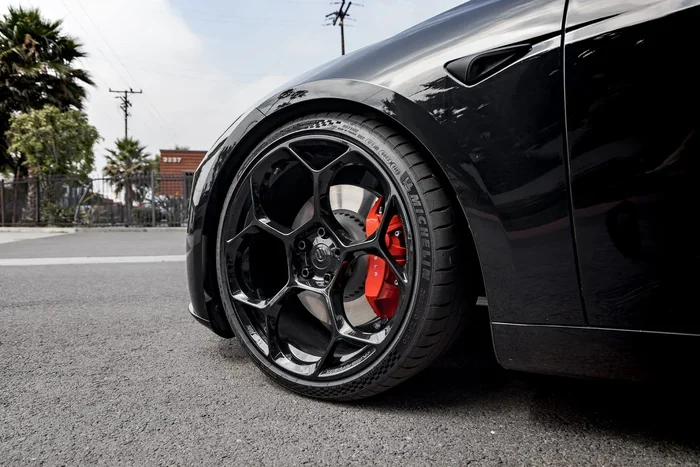
Factory Tesla wheels look clean and modern. But they can feel generic after a while. Aftermarket rims let you express your personal style. Whether you prefer a sleek multi-spoke design or a bold five-spoke look, there is a wheel out there for you. Many Tesla owners say that new rims completely change how their car turns heads on the road.
Performance Improvements
Some aftermarket rims are lighter than OEM Tesla wheels. Lighter wheels reduce unsprung mass, which means better acceleration, sharper braking, and improved ride quality. If you want your Tesla to feel more responsive on the road, upgrading to lightweight forged rims is one of the best things you can do.
Resale Value and Customization
A well-chosen set of rims can increase your Teslas resale value. Buyers notice the wheels. A clean set of aftermarket wheels signals that the car has been cared for. Plus, you can always swap back to factory wheels before selling, giving you the best of both worlds.
Understanding Tesla Wheel Specifications
Before you buy any rims, you need to understand the key specifications. These numbers tell you whether a wheel will fit your Tesla or not. Here is what you need to know.
Bolt Pattern
Every Tesla uses a 5×114.3 bolt pattern. This means there are five bolts arranged in a circle with a diameter of 114.3 millimeters. This is the most important number when shopping for aftermarket wheels. If the bolt pattern does not match, the rim will not fit at all. The good news is that almost all aftermarket rims made for Teslas use this standard pattern.
Wheel Offset
Offset is the distance between the center of the rim and the mounting surface. Tesla wheels typically have a positive offset between 35 and 50 millimeters. If you choose a rim with the wrong offset, your tires may rub against the fenders or suspension. This is one of the most common mistakes people make when putting rims on a Tesla.
Rim Width and Tire Size
Rim width and tire size go hand in hand. Tesla factory wheels range from 18 inches to 21 inches depending on the model. The recommended rim width for most Teslas falls between 8 and 9.5 inches. If you go too wide or too narrow, your tires will not seat properly, and you risk uneven wear or blowouts.
Types of Aftermarket Rims That Fit a Tesla
Not all rims are created equal. There are several types of aftermarket wheels that work well with Teslas. Here is a breakdown of the most popular options.
Alloy Rims
Alloy rims are the most common upgrade choice for Tesla owners. They are made from a blend of aluminum and other metals. Alloy rims are lighter than steel, which helps preserve your Teslas range. They also come in countless designs and finishes, from chrome to matte black. Most aftermarket wheel brands offer Tesla-specific fitments in alloy.
Forged Rims
Forged rims are the premium option. They are made by applying extreme pressure to a single block of aluminum. This process makes them incredibly strong and significantly lighter than cast or alloy rims. Forged rims are the go-to choice for owners who want maximum performance. They improve acceleration, handling, and efficiency. The trade-off is price. Forged rims can cost two to three times more than standard alloy wheels.
Cast Rims
Cast rims are made by pouring molten aluminum into a mold. They are the most affordable option and widely available. Cast rims are heavier than forged or alloy options, which can slightly reduce your Teslas range. However, they are perfectly fine for daily driving and offer a huge variety of styles.
Custom and Concave Rims
Custom rims are where things get really fun. Concave rims, deep dish designs, and staggered setups can give your Tesla a truly unique look. Many Tesla enthusiasts love the aggressive stance that custom concave wheels provide. Just be extra careful with fitment. Custom rims often require wheel adapters or spacers to clear the suspension properly.
What to Consider Before Buying Tesla Rims
Jumping into a rim purchase without doing your homework can lead to costly mistakes. Here are the key factors to consider before you buy.
Check Your Tesla Model and Year
Different Tesla models have different wheel requirements. A Model 3 rim will not always fit a Model Y, and vice versa. Always double-check the compatibility chart for your specific model and year. Tesla updates its specifications across model years, so make sure you are looking at the right data for your car.
Think About Your Driving Conditions
Where do you drive? If you live in an area with rough roads or harsh winters, you want durable rims that can handle the punishment. Alloy and forged rims hold up well in tough conditions. If you mostly drive on smooth highways, you have more flexibility in your rim choices.
Consider the Weight of the Rims
Weight matters more than most people realize. Heavier rims put more strain on your Teslas motors, brakes, and suspension. They also reduce your driving range because the car has to work harder to move the extra weight. Look for lightweight options whenever possible. Even a few pounds of reduction per wheel can make a noticeable difference in efficiency.
Budget for Tires Too
New rims almost always mean new tires. Factor the cost of tires into your budget. High-performance tires pair well with sporty aftermarket rims, but they wear faster and cost more. All-season tires are a practical choice for daily drivers. Whatever you choose, make sure the tire size matches the rim diameter and width exactly.
TPMS Sensor Compatibility
Tesla uses Tire Pressure Monitoring System sensors in each wheel. When you put new rims on a Tesla, you need to make sure the TPMS sensors fit properly. Some aftermarket rims come with TPMS valve stems included. Others require you to transfer your existing sensors or buy new ones separately. This is an easy detail to overlook, so check before you order.
How to Install Rims on a Tesla
Putting rims on a Tesla is not rocket science. Many Tesla owners handle the swap themselves at home. Here is a step-by-step look at how the process works.
Step 1: Gather Your Tools
You will need a lug wrench, a torque wrench, a jack, and jack stands. A torque wrench is essential because over-tightening or under-tightening lug nuts can be dangerous. Most Teslas require lug nuts to be torqued to around 140 foot-pounds. Check your owners manual for the exact specification.
Step 2: Remove the Factory Wheels
Loosen the lug nuts while the car is still on the ground. This prevents the wheel from spinning. Then lift the car with a jack and secure it on jack stands. Remove the lug nuts completely and pull the wheel off. Repeat for each wheel.
Step 3: Install the New Rims
Place the new rim onto the hub, making sure it sits flush. Hand-tighten the lug nuts in a star pattern to ensure even pressure. Lower the car partially so the tires touch the ground, then use the torque wrench to tighten the lug nuts to the correct specification. Repeat for all four wheels.
Step 4: Check the TPMS
After installation, check your Tesla display for TPMS warnings. If the sensors are not reading correctly, you may need to reset them or replace the valve stems. Most aftermarket rim kits include TPMS-compatible valve stems.
Step 5: Take a Test Drive
Before hitting the highway, take a short test drive around the block. Listen for any unusual sounds, and check that the car handles normally. If something feels off, pull over and recheck the lug nuts and tire pressure.
How New Rims Affect Tesla Performance
Putting new rims on a Tesla does more than change the look. It can also affect how the car drives, how far it goes, and how safe it is on the road.
Range Impact
Heavier aftermarket rims can reduce your Teslas range by 3 to 5 percent. This may not sound like much, but over long trips, it adds up. If range is important to you, stick with lightweight rims. Forged alloy wheels are the best choice for maximizing range without sacrificing style.
Ride Quality and Handling
Lighter rims improve ride quality because the suspension can react faster to road imperfections. Your Tesla will feel more planted and responsive. On the other hand, heavy or poorly balanced rims can cause vibrations, especially at highway speeds. Always have your new rims balanced after installation.
Braking and Acceleration
Smaller, lighter rims can improve braking distance because there is less rotational mass to overcome. Acceleration also feels snappier with lightweight wheels. If you want your Tesla to feel even quicker, consider downsizing slightly from the factory wheel size while keeping the overall tire diameter the same.
Common Mistakes When Putting Rims on a Tesla
Even enthusiastic Tesla owners make mistakes when upgrading their wheels. Here are the most common pitfalls to avoid.
Ignoring the Offset
The wrong offset is the number one mistake. If the rim sits too far out or too far in, it can rub against the fender or suspension components. Always verify the offset matches your Teslas specifications before purchasing.
Buying Rims Without Checking Hub Bore
Tesla wheels have a specific center bore that fits snugly over the hub. Aftermarket rims sometimes have a larger bore, which requires hub-centric rings to center the wheel properly. Without these rings, the wheel will vibrate and wear unevenly. Always check if the rim comes with hub rings or if you need to buy them separately.
Forgetting About Tire Pressure
New rims can change how your tires hold air. Make sure you use the correct tire pressure for your new rim and tire combination. Tesla recommends specific pressures based on wheel size, and running the wrong pressure can hurt range and safety.
Skipping the Torque Check
Lug nuts must be tightened to the proper torque specification. Too loose and the wheel can come off. Too tight and you risk warping the brake rotor or damaging the hub. Always use a torque wrench and never rely on a gut feeling.
Expert Insights on Tesla Rim Upgrades
We spoke with several Tesla mechanics and wheel specialists to get their top tips for rim upgrades. Here is what they had to say.
Start with OEM-compatible aftermarket wheels. Brands like BBS, OZ Racing, and aftermarket Tesla-specific manufacturers offer wheels that match factory specifications exactly. These are the safest bet for a first-time upgrade.
Do not go too aggressive on size. Jumping from 18-inch factory wheels to 22-inch aftermarket rims might look cool, but it often comes at the cost of ride comfort and range. A one or two size up is usually the sweet spot.
Get a professional alignment after installation. Even a slight change in wheel position can affect alignment. A proper alignment ensures even tire wear and keeps your Tesla driving straight and true.
Frequently Asked Questions
Can I put any rim on my Tesla?
Not just any rim. You need to match the 5×114.3 bolt pattern, the correct offset, and the right hub bore diameter. As long as those three specs align, most aftermarket rims will fit a Tesla. Always double-check compatibility before purchasing.
Will aftermarket rims void my Tesla warranty?
Aftermarket rims themselves do not automatically void your warranty. However, if a wheel-related issue causes damage to the suspension, brakes, or other components, Tesla may deny the claim if they determine the aftermarket rim was the cause. Keep your factory wheels in case you need them for warranty service.
Do I need wheel spacers for aftermarket rims?
It depends on the rim offset and width. If the aftermarket rim sits too close to the suspension or fender, spacers can push the wheel out to the correct position. Always use hub-centric spacers that match your bolt pattern, and never use spacer sizes that exceed what your Tesla is designed to handle.
Can I put larger rims on a Tesla without changing tires?
No. Larger rims require lower-profile tires to maintain the same overall wheel diameter. Changing rim size without adjusting the tire size will throw off your speedometer, affect handling, and may cause rubbing. Always match the total wheel diameter when upgrading.
Are forged rims worth the extra cost for a Tesla?
Forged rims are lighter, stronger, and more durable than cast or alloy options. They improve acceleration, braking, and efficiency. If you drive your Tesla frequently or want the best possible performance, forged rims are worth the investment. For casual daily driving, quality alloy rims are a great and more affordable alternative.
How much does it cost to put aftermarket rims on a Tesla?
The cost varies widely depending on the rim brand, material, and size. Aftermarket alloy rims typically range from $300 to $1,000 per wheel. Forged rims can cost $1,000 to $3,000 per wheel. Add tire costs, installation fees, and potential TPMS sensor replacements to your budget for a complete picture.
Final Thoughts on Putting Rims on a Tesla
The answer to can you put rims on a Tesla is a resounding yes. Thousands of Tesla owners upgrade their wheels every year, and the process is straightforward when you follow the right specifications. The key is to match bolt patterns, offsets, rim widths, and hub bore sizes to your specific Tesla model.
Take your time when shopping for aftermarket rims. Compare options, read reviews, and verify fitment before you buy. Whether you choose lightweight alloy wheels for better efficiency or custom forged rims for a head-turning look, the right set of wheels will elevate your Tesla driving experience.
Remember to budget for new tires, TPMS sensors, and professional installation if needed. A proper rim upgrade is an investment in both style and performance. And once you see your Tesla rolling on a fresh set of wheels, you will know it was worth every penny. Go ahead and make the swap your Tesla deserves it.