How Does the Toyota Highlander Hybrid Work Explained
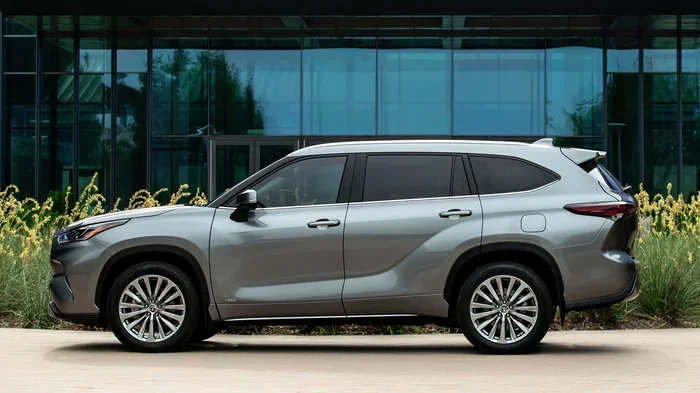
The Toyota Highlander Hybrid combines a gasoline engine with electric motors to deliver smooth, efficient power. It uses a clever system called Hybrid Synergy Drive to switch between power sources seamlessly. Understanding how this system works helps owners get the most from their vehicle. This guide breaks down every major component in simple, easy-to-follow terms.
The Toyota Highlander Hybrid has become one of the most popular three-row SUVs on the market. But how exactly does it work? If you have ever wondered what happens under the hood when you press the start button, you are not alone. This guide breaks down the technology in plain, simple language that anyone can understand.
Whether you are a current Highlander Hybrid owner or someone shopping for a new SUV, knowing how the system works gives you an edge. You will understand why the vehicle feels so smooth, why the fuel economy is so good, and what makes the hybrid system different from a regular car. Let us dive in.
Key Takeaways
- The Highlander Hybrid uses two electric motors and a gasoline engine working together through a power split device.
- Regenerative braking captures energy normally lost during braking and stores it in the hybrid battery for later use.
- Multiple driving modes let you choose between maximum efficiency and sportier performance depending on your needs.
- The hybrid battery is designed to last many years with proper care and maintenance routines.
- Fuel economy in the Highlander Hybrid is significantly better than its gas-only counterpart, saving money over time.
- You can start the Highlander Hybrid with a key fob or a physical key, offering flexibility and convenience.
📑 Table of Contents
What Makes the Toyota Highlander Hybrid Unique
The Highlander Hybrid stands out because it uses a full hybrid system. This means it has both a gasoline engine and electric motors that work together. Unlike a plug-in hybrid, you do not need to charge it at an outlet. The car handles everything on its own.
This system is known as Toyota Hybrid Synergy Drive. It has been refined over decades of real-world use. Toyota engineers designed it to be reliable, efficient, and effortless to drive. The result is an SUV that feels just like a normal car but sips fuel instead of guzzling it.
The Core Components
Several key parts make the Highlander Hybrid work. Each one plays a specific role in delivering power to the wheels. Here is a quick look at what is inside:
- 2.5L Four-Cylinder Gasoline Engine: This is the primary power source. It runs on regular gasoline and kicks in when extra power is needed.
- Two Electric Motors: One motor handles low-speed driving. The second motor assists during acceleration and helps with regeneration.
- Power Split Device: This clever gearbox-like component splits power between the engine and the motors. It ensures smooth transitions between power sources.
- Hybrid Battery Pack: A set of nickel-metal hydride or lithium-ion batteries stores energy recovered during driving.
- Power Control Unit: This electronic brain manages the flow of electricity between the motor, battery, and engine.
Together, these components create a drivetrain that is far more efficient than a traditional gasoline-only setup. The system constantly monitors driving conditions and adjusts power delivery accordingly. This happens so smoothly that you barely notice the switches between electric and gas power.
The Hybrid Powertrain: How It All Comes Together
Understanding the hybrid powertrain is the key to understanding the Highlander Hybrid. The system does not just alternate between gas and electric. It blends them together in ways that maximize both performance and efficiency. Let us look at how this works in everyday driving.
How Power Gets to the Wheels
When you start the Highlander Hybrid, the electric motor often does the initial work. It moves the car quietly at low speeds, such as when pulling out of a driveway or navigating a parking lot. This is called EV mode, and it uses zero gasoline.
As you press the accelerator harder, the gasoline engine gradually joins in. The power split device manages this transition so smoothly that you barely feel it. At highway speeds, both the engine and the electric motor may work together to provide extra passing power.
Here is how the power flow typically works:
- The electric motor handles low-speed, light-load driving.
- The gasoline engine takes over during steady cruising.
- Both power sources combine during hard acceleration.
- The electric motor assists during uphill climbs and heavy loads.
This blending of power sources is what gives the Highlander Hybrid its impressive fuel economy. You get the best of both worlds. The electric motor provides quiet, efficient driving, while the gas engine delivers the range and power you need for road trips.
The Role of the Transmission
The Highlander Hybrid uses a e-CVT, or electronic continuously variable transmission. Unlike a traditional automatic with fixed gears, the e-CVT has no gear shifts at all. This is why the Highlander Hybrid feels so seamless when accelerating.
The e-CVT works hand in hand with the power split device. Together, they adjust the ratio between the engine and the electric motors based on driving conditions. There is no jerking, no lag, and no noticeable shift points. The result is a driving experience that feels natural and refined.
Regenerative Braking: Capturing Energy on the Go
One of the smartest features of the Highlander Hybrid is regenerative braking. In a regular car, when you hit the brakes, all that kinetic energy turns into heat and gets wasted. The Highlander Hybrid captures that energy and puts it to good use.
How Regenerative Braking Works
When you lift off the accelerator or press the brake pedal, the electric motors reverse their role. Instead of using electricity to move the car, they act as generators. They convert the vehicle’s momentum back into electrical energy.
This electricity then flows back into the hybrid battery for storage. Later, that stored energy powers the electric motor during acceleration or low-speed driving. It is a brilliant cycle that keeps the battery topped up without ever needing a plug.
Here is what happens during a typical regenerative braking event:
- You take your foot off the accelerator pedal.
- The electric motors begin generating electricity.
- The vehicle slows down smoothly using motor resistance.
- The captured energy charges the hybrid battery pack.
- The stored energy is ready for the next acceleration burst.
You may notice that the Highlander Hybrid has stronger regenerative braking than a regular car. When you lift off the gas, the car slows down more noticeably. This is normal and is a sign that the system is working correctly. Some drivers call this “one-pedal driving” because you can slow down and stop using mostly the accelerator pedal.
Driving Modes and Performance
The Toyota Highlander Hybrid offers multiple driving modes that change how the system behaves. Each mode adjusts the balance between the gasoline engine and the electric motors. This lets you tailor the driving experience to your current needs.
Normal Mode
Normal mode is the default setting. It balances fuel efficiency with everyday performance. The system automatically decides when to use electric power and when to engage the gasoline engine. For most drivers, this mode works perfectly for daily commuting and errands.
Sport Mode
Sport mode sharpens the throttle response and holds the engine in the power band longer. You will notice more immediate acceleration and a more engaging driving feel. The electric motors still assist, but the gasoline engine plays a bigger role. This mode is great for highway merging or when you need extra confidence behind the wheel.
You can also switch to sport mode while driving a Toyota without any special procedures. Just press the Sport button on the console, and the system adjusts instantly.
EV Mode
EV mode lets you drive using only the electric motor for short distances. This is perfect for parking lots, residential streets, or any situation where you want zero emissions and near-silent operation. EV mode works best at low speeds and light loads.
Keep in mind that EV mode only lasts as long as the battery has charge. Once the battery level drops, the system automatically switches to a blended mode. This ensures you never get stranded with a dead battery.
Hybrid Battery and Longevity
The hybrid battery is the heart of the Highlander Hybrid system. It stores the energy that powers the electric motors and captures energy through regenerative braking. Taking care of this battery is essential for long-term ownership.
How Long Does the Hybrid Battery Last?
Toyota designs the Highlander Hybrid battery to last many years. In most cases, the battery should survive the life of the vehicle. Many owners report hybrid battery life well beyond 200,000 miles with proper maintenance. The exact lifespan depends on driving habits, climate, and how well you follow maintenance schedules.
If you want to maximize your battery’s lifespan, there are a few things you can do. First, avoid letting the battery drain completely. Second, try to use regenerative braking opportunities whenever possible. Third, keep up with scheduled maintenance visits. You can also read more about how to keep your hybrid battery healthy for additional tips.
Can You Make the Battery Last Even Longer?
Absolutely. There are several practical steps you can take to extend the life of your hybrid battery. Avoid aggressive driving habits that constantly drain and recharge the battery. Keep the vehicle in a shaded or covered area when possible, especially in hot climates. Also, make sure the battery cooling system stays in good working order.
For more detailed guidance on extending battery life, check out our article on how to make your hybrid battery last longer. It covers proven strategies that real Highlander Hybrid owners use every day.
Is the Highlander Hybrid Right for You?
The Highlander Hybrid is an excellent choice for many families and drivers. But like any vehicle, it comes with trade-offs. Let us look at the pros and cons to help you decide if it fits your lifestyle.
Benefits of the Highlander Hybrid
- Excellent Fuel Economy: The Highlander Hybrid delivers significantly better mileage than the gas-only version. This saves real money at the pump over time.
- Smooth, Quiet Driving: The electric motor provides a refined, hushed ride, especially in city driving conditions.
- No Plug Required: Unlike plug-in hybrids, the standard Highlander Hybrid charges itself. You never need to find an outlet.
- Strong Resale Value: Toyota hybrids hold their value well. The Highlander Hybrid is no exception.
- All-Wheel Drive Available: The hybrid system works with AWD for confident handling in rain, snow, and light off-road conditions.
Things to Consider
- Higher Upfront Cost: The hybrid version costs more than the base gas model. However, fuel savings can offset this over several years.
- Heavier Vehicle Weight: The battery pack adds weight, which can slightly affect handling compared to the lighter gas-only model.
- Limited EV Range: The electric-only mode is short-range. It works best for low-speed, short-distance driving.
If you want a family SUV that is efficient, reliable, and comfortable, the Highlander Hybrid is hard to beat. It combines the practicality of a three-row SUV with the benefits of hybrid technology. For those wondering about the hybrid vs plug-in hybrid debate, the standard Highlander Hybrid is the simpler, no-hassle option.
Common Questions About the Highlander Hybrid
Before we wrap up, let us address a few questions that many Highlander Hybrid owners ask. These tips can help you get the most out of your vehicle from day one.
One common question is about starting the vehicle. You can start your Toyota Highlander with a key fob or use the push-button start system. Both methods work reliably, and the hybrid system initializes automatically when you start the car.
Another frequent question involves warranty coverage. If you own a 2020 model or newer, it is worth checking for any recalls on the 2020 Toyota Highlander. Staying current on recalls ensures your hybrid system continues to operate safely and efficiently.
Finally, if you ever need service work, you might wonder whether any dealership can handle it. Toyota recommends using a Toyota dealer for warranty-related repairs, though you can visit any qualified shop for routine maintenance.
Conclusion
The Toyota Highlander Hybrid is a brilliantly engineered vehicle that combines the best of gasoline and electric power. Its hybrid powertrain delivers smooth acceleration, impressive fuel economy, and a quiet, refined ride. The regenerative braking system captures energy that would otherwise be wasted, and the multiple driving modes let you adapt to any situation.
Understanding how the Highlander Hybrid works helps you appreciate the engineering that goes into every drive. It also helps you take better care of your vehicle over the long haul. From the power split device to the hybrid battery, every component works together as a unified system.
Whether you are a new owner or considering your first Highlander Hybrid, this guide gives you the foundation you need. The Highlander Hybrid is more than just an SUV. It is a smart, efficient, and enjoyable way to drive. Embrace the hybrid experience and enjoy the benefits for years to come.
For additional information on your Toyota Highlander, explore our other resources on the site. Whether you need help with maintenance, troubleshooting, or just want to learn more about your vehicle, we have you covered.