Why Wont My Prius Ignition Turn Try These Fixes Now
A Prius ignition that won’t turn can be caused by a dead battery, faulty key fob, worn starter motor, or a stuck ignition switch. Understanding these root causes helps you troubleshoot quickly and avoid costly repairs. This guide walks you through every possible fix step by step, from simple battery checks to recognizing when you need a professional mechanic.
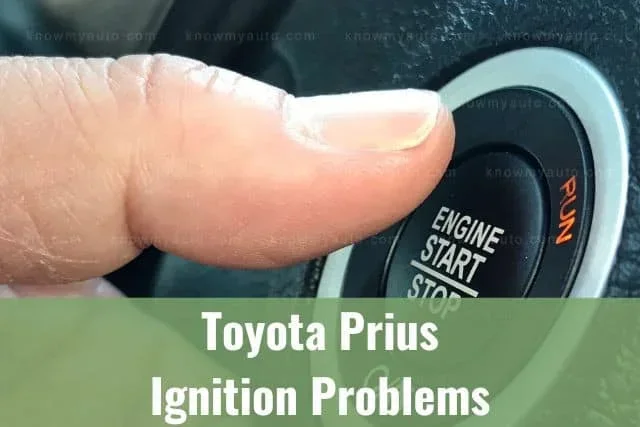
There’s nothing more frustrating than turning your Prius key — or pressing that push button — and hearing nothing. No cranking. No engine start. Just silence. If you’re asking yourself “Why won’t my Prius ignition turn?” you’re not alone. This is one of the most common issues Toyota Prius owners face, and the good news is that most causes are easy to fix. Whether your Prius is a older model or a newer hybrid, the ignition system works the same way at its core. In this guide, we’ll walk you through every possible reason your Prius ignition won’t turn and give you clear, actionable fixes you can try right now.
The Toyota Prius is known for reliability, but no car is immune to problems. Ignition issues can stem from something as simple as a dead 12-volt battery or as complex as a faulty ignition switch. What makes the Prius unique is its hybrid system. Your car has both a 12-volt auxiliary battery and a high-voltage hybrid battery pack. When either one fails, your ignition can be affected. Let’s dive into the causes and solutions so you can get back on the road confidently.
Key Takeaways
- Dead or weak hybrid battery is the most common reason a Prius ignition won’t turn.
- A failing key fob battery can prevent the smart key system from recognizing your key.
- Worn starter motor or solenoid causes a clicking noise but no engine crank.
- Ignition switch failure is a less common but serious issue requiring professional attention.
- Simple troubleshooting steps like checking battery terminals and shifting gears can resolve the problem fast.
📑 Table of Contents
Why Won’t My Prius Ignition Turn? Top Causes Explained
Before you panic, take a deep breath. Most ignition problems have straightforward solutions. The key is knowing what to look for and in what order to check things. Below are the most common reasons your Prius ignition won’t turn, starting with the simplest fix.
1. Dead or Weak 12-Volt Battery
This is the number one culprit. Your Prius uses a standard 12-volt battery to power the ignition system, lights, and electronics. When this battery dies, your car simply won’t start. You might notice dim dashboard lights or a slow click when you turn the key. If you’ve left your lights on overnight or your Prius has sat unused for a while, a dead battery is very likely the cause.
To check your battery, look at the dashboard when you press the power button. Do the lights come on at all? If they’re dim or completely dark, your battery needs attention. You can also check the battery terminals for corrosion — look for white or greenish buildup on the terminals. Clean terminals with a wire brush and make sure the cables are tight.
If your battery is dead, you have a few options. You can jump-start your Prius using another vehicle or a portable jump starter. Jump-starting a Prius is different from a regular car because of the hybrid system, so follow the correct procedure carefully. Alternatively, you can replace the 12-volt battery entirely. These batteries are affordable and widely available at auto parts stores.
2. Failing Key Fob or Smart Key System
If your Prius has a smart key system, the ignition relies on your key fob to communicate with the car. When the key fob battery dies, the car can’t recognize the fob, and the ignition won’t respond. This is an incredibly common issue, especially if you’ve had your fob for a year or two without replacing the battery.
Signs of a failing key fob battery include:
- The push-button start doesn’t respond when you press it
- The dashboard shows a key fob warning light
- You need to press the fob very close to the start button for it to work
- The remote lock/unlock functions are weak or non-existent
To fix this, replace the CR2032 or CR2025 battery inside your key fob. It’s a simple five-minute job. Open the fob with a small flathead screwdriver, swap out the old battery, and snap it back together. If you’re unsure which battery your fob uses, check the owner’s manual or search for how to know if your key fob needs a new battery for a detailed walkthrough.
As a temporary workaround, most Prius models have a hidden key fob slot near the start button. Place your fob against this slot, and the car should recognize it even with a dead internal battery.
3. Faulty Starter Motor or Solenoid
The starter motor is what cranks your engine when you turn the key or press the start button. When it fails, you’ll usually hear a single loud click or a rapid clicking sound, but the engine won’t turn over. A worn starter motor is a more serious issue than a dead battery, but it’s still fixable.
Starter motors wear out over time, especially in higher-mileage Prius models. The solenoid — a small switch that activates the starter — can also fail independently. Signs of a bad starter include:
- Clicking sound when you turn the ignition
- No sound at all when pressing the start button
- Intermittent starting problems that come and go
- Starter engages but engine doesn’t crank
Replacing a starter motor typically requires a visit to a mechanic or a skilled DIYer. The cost ranges from $200 to $400 for parts and labor, depending on your Prius model year. It’s not a cheap fix, but it’s far cheaper than replacing the entire vehicle.
4. Ignition Switch Failure
The ignition switch is the mechanical or electrical component that sends power from the battery to the starter and ignition system. When it fails, your Prius may not respond at all when you turn the key. This is a less common issue but one that can leave you stranded.
Ignition switch problems can be caused by wear and tear, electrical shorts, or even moisture inside the switch. Signs of a failing ignition switch include:
- The dashboard lights flicker when you turn the key
- The car starts intermittently before failing completely
- You need to wiggle the key to get it to turn
- The accessory and ignition positions feel loose or sticky
If you suspect the ignition switch, it’s best to have a professional diagnose it. Replacing an ignition switch is a moderate repair that typically costs between $150 and $300. Always make sure you’re working with a qualified technician for this type of repair.
5. Shift Lever Not in Park or Neutral
This one is surprisingly common and easy to overlook. Many Prius models will not allow the ignition to turn unless the transmission is fully in Park or Neutral. If the shifter is slightly between positions, the car’s safety system will prevent starting.
To fix this, simply press the brake pedal firmly and shift the lever fully into Park. Then try starting again. If the shifter feels stiff or stuck, the shift interlock solenoid might be faulty. This small component can fail and prevent you from moving the shifter into Park, which blocks ignition. Tapping on the shifter or pressing the release button (usually near the shifter) can help free it up.
6. Hybrid Battery Issues
Your Prius’s high-voltage hybrid battery pack powers the electric motor and supports the gas engine. While a completely dead hybrid battery won’t directly prevent ignition, a severely degraded pack can cause the car to refuse to start as a safety measure. The car’s computer may shut down the entire system if it detects a serious fault in the hybrid system.
Signs of hybrid battery problems include:
- The red triangle warning light is on the dashboard
- The car displays hybrid system error messages
- You’ve noticed reduced fuel economy recently
- The battery charge indicator shows very low or empty
If you suspect hybrid battery issues, it’s important to address them promptly. A failing hybrid battery can affect your entire driving experience. Check out our guide on how to keep your hybrid battery healthy for preventive maintenance tips that can extend your battery life significantly.
How to Troubleshoot Your Prius Ignition Step by Step
Now that you know the most common causes, let’s walk through a systematic troubleshooting process. Following these steps in order will help you identify and potentially fix the problem quickly.
Step 1: Check the Dashboard Lights
When you press the power button or turn the key, do any lights come on at all? If the dashboard is completely dark, your 12-volt battery is the most likely culprit. If lights are on but the engine won’t start, move to the next step.
Step 2: Check the Key Fob Battery
Replace the key fob battery. This takes two minutes and solves the problem in a huge number of cases. Use the hidden key fob slot as a backup if needed.
Step 3: Verify the Gear Position
Make sure the shifter is fully in Park. Press the brake pedal firmly and try again. Wiggle the shifter slightly to ensure it’s fully engaged.
Step 4: Inspect the Battery Terminals
Look at the battery terminals for corrosion or loose connections. Clean them with a wire brush and tighten the cable clamps. If the battery is more than three to five years old, consider replacing it.
Step 5: Listen for Clicks or Sounds
When you turn the key or press start, do you hear a single click, rapid clicking, or nothing at all? A single click often points to the starter motor or solenoid. Rapid clicking usually means a weak battery. No sound at all could indicate an ignition switch problem.
Step 6: Seek Professional Help
If none of the above steps resolve the issue, it’s time to visit a mechanic or Toyota dealership. They have diagnostic tools that can read error codes from your car’s computer and pinpoint the exact problem.
Preventing Future Prius Ignition Problems
Once you’ve fixed your ignition issue, you’ll want to prevent it from happening again. Regular maintenance is the best defense against unexpected car problems.
Replace your 12-volt battery every three to five years. Even if it seems fine, batteries degrade over time and can fail without warning. Keep a portable jump starter in your trunk, especially during cold weather when batteries are more likely to fail.
Replace your key fob battery annually. It’s a cheap and easy preventive step. Set a calendar reminder so you don’t get caught off guard.
Keep your hybrid battery healthy. Follow the maintenance schedule in your owner’s manual. Avoid letting the hybrid battery level drop too low for extended periods. If you notice any warning lights or decreased performance, address them immediately.
Keep your battery terminals clean. Corrosion is a slow killer for electrical connections. A quick inspection every few months can save you from being stranded.
Want to learn more about maintaining your Prius’s electrical system? Check out how to check your car battery for a comprehensive guide on testing and maintaining your battery health.
When to See a Professional Mechanic
Not every ignition problem can be fixed at home, and that’s okay. Some issues require specialized tools and expertise. You should see a professional if:
- You’ve tried all the basic troubleshooting steps and the car still won’t start
- The red triangle or hybrid system warning light is illuminated
- You hear grinding or unusual mechanical noises when turning the key
- The ignition switch feels physically damaged or stuck
- Your Prius is a high-mileage vehicle and the starter motor needs replacement
A qualified Toyota technician can run diagnostic tests on your hybrid system, ignition circuit, and starter motor to find the root cause quickly. Trying to repair complex electrical issues without proper knowledge can make things worse and potentially void your warranty.
Final Thoughts on Prius Ignition Problems
A Prius ignition that won’t turn is almost always caused by one of the issues we’ve covered in this guide. Start with the simplest explanations — a dead battery or dead key fob battery — and work your way up to more complex causes like starter motor or ignition switch failure. Most Prius owners will find that their ignition problem is something they can fix themselves with a few basic tools and about ten minutes of time.
The Toyota Prius is a remarkable vehicle, and its hybrid system adds a layer of complexity that traditional cars don’t have. But that complexity also means more things to check when something goes wrong. By understanding how your Prius ignition system works and what can go wrong, you’re already ahead of most car owners. Stay proactive with maintenance, keep spare batteries on hand, and don’t hesitate to call a professional when you need one.
Remember, the most important thing is to stay calm and work through the troubleshooting steps systematically. Your Prius will be running again before you know it.
Frequently Asked Questions
Why won’t my Prius start even though the battery is good?
If your 12-volt battery is healthy but your Prius still won’t start, the issue could be with the key fob battery, the starter motor, the ignition switch, or the hybrid battery system. Check the key fob first, as this is the most common overlooked cause. If the fob is fine, try shifting the car fully into Park and pressing the brake pedal firmly before attempting to start again.
How do I know if my Prius starter motor is bad?
A bad starter motor typically produces a single loud click or rapid clicking when you turn the ignition, but the engine won’t crank. You may also notice that starting becomes intermittent before the starter fails completely. A mechanic can test the starter motor with a multimeter to confirm whether it needs replacement.
Can a dead hybrid battery prevent my Prius from starting?
A completely dead hybrid battery can cause the car’s computer to shut down the entire system as a safety precaution, preventing the ignition from working. While the 12-volt battery is what actually cranks the engine, the hybrid system must be functioning for the car to start normally. If you see the red triangle warning light, have the hybrid battery inspected by a professional.
How much does it cost to fix a Prius ignition switch?
Replacing a Prius ignition switch typically costs between $150 and $300, including parts and labor. The exact price depends on your model year and where you have the repair done. Toyota dealerships may charge more than independent mechanics, but they often provide warranty coverage on the repair.
What should I do if my Prius ignition is stuck and won’t turn?
If your ignition is physically stuck, do not force the key. First, make sure the shifter is fully in Park and the brake pedal is pressed. Try gently wiggling the steering wheel while turning the key, as the steering lock can sometimes engage and prevent ignition. If the key still won’t turn, the ignition cylinder may need professional replacement.
Can I drive my Prius if the hybrid battery is dead?
In most cases, a Prius with a completely dead hybrid battery will not run at all, as the car relies on the hybrid system to function. However, some owners have reported limited operation on the 12-volt battery alone in emergency situations. For detailed information, check out our article on can you drive a Prius without the hybrid battery for a thorough explanation of what happens when the hybrid battery fails.
=== CONCLUSION ===
A Prius ignition that won’t turn can be scary, but it’s almost always fixable. The most common causes are a dead 12-volt battery, a dead key fob battery, or the shifter not being fully in Park. By working through the troubleshooting steps in this guide, you can identify the problem and apply the right fix. Regular maintenance — including timely battery replacements and keeping your hybrid system in good shape — goes a long way toward preventing ignition problems in the future. If the issue persists after basic troubleshooting, don’t hesitate to seek professional help. Your Prius is a dependable machine, and with the right care, it will keep running smoothly for years to come.