Why Was the Prius Discontinued and What Took Its Place
The Prius was discontinued because Toyota shifted its focus toward newer hybrid and electric vehicles that better match modern driver expectations. The Prius replacement includes the Prius Prime, the Toyota bZ4X, and expanded hybrid options across the Toyota lineup. If you are wondering what took the Prius’s place, the answer is a broader Toyota electrification strategy that goes far beyond one single model.
The Toyota Prius was once the car that put hybrid technology on the map. For nearly three decades, this quirky hatchback symbolized efficiency, eco-consciousness, and forward-thinking engineering. But then something surprising happened. Toyota stopped making it. The question on every gearhead’s mind is simple: why was the Prius discontinued? And more importantly, what took its place?
This is not just a story about one car being axed. It is a bigger story about how the entire automotive industry is changing. Toyota made a strategic decision to move away from a single-icon model and toward a broader electrification strategy. The reasons behind this shift are fascinating, and the replacements they chose are even more interesting.
Whether you are a loyal Prius fan, a curious shopper, or just someone who wants to understand where Toyota is headed, this article has you covered. We will dig deep into the real reasons the Prius was discontinued, explore every model that replaced it, and look at what this means for the future of Toyota hybrids and electric vehicles.
Key Takeaways
- Sales decline drove the decision: The Prius lost market share as competitors launched better-looking and more efficient hybrid vehicles.
- Toyota shifted to a multi-model approach: Instead of one flagship hybrid, Toyota now offers hybrid versions of nearly every vehicle in its lineup.
- The Prius Prime and bZ4X stepped in: These models carry the torch for Toyota’s electrified future.
- Used Prius values are holding strong: Even though production ended, the Prius remains a reliable and fuel-efficient choice on the used market.
- Toyota’s EV strategy is expanding rapidly: The company is investing heavily in battery technology and new electric platforms.
- Hybrid technology keeps evolving: Newer Toyota hybrids offer better performance, design, and efficiency than the original Prius ever did.
📑 Table of Contents
The Rise of the Toyota Prius
To understand why the Prius was discontinued, you first need to appreciate what it once was. The original Prius launched in Japan in 1997 and arrived in the US market in 2000. It was unlike anything else on the road. A hybrid sedan that could deliver over 50 miles per gallon? That was a game-changer at the time.
The Prius quickly became a cultural icon. Hollywood stars drove it. Environmentalists championed it. It was the car that proved hybrid technology was not just a gimmick. For years, the Prius was the go-to choice for anyone who wanted to save fuel and reduce their carbon footprint.
The Prius Through the Years
Toyota released several generations of the Prius over the decades. Each version brought improvements in design, efficiency, and technology. The third generation (2010-2015) was a huge seller. The fourth generation (2016-2022) refined the formula even further. But somewhere along the way, the magic started to fade.
By the late 2010s, the Prius faced growing competition. Honda launched the Accord Hybrid and the Insight. Hyundai introduced the Ioniq. Even traditional sedans were getting hybrid powertrains. The Prius no longer stood out the way it once did. Its distinctive looks, which once turned heads, now felt outdated to many buyers.
Why Was the Prius Discontinued?
The decision to discontinue the Prius was not made overnight. Toyota carefully weighed many factors before pulling the plug on its most famous model. Here are the real reasons behind the Prius discontinuation.
Declining Sales and Market Shift
Sales numbers tell a clear story. The Prius peaked in popularity in the early 2010s. By the mid-2020s, sales had dropped significantly. Consumers started gravitating toward SUVs and trucks, which dominate the American market. A compact hybrid sedan simply could not compete with the popularity of models like the RAV4 and the Highlander.
Toyota noticed this shift early. Instead of pouring resources into a declining sedan segment, the company decided to invest in hybrid SUVs and crossovers. The RAV4 Hybrid became a massive hit. The Highlander Hybrid followed suit. These vehicles offered the same fuel efficiency as the Prius but in a more popular body style.
The Prius Design Fell Behind
Let us be honest. The Prius design became a liability. The original first-generation Prius had a unique, futuristic look that made it stand out. But by the fourth generation, the design felt stale. Other automakers caught up and surpassed the Prius in terms of styling and interior quality.
Buyers today want sleek, modern interiors and bold exterior designs. The Prius struggled to deliver that. Meanwhile, Toyota’s newer models featured cutting-edge technology and premium finishes. The Prius simply could not keep up with the competition in the luxury and tech departments.
A Strategic Pivot Toward Broader Hybrid Options
Toyota realized that having one flagship hybrid model was no longer the best strategy. Instead of relying on a single car to represent hybrid technology, Toyota decided to embed hybrid powertrains across its entire lineup. This approach gives customers more choices and allows Toyota to capture market share in multiple segments at once.
This is a smart move. When you can buy a hybrid Camry, a hybrid Corolla, a hybrid RAV4, and a hybrid Tacoma, you do not need one dedicated hybrid sedan to carry the torch. The Toyota hybrid strategy became about volume and variety rather than relying on one icon.
Battery Technology and the Shift Toward EVs
The automotive industry is moving toward full electric vehicles. Toyota has been investing heavily in battery technology and EV platforms. The company launched the Toyota bZ4X as part of its new “bZ” (beyond Zero) electric lineup. This shift in focus meant that the resources once dedicated to the Prius could be redirected toward developing next-generation electric vehicles.
The Prius was a bridge technology. It helped Toyota and the industry transition from gasoline to hybrid. But now, the industry is moving past hybrids toward full electrification. Toyota wants to be positioned at the forefront of that transition, and that requires new platforms, new thinking, and a fresh product strategy.
What Took the Prius’s Place?
So if the Prius is gone, what replaced it? Toyota did not just leave a hole in its lineup. The company introduced several models that pick up where the Prius left off. Let us look at the Prius replacement options in detail.
The Toyota Prius Prime
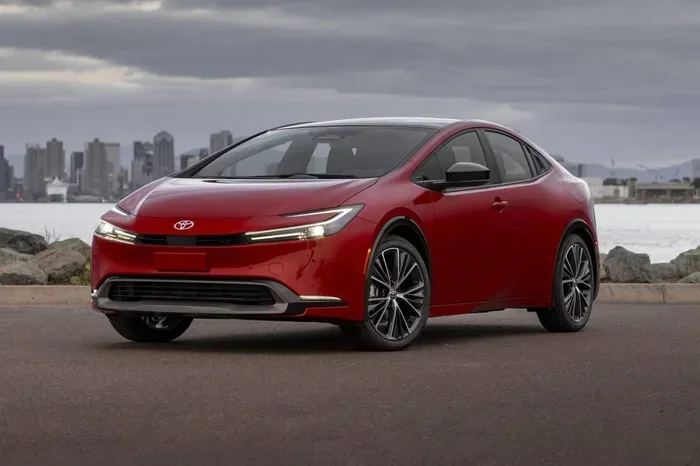
Toyota did not kill the Prius name entirely. The Prius Prime remains in production and serves as the direct successor to the original Prius. The Prime is a plug-in hybrid, which means you can charge it at home and drive on electric power alone for a limited range. This makes it more versatile than the old Prius, which relied solely on its hybrid system.
The Prius Prime delivers around 54 miles of all-electric range, which is impressive for a compact hybrid. You can charge a Prius Prime at a Tesla station using an adapter, making charging more convenient than ever. If you want the best of both worlds, the Prius Prime is the closest thing to a modern Prius experience.
For owners who want to keep their Prius running smoothly, knowing how to maintain the hybrid battery is essential. You can find helpful resources like this guide on driving a Prius without the hybrid battery to better understand your vehicle’s capabilities.
The Toyota bZ4X
The Toyota bZ4X represents Toyota’s future. It is a fully electric SUV that replaces the Prius’s role as Toyota’s eco-friendly flagship. The bZ4X offers a modern electric driving experience with zero emissions and cutting-edge technology.
One of the best things about the bZ4X is charging flexibility. Toyota has partnered with various charging networks, and you can even get free charging for the bZ4X through certain promotions and partnerships. This makes the transition to electric more accessible and affordable for buyers who are hesitant about charging costs.
The bZ4X is not just a Prius replacement. It is a statement about where Toyota is heading. The company is putting its full weight behind electric vehicles and using the lessons learned from the Prius to build better EVs.
The Toyota Corolla Hybrid
The Toyota Corolla Hybrid is another strong contender in the Prius’s absence. The Corolla has always been Toyota’s best-selling car worldwide, and adding a hybrid variant to the lineup gives buyers an affordable, efficient option that does not require the Prius badge.
The Corolla Hybrid delivers excellent fuel economy, a comfortable ride, and Toyota’s proven reliability. It may not have the same cult following as the Prius, but it offers everything most buyers need in a fuel-efficient daily driver. Plus, the Corolla Hybrid comes in both sedan and hatchback body styles, giving buyers more variety than the old Prius ever did.
The Toyota RAV4 Hybrid
If there is one model that truly replaced the Prius in terms of popularity, it is the RAV4 Hybrid. The RAV4 is the best-selling SUV in America, and the hybrid version combines that popularity with outstanding fuel efficiency. The RAV4 Hybrid gets around 40 miles per gallon combined, which is competitive with or better than the old Prius.
The RAV4 Hybrid also offers more utility. It has more cargo space, higher seating position, and better capability for families. For many buyers who chose the Prius for its efficiency, the RAV4 Hybrid delivers the same benefits in a more practical package. You can learn more about maintaining Toyota hybrid systems with resources like this guide on jump-starting a Prius to keep your hybrid vehicle running strong.
The Toyota Electrification Strategy
Toyota’s decision to discontinue the Prius is part of a much larger Toyota electrification strategy. The company has announced ambitious plans to expand its hybrid and electric vehicle offerings over the next decade. Here is what you need to know about where Toyota is headed.
More Hybrids, More Models
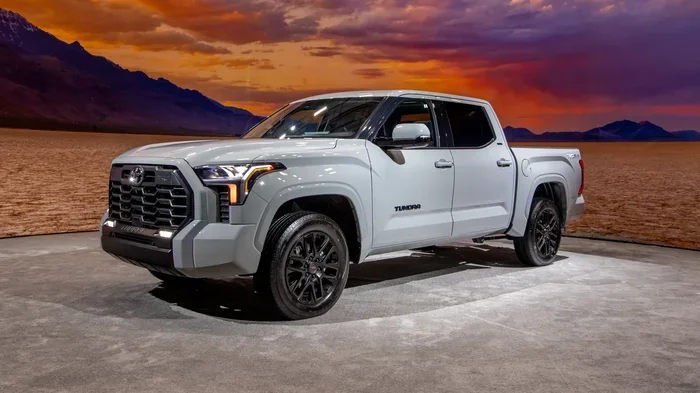
Toyota plans to offer hybrid versions of nearly every model it sells. From the compact Corolla to the full-size Tundra, hybrid powertrains will become the norm rather than the exception. This approach ensures that buyers have access to fuel-efficient options no matter what type of vehicle they want.
The strategy also helps Toyota meet tightening emissions regulations around the world. By making hybrids standard across the lineup, Toyota can reduce its overall fleet emissions without relying on a single model to do all the heavy lifting.
Investing in Battery Technology
Toyota has invested billions of dollars in battery research and development. The company is working on solid-state batteries, which promise to revolutionize electric vehicles with faster charging times and longer ranges. Toyota is also building new battery manufacturing plants to secure its supply chain and reduce costs.
This investment in battery technology means that future Toyota EVs will be competitive with the best offerings from other automakers. The lessons Toyota learned from the Prius, particularly about hybrid battery management and efficiency, directly inform its EV development efforts.
A Global Approach
It is worth noting that the Prius was discontinued primarily in the US market. In other regions, particularly Japan, the Prius continues to be sold and updated. Toyota takes a regional approach to its product strategy, tailoring its lineup to match local market demands and preferences.
In markets where sedans remain popular, the Prius may continue to thrive. But in the US, where SUVs and trucks dominate, Toyota made the strategic decision to shift its focus. This regional flexibility is a strength of the Toyota brand and allows the company to serve diverse markets effectively.
How This Affects Prius Owners
If you already own a Prius, you might be wondering what this means for you. The good news is that the Prius remains a reliable and efficient vehicle. Toyota continues to support the Prius with parts, service, and updates.
Maintenance and Repairs
Owning a Prius is relatively straightforward when it comes to maintenance. The hybrid system is proven and durable. Regular oil changes, tire rotations, and brake inspections are all you need to keep your Prius running smoothly. If you ever need to reset your car stereo without the reset button, you can find helpful guides online, just like you would for any Toyota vehicle.
One thing Prius owners should keep in mind is the hybrid battery. While Toyota batteries are designed to last many years, they do eventually degrade. Understanding the signs of a failing hybrid battery can save you from unexpected breakdowns. Resources like this article on driving a Prius without the hybrid battery provide valuable insights for current owners.
Resale Value
The Prius holds its value surprisingly well on the used market. Because the Prius is no longer in production, existing models are becoming more desirable. Buyers who want a fuel-efficient, reliable hybrid are turning to used Priuses as an affordable alternative to new hybrid vehicles.
If you are considering buying a used Prius, you are making a smart choice. The car offers excellent fuel economy, low maintenance costs, and Toyota’s legendary reliability. Just make sure to have a pre-purchase inspection done by a qualified mechanic to check the hybrid battery and other key components.
Is It Worth Buying a Used Prius Now?
With the Prius discontinued, the used market is where most buyers will find one. Is it worth your money? The short answer is yes, with a few caveats.
The Prius offers some of the best fuel economy in the used car market. Depending on the model year, you can find Priuses that deliver 45 to 55 miles per gallon. That is exceptional for any vehicle, let alone a used one.
The reliability factor is another major advantage. Toyotas are known for lasting well over 200,000 miles with proper maintenance. The Prius is no exception. Many owners report driving their Priuses for well over 300,000 miles with minimal issues.
However, there are some downsides to consider. The Prius interior is basic compared to newer competitors. The design is dated, and the infotainment system lacks modern features. If you are looking for a cutting-edge tech experience, a used Prius may disappoint.
Also, consider your charging needs if you are looking at the Prius Prime. You will need access to a charging outlet at home to take full advantage of the plug-in hybrid capabilities. If you do not have a garage or dedicated parking with an outlet, the Prime’s electric range will be less useful.
For most buyers, though, a used Prius remains a smart, practical choice. It delivers on efficiency, reliability, and affordability. Just make sure you do your research and buy from a reputable source.
The Legacy of the Prius
No discussion of the Prius discontinuation would be complete without acknowledging its legacy. The Prius did more than just sell well. It changed the automotive industry. Before the Prius, hybrid technology was a niche concept. After the Prius, every major automaker started developing hybrid vehicles.
The Prius proved that consumers would embrace alternative powertrains. It paved the way for the electric vehicle revolution we are seeing today. Toyota’s decision to discontinue the Prius does not erase its impact. The Prius will always be remembered as the car that brought hybrid technology into the mainstream.
Toyota has honored the Prius’s legacy by carrying forward the lessons it learned. The hybrid systems in today’s Toyota vehicles are more advanced and more efficient than ever. The bZ4X and future electric models build on the foundation the Prius helped establish.
So while the Prius may be gone from Toyota’s current lineup, its spirit lives on in every hybrid and electric vehicle Toyota produces. The Prius was not just a car. It was a movement. And that movement is far from over.
Conclusion
The answer to why was the Prius discontinued comes down to strategy, market trends, and the evolution of Toyota’s electrification vision. Toyota made a deliberate decision to move away from a single iconic hybrid sedan and toward a diverse lineup of hybrid and electric vehicles. The Prius replacement options, including the Prius Prime, bZ4X, Corolla Hybrid, and RAV4 Hybrid, offer buyers more choices than ever before.
The Prius will always hold a special place in automotive history. It was the car that made hybrids mainstream and proved that efficiency and practicality could coexist. As Toyota looks to the future, the lessons of the Prius continue to shape the company’s approach to electrification and innovation.
If you are a Prius fan looking for your next vehicle, there has never been a better time to explore Toyota’s hybrid and electric offerings. Whether you choose the Prius Prime, the bZ4X, or another hybrid model, you are carrying forward the Prius’s legacy of efficiency, reliability, and forward-thinking design.
Frequently Asked Questions
When was the Prius officially discontinued?
The last model year for the Toyota Prius in the United States was 2023. Toyota officially ended Prius production for the US market after that model year, though the vehicle continues to be sold in other regions like Japan.
Is the Prius Prime the same as the old Prius?
The Prius Prime is a plug-in hybrid version of the Prius. It offers all-electric driving for up to 54 miles and can be charged at home or at public charging stations. It is the closest modern equivalent to the original Prius but with updated technology and capabilities.
Can I still get parts and service for my Prius?
Yes, Toyota continues to support the Prius with parts, service, and warranty coverage. You can visit any Toyota dealership for maintenance and repairs, and aftermarket parts are widely available.
What is the best Prius replacement Toyota offers?
The best replacement depends on your needs. The Prius Prime is the closest direct successor. The RAV4 Hybrid offers more utility and space. The bZ4X is the best choice if you want a fully electric vehicle. Each model carries forward the Prius’s legacy of efficiency and reliability.
Will Toyota bring back the Prius in the future?
There is no official announcement about bringing the Prius back. Toyota’s current strategy focuses on a broader hybrid and electric lineup rather than reviving a single model. However, the company has not ruled out reintroducing the Prius name in the future if market conditions change.
How does the Toyota bZ4X compare to the old Prius?
The bZ4X is a fully electric SUV, while the Prius was a hybrid sedan. The bZ4X offers zero emissions and modern electric technology, while the Prius was known for its exceptional fuel economy. Both represent Toyota’s commitment to efficient, eco-friendly transportation in different ways.