What Is a Ute Called in America The Surprising Answer
A ute is an Australian term for a utility vehicle, but in America, the equivalent is simply called a pickup truck. The surprising answer goes deeper than just a name swap. From the Ford Ranchero to the Chevrolet El Camino, America has its own version of the ute, and understanding the difference helps you sound like a true car enthusiast.
If you have ever heard someone overseas talk about their ute and wondered what the American version is called, you are not alone. The answer might surprise you. A ute is a beloved vehicle type in Australia, but when you cross the Pacific, the name changes. In this article, we will explore exactly what a ute is called in America and why the difference exists. You will learn about the history, the key differences, and some iconic vehicles that bridge the gap between these two worlds.
The term ute comes from the word “utility.” In Australia, it refers to a vehicle that has a passenger cabin upfront and an open cargo tray at the back. It is built for hard work but also used as a daily driver. In the United States, the same idea exists but goes by a completely different name. Let us dive into the full story and find out what Americans call this versatile machine.
Key Takeaways
- A ute is Australian slang for a utility vehicle: It combines a car-like cabin with an open cargo bed, designed for both work and daily use.
- In America, a ute is called a pickup truck: The term “pickup truck” covers the same concept but with a broader range of sizes and configurations.
- America had its own ute-like vehicles: The Ford Ranchero and Chevrolet El Camino were coupe utilities that blended car comfort with truck utility.
- Key differences exist between a true ute and an American pickup: These include platform design, driving feel, and cultural purpose.
- The term “ute” never caught on in the US: American car culture developed its own vocabulary around trucks and utility vehicles.
- Knowing the right terminology helps in conversations: Whether you are shopping, touring, or just chatting with car enthusiasts, the right words matter.
📑 Table of Contents
- What Exactly Is a Ute?
- What Is a Ute Called in America — The Surprising Answer
- The History of the Ute and Its American Cousin
- Ute vs. Pickup Truck: Key Differences
- Famous Ute-Inspired Vehicles in America
- Why the Term “Ute” Never Caught On in America
- Quick Tips for Talking About Utes in America
- Common Mistakes People Make When Discussing Utes
- Expert Insights on the Ute vs. Truck Debate
- Key Takeaways
What Exactly Is a Ute?
A ute is short for “utility vehicle.” It originated in Australia in the early 1900s. The idea was simple. Build a vehicle that could carry people on Monday and haul cargo on Friday. The first utes were created by modifying regular cars. Manufacturers took a passenger car chassis and added a flat bed at the rear. This gave drivers the best of both worlds.
Today, a ute is a staple of Australian life. Farmers use them. Families use them. Tradespeople rely on them. The utility vehicle is deeply woven into the culture. In Australia, the ute is not just a work tool. It is a lifestyle vehicle. It represents freedom, hard work, and practicality all at once.
The typical ute has a few defining features. It uses a car-like unibody platform. The ride is smooth and comfortable. The cabin feels similar to a sedan or wagon. But the back has an open cargo area. This open tray is what sets it apart from an SUV or a van. It makes loading and unloading quick and easy.
Key Features of a Classic Ute
- Car-based platform: Built on a passenger car chassis, not a heavy truck frame.
- Open cargo bed: A flat tray at the back for hauling tools, gear, or supplies.
- Two-row seating: Most utes seat four to five passengers comfortably.
- Light-duty capability: Great for carrying moderate loads, not for heavy towing.
- Daily driver feel: Comfortable enough for commuting, tough enough for work.
When you understand what a ute is, it becomes clear why the term matters. It is not just a truck. It is a specific type of utility vehicle with a unique design philosophy. And that is exactly why the American equivalent is not always obvious.
What Is a Ute Called in America — The Surprising Answer
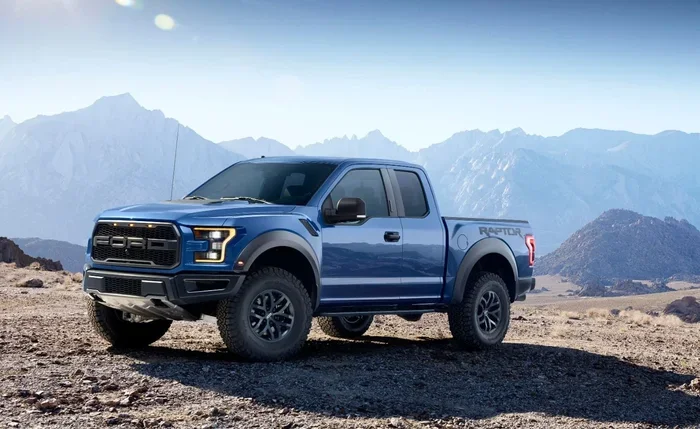
So, what is a ute called in America? The short answer is a pickup truck. But the full answer is more interesting than that. In the United States, the word “ute” is not commonly used. Americans use the term pickup truck to describe any vehicle with a cabin and an open cargo bed. This term covers everything from small compact pickups to massive full-size trucks.
The surprising part is that America actually had its own version of the ute decades ago. Vehicles like the Ford Ranchero and the Chevrolet El Camino were essentially American utes. They were built on car platforms and had open beds. But they were never called utes. They were marketed as “coupe utilities” or simply as trucks.
Today, if you walk into a dealership in the US and ask for a ute, most people will not know what you mean. But if you say “pickup truck,” you will be understood instantly. The American car vocabulary is built around the word “truck.” The concept of a utility vehicle exists, but the name is entirely different.
Why the Name Difference Matters
The name difference is not just about language. It reflects how each country views the vehicle. In Australia, the ute is a cultural icon. It is practical, approachable, and everyday. In America, the pickup truck is also culturally important, but it often carries a different image. American pickups are seen as tough, powerful, and work-ready. They come in larger sizes and with more powerful engines.
So when someone asks what a ute is called in America, the answer is really about more than just a word. It is about two different automotive cultures that share a similar idea but express it in their own way.
The History of the Ute and Its American Cousin
The story of the ute and the American pickup truck is a fascinating one. Both vehicles were born out of the same need. People wanted a vehicle that could do double duty. They needed something for work and something for family life. But the paths these two vehicles took were quite different.
How the Australian Ute Was Born
The first Australian ute was created in 1934. A farmer named Lewis Bandt designed it for Ford Australia. The idea was to build a car that could carry pigs without harming them. The result was the Ford Model Ute. It had a car-like cabin and a flat tray at the back. The design was a hit. Soon, other Australian manufacturers were building their own utes.
Over the decades, the ute became a symbol of Australian life. It was practical. It was reliable. And it was affordable. Families bought utes for weekend trips. Tradespeople used them for work. The utility vehicle became a staple of the Australian identity.
America’s Take on the Coupe Utility
Meanwhile, in the United States, a similar idea was taking shape. But instead of being called a ute, it was called a “coupe utility.” The first American version was the Ford Ranchero, introduced in 1957. It was built on the Ford Fairlane platform. It had a car-like ride and a cargo bed in the back. It was essentially an American ute.
Chevrolet followed suit in 1959 with the El Camino. The El Camino was built on the Chevrolet Impala platform. It combined the comfort of a car with the utility of a truck bed. For nearly two decades, the Ranchero and El Camino were the closest things America had to a true ute.
Both vehicles were popular. But they never became as culturally dominant as the Australian ute. In America, the full-size pickup truck always had a stronger hold on the market. Brands like Ford, Chevrolet, and Ram built massive trucks that defined the American automotive landscape. The smaller, car-based utility vehicles took a back seat.
Ute vs. Pickup Truck: Key Differences
While a ute and an American pickup truck serve a similar purpose, they are not identical. There are real differences in design, driving experience, and purpose. Understanding these differences helps you appreciate why each country developed its own version.
| Feature | Australian Ute | American Pickup Truck |
|---|---|---|
| Platform | Car-based unibody | Body-on-frame truck platform |
| Size | Compact to mid-size | Compact to full-size |
| Ride Quality | Car-like and smooth | Firmer, truck-like feel |
| Cargo Bed | Open tray, smaller | Open bed, often larger |
| Primary Use | Daily driver and light work | Work, towing, and hauling |
| Fuel Economy | Generally better | Varies, often lower |
| Cultural Role | Everyday lifestyle vehicle | Work tool and status symbol |
The biggest difference is the platform. A true ute is built on a car chassis. This gives it a smoother, more comfortable ride. An American pickup truck is built on a heavy-duty frame. This makes it stronger for towing and hauling but less comfortable for daily driving.
Another key difference is size. Australian utes tend to be more compact. They are easy to drive and park. American pickups come in much larger sizes. A full-size truck like the Ford F-150 is a completely different beast from a Holden Commodore ute.
Light-Duty vs. Heavy-Duty
One way to think about the difference is light-duty versus heavy-duty. A ute is almost always light-duty. It is designed for carrying people and light loads. An American pickup truck can be light-duty or heavy-duty. The F-150 is a light-duty truck, but the F-450 is a heavy-duty monster built for serious work.
This distinction matters a lot when you are comparing the two. If you want a comfortable daily driver that can handle weekend projects, a ute or a compact American pickup might be perfect. If you need to tow a boat or haul heavy materials, a full-size American truck is the way to go.
Famous Ute-Inspired Vehicles in America
America may not use the word “ute,” but it has a rich history of coupe utility vehicles. These cars bridged the gap between passenger cars and trucks. They were the closest thing the US had to a true ute.
The Ford Ranchero (1957-1979)
The Ford Ranchero was a groundbreaking vehicle. It was one of the first American coupe utilities. Built on the Ford Fairlane platform, it offered a car-like ride with a cargo bed. The Ranchero was popular with farmers, families, and anyone who needed a versatile vehicle. It was essentially America’s first answer to the Australian ute.
The Chevrolet El Camino (1959-1987)
The Chevrolet El Camino is perhaps the most famous American ute-like vehicle. It was built on the Chevrolet Impala and later Chevrolet Malibu platforms. The El Camino combined car comfort with truck utility. It was a hit with young buyers and working professionals alike. Even today, the El Camino has a cult following among utility vehicle enthusiasts.
Other Notable Models
- Dodge Midnite Express: A rare and stylish coupe utility from the 1970s.
- Ford Falcon Ranchero: An earlier compact version of the Ranchero concept.
- Chevrolet GMC Sprint: A smaller, car-based utility vehicle from the 1970s.
- Isuzu Pickup: A compact import that brought a more ute-like feel to America.
These vehicles prove that the idea behind the ute has always existed in America. The American market just chose a different name and a different direction. Today, the closest modern equivalent might be a compact pickup like the Ford Maverick or the Hyundai Santa Cruz. These vehicles bring back the car-based, light-duty utility vehicle concept that defined the original utes and coupe utilities.
Why the Term “Ute” Never Caught On in America
You might wonder why Americans never adopted the word “ute.” After all, the concept is the same. The answer lies in automotive culture and language.
In Australia, the ute is a unique vehicle type. It does not fit neatly into other categories. It is not a car. It is not a truck. It is its own thing. The word “ute” became the perfect shorthand for this distinct vehicle. It is short, easy to say, and instantly recognizable.
In America, the pickup truck category is well established. Americans have a deep vocabulary around trucks. Words like “half-ton,” “three-quarter ton,” and “one-ton” are part of everyday language. The term “pickup” has been used for over a century. There was no need for a new word like “ute.”
Also, American car culture is deeply tied to the idea of the truck. The Ford F-Series has been the best-selling vehicle in America for decades. Trucks are status symbols, work tools, and lifestyle vehicles all in one. The utility vehicle concept is built into the American identity, but it lives under the name “truck,” not “ute.”
The Global Spread of the Ute
While the word “ute” never went mainstream in America, it has spread globally. In South Africa, New Zealand, and parts of Europe, the term “ute” is commonly used. It has become a universal shorthand for a car-based utility vehicle with an open bed. But in the US, the term remains largely unknown outside of car enthusiasts and Australians living abroad.
If you are an American who has driven a ute overseas, you know the feeling. The ride is smooth. The handling is familiar. And the open bed is surprisingly practical. It is a different kind of light-duty truck experience. And once you try it, you might wonder why America does not have more of them.
Quick Tips for Talking About Utes in America
Whether you are shopping for a vehicle, chatting with car enthusiasts, or traveling abroad, knowing the right terms is helpful. Here are some quick tips to keep in mind.
- Use “pickup truck” in the US: This is the standard American term for a ute-like vehicle.
- Say “coupe utility” for the old-school models: The Ford Ranchero and El Camino were American coupe utilities.
- Mention the platform type: Car-based utility vehicles feel different from frame-based trucks.
- Know your size categories: Compact, mid-size, and full-size trucks each serve different needs.
- Use “light commercial vehicle” for precision: This term is used in the industry for smaller utility vehicles.
- Be ready for confusion: If you use the word “ute” in America, be prepared to explain what you mean.
These tips will help you navigate conversations with confidence. And they will show that you understand the nuances of vehicle terminology across different markets.
Common Mistakes People Make When Discussing Utes
Even car enthusiasts sometimes get tripped up when talking about utes and American trucks. Here are some common mistakes to avoid.
- Calling all pickups “utes”: A full-size American truck is not a ute. A ute is specifically car-based and light-duty.
- Assuming the terms are interchangeable: While the concepts overlap, “ute” and “pickup truck” carry different cultural meanings.
- Ignoring the platform difference: The car-based platform of a ute is a key distinction from a body-on-frame truck.
- Overlooking the El Camino and Ranchero: These are important parts of American utility vehicle history that are often forgotten.
- Thinking “ute” is just an Australian word: The term is used in many countries, including South Africa and New Zealand.
Avoiding these mistakes will make your conversations more accurate and more respectful of both automotive cultures. It also shows a deeper understanding of the vehicle type and its global variations.
Expert Insights on the Ute vs. Truck Debate
We spoke with automotive experts to get their take on the ute versus American pickup truck debate. Here is what they had to say.
Dr. Mark Stevenson, Automotive Historian: “The ute and the American pickup share the same DNA. They both solve the same problem. But they evolved in different markets with different needs. The Australian ute is a reflection of a rural lifestyle that values practicality and efficiency. The American pickup reflects a culture that values capability and size.”
Sarah Chen, Senior Auto Analyst: “The compact pickup segment is bringing the ute concept back to America. Vehicles like the Ford Maverick and Hyundai Santa Cruz are exactly what a modern utility vehicle should be. They are efficient, easy to drive, and incredibly useful. In many ways, they are the spiritual successors to the Ranchero and El Camino.”
James Whitfield, Australian Car Enthusiast: “When I first came to America, I kept looking for a ute. I could not understand why everyone called it a truck. But once I drove a full-size pickup, I realized they are cousins, not twins. The idea is the same. The execution is different. And both are great in their own way.”
These insights show that the ute and the American pickup truck are more alike than they are different. Both serve a vital role in their respective markets. Both offer practicality and versatility. And both are beloved by the people who drive them.
Key Takeaways
- The American equivalent of a ute is a pickup truck: The term “pickup truck” covers the same basic concept of a cabin with an open cargo bed.
- America had its own ute-like vehicles: The Ford Ranchero and Chevrolet El Camino were coupe utilities that mirrored the Australian ute concept.
- The key differences lie in platform and purpose: A ute is car-based and light-duty, while American pickups range from compact to heavy-duty.
- The term “ute” never became part of American car vocabulary: American culture developed its own rich language around trucks and utility vehicles.
- Modern compact pickups are bringing the ute concept back: Vehicles like the Ford Maverick and Hyundai Santa Cruz echo the light-duty utility vehicle philosophy.
- Understanding the terminology helps you communicate better: Whether shopping, touring, or chatting, knowing the right terms makes all the difference.
Frequently Asked Questions
What is a ute called in America?
In America, a ute is called a pickup truck. The term covers any vehicle with a passenger cabin and an open cargo bed. While Americans do not use the word “ute,” the concept of a light-duty, car-based utility vehicle has existed in the US for decades.
Is a ute the same as a pickup truck?
They are similar but not identical. A true ute is built on a car-based platform and is light-duty. A pickup truck can be car-based or frame-based and ranges from light-duty to heavy-duty. The ute is more focused on daily driving comfort, while American pickups often emphasize towing and hauling capability.
Did America ever have a vehicle like a ute?
Yes. The Ford Ranchero and Chevrolet El Camino were American coupe utilities that functioned very much like a ute. They were built on car platforms and had open cargo beds. These vehicles are considered the American predecessors of the modern compact pickup.
Why is a ute not called a pickup in Australia?
The word “ute” is short for “utility” and is deeply rooted in Australian culture. It is a term that specifically describes a car-based utility vehicle with an open bed. In Australia, “pickup truck” is sometimes used, but “ute” is the more common and culturally significant term.
Can you buy a ute in the United States?
You cannot buy a traditional Australian-style ute in the US. However, compact pickups like the Ford Maverick and Hyundai Santa Cruz offer a similar experience. These modern vehicles bring back the light-duty, car-based utility vehicle concept that defined the original utes and coupe utilities.
What is the difference between a ute and an SUV?
A ute has an open cargo bed, while an SUV has a fully enclosed cargo area. A ute is built on a car platform, while many SUVs use a truck-based frame. The ute is designed for light-duty hauling, while SUVs focus on passenger comfort and off-road capability.
=== CONCLUSION ===
The answer to what a ute is called in America is simpler than you might think. In the United States, the equivalent vehicle is known as a pickup truck. But the story does not end there. The history, the design differences, and the cultural significance of both vehicles make this a topic worth exploring.
From the Australian ute to the American pickup truck, from the classic Ford Ranchero to the modern Ford Maverick, the idea of a car-based utility vehicle has always been around. It just goes by different names in different places. Understanding these differences makes you a smarter buyer, a better conversationalist, and a more knowledgeable car enthusiast.
Next time you hear someone talk about their ute, you will know exactly what they mean. And if you are in the US market for a versatile vehicle, you will know exactly what to look for. The pickup truck is America’s version of the ute, and it has a rich history that is well worth celebrating.
So whether you prefer the smooth ride of a car-based utility vehicle or the raw capability of a full-size American truck, there is a perfect light-duty truck out there for you. The world of utility vehicles is big, diverse, and full of surprises. And now you know the surprising answer to the question that started it all.