What Happens If a Key Fob Dies While Driving In Traffic
A dead key fob while driving is a scary but manageable situation. Most modern cars will keep running even if the fob signal is lost, but you may lose remote lock and start functions. Knowing what to do ahead of time can save you from panic and keep you safe on the road.
What Happens If a Key Fob Dies While Driving is a question every modern driver should know the answer to. A key fob dying at the wrong moment can feel like a nightmare. You are stuck in traffic, and suddenly your remote stop working. But here is the good news. In most cases, your car keeps running just fine.
Understanding what happens when your key fob battery dies while you are behind the wheel helps you stay calm. It also helps you take the right steps quickly. This guide covers everything from the immediate effects to long-term prevention. You will learn what to do in traffic, how to handle a dead key fob, and how to stop it from happening again.
Whether you drive a push button start vehicle or a car with a traditional ignition, this article has you covered. We will walk through real scenarios, practical tips, and expert advice. By the end, you will feel confident handling a key fob signal loss on the road.
A key fob is a small remote that lets you lock, unlock, and start your car without using a physical key. It sends a low-frequency signal to your vehicle. When that signal is recognized, the vehicle security system arms or disarms. The ignition system also allows the engine to start. All of this happens in seconds. But when the key fob battery dies, that wireless connection breaks. The car can no longer read the fob’s unique code. This is where things get tricky.
Most drivers never think about their car key battery until it dies. That is exactly the problem. A key fob battery usually lasts between one and two years. But cold weather, heavy use, and humidity can shorten that life. When the battery dies, the remote keyless entry stops working. You may not be able to lock your doors from a distance. The push button start may fail to recognize the fob. And in some rare cases, the steering wheel lock may engage unexpectedly.
The good news is that a dead key fob does not mean your car shuts off while driving. Modern cars are designed with safety in mind. Engineers know that key fob signal loss can happen at any time. That is why most vehicles have backup systems in place. Your engine will keep running even if the fob is no longer communicating. But you may lose some convenience features. And you will need to know how to use the manual backup options.
Key Takeaways
- Your car usually keeps running: A dead key fob typically does not shut off your engine while you are already driving.
- Push-button start vehicles may warn you: Most cars display a dashboard alert when the key fob signal is lost or weak.
- You can still lock and unlock manually: A hidden mechanical key is almost always available inside the fob for backup.
- Prevention is simple: Replacing the CR2032 battery every 1 to 2 years stops most key fob failures before they happen.
- Stay calm in traffic: Pull over safely, use your emergency hazards, and follow the car manufacturer’s backup steps.
- Know your car’s features: Every brand has a different protocol for driving with a dead or missing fob signal.
📑 Table of Contents
- What Happens When Your Key Fob Dies While Driving
- Can You Still Drive With a Dead Key Fob?
- Why Key Fobs Die Unexpectedly
- How to Handle a Dead Key Fob in Traffic
- Preventing Key Fob Battery Failure
- Key Fob Battery Replacement Made Simple
- What to Do If You Are Stranded With a Dead Fob
- Key Takeaways for Every Driver
- Conclusion
What Happens When Your Key Fob Dies While Driving
The Immediate Effects on Your Vehicle
The moment your key fob battery dies, several things may happen at once. Your remote keyless entry will stop working. The lock and unlock buttons on the fob will no longer respond. The key fob range drops to zero. You can no longer open your trunk or glove box remotely. But your engine does not shut off. That is the most important thing to remember.
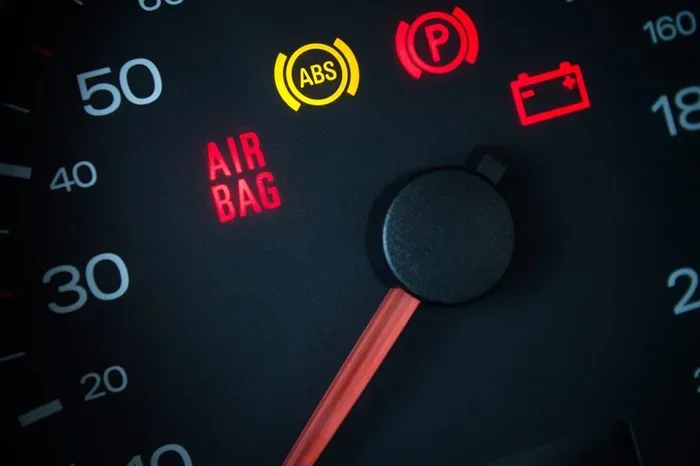
On the dashboard, you may see a warning light. Many cars display a message like “Key Not Detected” or “Remove Key From Ignition.” This alert is your car telling you the transponder key signal is missing. It does not mean the engine will stop. The car keeps running on the fuel and electrical systems it already has active.
Some drivers report a slight change in how the car feels. The push button start button may flash or beep differently. The steering wheel may feel stiffer if the steering wheel lock engages. But none of these effects stop the car from moving. You can still steer, brake, and accelerate normally.
How Your Car Responds to a Dead Fob
Every car brand handles a dead key fob a little differently. Here is how some of the most common systems respond:
- Toyota and Lexus: The car will keep running. A warning message appears on the dashboard. You can still drive to a safe spot and pull over.
- Honda: The engine continues without interruption. The key fob battery warning shows up on the display screen.
- Ford: Most Ford models with push button start will keep the engine running. The system prompts you to place the fob near the start button.
- BMW: The car recognizes the dead fob and displays a message. The engine stays on, but you may lose remote functions.
- Chevrolet: The vehicle continues running normally. The remote keyless entry stops working until the battery is replaced.
No matter the brand, the engine does not die just because the fob battery is dead. The car’s computer separates the engine control from the key fob signal for safety reasons. This design ensures that a key fob battery replacement issue never leaves you stranded on the highway.
Can You Still Drive With a Dead Key Fob?
Push-Button Start Vehicles
Most push button start cars allow you to keep driving with a dead fob. The car reads the fob signal when you first start the engine. Once the engine is running, it does not need constant communication from the fob. This is a key safety feature built into modern car technology.
However, you may not be able to restart the car after turning it off. If you stop at a red light and shut off the engine, the push button start may not recognize the dead fob when you try to restart. This is where things get a little more complicated. You will need to place the fob directly against the start button or a specific spot on the steering column. Most manufacturers label this spot clearly in the owner’s manual.
Some cars have a backup key fob signal reader built into the center console or the cup holder area. Placing the dead fob against this spot tricks the system into reading the internal chip. The engine will start even without a working battery in the fob. This is a clever emergency starting feature that every driver should know about.
Traditional Key Ignition Systems
Cars with a traditional key ignition behave differently. The physical key blade is still inside the key fob housing. You can remove it and insert it directly into the ignition cylinder. This allows you to start the car manually, even with a completely dead fob.
The transponder key chip inside the fob communicates with the car’s immobilizer system. If the chip is still active, the engine will start. But if the fob is completely dead and the chip cannot transmit, the car may not start at all. This is rare but possible. It usually only happens with older key fob models that have a weak transponder chip.
In most cases, you can still turn the ignition with the physical key blade. The engine will crank and start normally. The vehicle security system may flag a warning, but it will not prevent you from driving. This is why every key fob includes a hidden mechanical key. It is your ultimate backup.
Why Key Fobs Die Unexpectedly
Common Causes of Key Fob Battery Failure
Several factors cause a key fob battery to die sooner than expected. Understanding these causes helps you prevent surprises:
- Age of the battery: Most CR2032 battery units last 12 to 24 months. After that, the voltage drops and the signal weakens.
- Cold weather: Low temperatures drain car key battery power fast. Winter mornings are the most common time for fob failure.
- Heavy daily use: Every time you press lock, unlock, or start, the fob uses power. Frequent use shortens battery life.
- Humidity and moisture: Water damage can corrode the fob’s internal circuitry. This makes the battery work harder and die faster.
- Proximity to other signals: Standing near strong radio signals or electronic devices can cause key fob signal loss temporarily.
- Cheap replacement batteries: Using low-quality key fob battery replacement units leads to shorter life spans and unreliable performance.
The most common culprit is simply time. Every battery has a finite lifespan. The key is to replace it before it fully dies. Waiting until the fob stops working completely is a recipe for trouble.
Signs Your Key Fob Battery Is Low
Your car usually gives you warning signs before the fob dies completely. Catching these signs early saves you from a sudden failure:
- The lock and unlock range gets shorter. You have to stand closer to the car for the fob to work.
- The fob requires multiple button presses to respond.
- The dashboard shows a key fob battery low warning message.
- The push button start is slower to recognize the fob.
- The fob feels physically lighter, which means the battery is nearly depleted.
If you notice any of these signs, replace the battery right away. A key fob battery replacement takes only a few minutes and costs less than five dollars. It is one of the easiest car care tasks you can do at home.
How to Handle a Dead Key Fob in Traffic
Steps to Take Right Away
If your key fob dies while driving in traffic, the first thing to do is stay calm. Panic leads to bad decisions. Follow these steps to handle the situation safely:
- Keep your eyes on the road. Do not stare at the dashboard warning. Keep your hands on the wheel and your focus on driving.
- Turn on your hazard lights. This alerts other drivers that something is wrong. It gives you extra space on the road.
- Find a safe spot to pull over. Use the next exit or a parking lot. Do not stop in the middle of a fast lane.
- Try the mechanical key. Remove the hidden blade from the fob and use it to lock the doors manually.
- Contact roadside assistance. If you cannot restart the car, call for help. Most insurance plans and car warranties include roadside assistance coverage.
The most important rule is this: do not turn off the engine unless you have to. If the car is still running, keep it running. You only risk not being able to restart it if you shut it off with a dead fob.
Using Your Car’s Emergency Features
Many modern cars come with emergency starting features built in. These features are designed for exactly this situation. Check your owner’s manual for the specific steps for your car model.
Some vehicles have a key fob backup slot near the steering column or the center console. You place the dead fob in this slot, and the car reads the chip inside. The engine starts normally. Other models require you to hold the fob directly against the start button. The proximity allows the antenna to pick up the chip signal even without a working battery.
For cars with a traditional key, the process is even simpler. Remove the physical key blade from the fob housing. Insert it into the ignition. Turn it to the start position. The engine will crank and fire up. This backup method works on nearly every car made in the last 20 years.
If none of these methods work, you may have a deeper issue. The transponder key chip inside the fob could be damaged. Or the car’s antenna system may have a fault. In these cases, you need professional help. Call a trusted mechanic or your car’s roadside assistance program.
Preventing Key Fob Battery Failure
When to Replace Your Key Fob Battery
The best time to replace your key fob battery is before it dies. Set a reminder on your phone every 12 months. Replace the battery at the 12-month mark even if the fob still seems to work. This simple habit prevents most key fob signal loss problems.
Use a high-quality CR2032 battery from a trusted brand. Avoid the cheapest off-brand batteries you find at the dollar store. They often have inconsistent voltage and die much faster. A name-brand battery costs a little more but lasts significantly longer.
Keep a spare battery in your glove box at all times. This way, if the fob dies unexpectedly, you can replace it on the spot. It takes less than two minutes to swap a key fob battery. No tools are needed in most fob models.
Tips to Extend Key Fob Battery Life
Small habits can make your car key battery last much longer. Try these simple tips:
- Do not press the fob buttons more than you need to. Each press uses a small amount of power.
- Keep the fob away from other electronic devices that emit strong signals. This prevents signal interference and unnecessary battery drain.
- Store the fob in a cool, dry place. Heat and moisture are the biggest enemies of key fob battery life.
- Replace the battery at the first sign of weakness. Do not wait until the fob stops working completely.
- Clean the fob contacts occasionally. Dirt and corrosion can make the battery work harder to deliver power.
These small steps add up over time. They keep your remote keyless entry working reliably and your key fob ready when you need it most.
Key Fob Battery Replacement Made Simple
How to Change the Battery
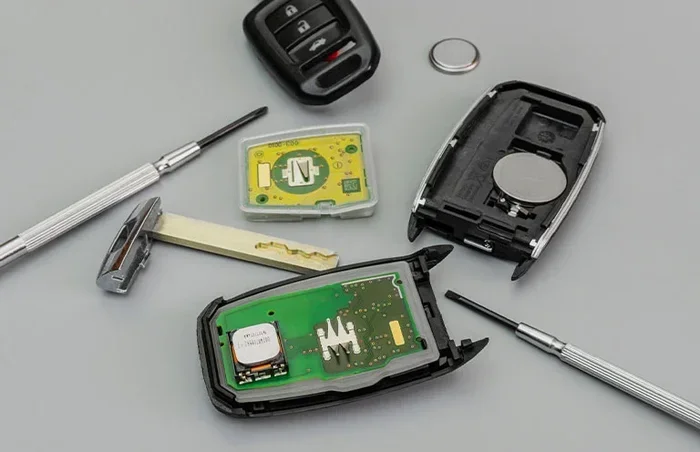
Replacing the battery in your key fob is one of the easiest car care tasks you can do. Here is how to do it step by step:
- Find the small seam or groove on the back of the fob.
- Use a flathead screwdriver or a coin to gently pry the fob open.
- Remove the old CR2032 battery. Note which side faces up.
- Insert the new battery with the positive side facing up.
- Snap the fob back together until it clicks.
- Test the fob by pressing the lock button from a few feet away.
That is it. You have just completed a key fob battery replacement in under five minutes. No trip to the mechanic is needed. No special tools are required. This simple fix can save you time, money, and a lot of stress.
When to Seek Professional Help
Sometimes a dead fob is not just about the battery. If you replace the battery and the fob still does not work, there may be a deeper problem. The transponder key chip could be damaged. The fob’s internal circuitry might have failed. Or the car’s antenna system could have a fault.
In these situations, it is best to visit a qualified locksmith or your car dealership. They have the tools and expertise to diagnose and fix key fob issues beyond a simple battery swap. A key fob replacement unit from the dealer can cost between 50 and 200 dollars depending on the car brand. But it comes programmed and ready to use right out of the box.
Some independent locksmiths can reprogram third-party fobs for a lower cost. This is a great option if you want to save money. Just make sure the locksmith has experience with your specific car model.
What to Do If You Are Stranded With a Dead Fob
Being stranded because of a dead key fob is stressful but manageable. If you cannot restart your car and you are in a dangerous location, here is what to do:
- Stay inside your vehicle if you are on a busy road. Your car provides a safe shelter.
- Call roadside assistance or a trusted tow truck service.
- Use your phone to contact a friend or family member for backup.
- Keep your hazard lights on at all times.
- If you must exit the vehicle, do so on the side away from traffic.
Most modern car technology includes emergency protocols for exactly this scenario. Your car’s owner’s manual will have specific instructions. Take five minutes to read that section now. It could save you a lot of trouble later.
Key Takeaways for Every Driver
A dead key fob while driving is not the end of the world. Your car is built to handle it. The engine stays running, and you can reach a safe spot. The key is preparation. Know your car’s backup features. Keep a spare battery on hand. And replace your key fob battery before it dies completely.
Every driver should understand how their push button start system works with a dead fob. Every driver should know where the hidden mechanical key is. And every driver should have a plan for roadside assistance if things go wrong. These small steps make a huge difference when you are stuck in traffic with a failing fob.
The bottom line is simple. A key fob battery is a small part of your car that has a big impact. Treat it with care. Replace it on schedule. And always know what to do if it fails. With the right knowledge, a dead fob is just a minor inconvenience, not a major crisis.
Conclusion
Understanding what happens if a key fob dies while driving in traffic gives you peace of mind. Your car will not shut off on you. You can still drive to safety. And with a few simple habits, you can prevent most fob failures before they happen.
Replace your key fob battery every year or two. Keep a spare in your glove box. Know your car’s emergency starting features. And stay calm if the fob dies at the worst possible moment. Preparation is the best defense against a dead key fob on the road.
Take a few minutes right now to check your key fob battery. It is one of the easiest and most important car care tasks you can do. A small action today can save you from a big headache tomorrow.
Frequently Asked Questions
Will my car stop running if the key fob dies while I am driving?
No. In almost all cases, your car will keep running even if the fob battery dies. The engine does not need a live fob signal to stay on once it is already running. You can safely drive to a parking lot or service center.
How do I start my car with a dead key fob?
Most push button start vehicles let you place the dead fob directly against the start button or a backup reader slot. The car reads the internal chip and allows you to start the engine. Check your owner’s manual for the exact location on your specific model.
How much does a key fob battery replacement cost?
A CR2032 battery costs between 3 and 10 dollars at most stores. Replacing it yourself takes about five minutes and requires no tools. If you visit a mechanic or dealership, you may pay a small service fee on top of the battery cost.
Can a dead key fob damage my car’s electrical system?
No. A dead key fob cannot damage your car’s electrical system. The fob only sends signals, it does not draw power from the car. A dead battery simply means the fob cannot communicate. Your car’s systems are completely unaffected.
How often should I replace my key fob battery?
Most key fob battery units last between 12 and 24 months. Replacing the battery once a year is a good habit. This prevents unexpected failures and keeps your remote keyless entry working reliably all year long.
What should I do if I am stuck in traffic and my key fob dies?
Stay calm and keep your hazard lights on. Do not turn off the engine if you can avoid it. Pull over to a safe location when possible. Use the hidden mechanical key to lock your doors. Call roadside assistance if you cannot restart the car. Your priority is safety above everything else.