What Does the Wrench Light Mean on Your Forklift Now
The wrench light on your forklift is a warning indicator that signals a maintenance or system issue needing attention. It can point to problems with the engine, hydraulics, or electrical system depending on your forklift model. Ignoring this light can lead to costly repairs or unsafe operating conditions. This guide covers every major reason the wrench light appears and what you should do next.
You are driving your forklift through the warehouse when a small wrench symbol lights up on your dashboard. It catches your eye. Your stomach drops a little. What does the wrench light mean on a forklift? Is it something urgent? Should you stop right now? These are the questions every forklift operator asks when that little symbol appears. The truth is that the wrench light is one of the most common dashboard warnings on industrial forklifts. Understanding what it means can save you time, money, and a lot of stress.
Forklift dashboard lights are not just random symbols. Each one tells a specific story about what is happening under the hood or inside the system. The wrench light, in particular, is a broad indicator. It covers everything from routine service reminders to serious mechanical faults. This article breaks down every major reason that wrench symbol might appear. You will learn how to respond, what to check, and how to prevent it from happening again.
Key Takeaways
- Dashboard Indicator: The wrench light is a general maintenance or fault warning on your forklift dashboard.
- Common Triggers: Low fluid levels, sensor faults, engine issues, and hydraulic problems can all activate this light.
- Safety First: Never ignore the wrench light, as it can signal conditions that compromise operator safety.
- Quick Checks Help: Simple steps like checking fluid levels and connections can resolve minor warnings.
- Preventive Maintenance: Regular forklift service keeps the wrench light from appearing unexpectedly.
- Professional Help: Persistent or flashing wrench lights need a qualified technician to diagnose properly.
📑 Table of Contents
What Does the Wrench Light Mean on a Forklift?
The wrench light on a forklift is a maintenance or fault indicator. It appears as a small wrench or spanner symbol on the instrument cluster. Different forklift brands use this symbol differently. On some models, it means the forklift is due for scheduled service. On others, it signals a specific system fault that needs immediate attention.
The wrench icon is not as specific as a “check engine” light. It is more of a general warning. Think of it as your forklift saying, “Hey, check me out.” The light might glow steady or flash, and each behavior means something different. A steady light often points to a scheduled maintenance reminder. A flashing or blinking light usually means a more urgent problem exists.
Understanding this distinction matters a lot. Many operators see the wrench light and assume it is just a routine reminder. They keep working. But if the light is flashing, that is a different story entirely. A flashing wrench light often indicates a serious fault that could affect forklift performance or safety.
Steady vs. Flashing Wrench Light
A steady wrench light is usually less urgent. It often means your forklift is due for scheduled maintenance. Think oil changes, filter replacements, or routine inspections. It is like a reminder on your phone. You should not ignore it, but you probably do not need to stop immediately.
A flashing wrench light demands more attention. This usually means the forklift’s diagnostic system has detected a fault. The fault could be in the engine, the hydraulic system, or the electrical components. A flashing light means you should stop the forklift safely and investigate. Continuing to operate with a flashing warning light can cause further damage.
Common Reasons the Wrench Light Comes On
Several issues can trigger the wrench light on your forklift. Each one has its own set of symptoms and solutions. Here are the most common reasons this warning appears.
Scheduled Maintenance Reminder
Many modern forklifts come with a maintenance reminder system. This system tracks operating hours and triggers the wrench light when service is due. It works like the oil change reminder in your car. The light will not go away until a technician resets it after service is completed.
This is the most benign reason for the wrench light. But even so, you should not ignore it. Skipping scheduled maintenance leads to wear and tear. Over time, small problems become big, expensive ones. Regular service keeps your forklift running smoothly and safely.
Engine or Emissions Fault
The wrench light can also signal an engine problem. This includes issues with fuel delivery, ignition timing, or the emissions system. On forklifts with diesel engines, DPF (Diesel Particulate Filter) clogs are a common trigger. When the DPF gets blocked, the system flags it with the wrench symbol.
Engine faults can also stem from faulty sensors. Your forklift has many sensors that monitor temperature, pressure, and exhaust levels. When one of these sensors fails, it sends a signal to the onboard computer. The computer then activates the wrench light to alert you. These sensor issues are common and often easy to fix.
Hydraulic System Warning
Forklifts rely heavily on their hydraulic systems to lift and lower loads. When something goes wrong in the hydraulic system, the wrench light may appear. Low hydraulic fluid is the most common cause. A leak in a hose or seal can also trigger the warning.
Watch for other signs alongside the wrench light. If the forks are slow to raise or lower, that is a red flag. Unusual noises from the hydraulic pump are another warning. These symptoms combined with the wrench light point to a hydraulic issue that needs immediate attention.
Electrical System Fault
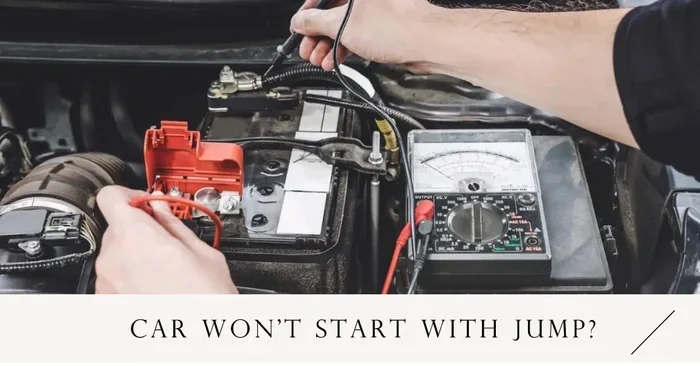
Forklifts have complex electrical systems. The battery, alternator, wiring harness, and control modules all work together. A fault in any of these components can light up the wrench symbol. Loose connections, corroded terminals, or a failing alternator are common culprits.
Electrical issues can be tricky to diagnose. The wrench light might come and go randomly. It might flicker when you turn the steering or lift a heavy load. These intermittent patterns often point to wiring or connection problems rather than a single component failure.
Transmission or Drivetrain Issue
Some forklift models use the wrench light to flag transmission problems. This includes low transmission fluid, worn clutch packs, or faulty solenoids. Transmission issues can affect how the forklift shifts gears or responds to throttle input.
If you notice the forklift jerking during movement or struggling to change gears, the wrench light is telling you something important. Transmission problems tend to worsen over time. Catching them early can prevent a costly rebuild.
Overheating Warning
Forklift engines can overheat, especially in hot environments or during heavy use. The wrench light may activate when the engine temperature rises above safe levels. This is common in warehouses with poor ventilation or during summer months.
Check the coolant level first. Also, inspect the radiator and fans for blockages or damage. Overheating can cause serious engine damage if not addressed quickly. Pull the forklift over safely and let it cool down before continuing.
How to Respond When the Wrench Light Appears
Seeing the wrench light pop up can feel alarming. But panicking will not help. Here is a clear step-by-step approach to handle this situation calmly and safely.
Step 1: Stay Calm and Assess the Situation — Check if the light is steady or flashing. A steady light is less urgent than a flashing one. Note any other warning signs on the dashboard.
Step 2: Check for Obvious Issues — Look under the forklift for any visible leaks. Check the hydraulic fluid level. Inspect the battery terminals for corrosion. Listen for unusual sounds from the engine or hydraulics.
Step 3: Consult the Operator Manual — Every forklift model has a unique set of dashboard symbols. The operator manual explains what each one means. It will also provide specific troubleshooting steps for your model.
Step 4: Reduce Load and Speed — If the wrench light is flashing, reduce the load and slow down. Avoid heavy lifting or high-speed travel. This reduces stress on the affected system.
Step 5: Contact a Technician — If the light does not go away or is flashing, contact a qualified forklift technician. Do not continue operating the forklift if you suspect a serious fault.
Quick Tips for Wrench Light Situations
- Always carry your forklift operator manual on the floor or in a digital copy on your phone.
- Keep a basic toolkit and spare fluids nearby for quick checks.
- Document when the wrench light appeared and what the forklift was doing at the time.
- Never disconnect the warning light to hide the problem. This is dangerous and often illegal.
- Train all operators on dashboard symbols and proper response procedures.
Preventing Wrench Light Warnings
The best way to deal with the wrench light is to prevent it from appearing in the first place. A solid preventive maintenance routine keeps your forklift in top shape. It also reduces unexpected downtime and repair costs.
Follow the Manufacturer’s Maintenance Schedule
Every forklift comes with a recommended maintenance schedule. This schedule outlines service intervals for oil changes, filter replacements, fluid checks, and inspections. Following this schedule is the single most effective way to avoid wrench light warnings.
Keep a maintenance log for each forklift in your fleet. Record every service, repair, and inspection. This log helps you track patterns and catch problems before they trigger warning lights.
Perform Daily Pre-Shift Checks
Operators should perform a quick pre-shift inspection every day. This includes checking fluid levels, tire condition, fork integrity, and dashboard lights. A two-minute check can catch small issues before they become big problems.
Make pre-shift checks part of your daily routine. Treat them like brushing your teeth — a simple habit that prevents bigger issues down the road.
Keep the Forklift Clean
Dirt, debris, and dust can clog vents, filters, and cooling systems. A clean forklift runs cooler and more efficiently. Regular cleaning also lets you spot leaks, damage, and wear early.
Pay special attention to the radiator and air intake areas. These spots collect dust quickly and can cause overheating if not kept clear.
Use Quality Parts and Fluids
Using the wrong fluids or cheap replacement parts can trigger the wrench light. Always use fluids and parts that meet the manufacturer’s specifications. This protects your forklift’s systems and keeps the warranty valid.
Forklift Dashboard Lights Explained
The wrench light is just one of many symbols on a forklift dashboard. Understanding the full range of dashboard lights helps operators respond faster and more effectively. Here is a quick overview of the most common forklift warning lights.
- Red Warning Lights: These indicate critical issues. Stop immediately and shut off the engine. Examples include oil pressure warnings and brake system alerts.
- Yellow or Amber Warning Lights: These signal non-critical warnings that need attention soon. The wrench light usually falls into this category.
- Green or Blue Indicator Lights: These show that a system is active or functioning normally. Examples include high-beam headlights or power steering activation.
Knowing the difference between these categories can make a big difference in how you respond to a warning. A red light means stop and address the issue now. A yellow light means you have time to investigate, but do not delay.
How Dashboard Symbols Vary by Brand
Different forklift manufacturers use slightly different symbols and meanings. Toyota, Crown, Hyster-Yale, and Linde all have their own dashboard designs. The wrench symbol might mean slightly different things depending on the brand and model.
This is why the operator manual is so important. It is the definitive guide for your specific forklift. If you are unsure about a symbol, always check the manual before taking action.
When to Seek Professional Help
Not every wrench light situation is something you can fix yourself. Knowing when to call in a professional saves time and prevents further damage.
Call a technician if the wrench light is flashing and does not go away after a basic check. Also call a professional if you notice smoke, unusual smells, or significant loss of performance. These are signs of serious internal problems that need expert diagnosis.
Keep a relationship with a trusted forklift service provider. Regular service visits help them understand your fleet’s history. This makes it easier to diagnose problems quickly when the wrench light appears.
Cost Considerations for Wrench Light Repairs
The cost of fixing a wrench light issue varies widely. A simple sensor replacement might cost a few hundred dollars. A major hydraulic or engine repair can cost thousands. Regular maintenance is always cheaper than major repairs.
Do not let cost concerns keep you from addressing the wrench light. Ignoring it often leads to more expensive repairs down the line. A small problem today can become a major breakdown tomorrow.
Key Takeaways
- Dashboard Indicator: The wrench light is a general maintenance or fault warning on your forklift dashboard.
- Common Triggers: Low fluid levels, sensor faults, engine issues, and hydraulic problems can all activate this light.
- Safety First: Never ignore the wrench light, as it can signal conditions that compromise operator safety.
- Quick Checks Help: Simple steps like checking fluid levels and connections can resolve minor warnings.
- Preventive Maintenance: Regular forklift service keeps the wrench light from appearing unexpectedly.
- Professional Help: Persistent or flashing wrench lights need a qualified technician to diagnose properly.
Conclusion
The wrench light on your forklift is a warning you should never ignore. It serves as an early alert system that helps you catch problems before they become serious. Whether it is a simple maintenance reminder or a sign of a deeper mechanical issue, understanding what this light means puts you in control.
By following the steps in this guide, you can respond confidently when the wrench light appears. You can perform basic checks, know when to seek help, and take preventive measures to avoid future warnings. A well-maintained forklift is safer, more reliable, and more cost-effective over its lifetime.
Make it a habit to pay attention to your forklift’s dashboard. Those small symbols carry important messages. The wrench light is one of the most common and most important ones. Treat it with respect, and your forklift will reward you with smooth, safe operation for years to come.
Frequently Asked Questions
Can I keep operating the forklift if the wrench light is steady?
A steady wrench light usually indicates a scheduled maintenance reminder or a minor issue. You can often continue operating the forklift carefully. However, you should address the issue as soon as possible. Check your operator manual for model-specific guidance on steady versus flashing warnings.
How do I reset the wrench light on a forklift?
Resetting the wrench light depends on your forklift model. Many newer forklifts require a diagnostic tool to reset the light after service. Some older models allow you to reset it by turning the ignition on and off in a specific sequence. Always consult your operator manual before attempting a reset.
Is the wrench light the same as the check engine light?
Not exactly. The wrench light is a broader maintenance indicator, while the check engine light specifically points to engine-related faults. Some forklifts use the wrench symbol for both purposes. The key difference is that the wrench light often includes scheduled service reminders alongside fault alerts.
What should I do if the wrench light flashes while lifting a load?
If the wrench light flashes during lifting operations, lower the load safely and stop the forklift. A flashing light during heavy use often signals a hydraulic or engine problem. Do not attempt to lift again until a technician has inspected the forklift. Continuing to operate under these conditions can cause serious damage.
How often should I check my forklift’s fluid levels?
You should check hydraulic fluid, engine oil, and coolant levels as part of your daily pre-shift inspection. Weekly checks are the minimum for light-use forklifts. Heavy-use forklifts in demanding environments may need daily fluid checks. Consistent fluid monitoring helps prevent wrench light warnings.
Can a dead battery cause the wrench light to come on?
Yes, a weak or failing battery can trigger the wrench light. Electrical system faults are a common cause of dashboard warnings. If the battery voltage drops below normal levels, the forklift’s computer may flag it with the wrench symbol. Check your battery terminals and charge level if the wrench light appears unexpectedly.