Is Porsche Going All Electric Everything You Should Know
Porsche is firmly moving toward an all-electric future, with the Taycan leading the charge. The iconic brand plans to expand its electric lineup significantly over the next decade. Here is everything you should know about Porsche’s electrification strategy and what it means for enthusiasts and everyday drivers alike.
Is Porsche going all electric? This question has been buzzing among car enthusiasts and potential buyers for years. Porsche is one of the most iconic sports car brands in the world. Its reputation for performance, engineering excellence, and driver engagement is unmatched. So when people hear about an all-electric future, they naturally have questions.
The short answer is yes. Porsche is making a serious push toward electrification. But the full story is more nuanced and exciting than a simple yes or no. In this article, we will cover everything you should know about Porsche’s electric transition. We will look at the current electric models, future plans, what this means for existing Porsche owners, and how electric car maintenance compares to traditional vehicles.
Whether you are a die-hard Porsche fan or just curious about the electric car future, this guide has you covered. Let us dive into the world of Porsche electrification and explore what lies ahead.
Key Takeaways
- Porsche has committed to going all-electric: The brand plans to offer fully electric versions across its entire lineup by 2030.
- The Porsche Taycan is the flagship EV: It delivers stunning performance, impressive range, and cutting-edge technology.
- The Macan and Cayenne are getting electric versions: These popular SUVs will join the electric family soon.
- Electric car maintenance differs from gas cars: Fewer moving parts mean less routine upkeep, but new considerations emerge.
- Porsche owners should understand EV charging: Home charging, fast charging networks, and charging times all matter.
- The transition is gradual, not overnight: Porsche is balancing electric models with its current combustion engine offerings.
📑 Table of Contents
Understanding Porsche’s Electrification Strategy
Porsche has been clear about its long-term vision. The brand aims to become a fully electric manufacturer. This is not a vague promise. It is a concrete strategy backed by real investment and product development. Porsche’s parent company, Volkswagen Group, has committed billions of dollars to electric vehicle development across all its brands.
The timeline is ambitious but realistic. Porsche plans to have half of its lineup fully electric by 2030. By the end of the decade after that, every Porsche model could be available as an electric vehicle. This gradual approach allows Porsche to maintain its performance standards while transitioning away from combustion engines.
Why Porsche Is Going Electric
Several factors are driving Porsche toward an all-electric future. First, global emissions regulations are tightening. Governments around the world are setting stricter rules for automakers. Porsche needs to meet these standards to continue selling cars in major markets.
Second, customer demand is shifting. More buyers are interested in electric vehicles. They want the performance of a Porsche combined with the benefits of electric driving. Instant torque, silent operation, and lower running costs appeal to many.
Third, technology has caught up. Early electric cars suffered from limited range and slow charging. Modern battery technology has solved many of these problems. Porsche can now build electric cars that deliver the performance its customers expect.
The Porsche Taycan: The Flagship Electric Car
The Porsche Taycan is the brand’s first fully electric car. It launched in 2019 and immediately made a statement. The Taycan proves that electric cars can be fun to drive. It delivers the kind of performance that Porsche is famous for.
The Taycan comes in several versions. The base model offers strong acceleration and a respectable electric range. Higher trims like the Taycan Turbo and Taycan Turbo S push performance to extreme levels. These versions can accelerate from zero to sixty in under three seconds.
Taycan Performance and Range
Performance is where the Taycan shines. The electric drivetrain delivers instant power. There is no waiting for revs to build. The result is explosive acceleration that rivals any gasoline Porsche. The car handles beautifully too. Porsche engineers used the Taycan platform to create a balanced, agile driving experience.
Range depends on the model and driving conditions. The base Taycan offers around 200 miles on a full charge. The Turbo S version provides slightly less due to its more powerful motors. For most daily driving, this range is more than sufficient. For road trips, fast charging stations can replenish the battery quickly.
Taycan Charging and Ownership
Charging the Taycan is straightforward. At home, you can use a standard outlet for overnight charging. A dedicated home charger is much faster and more convenient. Public fast-charging stations can add significant range in just minutes. Porsche has also partnered with charging networks to make this easier for owners.
Electric car maintenance on the Taycan is relatively simple. There are fewer moving parts than a gasoline car. No oil changes, no transmission fluid, and fewer brake replacements thanks to regenerative braking. However, battery health and charging equipment do need attention over time.
Upcoming Electric Porsche Models
The Taycan is just the beginning. Porsche has several more electric models in the works. The brand is expanding its electric lineup to cover more segments. This strategy ensures Porsche can compete across the entire luxury car market.
The Electric Macan
The Porsche Macan is one of the brand’s best-selling models. A fully electric Macan is already in production. It will sit below the Taycan in Porsche’s electric hierarchy. The electric Macan promises to deliver the same sporty feel as the gasoline version. It will offer strong acceleration, sharp handling, and practical cargo space.
For families or daily drivers, the electric Macan could be a compelling choice. It combines the Porsche driving experience with the benefits of electric ownership. The range should be competitive with other electric SUVs on the market.
The Electric Cayenne
The Cayenne is Porsche’s larger SUV. An electric Cayenne is also in development. This model will target buyers who want space, luxury, and performance in one package. The electric Cayenne will likely offer three-row seating in some configurations.
Range and charging speed will be key selling points. Porsche has the battery technology to deliver competitive numbers. The Cayenne EV will face stiff competition from other luxury electric SUVs. But Porsche’s reputation for driving dynamics gives it a unique edge.
The Mission E and Beyond
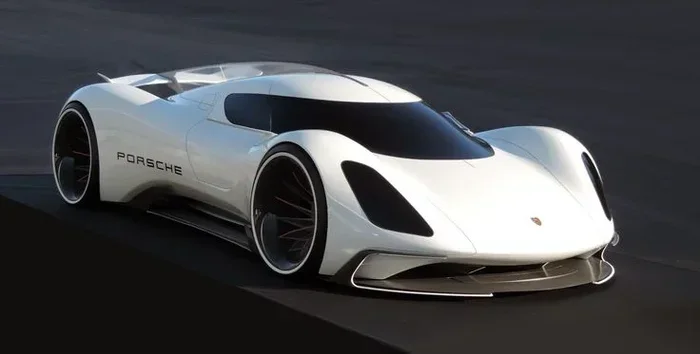
The Mission E concept was Porsche’s first glimpse of its electric future. That concept became the Taycan. But Porsche is not stopping there. The brand continues to explore new electric concepts and technologies. Future models could include electric convertibles, electric sports cars, and even electric race cars.
Porsche is also investing in battery technology. The brand is working on solid-state batteries that could offer even better performance. These next-generation batteries promise faster charging, longer range, and improved safety. Porsche wants to stay ahead of the curve in electric car innovation.
What This Means for Current Porsche Owners
If you already own a Porsche, you might be wondering what the electric transition means for you. The good news is that Porsche is not abandoning gasoline cars overnight. You can still enjoy your current Porsche for years to come. The brand will continue to support combustion engine models throughout the transition period.
That said, there are some things to consider. If you live in an area with strict emissions regulations, owning a gasoline Porsche could become more complicated. Some cities are planning to restrict or ban combustion engine vehicles in the coming years. However, these restrictions typically apply to older models first.
Maintenance Considerations
Maintaining a current Porsche is not changing dramatically yet. Regular oil changes, brake inspections, and fluid top-offs are still necessary. If you experience issues like a car not starting but battery is fine, the diagnostic process remains similar to any gasoline vehicle. Electrical systems in modern Porsches are sophisticated and require professional attention.
For those who want to protect their Porsche’s exterior, options like vinyl wrap remain popular. If you are considering wrapping your Porsche, it is worth understanding how durable vinyl wrap is on a vehicle. High-quality wraps can protect your paint and last for years with proper care.
Resale Value and Market Trends
The resale value of gasoline Porsches could be affected by the electric transition. As more buyers shift to electric vehicles, demand for gasoline models may change. However, Porsche’s build quality and brand prestige should help maintain strong resale values for years to come. Classic and limited-edition gasoline Porsches will likely hold their value well.
It is also worth noting that Porsche dealerships are adapting. Do all dealerships perform recalls the same way? When it comes to electric models, recall procedures may differ. Electric vehicles have unique components like batteries and software systems that require specialized service. Choosing a certified Porsche dealership ensures you get the right care for your vehicle.
Electric Car Maintenance: What to Expect
Switching to an electric Porsche means adjusting your maintenance routine. Electric vehicles are simpler mechanically than gasoline cars. This simplicity translates to lower maintenance costs in many areas. But there are new considerations to keep in mind.
Routine Maintenance Differences
Electric cars do not need oil changes. The electric drivetrain has fewer fluids to monitor. Brake pads last longer because regenerative braking handles most of the slowing down. Tire rotations and cabin air filter replacements remain the same as any car.
Battery maintenance is the biggest new consideration. Porsche batteries are designed to last for many years. However, extreme temperatures can affect battery performance and longevity. Keeping your car in a garage during extreme weather helps protect the battery.
Charging Equipment and Electrical Systems
Home charging equipment needs occasional inspection. Charging cables and connectors should be kept clean and undamaged. If you experience electrical issues, it is important to address them promptly. A car not starting but battery is fine scenario can sometimes involve charging port issues or software glitches in electric vehicles.
Porsche offers roadside assistance and service plans for electric models. These programs help owners handle unexpected issues. Regular software updates also keep the car running smoothly. Many of these updates happen over the air, reducing the need for dealership visits.
Long-Term Ownership Costs
Overall, electric Porsche ownership tends to cost less over time. Fuel costs are significantly lower than gasoline. Maintenance costs are reduced due to fewer moving parts. Insurance costs may vary depending on your location and driving history.
The biggest potential expense is battery replacement. However, Porsche batteries are designed to last the lifetime of the vehicle. Most manufacturers offer warranties of eight years or more on battery packs. This gives owners peace of mind about long-term ownership.
The Bigger Picture: Porsche and the Electric Car Future
Porsche’s move toward electrification reflects a larger trend in the automotive industry. Nearly every major car manufacturer is developing electric vehicles. The electric car future is no longer a distant dream. It is happening right now.
Porsche’s approach stands out because the brand is not rushing the transition. Instead, it is taking a measured approach. Each electric model is engineered to deliver the performance and quality that Porsche buyers expect. The Taycan proves that electric cars can be exciting and engaging.
The brand is also investing in charging infrastructure. Porsche is working with partners to expand fast-charging networks. This makes electric road trips more practical and convenient. As charging stations become more widespread, range anxiety will continue to decrease.
Environmental responsibility is another key driver. Porsche recognizes that reducing emissions is essential for the planet. The brand is committed to sustainability across its operations. From manufacturing to end-of-life recycling, Porsche is working to minimize its environmental footprint.
For car enthusiasts, the transition to electric does not mean losing the driving experience. Porsche electric cars are designed to be thrilling to drive. The instant torque, low center of gravity, and precise handling create an engaging experience. Many test drivers say they cannot tell the difference between a Porsche electric car and a gasoline one behind the wheel.
Final Thoughts
So, is Porsche going all electric? The answer is a resounding yes. Porsche is committed to an electric future. The Taycan has already proven that Porsche can build world-class electric cars. The Macan EV and Cayenne EV are coming soon. And more electric models are on the horizon.
This transition will take time. Porsche is balancing its electric ambitions with the realities of the current market. Gasoline Porsches will remain available for years. But the direction is clear. The brand that defined sports car driving for decades is embracing the electric revolution.
If you are considering a Porsche, now is a great time to explore the electric options. The Taycan offers a compelling blend of performance, luxury, and practicality. And as the electric lineup expands, there will be a Porsche for every type of buyer. The future of Porsche is electric, and it looks incredibly exciting.
Stay informed about Porsche’s latest developments. The automotive world is changing fast. Whether you are a current Porsche owner or a future buyer, understanding the electric transition will help you make smart decisions. Porsche’s electric future is bright, and the best is yet to come.
Frequently Asked Questions
Will Porsche stop making gasoline cars entirely?
Porsche has not announced a complete ban on gasoline cars. The brand plans to phase them out gradually. By 2030, half of Porsche’s lineup will be fully electric. The rest will likely follow in the years after. However, gasoline Porsches will remain available for some time.
How does the Porsche Taycan compare to gasoline Porsches in performance?
The Taycan matches or exceeds many gasoline Porsches in acceleration. Instant torque from the electric motors delivers thrilling launches. Handling remains sharp and engaging thanks to Porsche’s engineering. Many drivers say the Taycan feels just as sporty as a traditional Porsche sports car.
What is the range of the Porsche Taycan on a full charge?
The Taycan’s range varies by model and driving conditions. The base model offers around 200 miles of range. Higher-performance versions like the Turbo S offer slightly less. Real-world range depends on driving style, temperature, and use of heating or air conditioning.
How much does it cost to charge a Porsche Taycan at home?
Home charging costs depend on your local electricity rates. On average, fully charging a Taycan costs significantly less than filling a gasoline tank. Using a dedicated home charger is the most convenient and cost-effective method. Many Porsche owners install Level 2 chargers in their garages for faster charging.
Is electric Porsche maintenance cheaper than gasoline Porsche maintenance?
In many ways, yes. Electric cars have fewer moving parts, which means fewer things to service. No oil changes, fewer brake replacements, and no transmission work save money over time. However, battery-related services and specialized electrical repairs may cost more. Overall, long-term maintenance costs tend to be lower for electric Porsches.
What should I do if my Porsche won’t start and the battery seems fine?
If your Porsche won’t start but the battery appears fine, check a few things first. Make sure the charging port is properly connected if you drive an electric model. For gasoline Porsches, inspect the starter motor and ignition system. If the issue persists, visit a certified Porsche dealership. Sometimes electrical glitches or software issues can prevent a car from starting even when the battery is in good condition.
=== CONCLUSION ===
Porsche is going all electric, and the journey is well underway. The Taycan has set the standard for electric sports cars. Upcoming models like the electric Macan and Cayenne will expand the lineup. Porsche’s commitment to electrification is clear and unwavering. The brand is not just chasing trends. It is shaping the future of electric driving with performance, quality, and innovation at its core. Whether you are a current Porsche owner or considering your first one, the electric era opens up exciting new possibilities. Stay tuned, stay informed, and get ready for the ride ahead.