How to Open a Nissan Sentra Gas Tank Without Trouble
Knowing how to open a Nissan Sentra gas tank is quick and easy once you understand the fuel door release mechanism. This guide walks you through every step, from locating the trunk release lever to removing the gas cap safely. We also cover common problems, maintenance tips, and when to seek professional help.
Fueling up your car should be a simple, no-stress task. Yet many drivers find themselves standing at the gas station, staring at their Nissan Sentra fuel door and wondering what to do next. Whether you just bought a used Sentra or you have been driving one for years, understanding how the gas tank works saves time and prevents frustration.
This guide gives you everything you need to know about how to open a Nissan Sentra gas tank without any trouble. We will walk you through the exact steps, explain what each part does, and share practical tips for handling the most common issues. By the end, you will feel confident every time you pull up to the pump.
The Sentra gas tank latch and fuel door system is straightforward, but it does have a few quirks worth knowing about. Let us dive into the details so you can handle your fuel door like a pro.
Key Takeaways
- Fuel door release location: The gas tank door on a Nissan Sentra is typically opened from inside the trunk or via a lever near the driver’s seat.
- Simple process: Opening the fuel door and removing the gas cap involves just a few easy steps that anyone can do.
- Common issues are fixable: Stuck fuel doors, frozen caps, and broken latches often have simple DIY solutions.
- Regular maintenance helps: Keeping the gas cap and fuel door clean prevents most problems before they start.
- Know when to call a pro: Some gas tank issues need a Nissan dealership or qualified mechanic.
- Cold weather matters: Low temperatures can freeze the gas cap, so winter preparation is key.
- Check engine connection: A loose or damaged gas cap can trigger the check engine light.
📑 Table of Contents
- Understanding Your Nissan Sentra Fuel System
- Step-by-Step Guide to Opening the Gas Tank
- Common Problems When Opening the Gas Tank
- How to Maintain Your Gas Tank and Fuel Door
- When to See a Professional
- Quick Tips for Everyday Gas Tank Use
- How to Handle the Check Engine Light After Refueling
- Comparison: Traditional Gas Cap vs. Capless Fuel Systems
Understanding Your Nissan Sentra Fuel System
Before you open anything, it helps to know what you are working with. The fuel system on a Nissan Sentra is simple by design, but each part plays an important role in keeping your car running smoothly and safely.
Where Is the Gas Tank Located on a Sentra?
On most Nissan Sentra models, the gas tank and fuel door sit on the rear left side of the vehicle. You will find it behind the left rear wheel well. This placement is standard across many Sentra generations, from older models to the latest 2023 and 2024 versions.
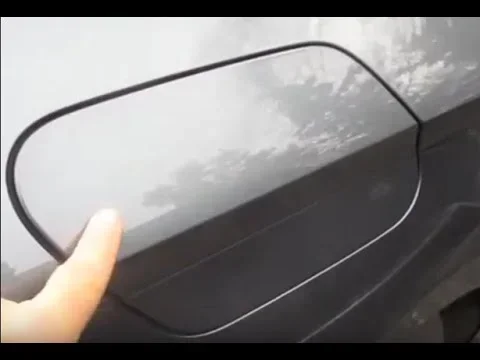
The fuel door is a small panel that swings outward to give you access to the fuel filler cap. It is held shut by a simple latch mechanism that you release from inside the car. Once you know where to look, finding the release is easy.
What Type of Gas Cap Does a Sentra Use?
Nissan Sentra models use a screw-on fuel filler cap. This is the traditional type that twists counterclockwise to open and clockwise to close. The cap creates a tight seal that prevents fuel vapors from escaping and keeps debris out of the tank.
Some newer Sentra models may have a capless fuel system, where the filler neck itself acts as the opening. If your Sentra has a capless system, you simply flip open the cover and insert the fuel nozzle. Both systems are easy to use once you know what to expect.
Step-by-Step Guide to Opening the Gas Tank
Here is the straightforward process for how to open a Nissan Sentra gas tank from start to finish. Follow these steps in order, and you will be fueled up in no time.
Step 1: Park the Car and Turn Off the Engine
Always park on a flat surface and turn the engine off before you open the fuel door. This is a basic safety rule that prevents fuel spills and reduces the risk of fire. Put the car in park and engage the parking brake for extra safety.
It is also a good idea to turn off any electronics or accessories while you are fueling. Static electricity can build up while you walk across carpeted surfaces, and discharging it near the fuel nozzle can be dangerous.
Step 2: Locate the Fuel Door Release
The fuel door release on a Nissan Sentra is typically found in one of two places:
- Inside the trunk: Look for a small lever or button on the left side of the trunk interior. Pull it or press it, and the fuel door will pop open slightly.
- On the driver’s side dashboard: Some Sentra models have a small lever near the driver’s door or under the dashboard area. Check your owner’s manual if you are not sure.
Once you pull or press the release, go to the outside of the car. You should see the fuel door lift slightly or swing open on its hinge.
Step 3: Open the Fuel Door Fully
Walk around to the left rear side of the car. The fuel door should be partially open from the release you just pulled. Gently push it outward the rest of the way until it stops. Some models have a hydraulic or spring-assisted hinge that holds the door open for you.
If the door feels stiff or does not move easily, do not force it. There may be ice, dirt, or debris blocking the hinge. We will cover how to fix stuck fuel doors later in this guide.
Step 4: Remove the Gas Cap
Now you can see the gas cap sitting on top of the fuel filler neck. Place your hand on the cap and turn it counterclockwise. It should twist off with moderate pressure. You will hear a slight release of air, which is completely normal.
Set the cap somewhere safe, like the pocket of your jacket or the trunk floor. Never place it on the ground where it could get lost or stepped on.
Step 5: Insert the Fuel Nozzle and Fill Up
Pick up the fuel nozzle at the pump and insert it into the filler neck. Squeeze the handle to start the fuel flow. Most Sentra tanks hold around 12 to 15 gallons, so keep an eye on the pump display.
When the tank is full, the pump will automatically click off. Do not try to squeeze in extra fuel after the click. Replace the gas cap by turning it clockwise until you feel it tighten. You do not need to crank it super hard — just snug is fine.
Step 6: Close the Fuel Door
Push the fuel door shut until it clicks into place. The latch should engage securely. Give it a gentle tug to make sure it is fully closed. A properly closed fuel door keeps the gas cap secure and prevents fuel vapors from leaking.
Common Problems When Opening the Gas Tank
Even though the Sentra fuel system is simple, things can go wrong. Here are the most common issues drivers face and what you can do about them.
Stuck Fuel Door
A stuck fuel door is one of the most annoying problems you can run into. The door may be frozen shut due to ice buildup, especially in winter months. Dirt and grime can also build up around the hinge over time, making the door hard to open.
Try these fixes:
- Warm the area around the door with a hair dryer or warm cloth to melt any ice.
- Spray a small amount of silicone lubricant on the hinge to loosen it up.
- Check if the interior release lever is working properly. If it feels loose or unresponsive, the cable may need adjustment.
Forcing the door open can break the hinge or latch, so always try gentle solutions first.
Broken Gas Tank Latch
The latch that holds the fuel door shut can wear out or break over time. If the fuel door does not stay closed or does not open when you pull the release, the latch mechanism may be damaged.
Signs of a broken latch include:
- The fuel door swings freely without staying in place.
- The interior release does nothing when you pull it.
- You hear a rattling sound near the fuel door area.
A broken latch usually needs to be replaced by a mechanic. The part itself is not expensive, but labor costs can vary depending on the Sentra model year.
Frozen Gas Cap in Cold Weather
Cold weather can cause the gas cap to freeze in place, especially if moisture gets into the threads. This is a common problem in northern climates during winter. The cap may feel sealed shut and refuse to twist open.
To prevent this:
- Wipe the cap and filler neck dry before cold weather sets in.
- Apply a thin layer of silicone-based lubricant to the cap threads.
- Never use excessive force — you risk cracking the cap or damaging the filler neck.
If the cap is already frozen, try warming it with your hands or a warm cloth. A gentle rocking motion while turning can also help break the seal.
How to Maintain Your Gas Tank and Fuel Door
Regular maintenance keeps your Sentra fuel door and gas tank working smoothly for years. Here are some simple habits that make a big difference.
- Clean the fuel door regularly: Wipe it down with a damp cloth to remove dirt and road grime. This prevents buildup that can stiffen the hinge.
- Check the gas cap seal: Inspect the rubber gasket on the cap for cracks or wear. A damaged seal can cause fuel vapor leaks and trigger the check engine light.
- Tighten the cap properly: Always twist the cap until it clicks. An improperly sealed cap can reduce fuel efficiency and let moisture enter the tank.
- Keep the filler neck clear: Make sure no debris or ice blocks the fuel opening before you insert the nozzle.
- Replace the gas cap when needed: If the cap is cracked, stripped, or does not seal properly, replace it right away. A new cap is inexpensive and easy to install.
Quick Tips for Everyday Use
- Always tighten the gas cap after fueling. A loose cap is the number one cause of fuel vapor leaks.
- Do not overfill the tank. Stop when the pump clicks off to prevent fuel from entering the vapor recovery system.
- If you smell fuel near the car after filling up, check that the gas cap is fully tightened.
- Keep a spare gas cap in your trunk if you frequently lose or damage yours.
When to See a Professional
Most gas tank issues are simple to fix at home. But some problems need the attention of a trained technician. You should visit a professional mechanic or a Nissan dealership if you experience any of the following:
- The fuel door release cable is broken or disconnected inside the car.
- You notice a strong fuel smell near the tank area.
- The check engine light comes on shortly after replacing the gas cap.
- The fuel door is visibly damaged or bent after an accident.
- You cannot open the fuel door using any method, including the emergency trunk release.
These issues could indicate deeper problems with the fuel system that require specialized tools and expertise. Trying to fix them yourself may cause more damage and lead to costly repairs.
If you need to visit a service center, you can check with your local Nissan dealership for service appointments and pricing. They have the right parts and training for your specific Sentra model.
Quick Tips for Everyday Gas Tank Use
Small habits go a long way in keeping your fuel system in great shape. Here are some quick tips you can start using today.
- Fuel up in the early morning: Cooler temperatures mean denser fuel, so you get more gas for your money.
- Use the recommended fuel grade: Most Nissan Sentra models run well on regular unleaded gasoline. Check your owner’s manual to confirm.
- Do not run the tank completely empty: Keeping at least a quarter tank prevents the fuel pump from overheating and extends its lifespan.
- Know your fuel door type: Whether your Sentra has a traditional screw-on cap or a capless system, knowing the difference helps you avoid mistakes at the pump.
- Keep the gas cap in a safe place: If you remove it, never set it on the ground. A lost cap means moisture and dirt can enter the tank.
How to Handle the Check Engine Light After Refueling
If the check engine light comes on after you fill up, a loose gas cap is the most common cause. The fuel vapor system is sensitive, and even a slightly loose cap can trigger the warning light.
Try this simple fix first:
- Pull over safely and turn off the engine.
- Remove the gas cap and reseat it tightly.
- Drive for a few miles and see if the light goes off.
If the light stays on, you may need to clear a check engine code using an OBD-II scanner. Many auto parts stores will do this for free. If the code returns after clearing it, there may be a more serious issue with the fuel vapor system that needs professional diagnosis.
Keep in mind that a damaged or worn gas cap can also cause the check engine light to stay on. Replacing the cap is a cheap and easy fix that solves many fuel-related warning lights.
Comparison: Traditional Gas Cap vs. Capless Fuel Systems
| Feature | Traditional Screw-On Cap | Capless System |
|---|---|---|
| Opening method | Twist counterclockwise | Flip open the cover |
| Seal type | Rubber gasket | Built-in seal on filler neck |
| Risk of loss | Higher (cap can be misplaced) | Lower (no removable cap) |
| Common on | Older Sentra models | Newer Sentra models |
| Maintenance | Replace gasket every 2-3 years | Clean filler neck periodically |
| Frozen cap risk | Yes, in cold weather | No |
Knowing which system your Sentra has makes fueling up faster and easier. Check your owner’s manual or look at the fuel door to identify your system type.
Frequently Asked Questions
Can I open the gas tank if the interior release is broken?
Yes, most Nissan Sentra models have an emergency fuel door release located inside the trunk. Open the trunk, find the small handle or cable near the fuel door, and pull it. This bypasses the dashboard release and lets you open the fuel door manually.
Why does my gas cap keep coming loose?
A gas cap that keeps coming loose usually has a worn or damaged rubber gasket. Over time, the seal degrades and the cap no longer tightens properly. Replacing the gas cap is an inexpensive fix that solves this problem quickly.
Can cold weather freeze my Nissan Sentra gas tank door?
Yes, cold weather can freeze the fuel door hinge or the gas cap threads. Ice buildup prevents the door from opening or the cap from twisting off. Using a de-icer spray or warming the area with a hair dryer can help you break the ice safely.
How do I know if my gas cap needs to be replaced?
Signs that your gas cap needs replacing include a cracked cap, a stripped thread, a loose fit, or a persistent check engine light after tightening it. A new gas cap is inexpensive and easy to install yourself.
What should I do if fuel spills when I open the tank?
If fuel spills when you open the tank, wipe it up immediately and check the gas cap for damage. A damaged or improperly sealed cap can cause fuel to splash out during refueling. If the spill is large, move away from the area and avoid starting the engine until the fuel has evaporated.
Is it safe to drive with the fuel door open?
No, you should not drive with the fuel door open. It exposes the fuel filler neck to road debris, moisture, and fuel vapor loss. If your fuel door is broken and stays open, have it repaired before driving the car long distances.
=== CONCLUSION ===
How to open a Nissan Sentra gas tank is a straightforward process once you know where the release is and how the system works. From pulling the trunk lever to twisting off the gas cap, each step is simple and easy to master. Regular maintenance and a few good habits keep everything working smoothly for the life of your car.
If you run into a stuck fuel door, a frozen gas cap, or a broken latch, the fixes in this guide should help you handle most situations with confidence. And when a problem is beyond DIY repair, a trusted mechanic or Nissan dealership can get you back on the road quickly.
Now that you know exactly what to do, the next time you pull up to the pump, you can fuel up with ease and move on with your day. Keep this guide bookmarked for reference, and share it with anyone who needs a quick reminder on their Sentra fuel system.