Want to Know How Much Weight Can a Toyota Tacoma Hold
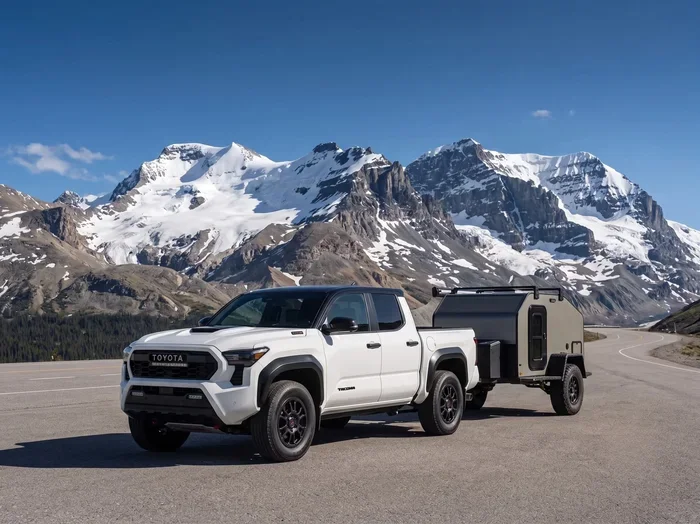
The Toyota Tacoma is one of the most popular midsize trucks on the road, and for good reason. Its payload capacity ranges from about 1,000 to 1,600 pounds depending on the configuration. Towing capacity can reach up to 6,500 pounds with the right setup. Knowing your Tacoma’s limits helps you stay safe and get the most out of your truck.
The Toyota Tacoma has earned a reputation as one of the most reliable and capable midsize trucks available. Whether you use it for work, weekend adventures, or hauling gear, knowing its weight limits is essential. This guide breaks down everything you need to know about how much weight a Toyota Tacoma can hold in its bed, on its trailer hitch, and across all configurations.
Many Tacoma owners assume their truck can handle anything they throw in the bed. The truth is more nuanced. Every trim level, engine option, and cab style changes the numbers. We will walk you through the details so you never have to guess again.
Key Takeaways
- Payload Capacity Varies: Different Tacoma trims and configurations offer payload ratings between 1,000 and 1,600 pounds.
- Towing Matters Too: The Tacoma can tow up to 6,500 pounds when properly equipped with a towing package.
- Check Your Door Jamb: The VIN-specific payload and towing specs are listed on the driver’s side door jamb sticker.
- Distribution Is Key: How you load your Tacoma affects safety, handling, and tire wear more than the total weight alone.
- Overloading Is Dangerous: Exceeding weight limits can damage brakes, suspension, and void your warranty.
- Compare With Other Vehicles: A regular car carries far less than a Tacoma, but understanding the difference helps you plan loads smarter.
📑 Table of Contents
- Understanding Toyota Tacoma Weight Limits
- Payload by Tacoma Trim and Configuration
- How to Properly Load Your Tacoma Bed
- Towing With a Toyota Tacoma
- How Tacoma Weight Limits Compare to Other Vehicles
- Signs You Are Overloading Your Tacoma
- Expert Tips for Maximizing Your Tacoma’s Capacity
- Common Questions About Tacoma Weight Limits
- Final Thoughts on Toyota Tacoma Weight Capacity
Understanding Toyota Tacoma Weight Limits
When people ask about how much weight a Toyota Tacoma can hold, they usually mean two things: payload and towing. These are very different numbers, and confusing them can lead to problems. Payload refers to the weight you can safely put inside the truck itself, including passengers, cargo, and any accessories. Towing capacity is the maximum weight the Tacoma can pull behind it using a trailer hitch.
Both numbers depend on your specific Tacoma model. A base Access Cab with the four-cylinder engine will have different limits than a fully loaded TRD Pro with the V6. Always refer to your owner’s manual and the door jamb sticker for your exact vehicle.
What Is Payload Capacity?
The payload capacity tells you how much weight your Tacoma can carry on its own. This includes everything inside the cab and the bed. People, gear, tools, coolers, and even the fuel itself all count toward this number.
For most Tacoma models, the payload rating falls between 1,000 and 1,600 pounds. Here is a general breakdown:
- Base Model (I4 Engine): Around 1,000 to 1,200 pounds payload
- V6 Engine Models: Around 1,200 to 1,500 pounds payload
- TRD Off-Road and TRD Pro: Around 1,400 to 1,600 pounds payload
- Double Cab Models: Slightly lower payload due to heavier cab weight
These numbers are approximate and can vary by model year. The safest approach is always to check the label on your driver’s door jamb. That sticker gives you the exact payload rating for your specific Tacoma build.
What Is Towing Capacity?
If you plan to haul a trailer, boat, or RV, the towing capacity is the number that matters. The Toyota Tacoma can tow anywhere from 3,500 to 6,500 pounds depending on the configuration.
- Base Models with I4 Engine: Approximately 3,500 pounds towing
- V6 Engine Models: Approximately 5,000 to 6,500 pounds towing
- Models with Towing Package: Higher ratings, sometimes up to 6,500 pounds
Towing capacity assumes you have the right hitch, wiring harness, and braking setup installed. Towing without the proper equipment is dangerous and can damage your truck. Always use a hitch rated for the weight you are pulling.
Payload by Tacoma Trim and Configuration
The Toyota Tacoma comes in several trims and configurations. Each one affects the weight limits differently. Understanding these differences helps you make smart decisions about what you load into your truck.
Access Cab vs. Double Cab
The Access Cab and Double Cab differ in size and weight. The Double Cab is heavier because it has full rear doors and more cabin space. This extra weight means the Double Cab typically has a lower payload capacity than the Access Cab, even when equipped with the same engine.
If you need to carry heavy loads, the Access Cab may give you a slight advantage in payload. However, the Double Cab offers more passenger space, which is a trade-off many owners are happy to make.
Engine Options and Their Impact
The Tacoma has offered both a four-cylinder and a V6 engine over the years. The V6 engine is heavier than the four-cylinder, but it also provides more power for towing. Interestingly, the V6 models often have a higher towing capacity, which offsets the slight reduction in payload from the heavier engine.
Here is a quick comparison of the two engine options:
- 2.7L Four-Cylinder: Lighter engine, lower towing, decent payload
- 3.5L V6 (i-FORCE): Heavier engine, much higher towing, strong payload
For most people hauling serious weight, the V6 is the better choice. It gives you the flexibility to tow and carry more without pushing your limits.
How to Properly Load Your Tacoma Bed
Loading your Tacoma the right way makes a big difference in safety and performance. Simply piling stuff into the bed is not enough. You need to think about weight distribution, tie-down points, and staying within your limits.
Weight Distribution Basics
The best way to load a Tacoma is to place heavier items over the rear axle. This keeps the truck balanced and helps the rear tires maintain grip. If you put too much weight in the front of the bed, the front wheels may lose some traction, especially in wet or icy conditions.
Lighter items should go toward the front of the bed, closest to the cab. This arrangement keeps the center of gravity low and stable. A well-loaded Tacoma handles much better than one with all the weight shifted to one side.
Securing Your Load
No matter how much weight you are carrying, everything needs to be tied down. Loose cargo can shift while driving, which changes the weight distribution and can cause accidents. Use ratchet straps, bungee cords, or cargo nets to keep everything in place.
Make sure your straps are rated for the weight of the items they are securing. A strap rated for 500 pounds will not hold a 1,000-pound load if it shifts suddenly. Check your straps regularly for wear and replace them when they show signs of fraying.
Common Mistakes When Loading
Many Tacoma owners make avoidable mistakes when loading their truck. Here are a few to watch out for:
- Overloading one side: This causes the truck to lean and affects steering.
- Ignoring tongue weight: When towing, 10 to 15 percent of the trailer weight should press down on the hitch.
- Exceeding payload without realizing it: Passengers, gear, and accessories all add up fast.
- Using the wrong hitch: A hitch not rated for your towing weight can fail under load.
Avoiding these mistakes keeps your Tacoma running smoothly and your load safe. If you want to learn more about how much stuff you can generally put in a car, check out our guide on how much stuff you can put in your car for broader vehicle comparisons.
Towing With a Toyota Tacoma
One of the biggest reasons people buy a Tacoma is for its towing ability. Whether you are hauling a small trailer, a boat, or camping gear, knowing the towing limits is critical.
What You Need for Safe Towing
Towing safely with a Tacoma requires more than just hitting the road. You need the right equipment and a clear understanding of your truck’s limits.
- Tow Hitch: Install a hitch rated for your towing weight. Class IV hitches are common for Tacoma owners who tow frequently.
- Wiring Harness: This connects your Tacoma’s lights to the trailer, ensuring brake lights and turn signals work.
- Brake Controller: Required for trailers over 1,500 pounds. It helps you stop smoothly without jackknifing.
- Weight Distribution Hitch: Helps distribute trailer weight evenly across all axles for better stability.
Skipping any of these components can lead to poor handling, longer stopping distances, or even trailer sway. Each piece plays an important role in safe towing.
Towing Capacity by Model Year
Towing specs have changed across Tacoma generations. Newer models generally offer higher towing capacities thanks to improved engineering and available towing packages. Here is a general overview:
- Older Tacomas (Pre-2016): Towing capacity around 3,500 to 5,000 pounds
- Newer Tacomas (2016 and later): Towing capacity up to 6,500 pounds with V6 and towing package
Always verify the towing capacity for your specific model year. The owner’s manual and the door jamb sticker are your best resources.
How Tacoma Weight Limits Compare to Other Vehicles
The Toyota Tacoma is a midsize truck, which means it sits between a full-size truck and a regular car in terms of capability. Understanding where it falls helps you appreciate what your Tacoma can do and when you might need a bigger truck.
A regular car typically carries much less weight than a Tacoma. Most sedans and compact SUVs have payload capacities around 800 to 1,000 pounds. The Tacoma easily surpasses that, making it a great choice for people who need more carrying ability without the size of a full-size truck.
If you want a broader comparison of vehicle weight limits, our article on how much weight a regular car can carry gives you helpful context. The difference becomes especially clear when you are planning a move or hauling heavy equipment.
For Tacoma-specific questions, many owners ask whether they can fit adults in the back seat comfortably. You can read more about that in our guide on whether adults can sit in the back of a Tacoma.
Signs You Are Overloading Your Tacoma
Overloading is one of the most common mistakes Tacoma owners make. Recognizing the warning signs early can prevent costly damage and keep you safe on the road.
Physical Warning Signs
- Sagging rear suspension: The back of the truck sits lower than normal when loaded.
- Difficulty steering: The truck feels heavy or unresponsive in the steering wheel.
- Longer braking distances: It takes more time and distance to stop than usual.
- Tire wear on the edges: Overloaded tires wear out faster on the outer edges of the tread.
- Check engine light: In some cases, overloading triggers sensors that illuminate the check engine light. If this happens, you may need to clear a check engine code after addressing the root cause.
What Happens If You Ignore the Limits
Continuously overloading your Tacoma can lead to serious mechanical problems. The suspension wears out faster. Brakes overheat and degrade. The transmission works harder and may fail prematurely. In extreme cases, overloading can cause tire blowouts or loss of vehicle control.
Beyond mechanical damage, overloading can also void your warranty. If Toyota determines that damage was caused by exceeding the payload or towing limits, they may deny your claim. Staying within the rated limits protects both your truck and your wallet.
Expert Tips for Maximizing Your Tacoma’s Capacity
Getting the most out of your Tacoma without exceeding its limits comes down to smart planning and smart loading. Here are some expert tips that experienced Tacoma owners swear by.
Weigh Your Load Before You Load
Use a bathroom scale or a luggage scale to weigh individual items before loading them into your Tacoma. This gives you a running total and helps you stay within the payload rating. It is easy to lose track when you are loading multiple bags, coolers, and tools.
Remove Unnecessary Weight
Every pound counts when you are near your payload limit. Remove items from the bed or cab that you do not need for your trip. Extra gear, old equipment, and spare parts all add up. A lighter load means better fuel economy and less strain on your truck.
Consider Aftermarket Accessories Carefully
Tonneau covers, bed liners, and running boards all add weight to your Tacoma. A soft tonneau cover might add 30 to 50 pounds, while a hard cover can add 80 or more. A bed liner can add another 80 to 100 pounds. Before adding accessories, factor their weight into your payload calculation.
Check Your Tire Pressure
Properly inflated tires handle weight better and last longer. Underinflated tires are more likely to overheat when carrying heavy loads, which increases the risk of a blowout. Check your tire pressure at least once a month, and always adjust it when you are carrying heavier loads than usual.
Know When to Upgrade
If you regularly find yourself at or near the payload limit, it might be time to consider a bigger truck or a different solution. A full-size truck like the Toyota Tundra offers significantly higher payload and towing capacity. Sometimes the right tool for the job is simply a larger vehicle.
Common Questions About Tacoma Weight Limits
Tacoma owners have a lot of questions about weight limits. Here are some of the most common ones we hear.
Can You Sleep in a Tacoma?
Many people wonder if they can sleep in their Tacoma, especially the Access Cab or Double Cab models. The answer is yes, you can sleep in a Tacoma, though space is limited in the cab. If you are interested in converting your Tacoma into a camper setup, check out our article on turning a van into a camper for ideas that apply more broadly to vehicle camping conversions.
Does the Tacoma Catalytic Converter Affect Hauling?
Some owners wonder if removing or modifying the catalytic converter affects the truck’s performance or weight capacity. The catalytic converter does not significantly impact payload or towing limits. However, driving without one is illegal in most states and can trigger the check engine light. If you need to address related issues, you can learn more about driving a Tacoma without a catalytic converter.
Final Thoughts on Toyota Tacoma Weight Capacity
The Toyota Tacoma is a versatile and capable truck that can handle a impressive amount of weight. With payload ratings between 1,000 and 1,600 pounds and towing capacities up to 6,500 pounds, it handles most everyday hauling tasks with ease. But knowing your limits is just as important as knowing the numbers.
Always check your specific model’s door jamb sticker and owner’s manual for exact specs. Load your Tacoma carefully, secure your cargo properly, and never exceed the rated limits. Your Tacoma will reward you with years of reliable service, and you will stay safe every time you hit the road.
Whether you are hauling gear for a weekend camping trip or towing a trailer to the lake, understanding your Tacoma’s weight capacity gives you confidence. Take the time to learn your truck’s limits, and you will get the most out of every trip.